Beyond the Needle: The Rise of Inhalable Vaccines
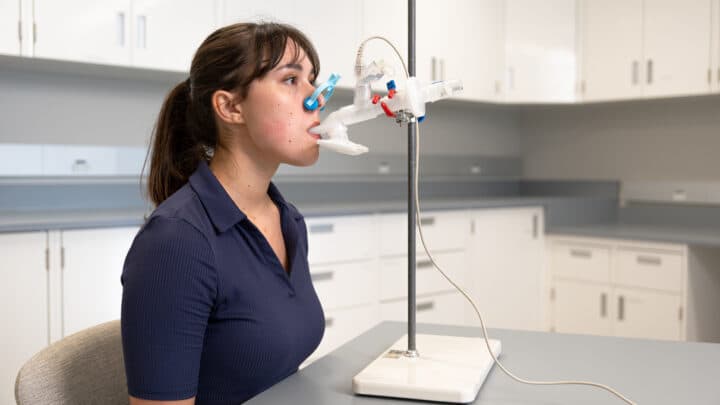
Inhalable vaccines trigger powerful mucosal immunity where pathogens enter the body, offering needle-free protection against respiratory diseases.
Showing results for: "global health infrastructure" (60 results)

Inhalable vaccines trigger powerful mucosal immunity where pathogens enter the body, offering needle-free protection against respiratory diseases.

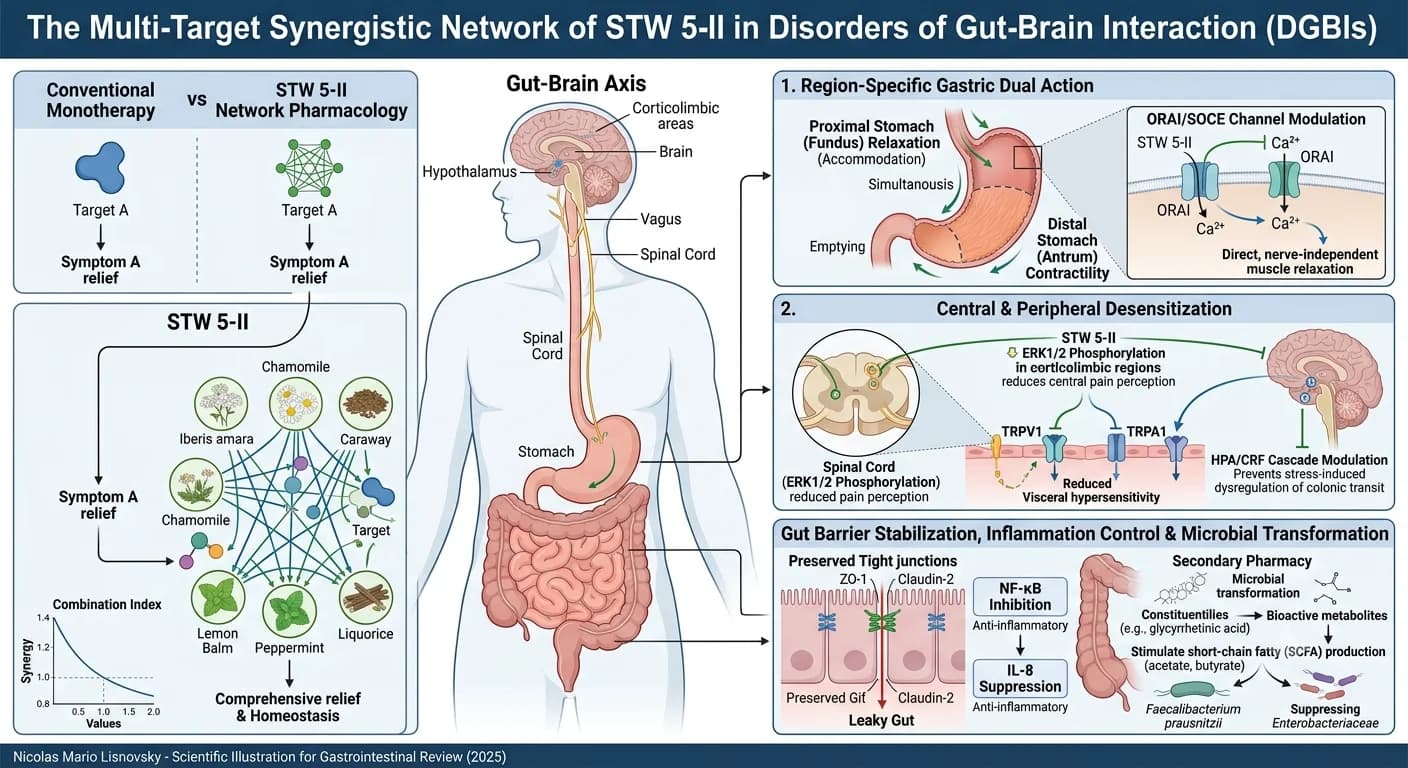
Explaining The Reciprocity Between Your Brain and Your Belly For the past decade, the scientific community has increased its focus on mental health disorders including anxiety, depression,

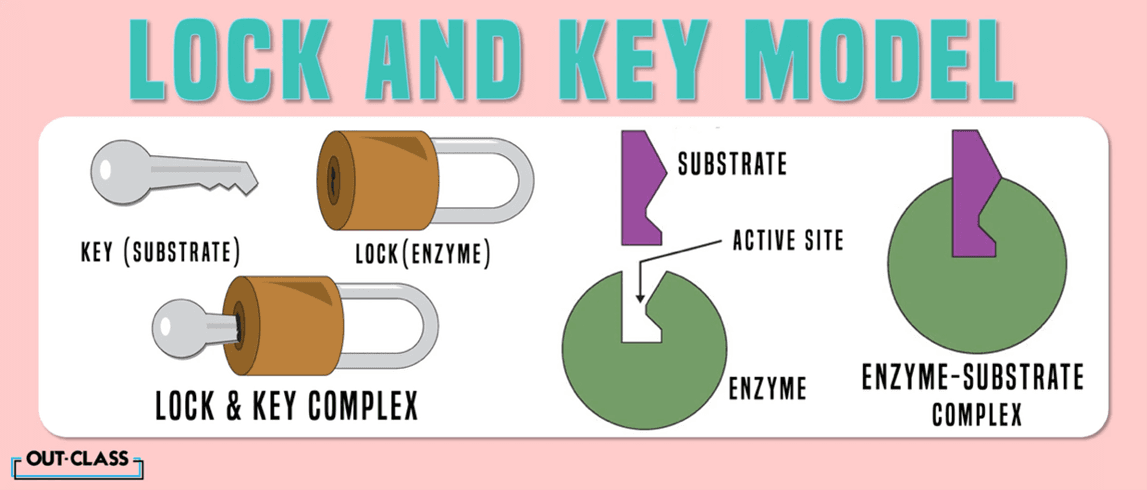
Drug repurposing is reshaping medicine. Discover how changing a drug's route of administration — not the molecule itself — can unlock new therapeutic potential.

Out of so many mental disorders, a rare disorder is the Fregoli delusion or Fregoli syndrome (FS), in which an individual holds a delusional belief that different people are in fact a single person, who keeps on changing appearances quickly or is in disguise. People affected with this condition often experience anxiety, paranoia, and agitation. It can impact the patient’s mental health and their safety and the safety of others.

This article will unlock that box, exploring the crucial process of translating complex clinical trial evidence into clear, understandable information for everyone. We'll journey from the surprising origins of clinical trials to the modern-day push for transparency, and discover why making science accessible is not just a convenience, but a necessity for public trust and informed health decisions.

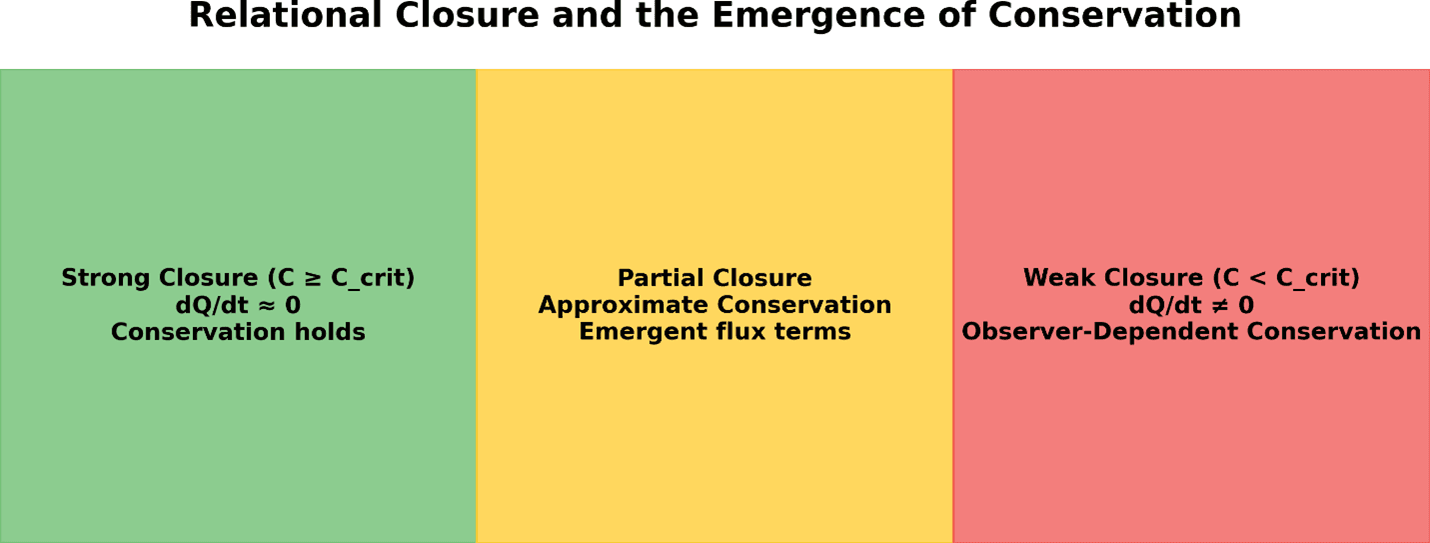
Physical quantities and laws emerge from the geometry, coherence, and flow of relational fields. A central idea is relational closure: high-coherence domains form effectively closed regions where stable invariants can persist.

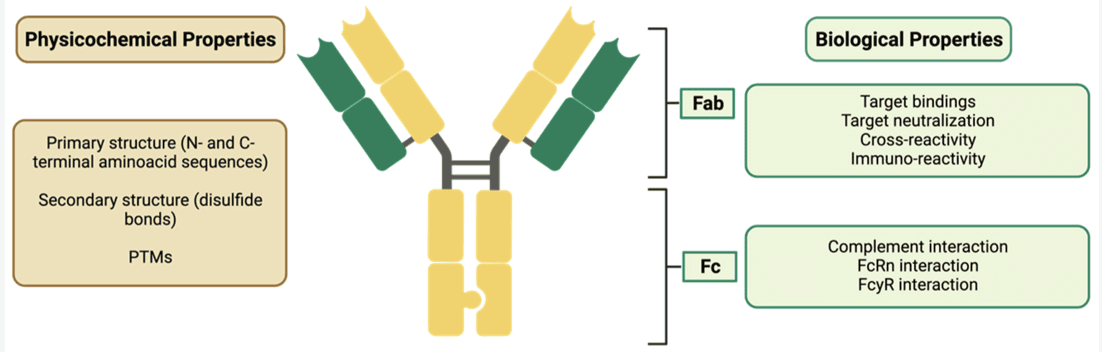
Biologics have transformed the management of chronic and life-threatening diseases such as cancer, autoimmune disorders, and metabolic conditions. However, their complexity, high production costs, and limited affordability continue to challenge healthcare systems worldwide.

Can algorithms predict sickness before you feel it? Explore how AI is using smartwatch data and ECGs to detect diseases like Alzheimer's and AFib early.

Artificial Intelligence AI with it’s widespread use in various sectors has also taken a dive into healthcare by transforming clinical practice and improving patient care.

Science writing simplifies complex research, making scientific discoveries accessible, trustworthy, and relevant to the public while reducing misinformation.

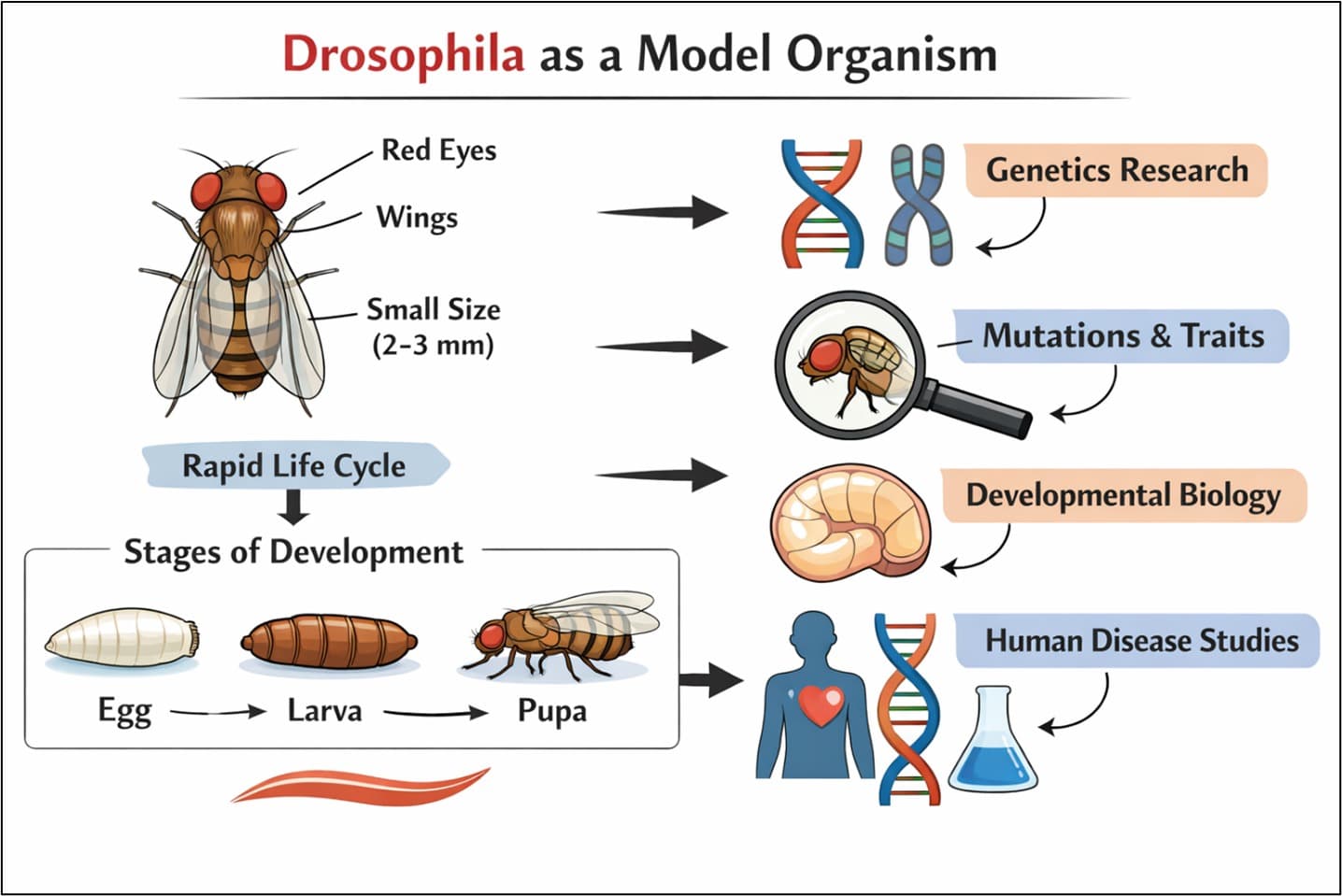
How the fruit fly egg chamber reveals the secrets of cell migration and offers powerful insights into cancer metastasis and future therapies.

Traditionally, Forensic Science relies on Human DNA for contact evidence and individual identification, but limitation arises when the blood cells obtained from the crime scene are degraded or not.

Explore how Carbon Capture, Utilization, and Storage (CCUS) works, its role in hard-to-abate industries, and how geology helps trap CO₂ to combat climate change.

Relational Dominance: A Testable Structural Hypothesis for Navier–Stokes Turbulence

For many people, it is often assumed to be a “Stress disease”. Others casually refer to it as an “Old man’s disease” based on the myth that it affects only the elderly. These assumptions, however banal, are misleading and potentially lethal.

This article aims to demystify the anatomy of a clinical trial protocol, peeling back the technical layers to reveal how scientific rigor is converted into medical progress. At ScientistsHub, we often ask: How do we ensure that a medical breakthrough is not just a stroke of luck, but a repeatable, verifiable victory for human health? The answer is found in the design. To truly appreciate the result of any trial, one must first master the architecture of the inquiry.

Messenger RNA (mRNA) vaccines represent one of the most significant scientific advances in modern therapeutics. Unlike conventional vaccines that use weakened or inactivated pathogens, mRNA vaccines deliver genetic instructions that enable host cells to synthesize a target antigen and stimulate an immune response.

Vancomycin is an essential glycopeptide antibiotic used to treat life-threatening infections caused by Gram-positive bacteria, particularly Methicillin-Resistant Staphylococcus aureus (MRSA). It functions by inhibiting bacterial cell-wall synthesis and is still the most potent drug to be used when others fail (Patel, Preuss, & Bernice, 2023).

As a pharmacist during clinical clerking, I frequently encounter patients who use the term “toilet infections” to describe symptoms that clinically align with bacterial vaginosis, urinary tract infections, or yeast infections. This widespread misconception often stems from the assumption that symptoms occurring after the use of public toilets must be caused by them.

What if one of the most powerful models for understanding the human brain were less than an inch long, transparent, and living in a small tank? Meet Danio rerio, the zebrafish.