Health & Medicine
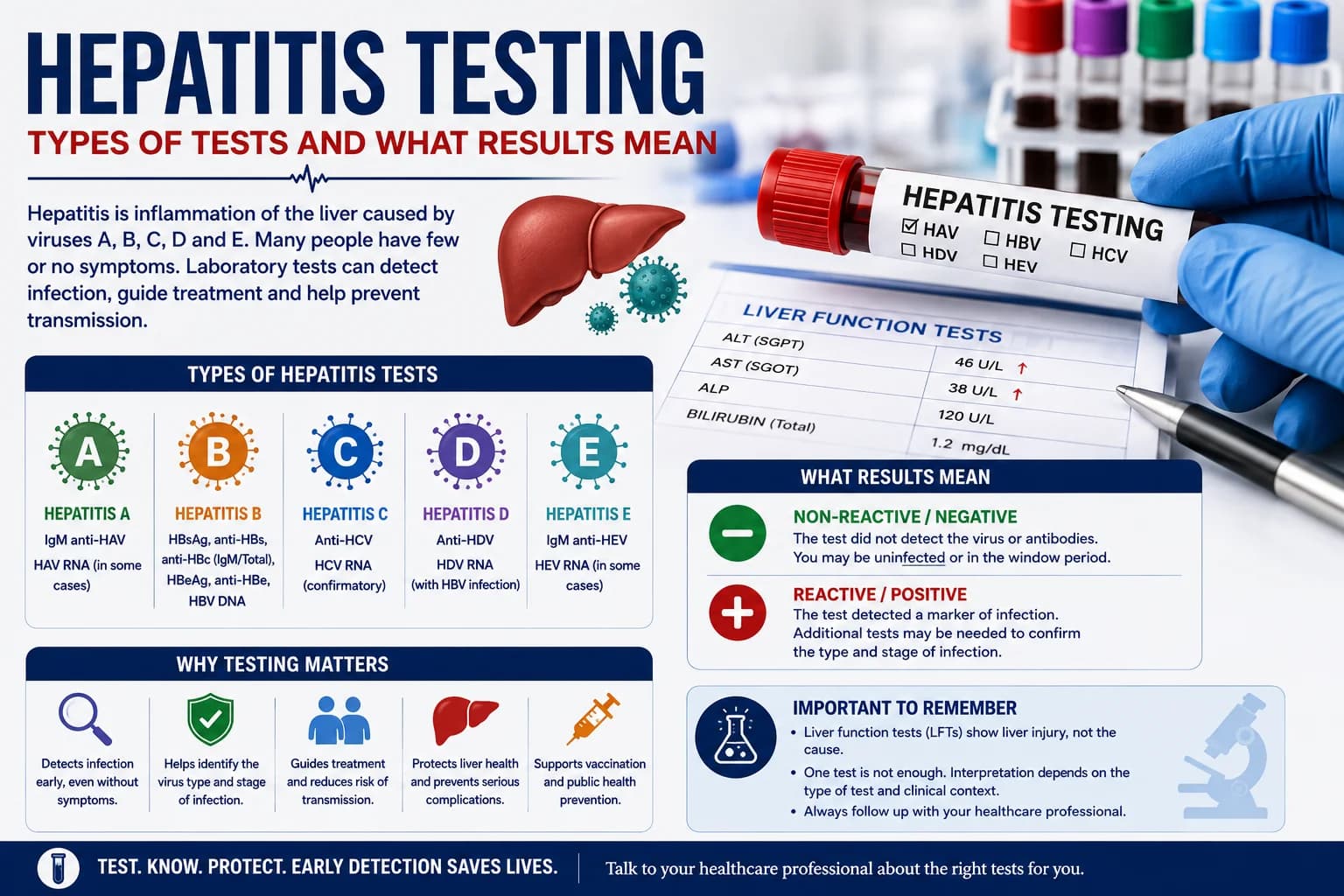
Hepatitis Testing: Types of Tests and What Results Mean
Talk about hepatitis testing, including blood tests for hepatitis A, B, C, D and E, common markers, liver tests, and what positive or negative results mean.
Showing results for: "persistent" (40 results)
Talk about hepatitis testing, including blood tests for hepatitis A, B, C, D and E, common markers, liver tests, and what positive or negative results mean.
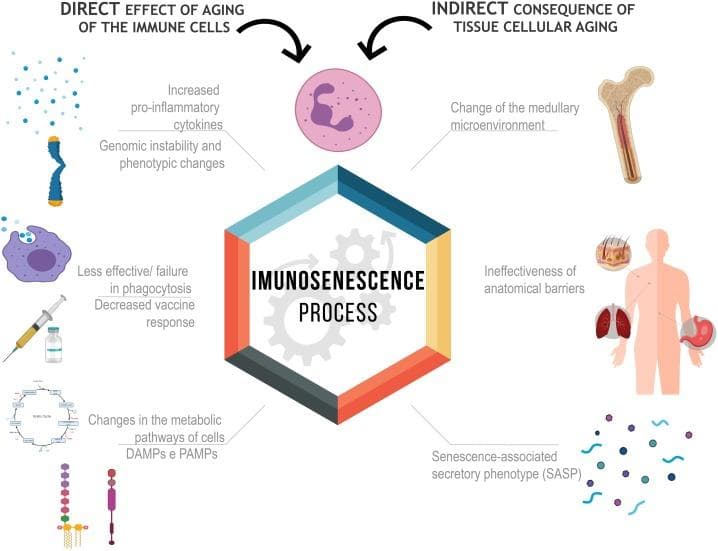
Ageing is accompanied by a gradual decline in physiological functions, among which deterioration of the immune system termed immunosenescence—has profound implications for human health.

You slept last night and woke up with a pimple popping up on your face! It would make you feel angry and depressed. Isn’t it? This could be hormonal acne. Hormonal acne could appear as common forms of acne, such as whiteheads, or more severe types of acne, such as nodules and cysts. Let us delve into and learn more about hormonal acne and various ways to deal with it.
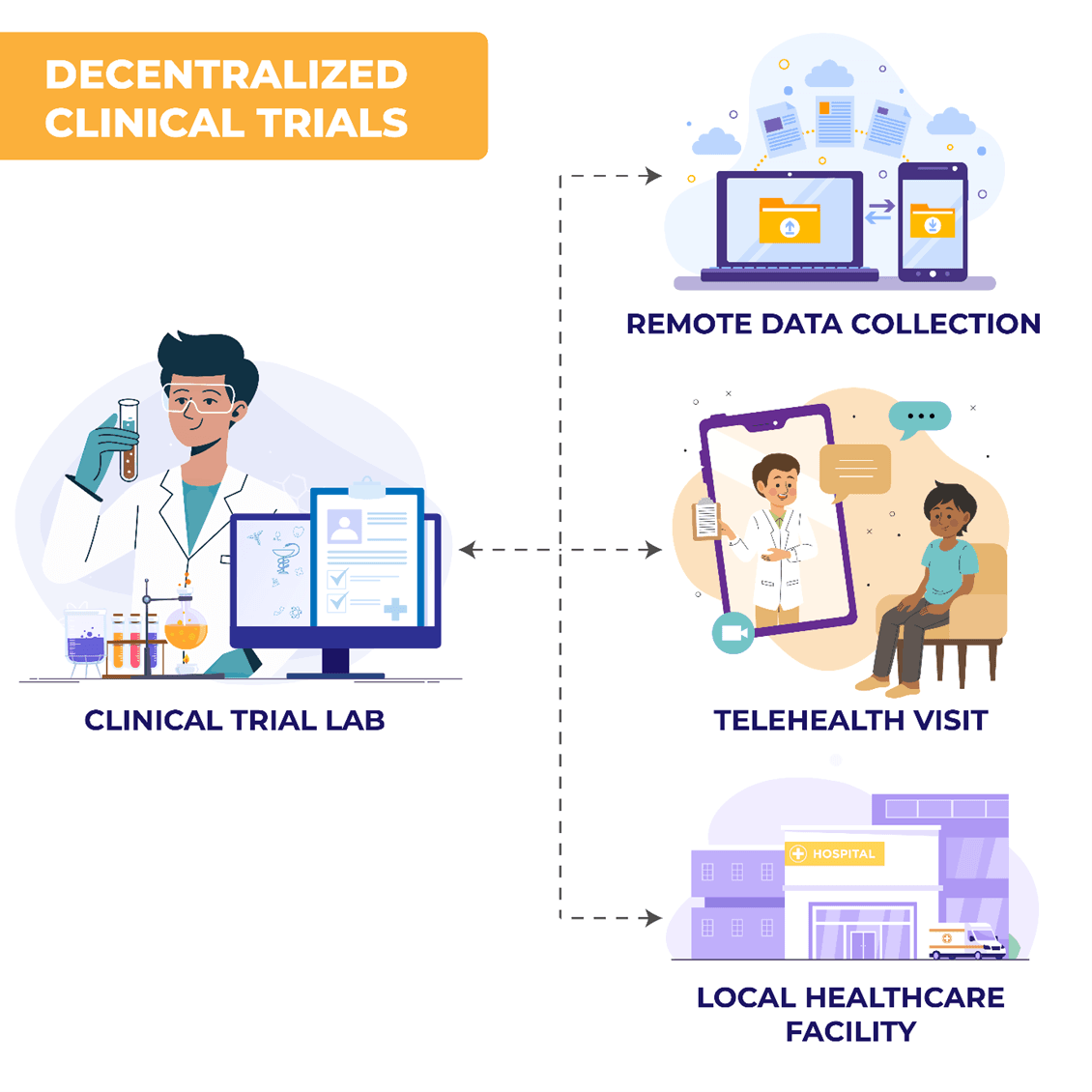
(DCTs) are redefining how pharmaceutical studies are designed, conducted, and analyzed by moving away from traditional site-centric models toward patient-centric, digitally enabled trial ecosystems.

This article makes those steps explicit. I describe a repeatable cognitive pipeline I call Stained-Glass Thinking, which I have used consistently throughout the development of Relational Field Theory (RFT).
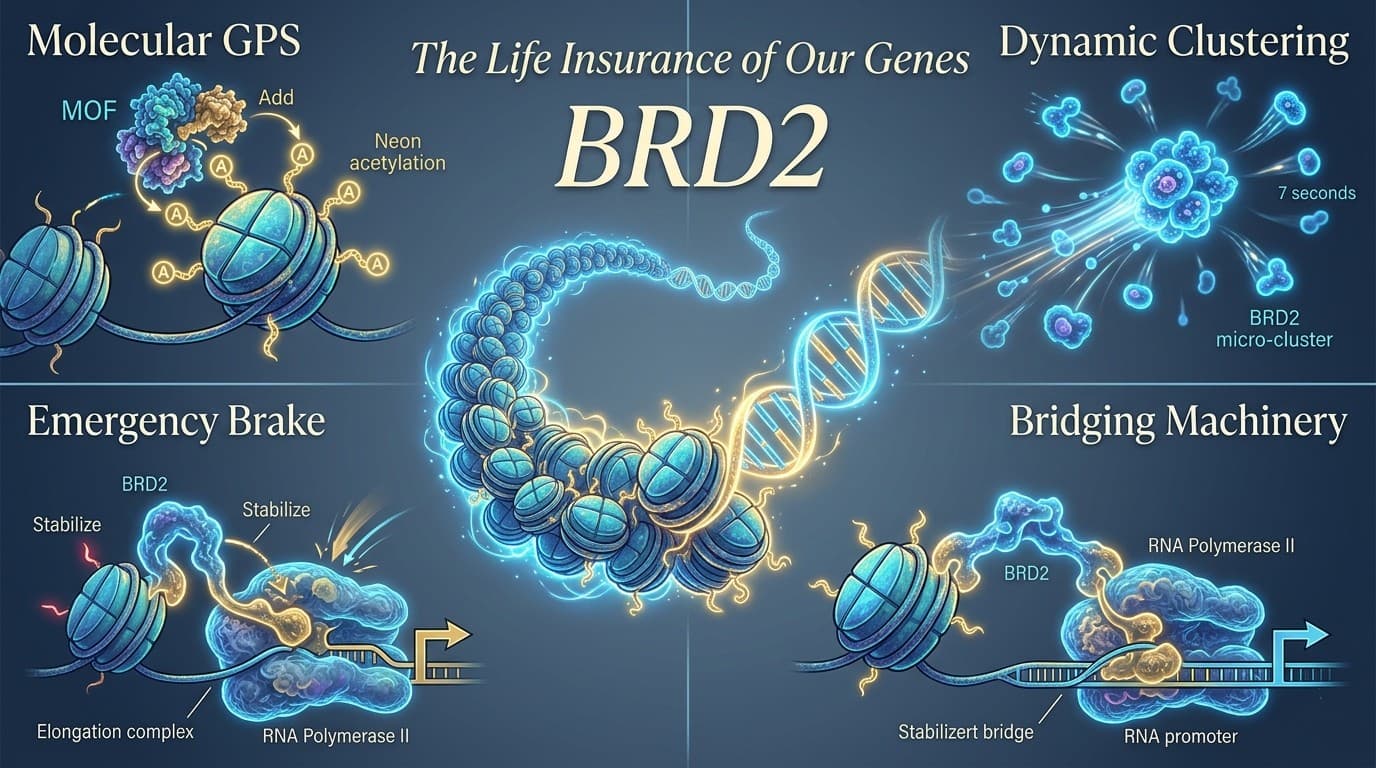
Cells can be understood as highly coordinated systems in which DNA functions as a comprehensive but inert blueprint, requiring precise interpretation to become biologically active. Gene expression depends on regulatory proteins that orchestrate transcription across time and space.
Tuberculosis (TB) remains one of the world's deadliest infectious diseases, claiming over a million lives each year. TB is the deadliest infectious disease known today, claiming more lives than COVID-19. TB is caused by the bacterium Mycobacterium tuberculosis. TB spreads through the air when infected people breathe, cough, sneeze,

Many times, individuals feel fearful or extremely worried about cancer testing. The regular tests and scans that patients living with any cancer diagnosis have to undergo, to monitor their condition, can make them feel anxious before, during, or after a scan or a follow-up test
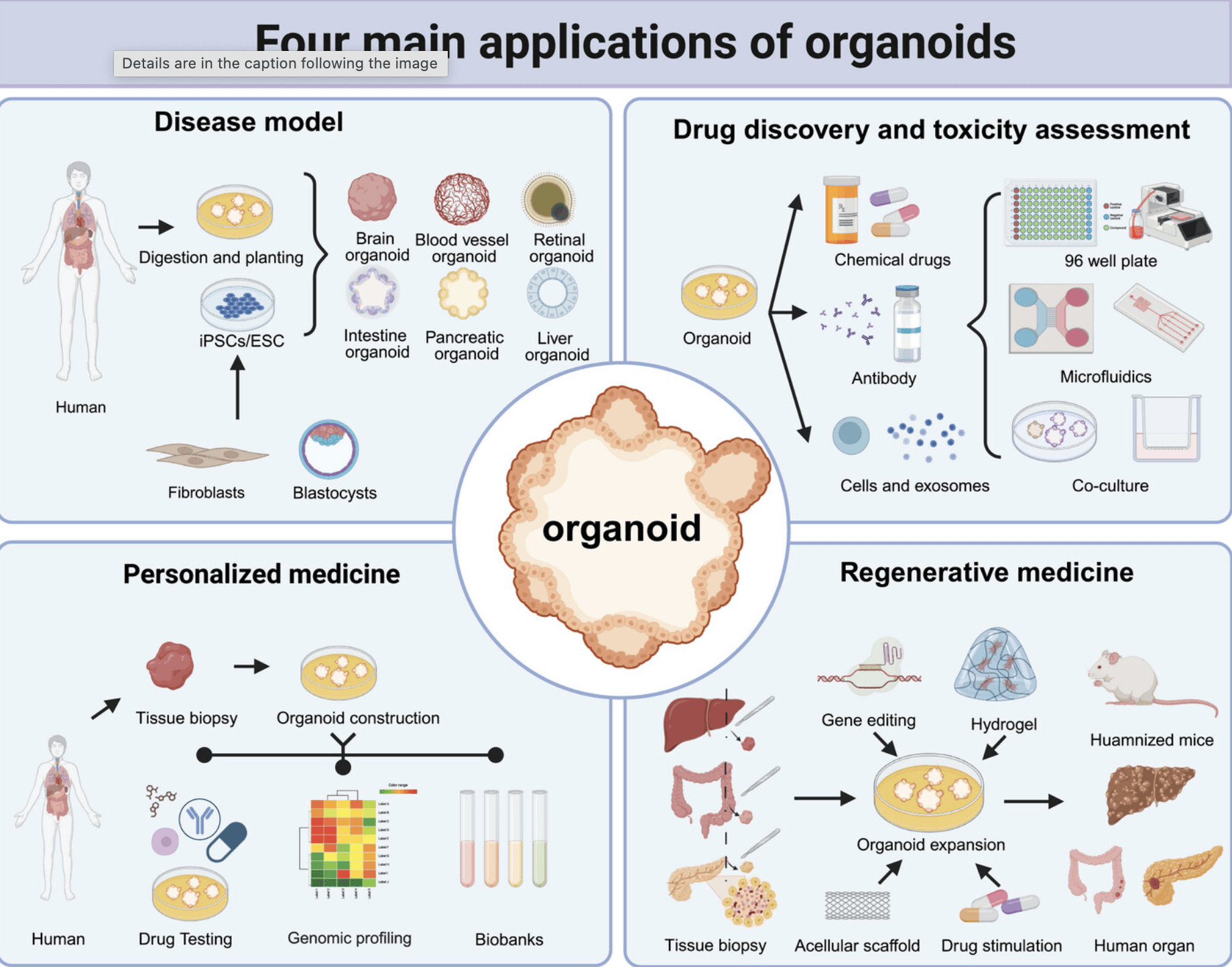
Animal models have traditionally served as the cornerstone of drug safety evaluation; however, major translational challenges persist due to interspecies differences in physiology, metabolism, and genetic regulation. Many compounds demonstrating favorable toxicity profiles in animals later fail during human trials or are withdrawn post-marketing due to unforeseen adverse effects, especially hepatotoxicity and cardiotoxicity (Lee et al., 2025).
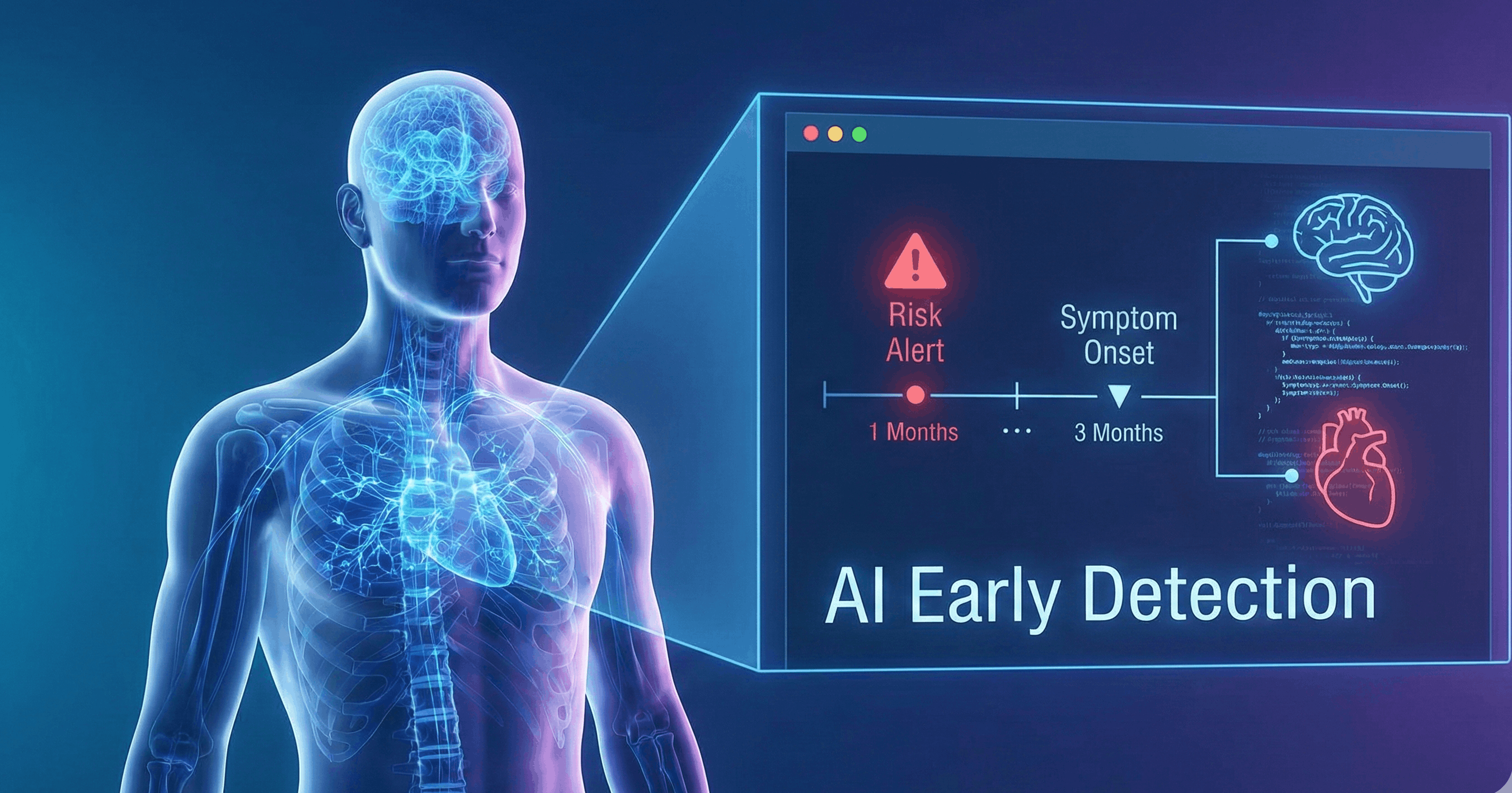
Modern healthcare is undergoing a silent revolution. Now to treat a disease in the healthcare system, there is no longer a need to wait for symptoms to appear.
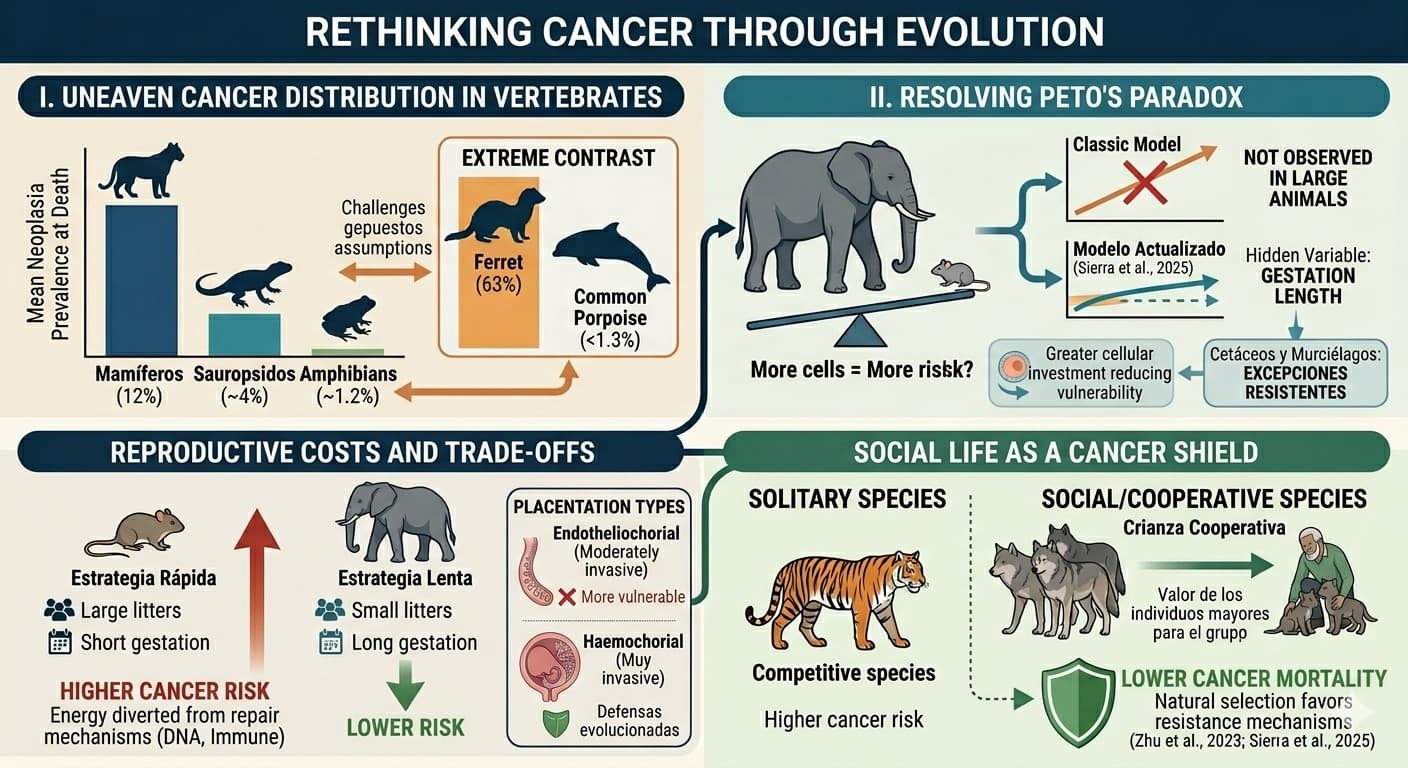
In this study, I explore how cancer risk is distributed across the animal kingdom, emphasizing the role of life-history traits, reproductive strategies, and social behavior in shaping susceptibility to disease. Drawing on recent findings in comparative oncology, the article examines patterns that challenge traditional assumptions, such as the relationship between body size and cancer, and highlights evolutionary mechanisms that may confer resistance in certain species.

Inhalable vaccines trigger powerful mucosal immunity where pathogens enter the body, offering needle-free protection against respiratory diseases.
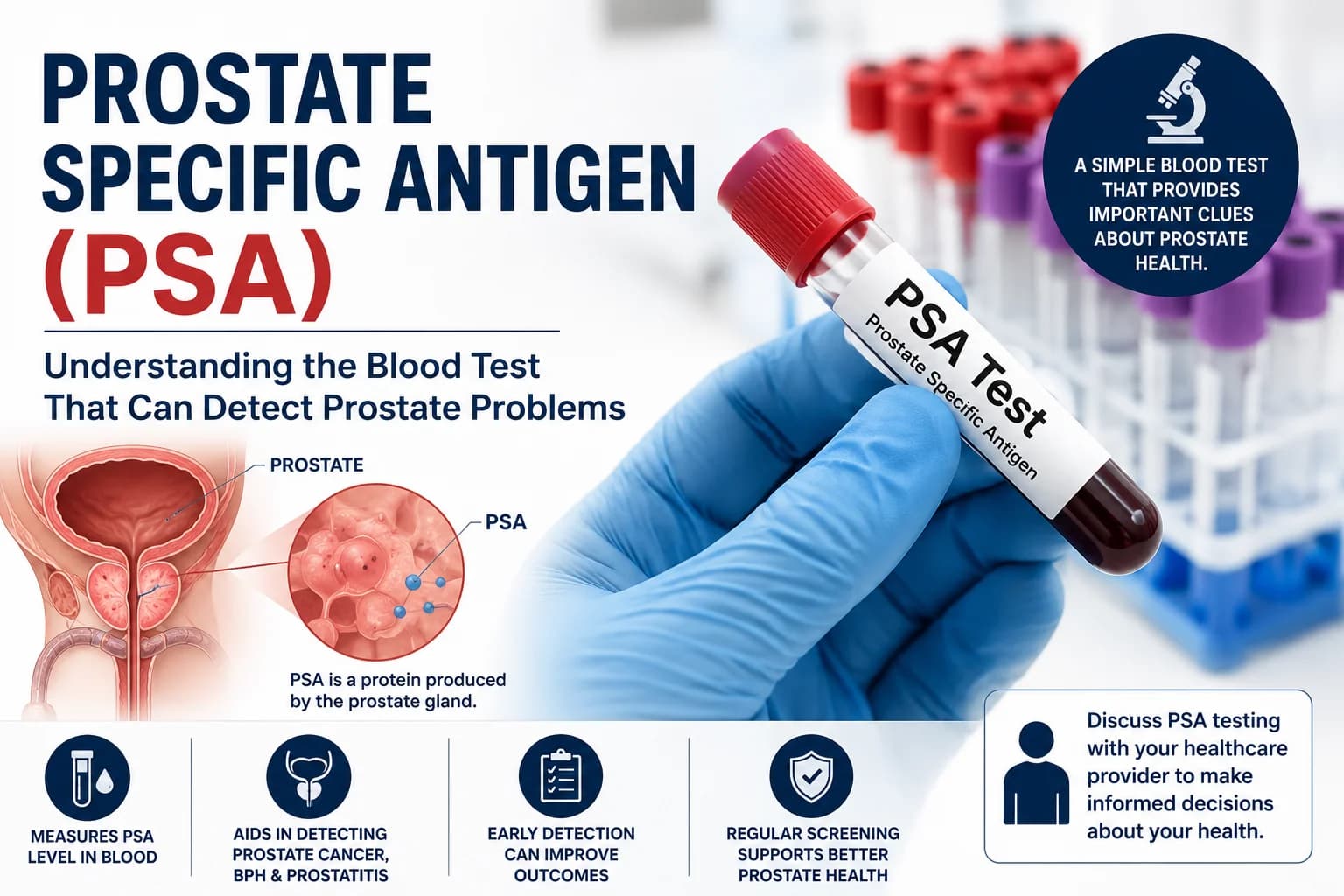
See how the PSA blood test works, what causes elevated PSA levels, and how this important laboratory test supports prostate health and early cancer detection.

Injury is an inherent risk of sport participation. Whether at elite or recreational level, athletes are exposed to physical loads that challenge tissue capacity and recovery.
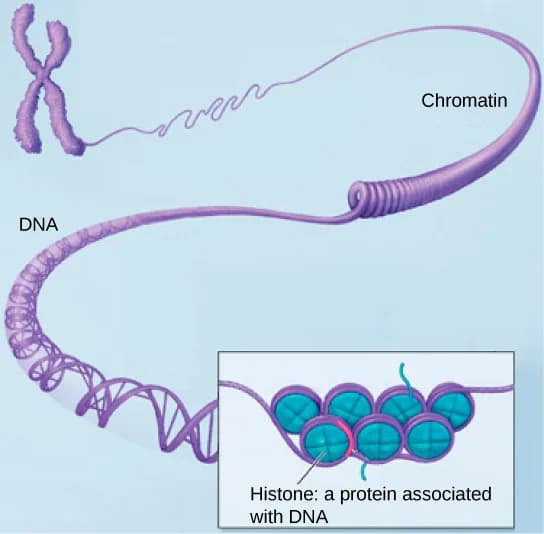
Epigenetics is transforming how scientists understand the bridge between genes and behavior, opening the door to a new era of mental health treatment.
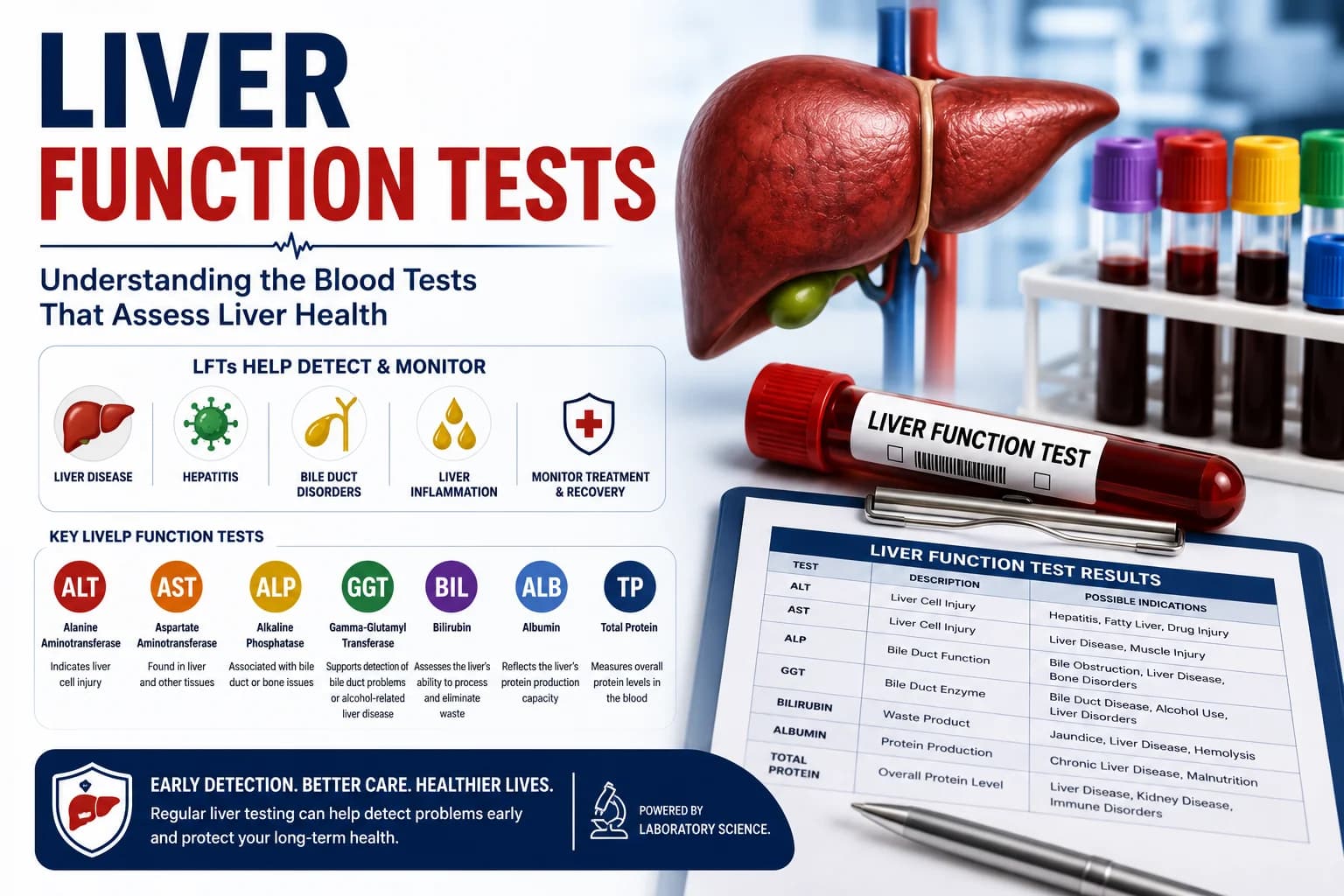
Understand how liver function tests assess liver health, what ALT, AST, bilirubin, ALP, albumin, and GGT measure, and why these blood tests matter.
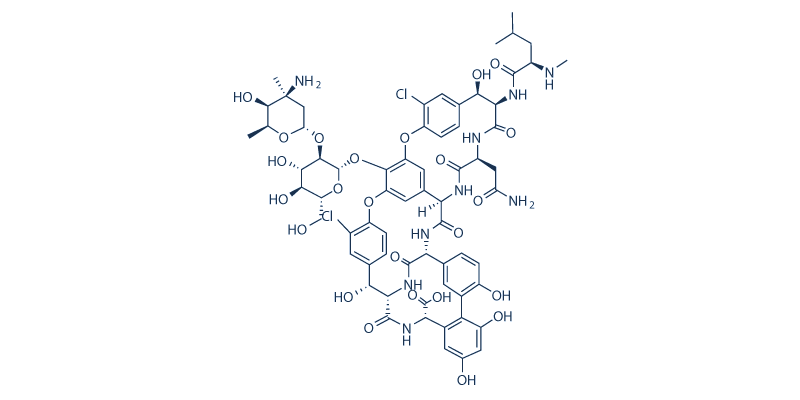
Vancomycin is an essential glycopeptide antibiotic used to treat life-threatening infections caused by Gram-positive bacteria, particularly Methicillin-Resistant Staphylococcus aureus (MRSA). It functions by inhibiting bacterial cell-wall synthesis and is still the most potent drug to be used when others fail (Patel, Preuss, & Bernice, 2023).
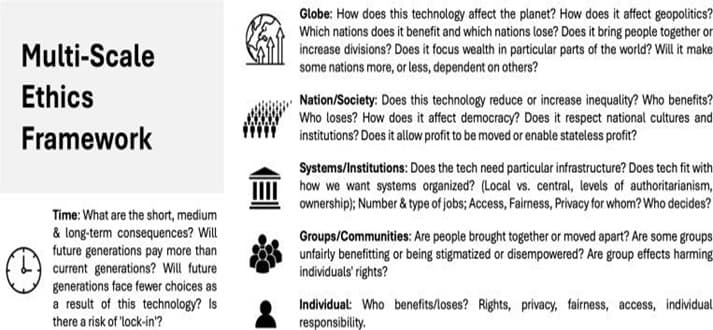
Artificial Intelligence AI with it’s widespread use in various sectors has also taken a dive into healthcare by transforming clinical practice and improving patient care.
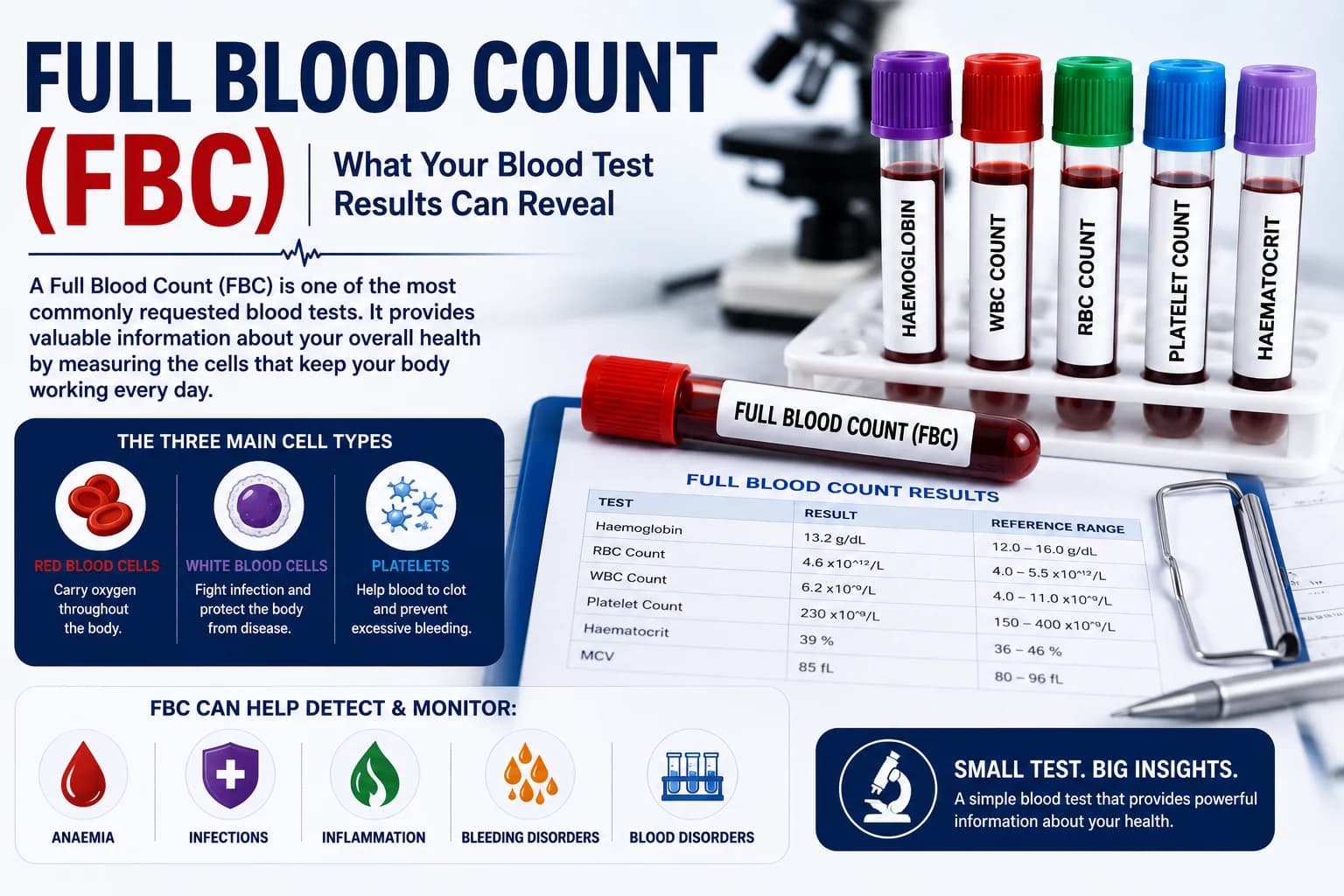
A Full Blood Count (FBC) is a blood test that measures different types of blood cells and related parameters, including red blood cells, white blood cells, platelets, haemoglobin, haematocrit and red blood cell indices. It can help healthcare professionals investigate conditions such as anaemia, infection, inflammation and certain blood disorders.
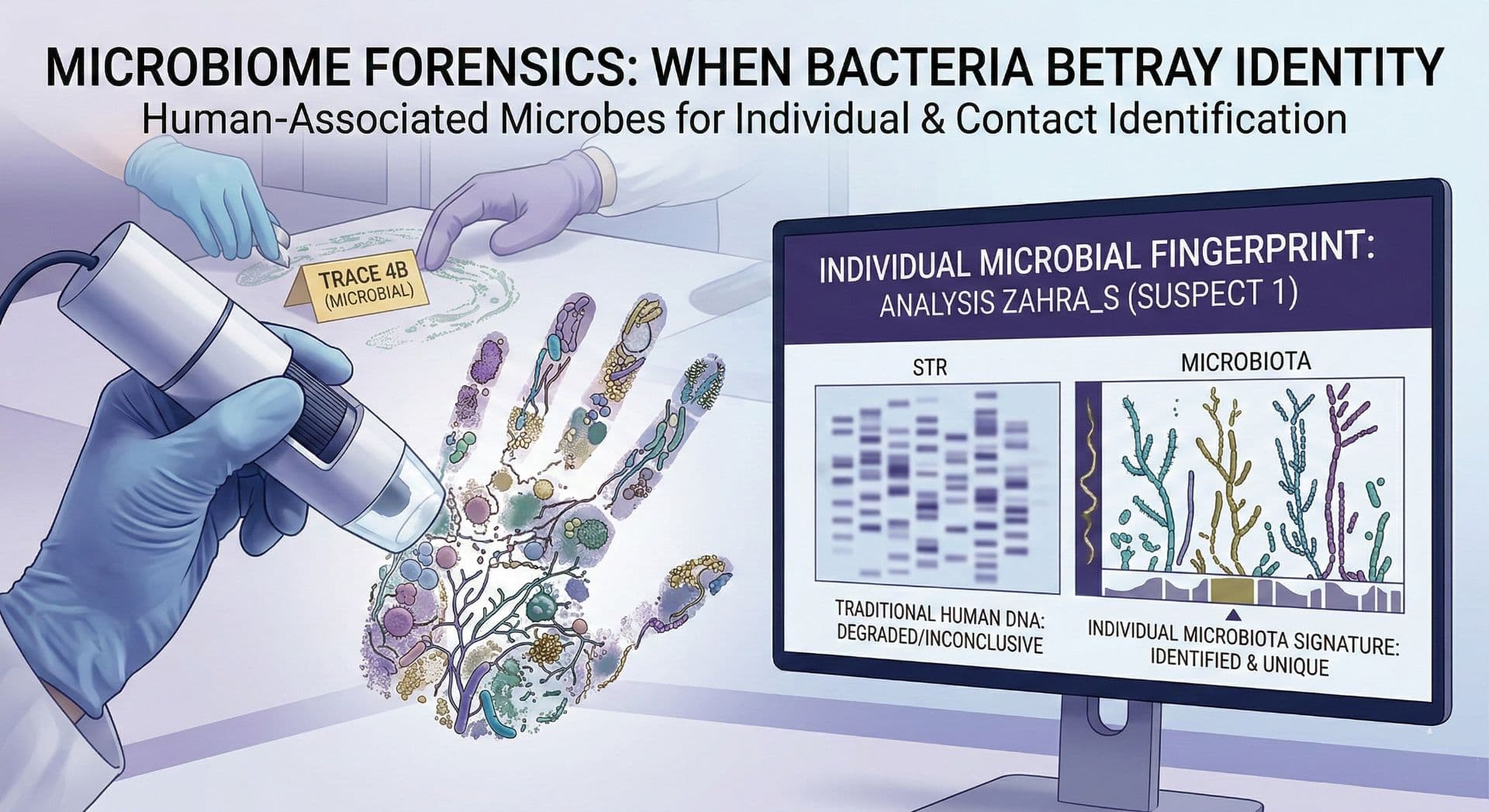
Traditionally, Forensic Science relies on Human DNA for contact evidence and individual identification, but limitation arises when the blood cells obtained from the crime scene are degraded or not.