
Health & Medicine
Nutritional Psychiatry: Food Is Medicine
Explaining The Reciprocity Between Your Brain and Your Belly For the past decade, the scientific community has increased its focus on mental health disorders including anxiety, depression,
Showing results for: "Patient Care" (87 results)
Explaining The Reciprocity Between Your Brain and Your Belly For the past decade, the scientific community has increased its focus on mental health disorders including anxiety, depression,

Hypertrophic cardiomyopathy (HCM) is a common genetic disorder in which the heart muscle becomes thicker and stiffer, a condition called hypertrophy. (1) The thickened heart muscle makes it harder for the heart to work properly. Many individuals with HCM do not realize that they have it.
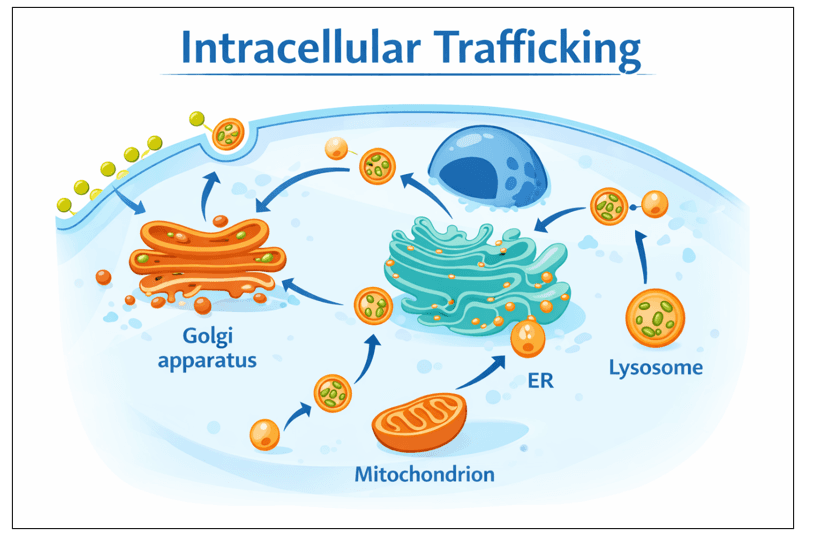
Discover how the SNAP29 gene guides cellular traffic, and how its mutation leads to CEDNIK syndrome, affecting brain, nerves, and skin.
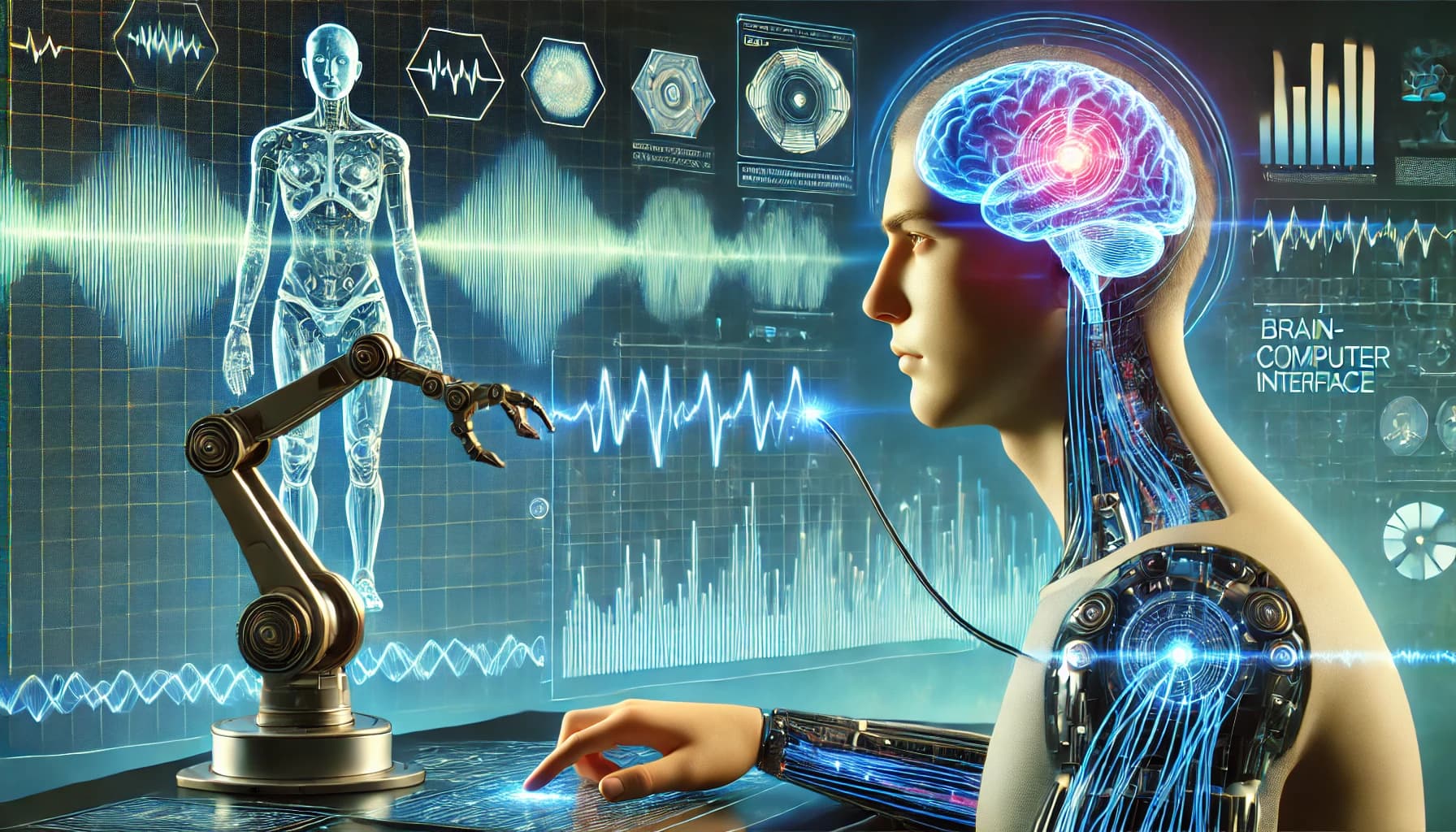
Imagine being able to control a computer, a prosthetic limb, or even a drone just by using your thoughts. This is not science fiction; it is now a reality thanks to brain-computer interfaces (BCIs). BCIs are groundbreaking systems that enable direct communication between the brain and external devices.
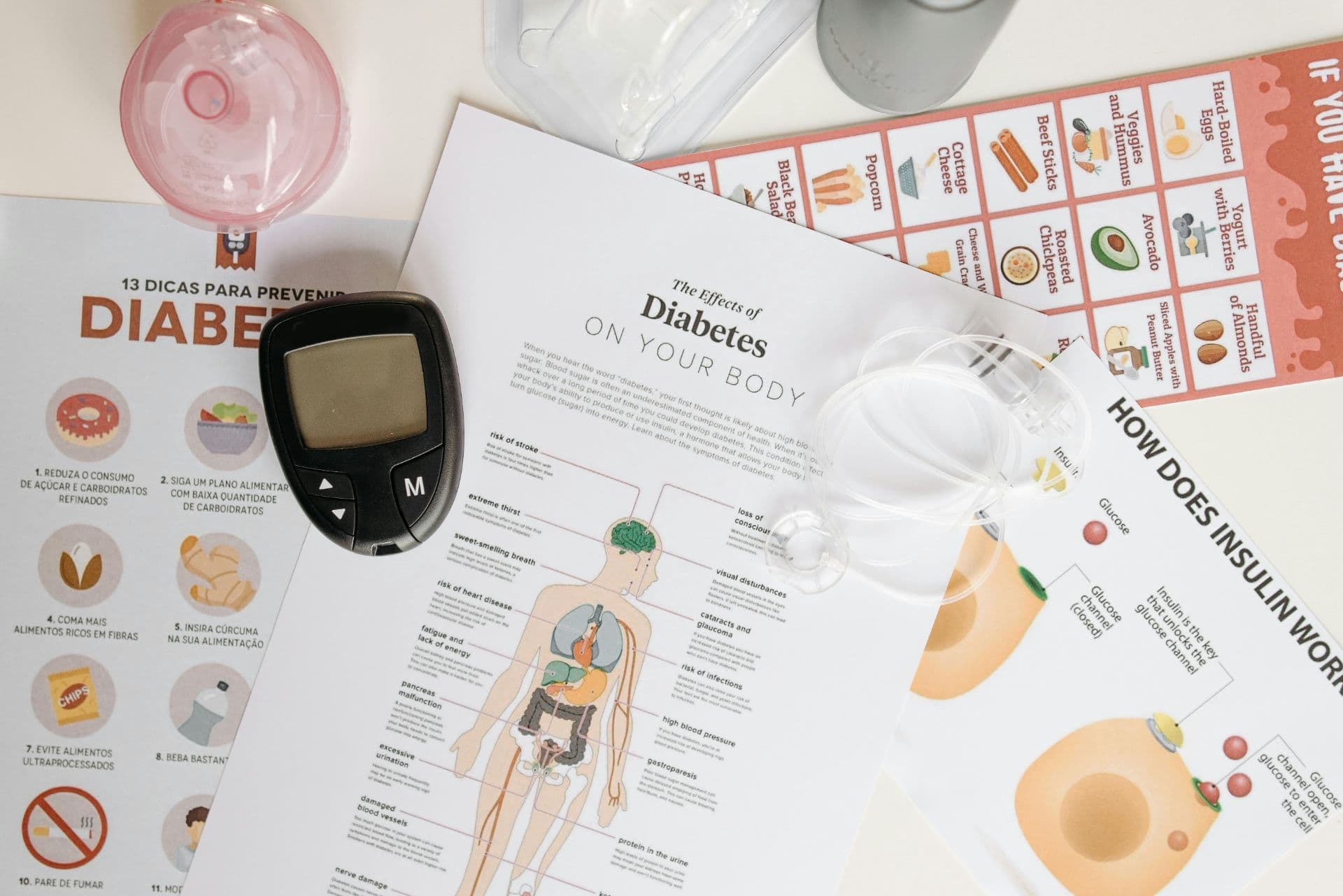
I have debunked certain myths surrounding diabetes and explained what it is in a way that is relatable and understandable to my readers. Upon reading the article, you will learn more about your body and what to look out for as well as the importance of routine checks in the lives of an individual.
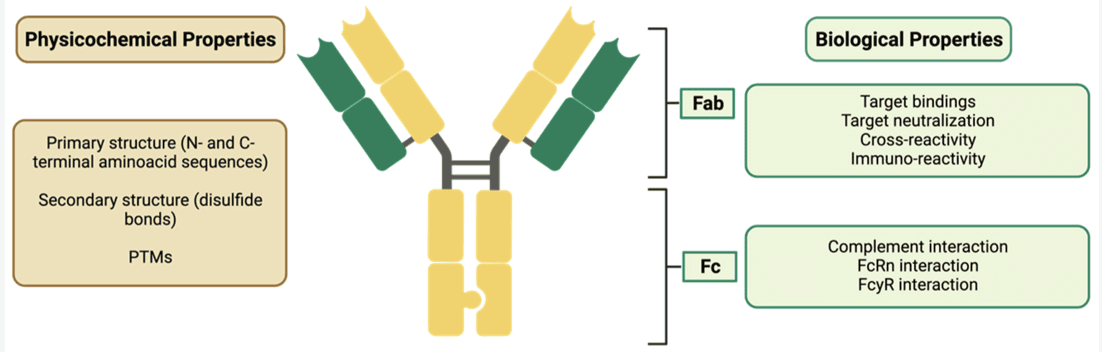
Biologics have transformed the management of chronic and life-threatening diseases such as cancer, autoimmune disorders, and metabolic conditions. However, their complexity, high production costs, and limited affordability continue to challenge healthcare systems worldwide.
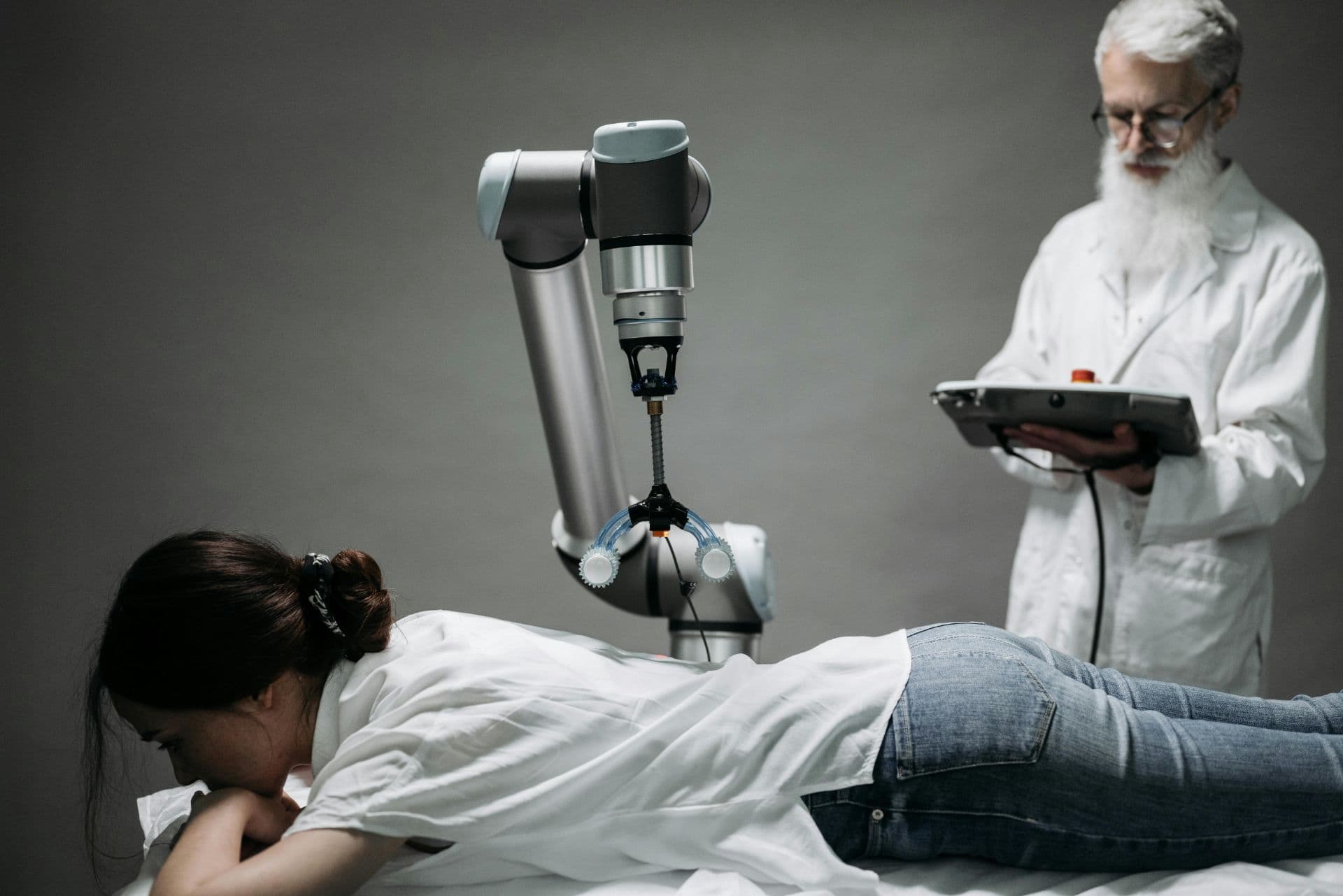
With the potential of AI tools revolutionizing the world of healthcare, there are ethical risk factors that need to be looked at before their implementation.
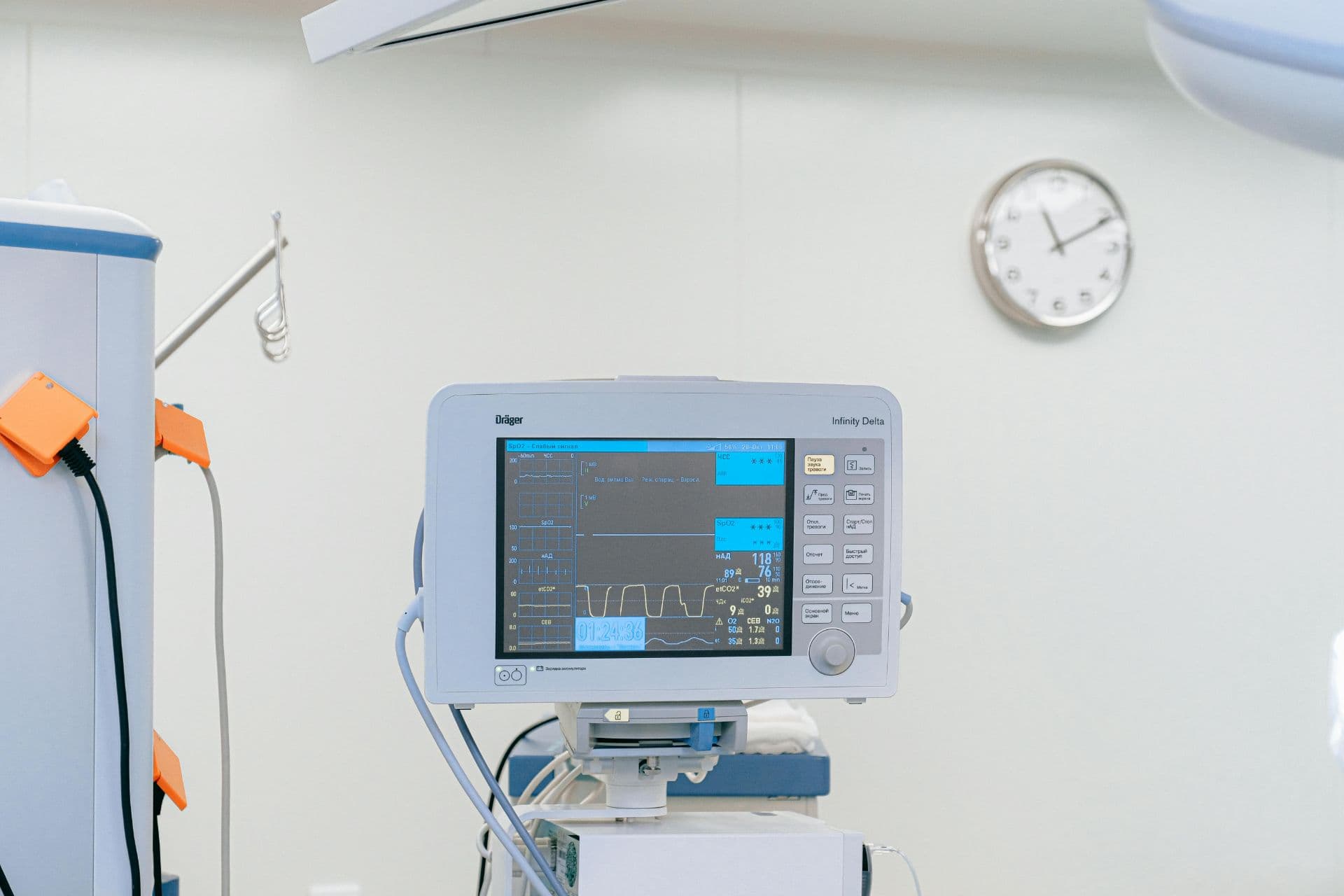
Title 21 Part 820 of the Code Of Federal Regulations (CFR) details the requirements for the design and production of medical devices. These strict, comprehensive requirements are in place for good reason, we want these devices to work.
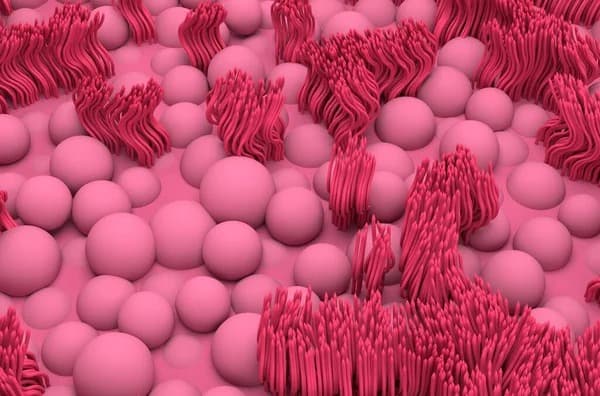
Why is mucus the biggest obstacle to lung drug delivery? Explore the mucosal barrier science reshaping how we design inhaled medicines and vaccines.
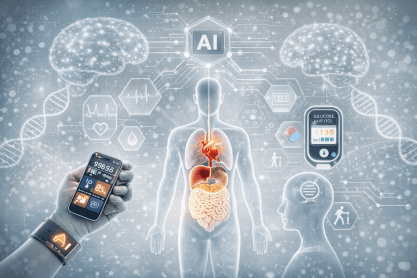
Can algorithms predict sickness before you feel it? Explore how AI is using smartwatch data and ECGs to detect diseases like Alzheimer's and AFib early.
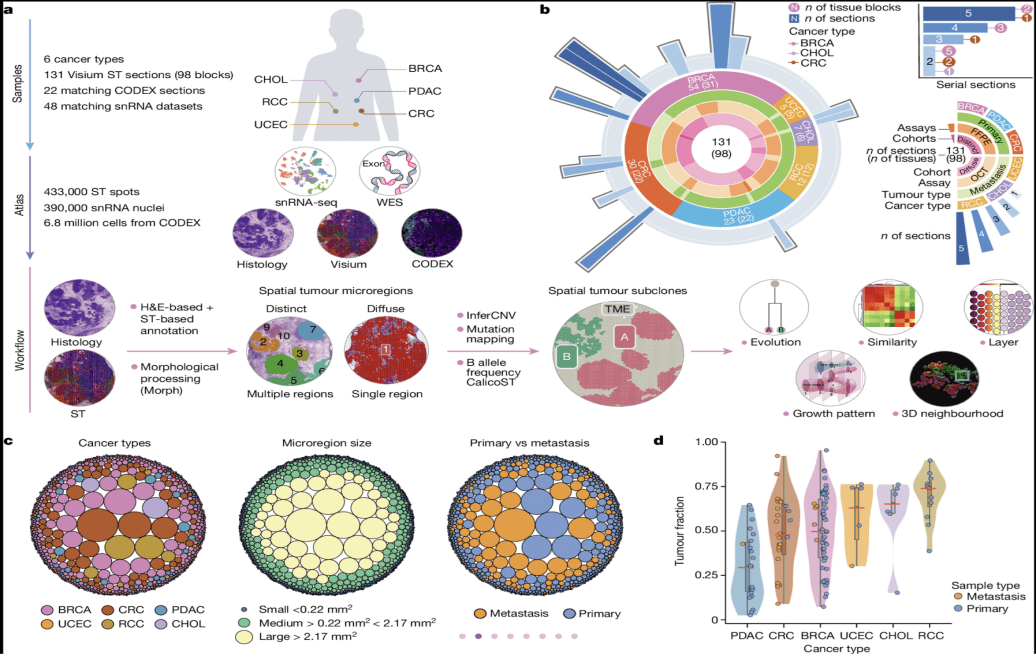
The tumor microenvironment (TME) is a complex and dynamic ecosystem composed of malignant cells, immune infiltrates, stromal elements, and vascular components that collectively influence tumor initiation, progression, immune escape, and therapeutic response. Traditional bulk transcriptomic approaches obscure this complexity by averaging gene expression across heterogeneous cell populations.

Injury is an inherent risk of sport participation. Whether at elite or recreational level, athletes are exposed to physical loads that challenge tissue capacity and recovery.
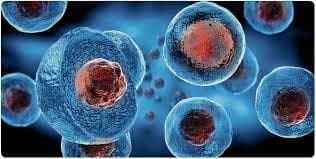
Stem cell therapy research is a promising area of interest for a number of scientists working to understand Parkinson’s disease and develop treatments for it. Read below to learn more about the advancements of stem cell therapy for Parkinson’s.
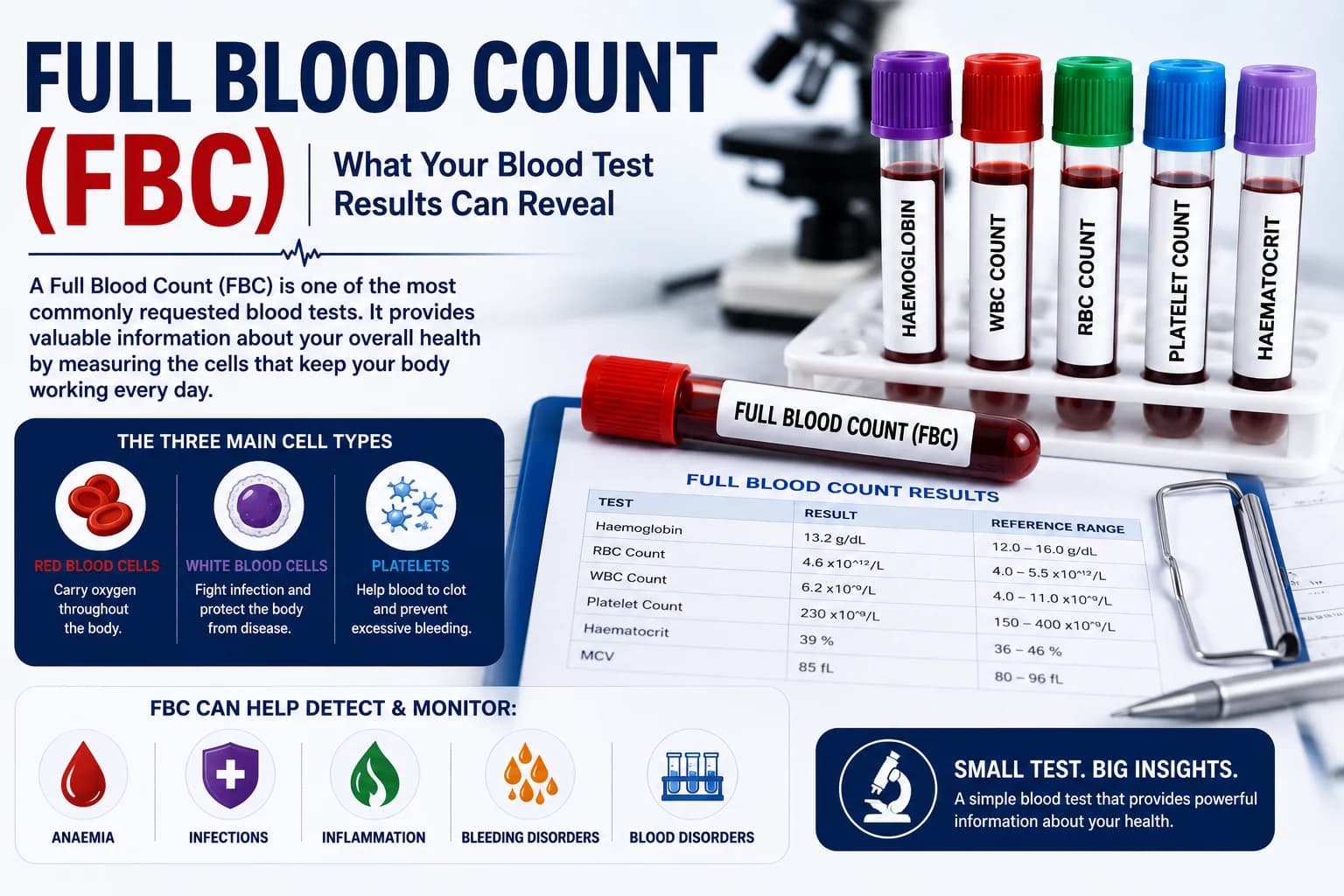
A Full Blood Count (FBC) is a blood test that measures different types of blood cells and related parameters, including red blood cells, white blood cells, platelets, haemoglobin, haematocrit and red blood cell indices. It can help healthcare professionals investigate conditions such as anaemia, infection, inflammation and certain blood disorders.
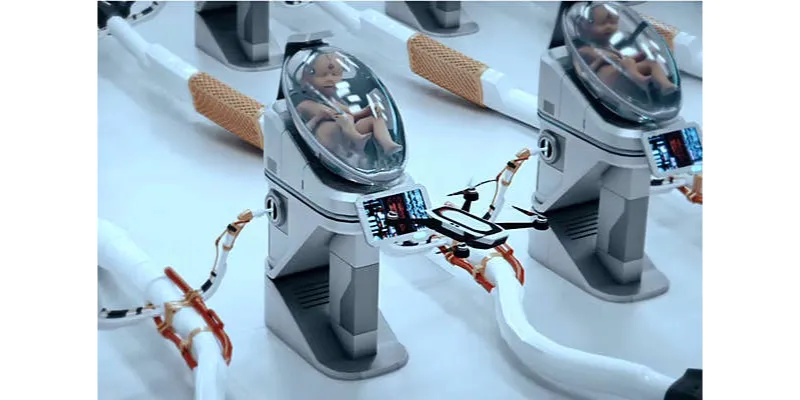
Artificial wombs, or ectogenesis, represent a revolutionary breakthrough in science that has the potential to change the future of reproductive health. By allowing embryos to grow completely outside the human body, this innovative technology mimics the nurturing environment of a natural womb.
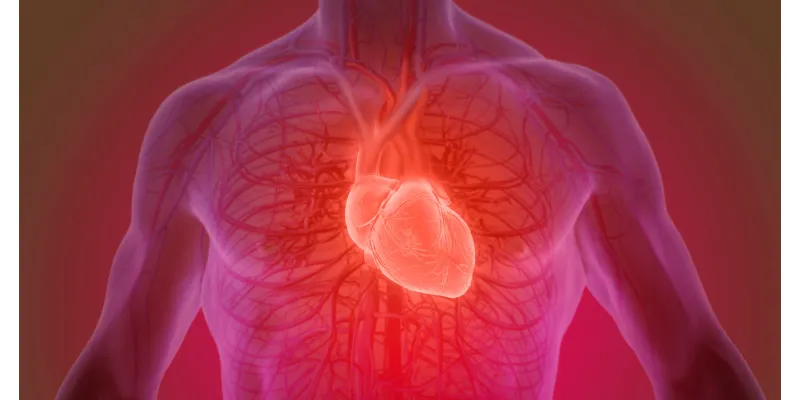
From innovative methods for cancer treatment to understanding the complexities of the human gut biome, these discoveries not only enhance our comprehension of the world but also lay the foundation for future groundbreaking advancements.

Haploinsufficient genes show how losing one gene copy can affect brain development, increasing risk for neurodevelopmental disorders and behaviour changes.
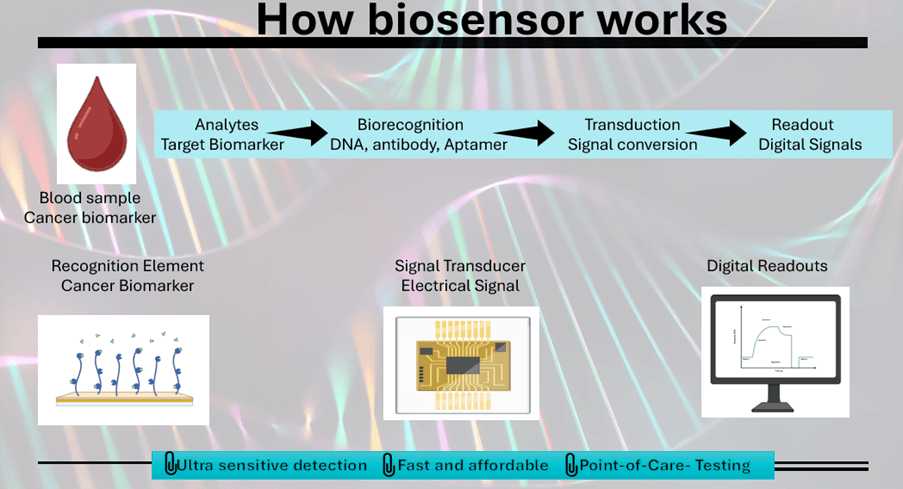
Ever wonder what it’s like if a tiny chip could detect cancer before symptoms appear. Biosensor technology is transforming cancer detection- earlier, faster and more accessible for people worldwide
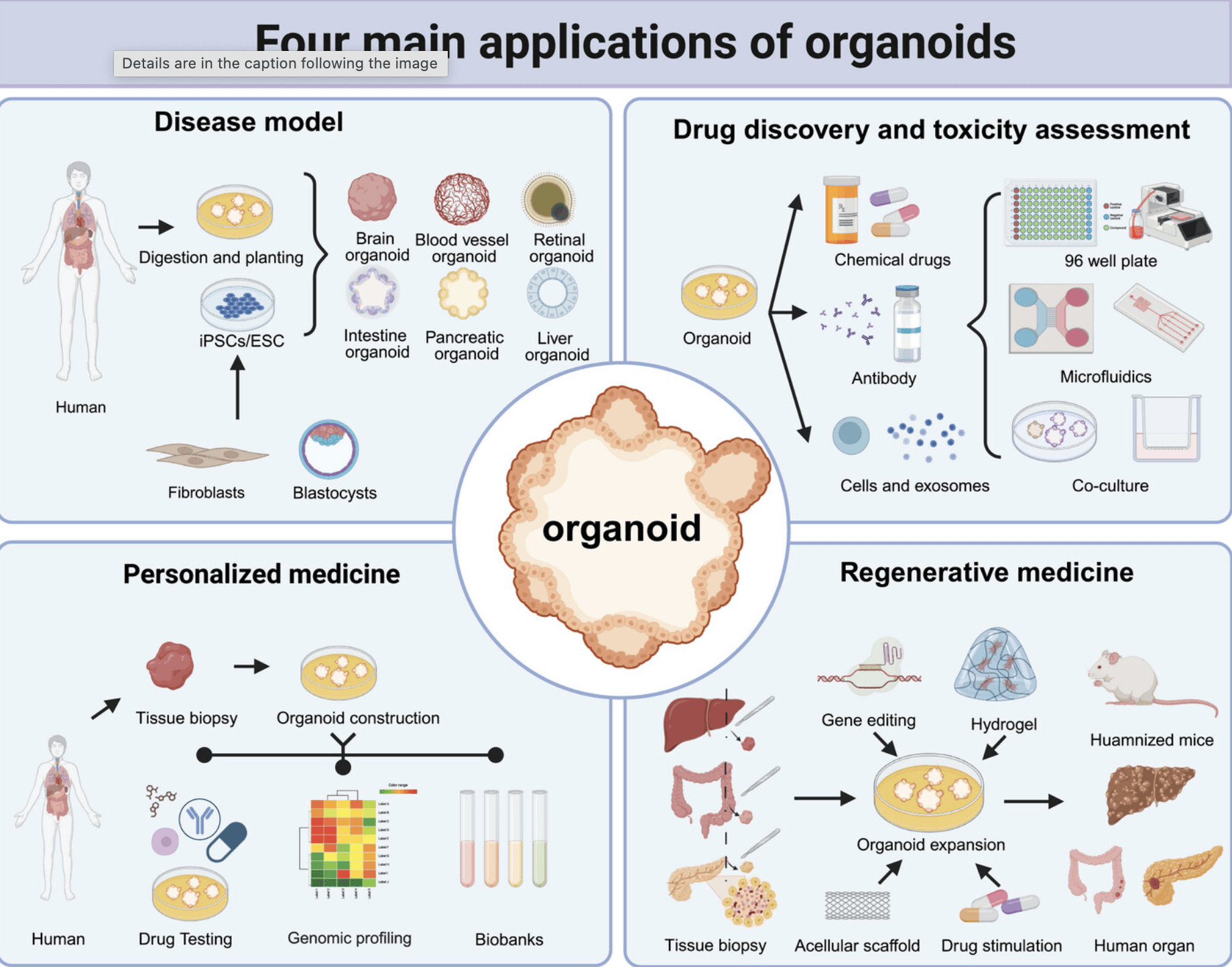
Animal models have traditionally served as the cornerstone of drug safety evaluation; however, major translational challenges persist due to interspecies differences in physiology, metabolism, and genetic regulation. Many compounds demonstrating favorable toxicity profiles in animals later fail during human trials or are withdrawn post-marketing due to unforeseen adverse effects, especially hepatotoxicity and cardiotoxicity (Lee et al., 2025).
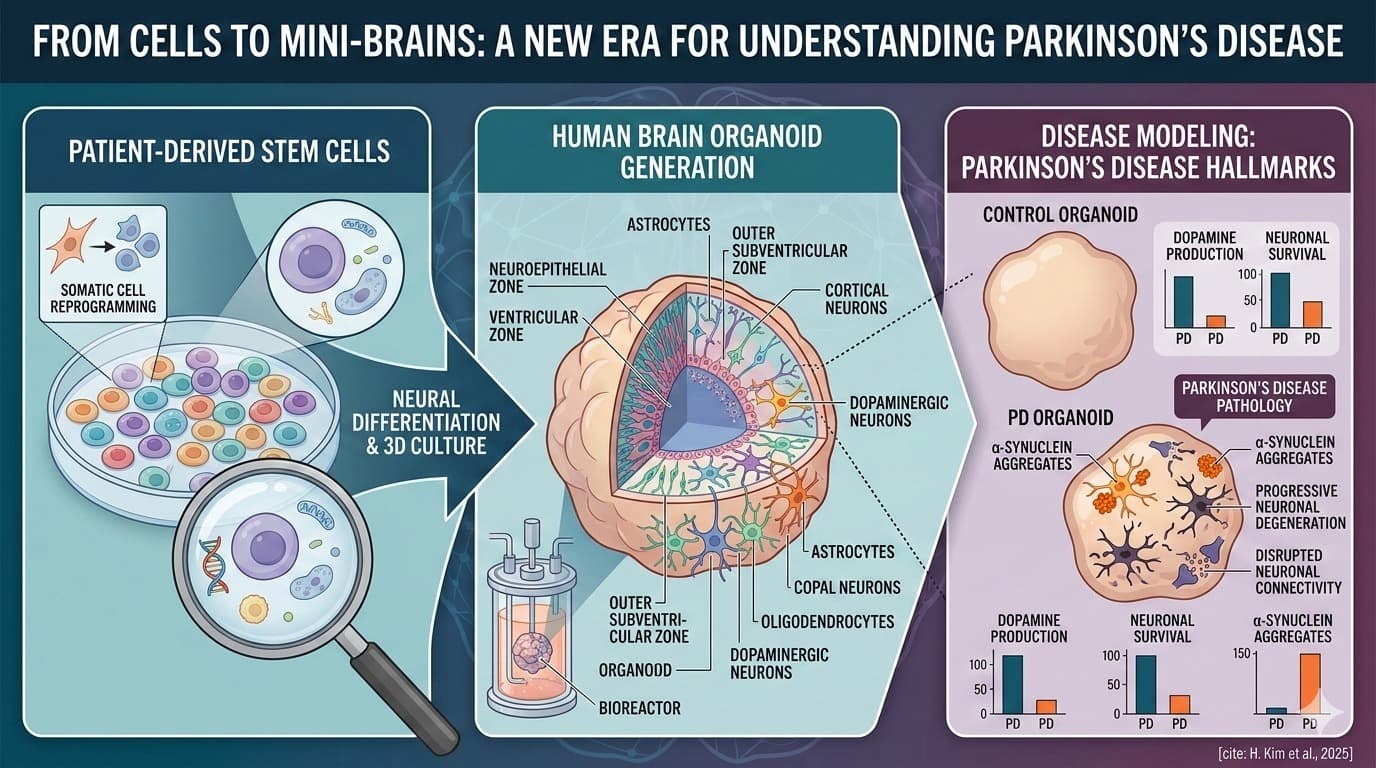
Understanding the human brain remains one of the greatest challenges in modern science. With billions of neurons forming intricate networks and constantly changing connections, the brain’s complexity makes it extremely difficult to study directly.