Discover Scientific Knowledge

Showing results for: "evidence-based" (82 results)

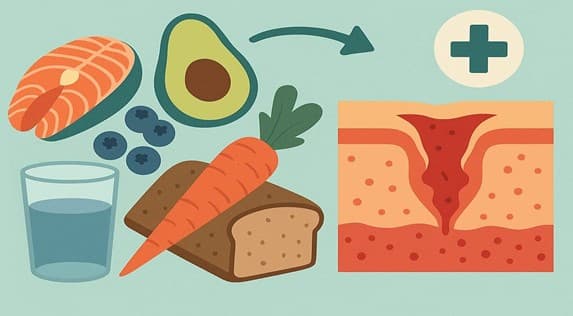
Nourishing Wounds: How Micronutrients Drive Healing
Health & Medicine

Nourishing Wounds: How Micronutrients Drive Healing

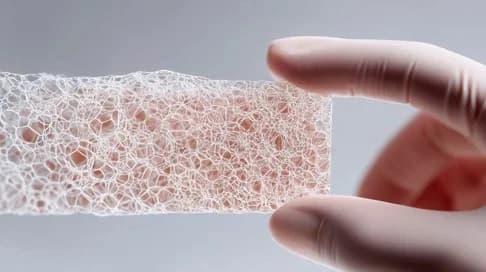
Wound healing is a complex and dynamic biological process that occurs through four overlapping phases: hemostasis, inflammation, proliferation, and maturation. To repair tissue damage, the body works intensively, thereby significantly increasing cellular metabolic demands.

The Science of Addiction: Digital Dopamine and the Attention Economy
Science & Research

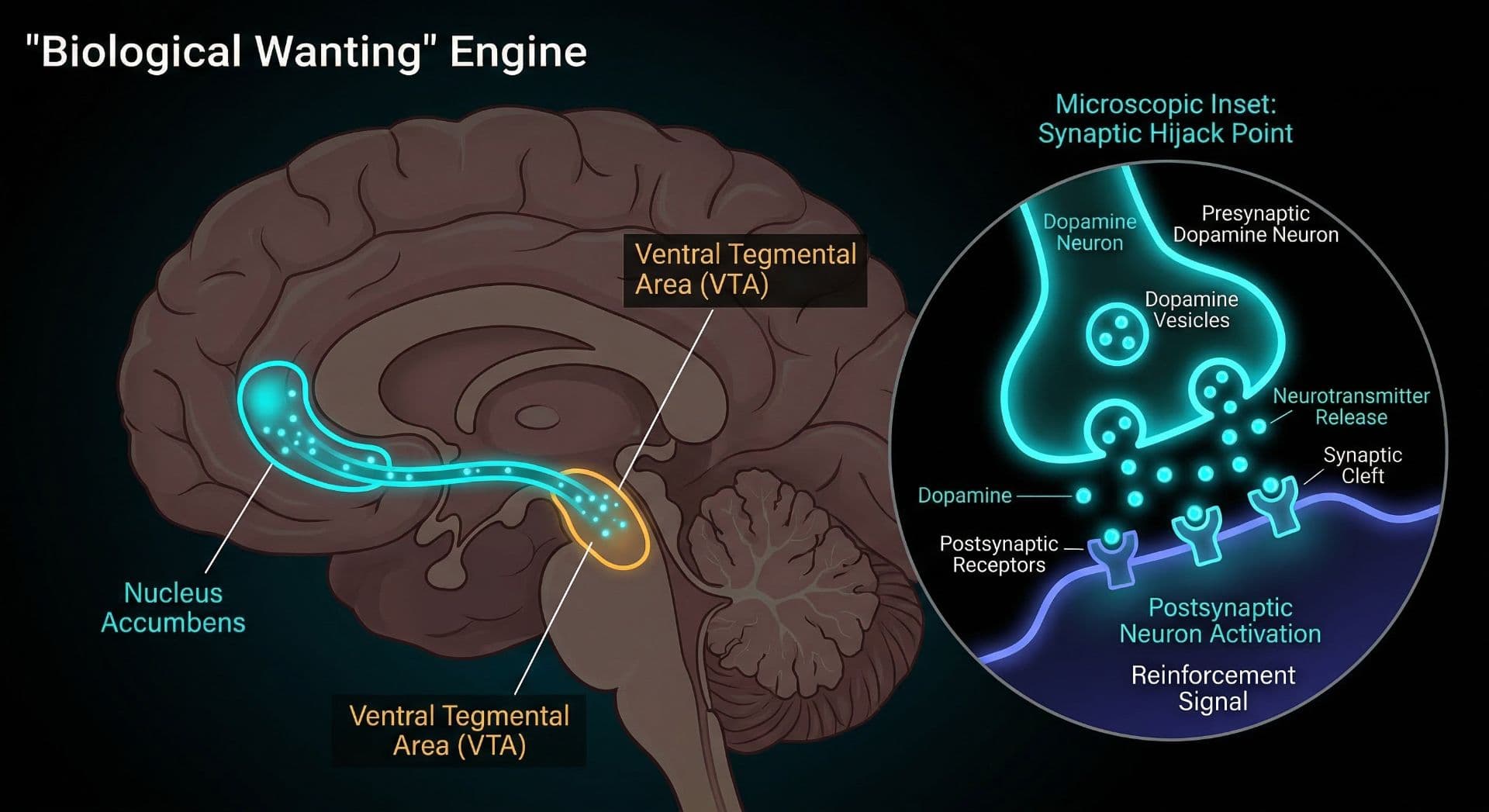
The Science of Addiction: Digital Dopamine and the Attention Economy

Have you ever intended to check a single notification, only to realize forty minutes have vanished into an endless scroll? In 2026, privacy is no longer just about your data; it is about your thought process. Is your next choice truly yours, or has a 'Digital Twin' already made it for you

Why Physical Laws Hold Locally but Become Ambiguous Across Regimes
Science & Research

Why Physical Laws Hold Locally but Become Ambiguous Across Regimes

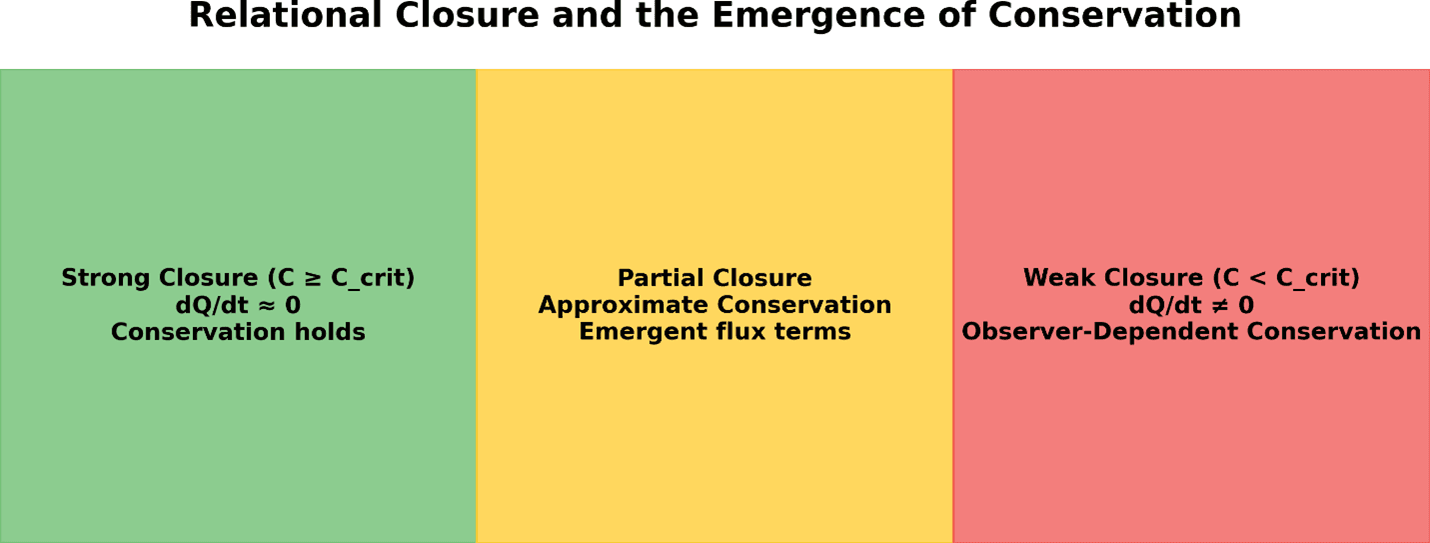
Physical quantities and laws emerge from the geometry, coherence, and flow of relational fields. A central idea is relational closure: high-coherence domains form effectively closed regions where stable invariants can persist.

Study Finds Sleeping in the Dark is Good for Your Cardiovascular Health
Health & Medicine

Study Finds Sleeping in the Dark is Good for Your Cardiovascular Health

According to a study, sleeping in a dark room works wonders for your heart. During sleep, ambient light can put stress on the brain that causes arterial inflammation, which may again lead to a stroke or heart attack. Let us delve into and explore the study further.

Scanxiety: What is it and how to cope with it?
Health & Medicine

Scanxiety: What is it and how to cope with it?

Many times, individuals feel fearful or extremely worried about cancer testing. The regular tests and scans that patients living with any cancer diagnosis have to undergo, to monitor their condition, can make them feel anxious before, during, or after a scan or a follow-up test