From Liquid To Powder: The Spray-Drying Revolution In Medicine
How a 150-year-old food industry technique became essential for creating stable biologics and inhaled medicines, transforming liquid drugs into life-saving powders.
Showing results for: "human biology" (92 results)

How a 150-year-old food industry technique became essential for creating stable biologics and inhaled medicines, transforming liquid drugs into life-saving powders.

Discover how AI is reshaping radiology, from faster diagnoses to improved accuracy, and what this means for patients and healthcare professionals.

Animal models have traditionally served as the cornerstone of drug safety evaluation; however, major translational challenges persist due to interspecies differences in physiology, metabolism, and genetic regulation. Many compounds demonstrating favorable toxicity profiles in animals later fail during human trials or are withdrawn post-marketing due to unforeseen adverse effects, especially hepatotoxicity and cardiotoxicity (Lee et al., 2025).

Artificial Intelligence AI with it’s widespread use in various sectors has also taken a dive into healthcare by transforming clinical practice and improving patient care.

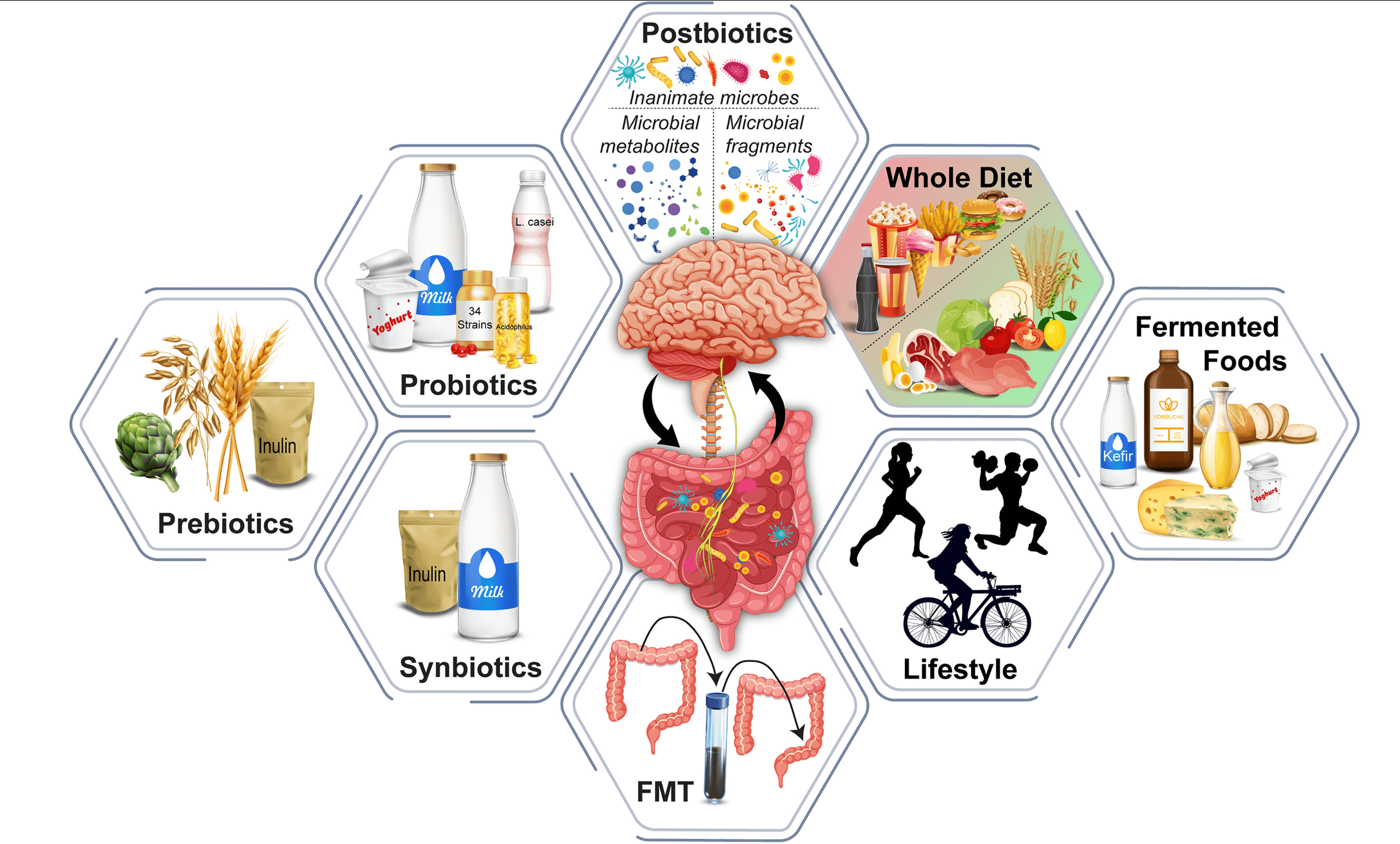
The gut microbiomeover 100 trillion microorganisms, communicates with the brain via the gut–brain axis, influencing mood, cognition, immunity, and stress regulation. Dysbiosis is linked to depression, anxiety, autism spectrum disorders, and neurodegenerative diseases, emphasizing its critical role in mental and neurological health.

Tuberculosis (TB) remains one of the world's deadliest infectious diseases, claiming over a million lives each year. TB is the deadliest infectious disease known today, claiming more lives than COVID-19. TB is caused by the bacterium Mycobacterium tuberculosis. TB spreads through the air when infected people breathe, cough, sneeze,

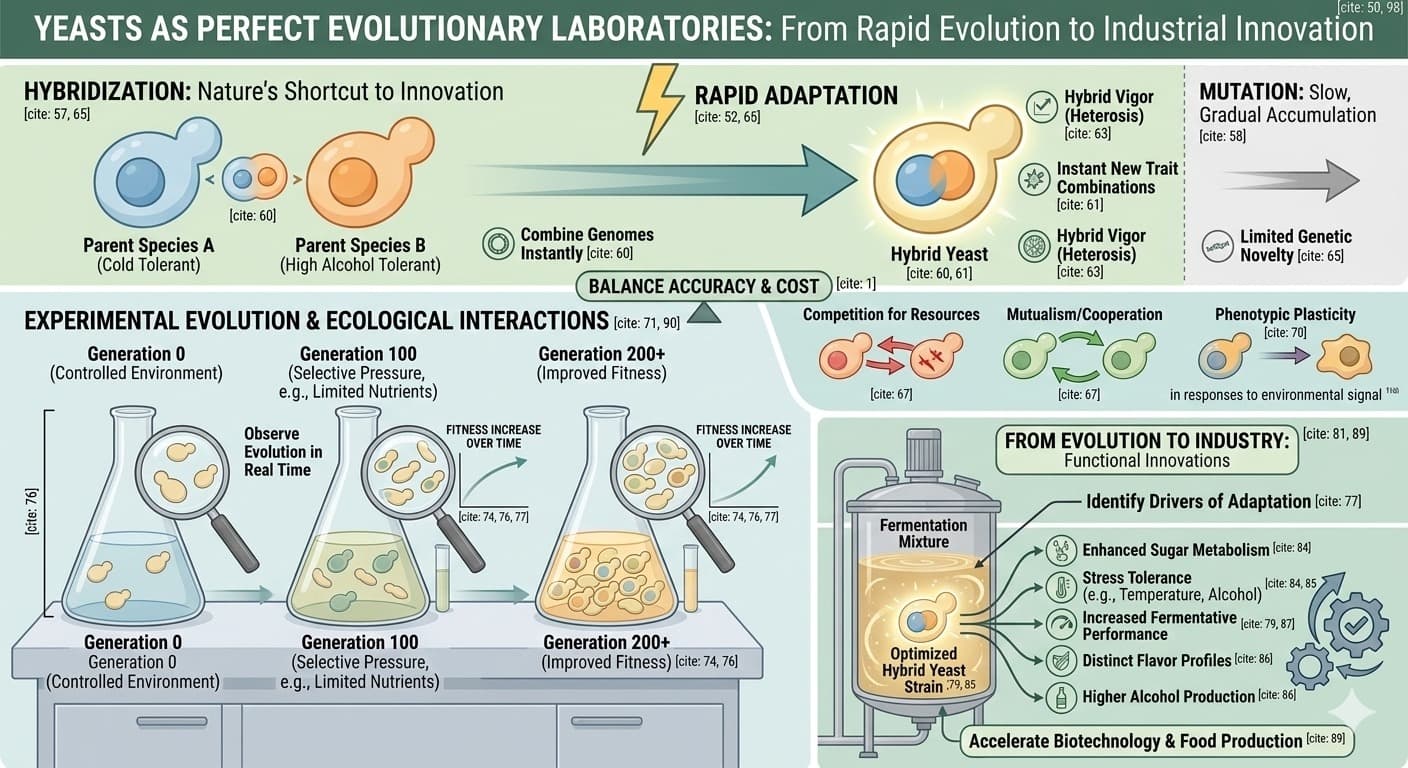
Evolution is often imagined as a process that unfolds over millions of years. However, in microorganisms such as yeasts, evolutionary changes can occur much more rapidly. Yeasts reproduce quickly, populations grow to large sizes, and genetic variations can spread through generations in a short time.

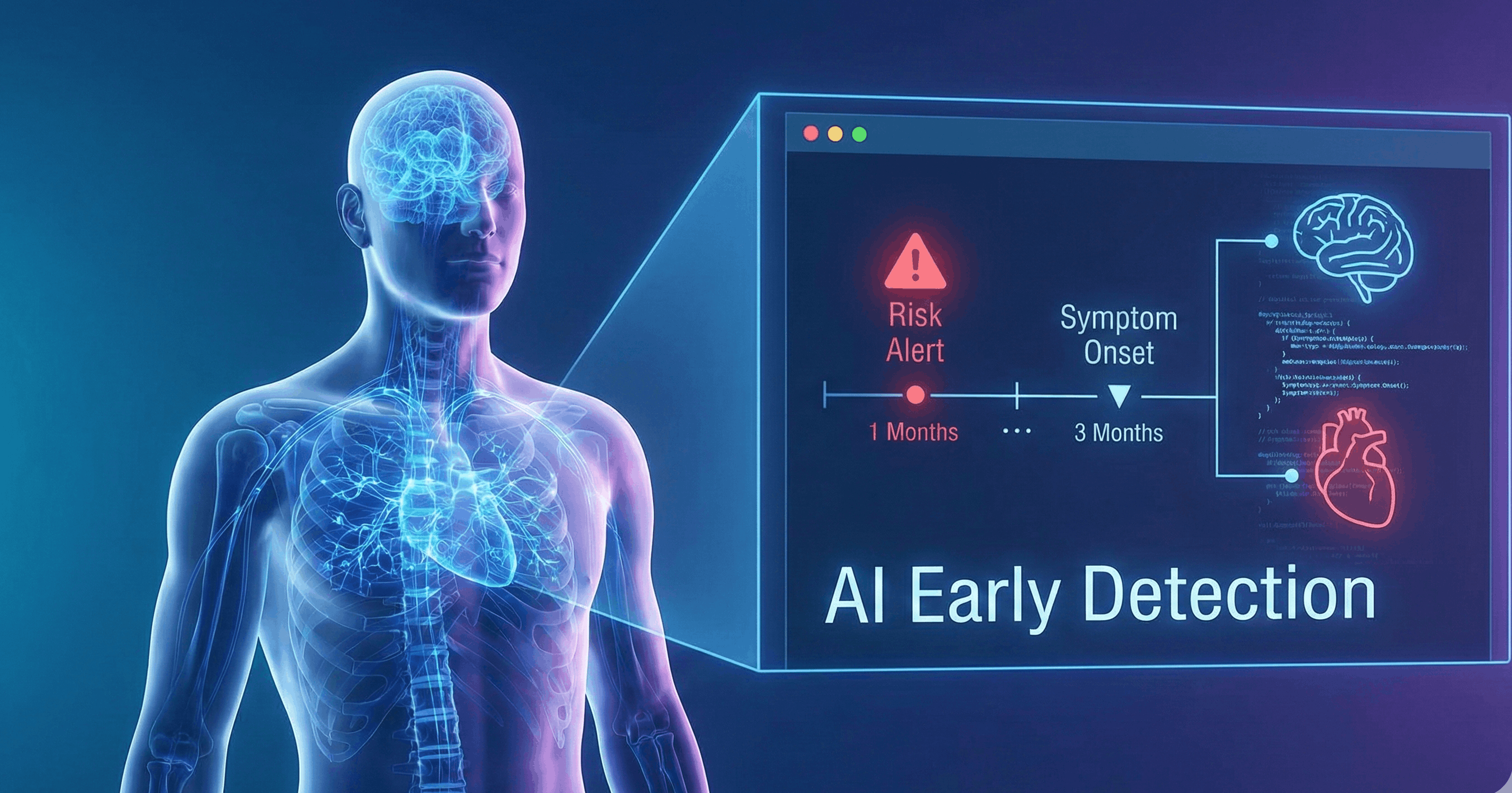
Modern healthcare is undergoing a silent revolution. Now to treat a disease in the healthcare system, there is no longer a need to wait for symptoms to appear.

Scientific advancement drives growth, productivity, and long-term global competitiveness in advanced economies.

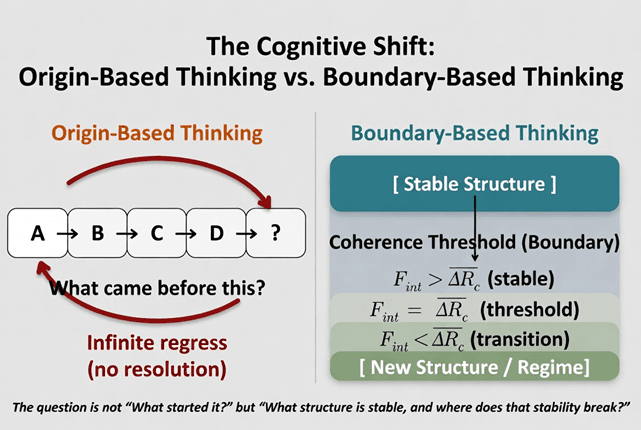
Using a simple childhood observation as the starting point, we show how shifting from origin-based to boundary-based thinking resolves infinite regress and opens a clearer way to engage with fundamental concepts in physics, time, and existence

In Sci-fi visions of distant futures, some imagine sprawling intergalactic civilizations. Scaffolds built around stars harvesting their energy. Fusion reactors, cyborgs, superintelligent implants. But the future of artificial bones, though perhaps more mundane, could be a life saving science.

Natural polysaccharides like locust bean gum and chitosan are replacing lactose as safer, more effective carriers for inhaled medications and vaccines.

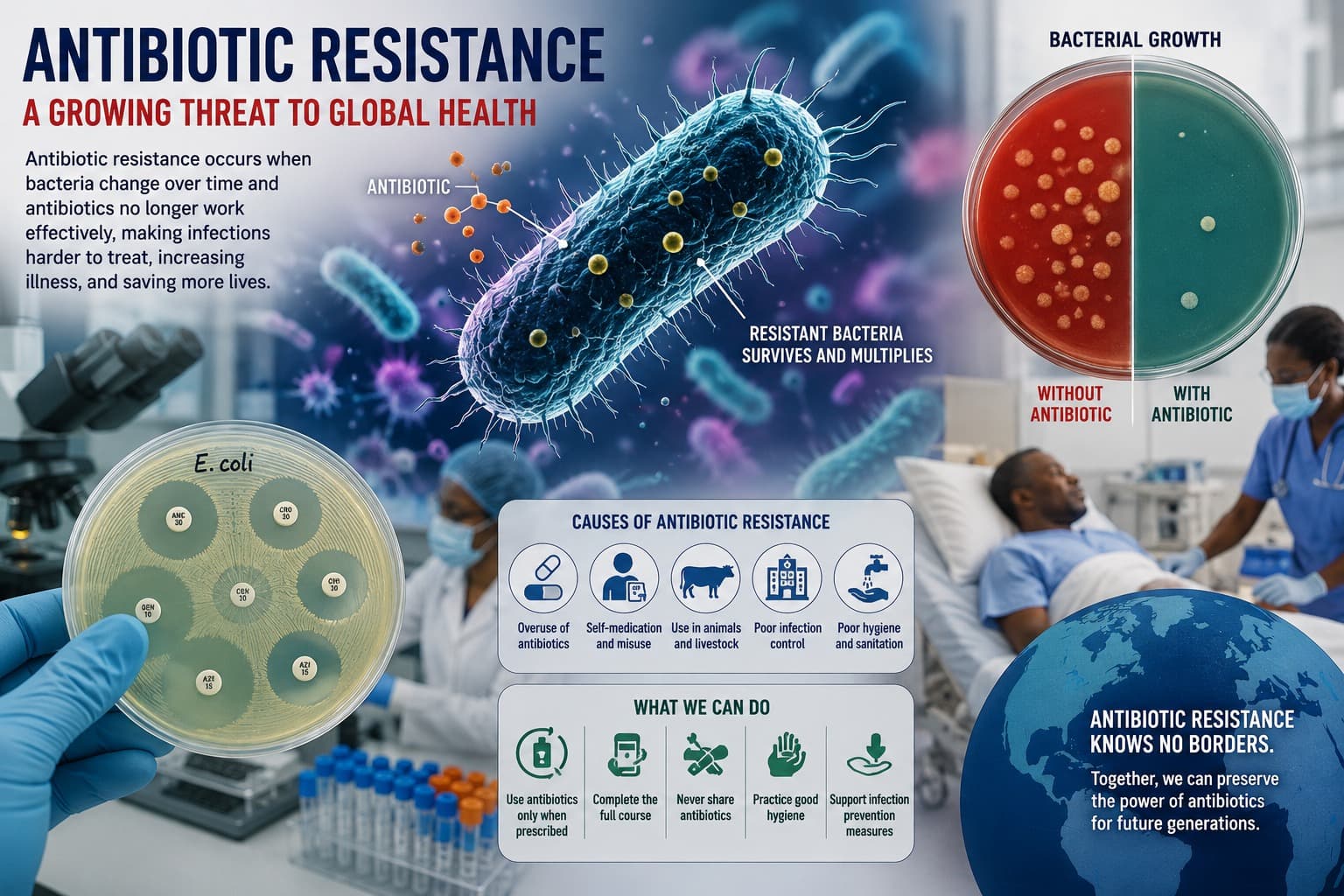
Antibiotic resistance is making common infections hard to treat. Learn why it happens, how it affects communities in Nigeria and beyond, and what we can do to protect these life-saving medicines.

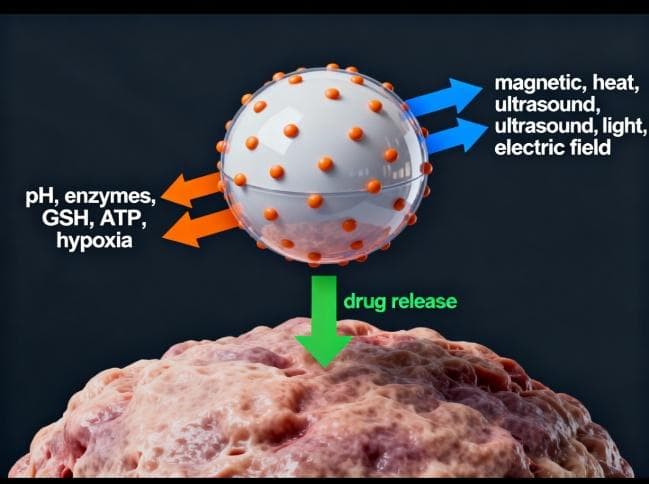
Nanotechnology is having a big impact on pharmaceutical sciences, and drug delivery systems are one area where this is most evident. Compared to conventional medication delivery methods, nanoparticles provide a number of benefits, including increased effectiveness and fewer adverse drug reactions.

Stem cell therapy research is a promising area of interest for a number of scientists working to understand Parkinson’s disease and develop treatments for it. Read below to learn more about the advancements of stem cell therapy for Parkinson’s.

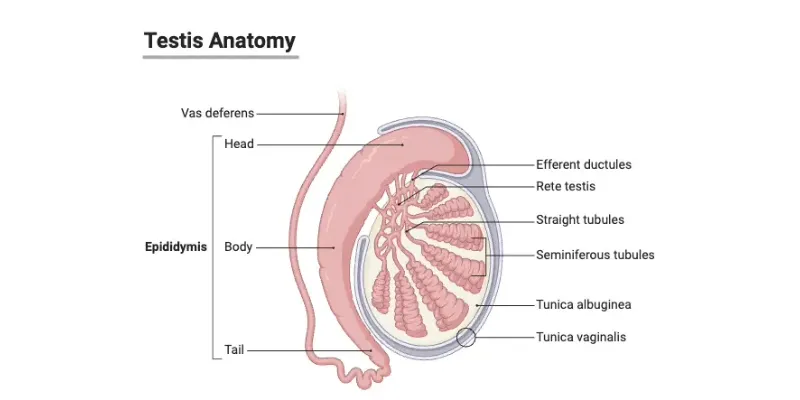
These innovative testes, derived from meticulously cultured mouse cells, closely mimic the structure of natural testes, featuring the complex network of sperm tubes essential for reproduction.

A low-energy dynamical approach could give companion AI the gift of long-term relational memory - especially valuable for eldercare.

With the potential of AI tools revolutionizing the world of healthcare, there are ethical risk factors that need to be looked at before their implementation.

Imagine being able to control a computer, a prosthetic limb, or even a drone just by using your thoughts. This is not science fiction; it is now a reality thanks to brain-computer interfaces (BCIs). BCIs are groundbreaking systems that enable direct communication between the brain and external devices.

What allows anything stable to exist at all? Before objects, laws, or equations can be described, something more basic must occur: something must persist long enough to be identified. This shifts the focus from what exists to the conditions under which anything can exist stably.