
Science & Research
What Is Tissue Engineering and How Does It Work?
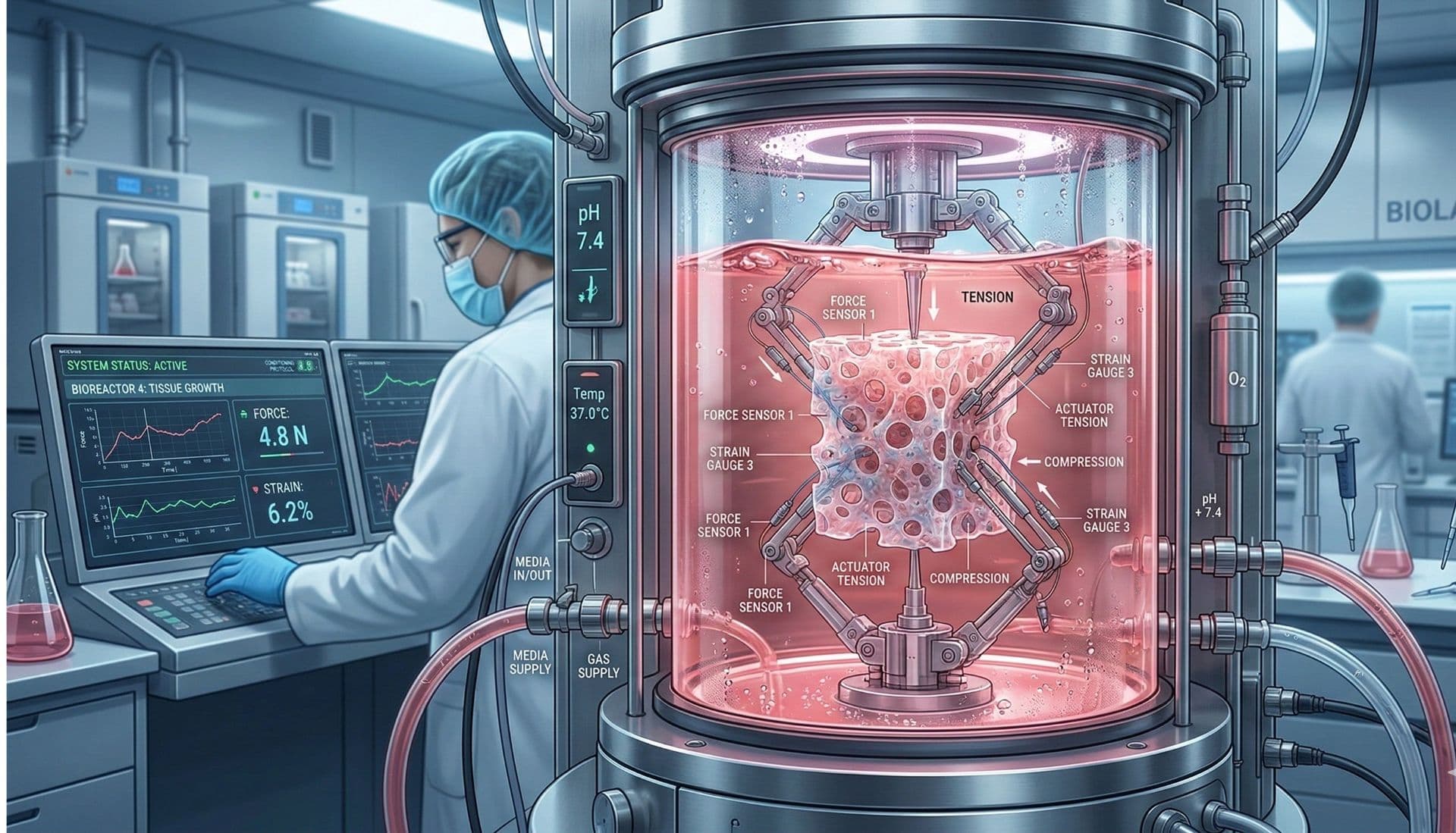
A future without transplant waitlists? Tissue engineering blends biology and engineering to build living, functional human tissue.
Showing results for: "process" (86 results)
A future without transplant waitlists? Tissue engineering blends biology and engineering to build living, functional human tissue.
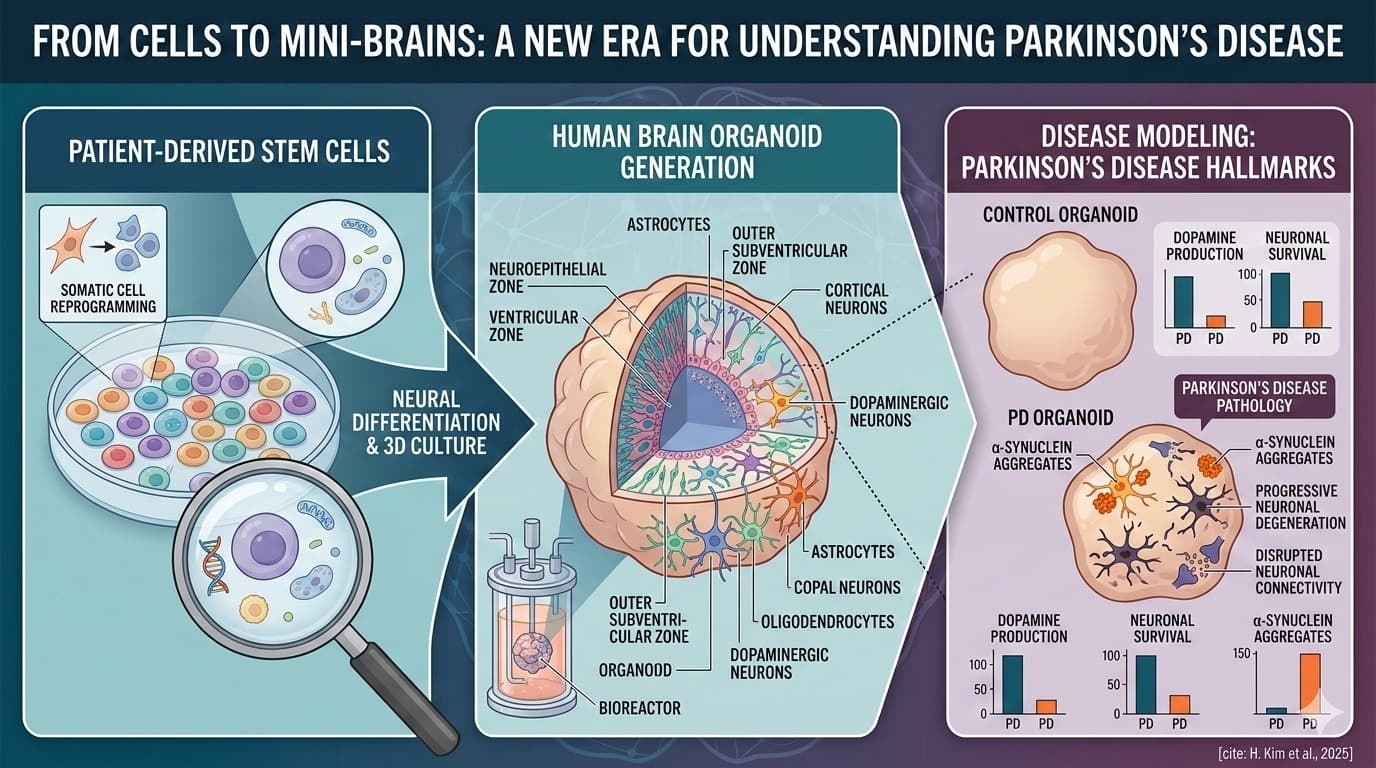
Understanding the human brain remains one of the greatest challenges in modern science. With billions of neurons forming intricate networks and constantly changing connections, the brain’s complexity makes it extremely difficult to study directly.
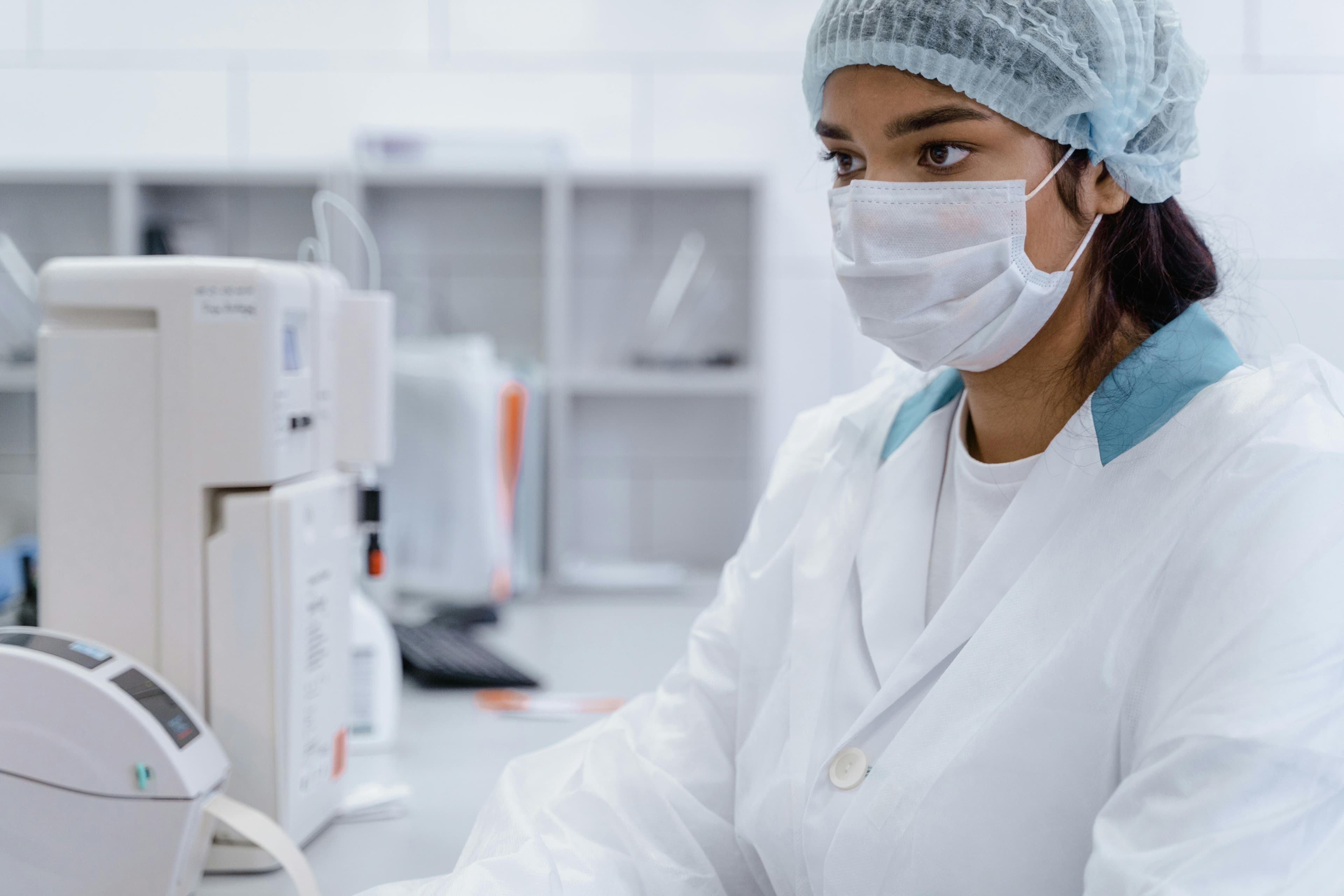
This article aims to demystify the anatomy of a clinical trial protocol, peeling back the technical layers to reveal how scientific rigor is converted into medical progress. At ScientistsHub, we often ask: How do we ensure that a medical breakthrough is not just a stroke of luck, but a repeatable, verifiable victory for human health? The answer is found in the design. To truly appreciate the result of any trial, one must first master the architecture of the inquiry.
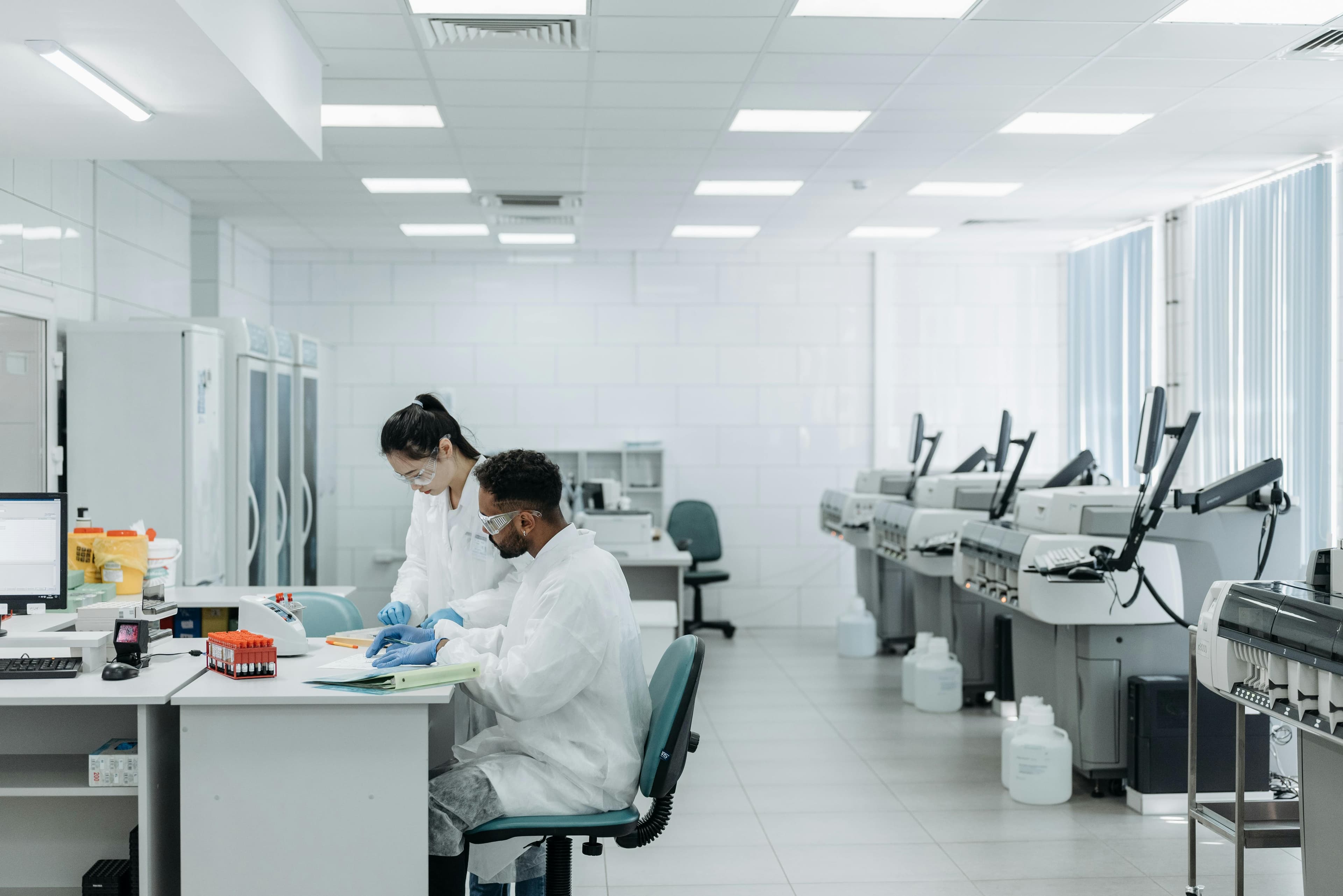
This article will unlock that box, exploring the crucial process of translating complex clinical trial evidence into clear, understandable information for everyone. We'll journey from the surprising origins of clinical trials to the modern-day push for transparency, and discover why making science accessible is not just a convenience, but a necessity for public trust and informed health decisions.
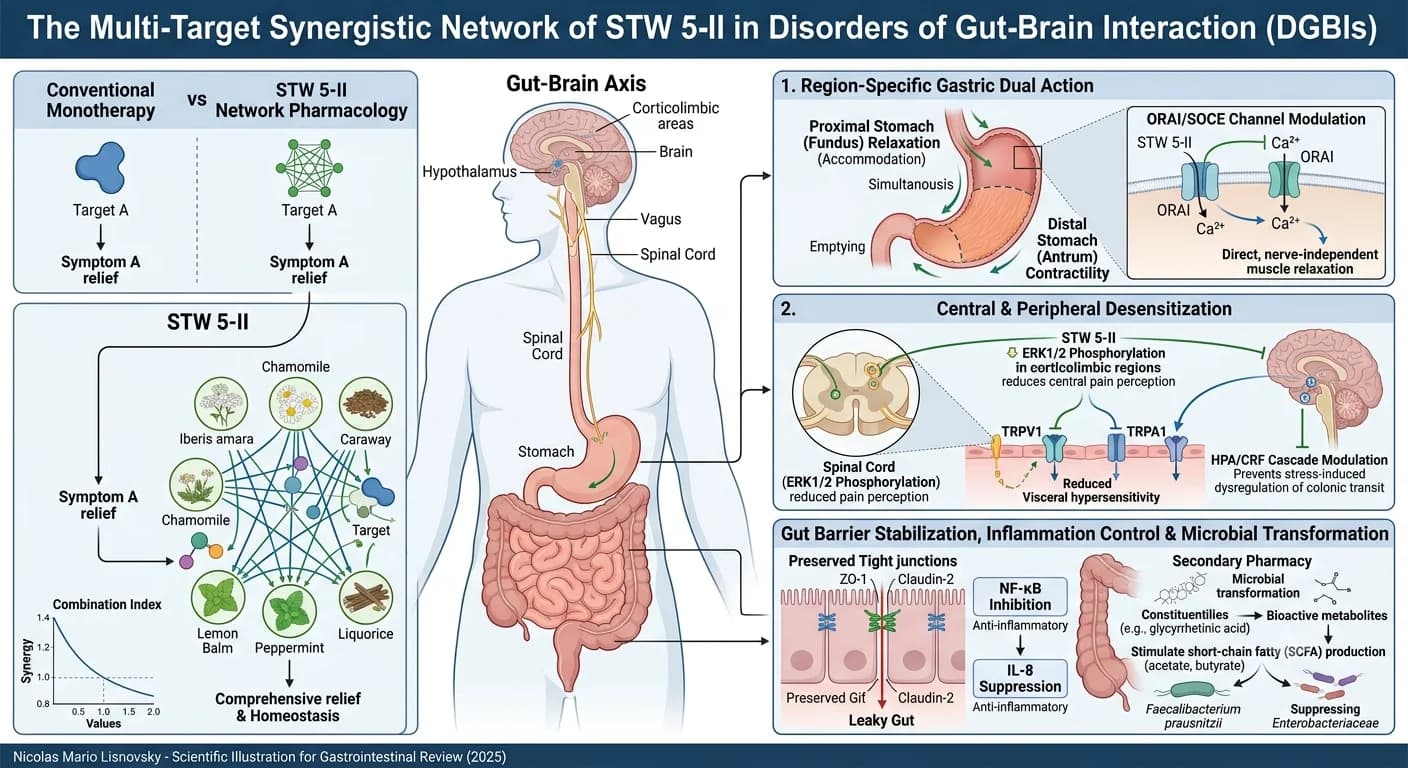
Disorders of Gut–Brain Interaction (DGBIs), such as Functional Dyspepsia (FD) and Irritable Bowel Syndrome (IBS), present a formidable clinical impasse due to their profoundly heterogeneous and multifactorial nature.
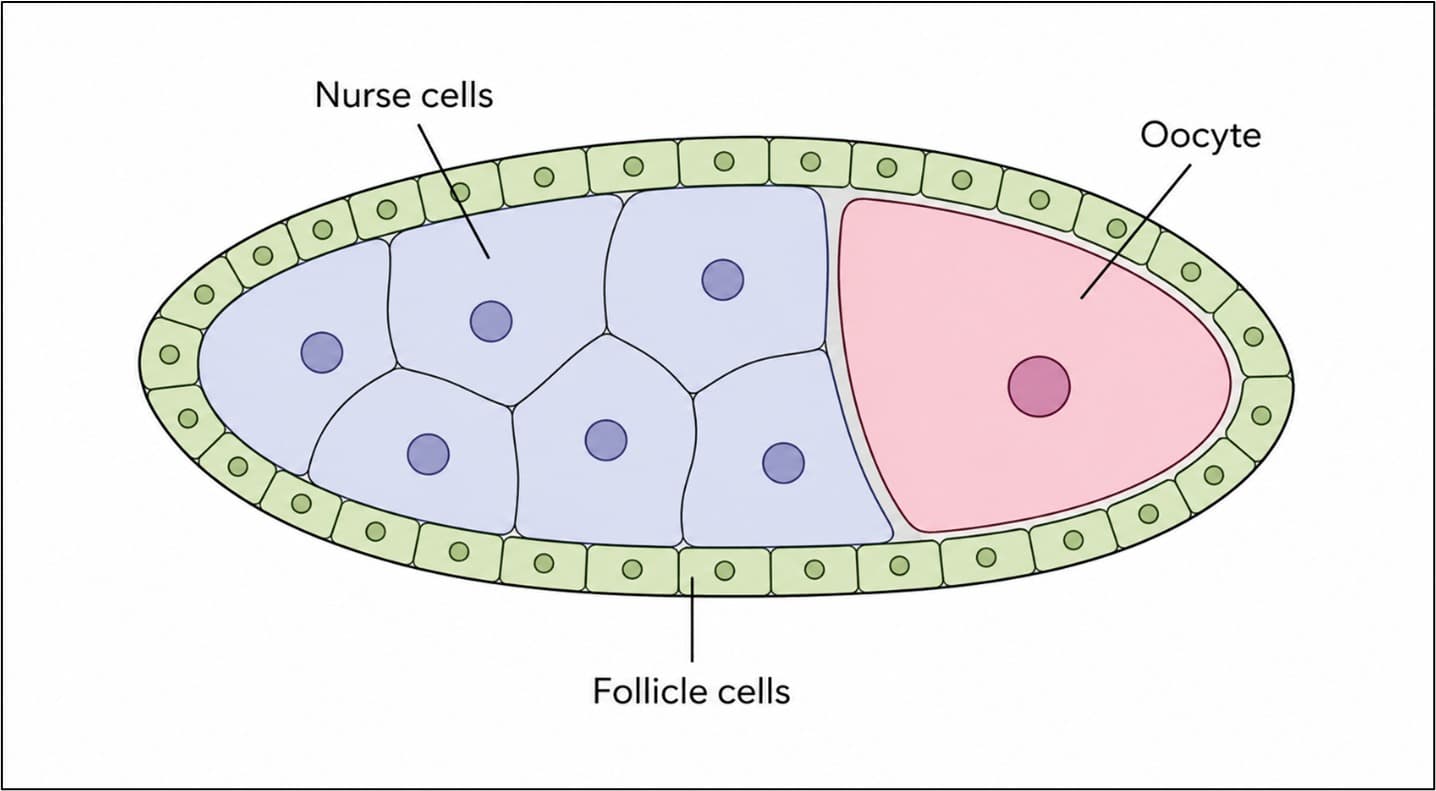
How does one egg form? Inside the fruit fly ovary, discover how cells organize, migrate, and cooperate to turn an egg chamber into one egg—step by step
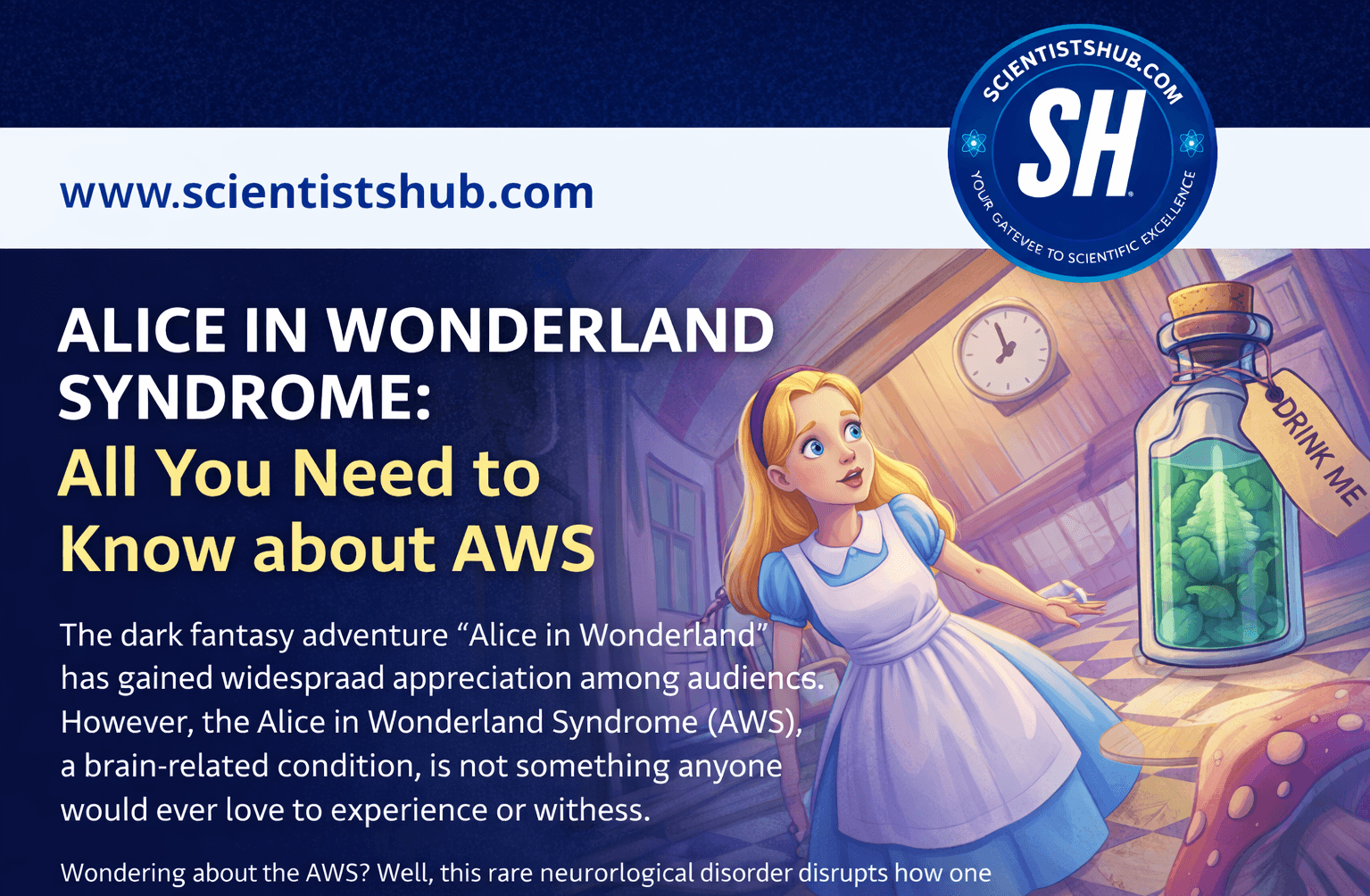
The dark fantasy adventure “Alice in Wonderland” has gained widespread appreciation among audiences. However, the Alice in Wonderland Syndrome (AWS), a brain-related condition, is not something anyone would ever love to experience or witness.
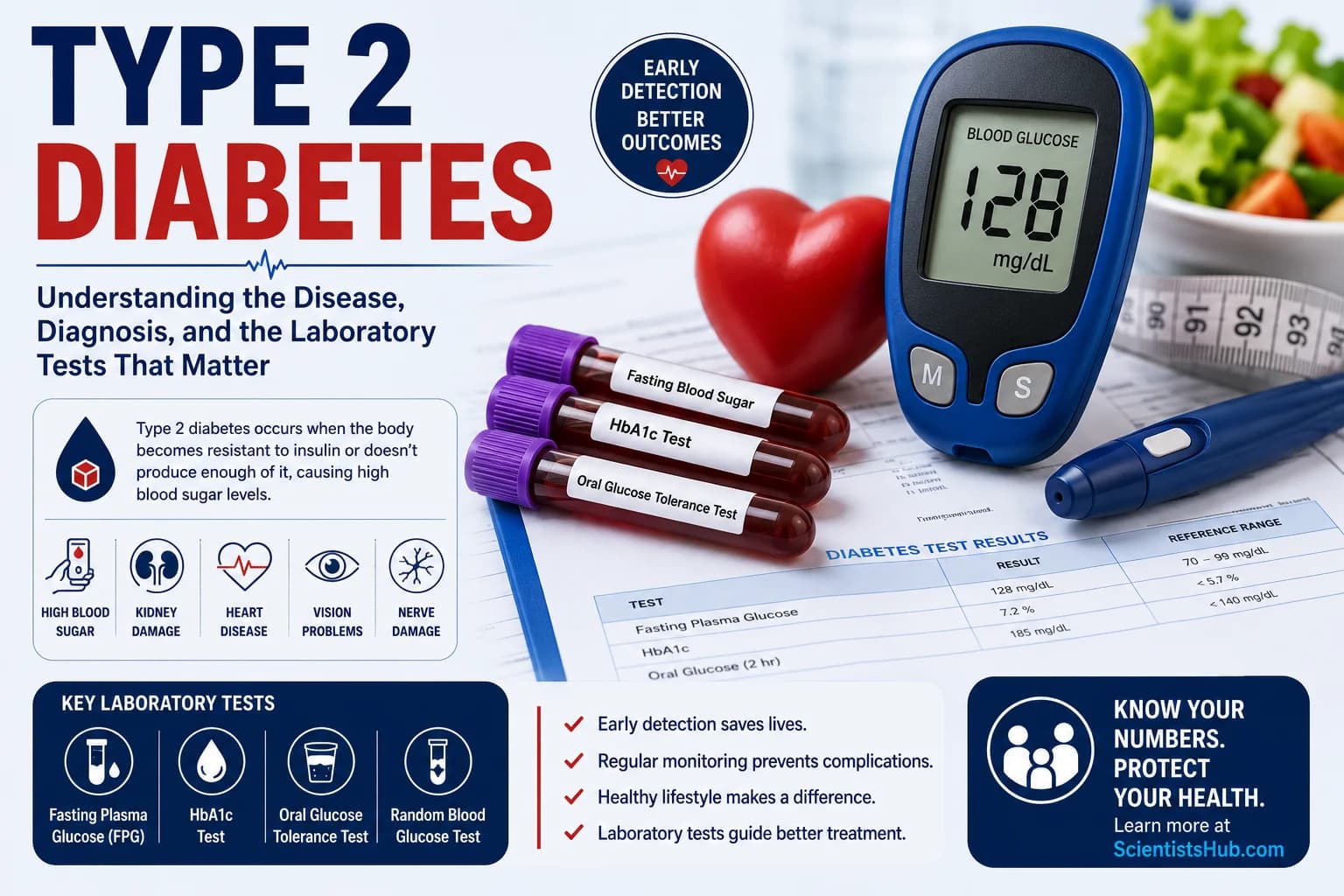
Let's talk about Type 2 diabetes, its symptoms, risk factors, diagnosis, and the laboratory tests, including HbA1c and blood glucose, that help detect and monitor the condition.
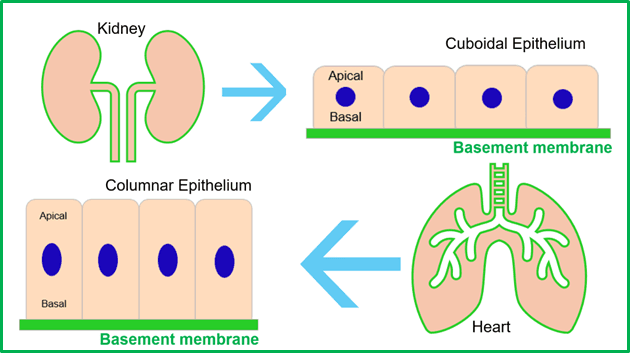
Tiny but powerful, basement membranes support cells, regulate barriers, and drive disease when disrupted—key players in health, aging, and cancer.
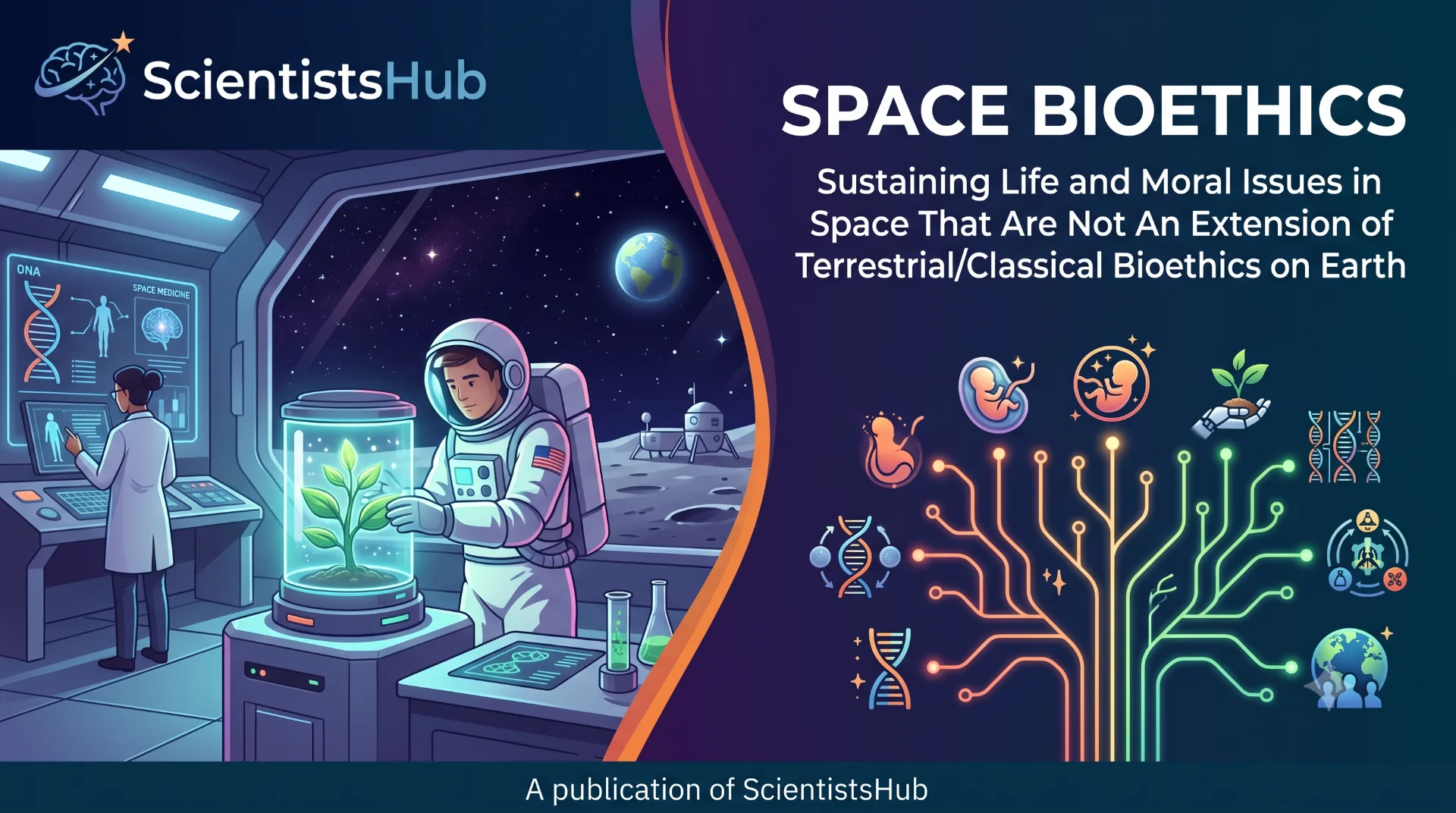
What is being explored in this article is about space bioethics. As stated above, space bioethics is about addressing moral issues of sustaining life in space but in a domain that is chartered
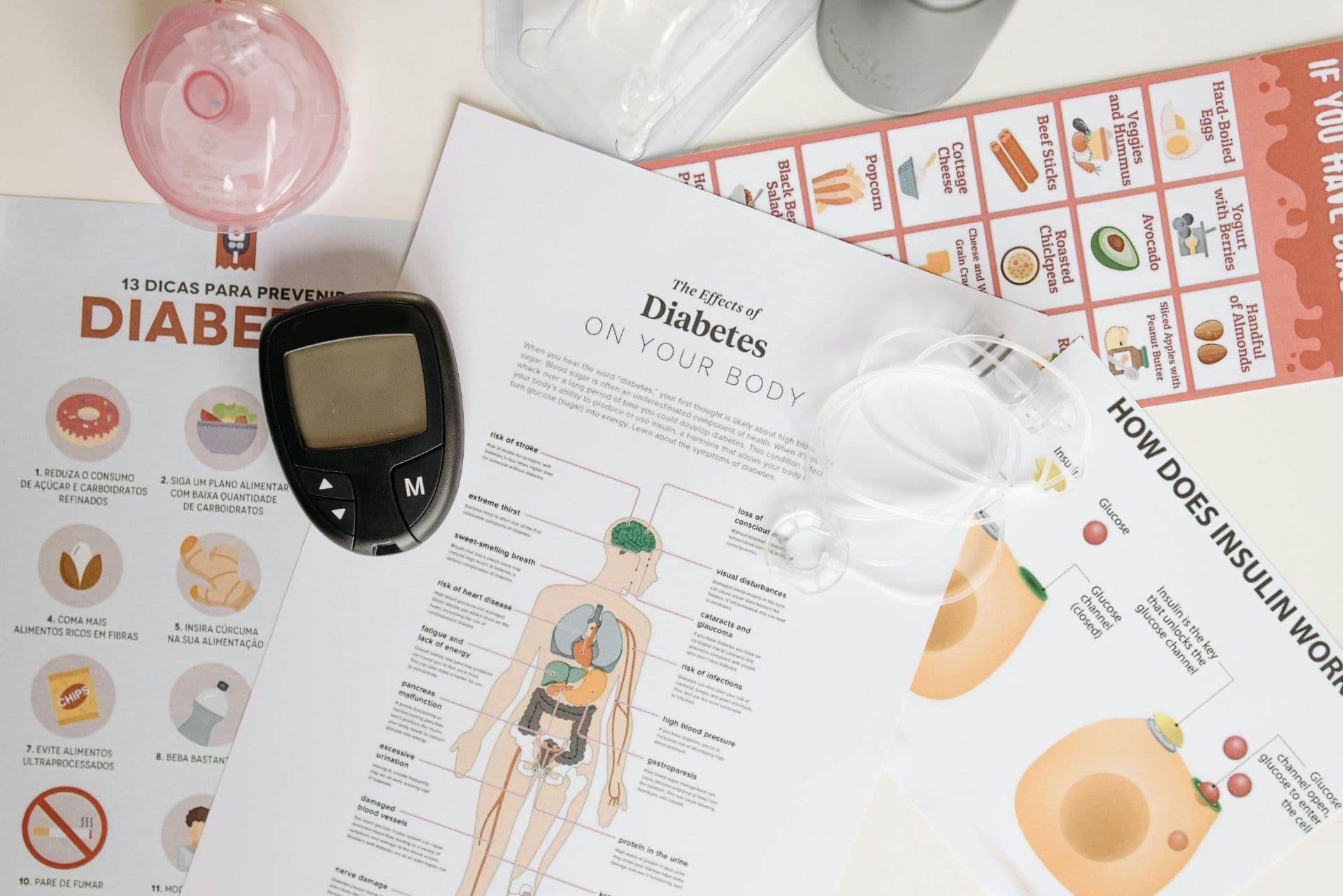
I have debunked certain myths surrounding diabetes and explained what it is in a way that is relatable and understandable to my readers. Upon reading the article, you will learn more about your body and what to look out for as well as the importance of routine checks in the lives of an individual.
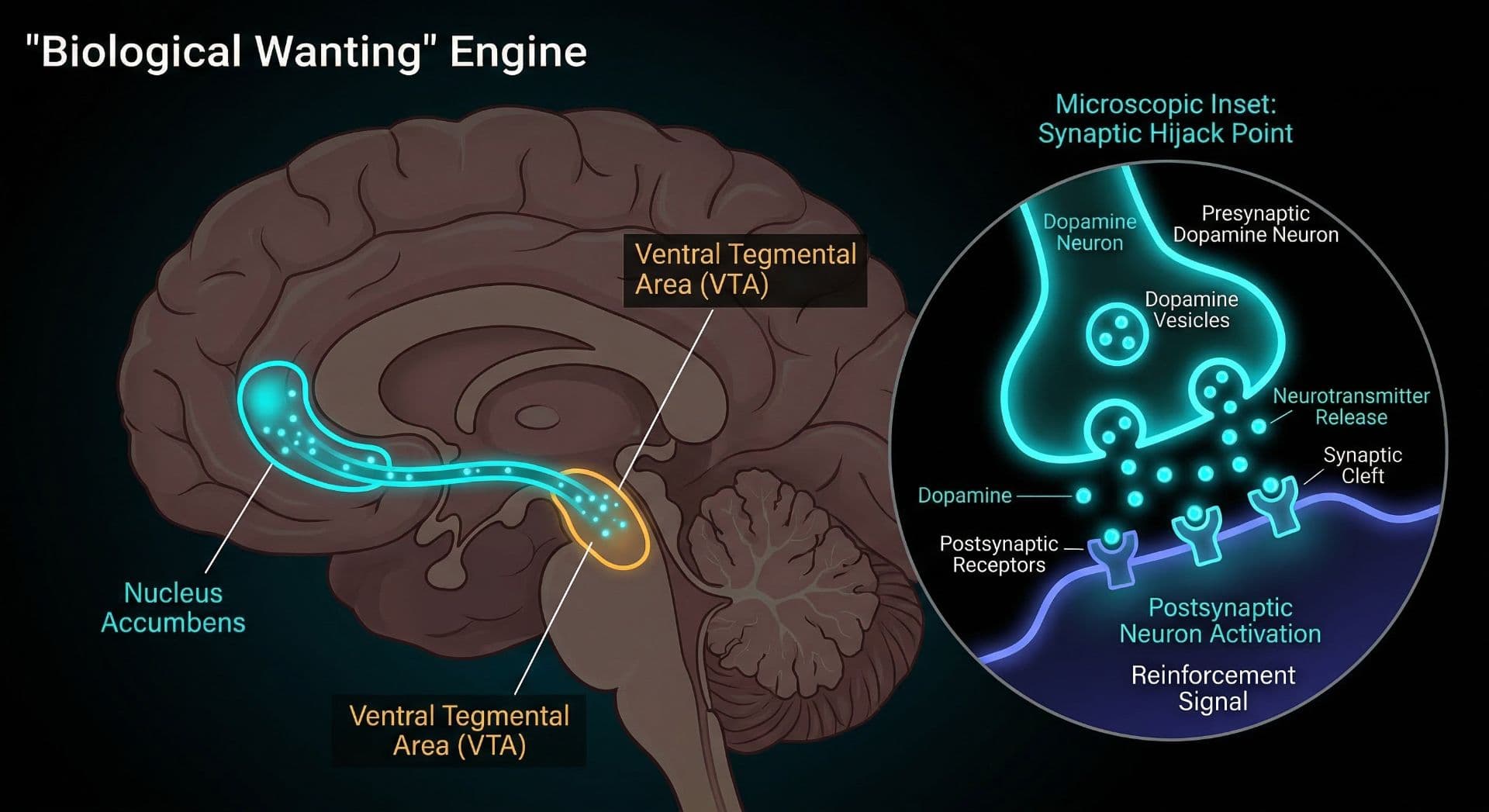
Have you ever intended to check a single notification, only to realize forty minutes have vanished into an endless scroll? In 2026, privacy is no longer just about your data; it is about your thought process. Is your next choice truly yours, or has a 'Digital Twin' already made it for you
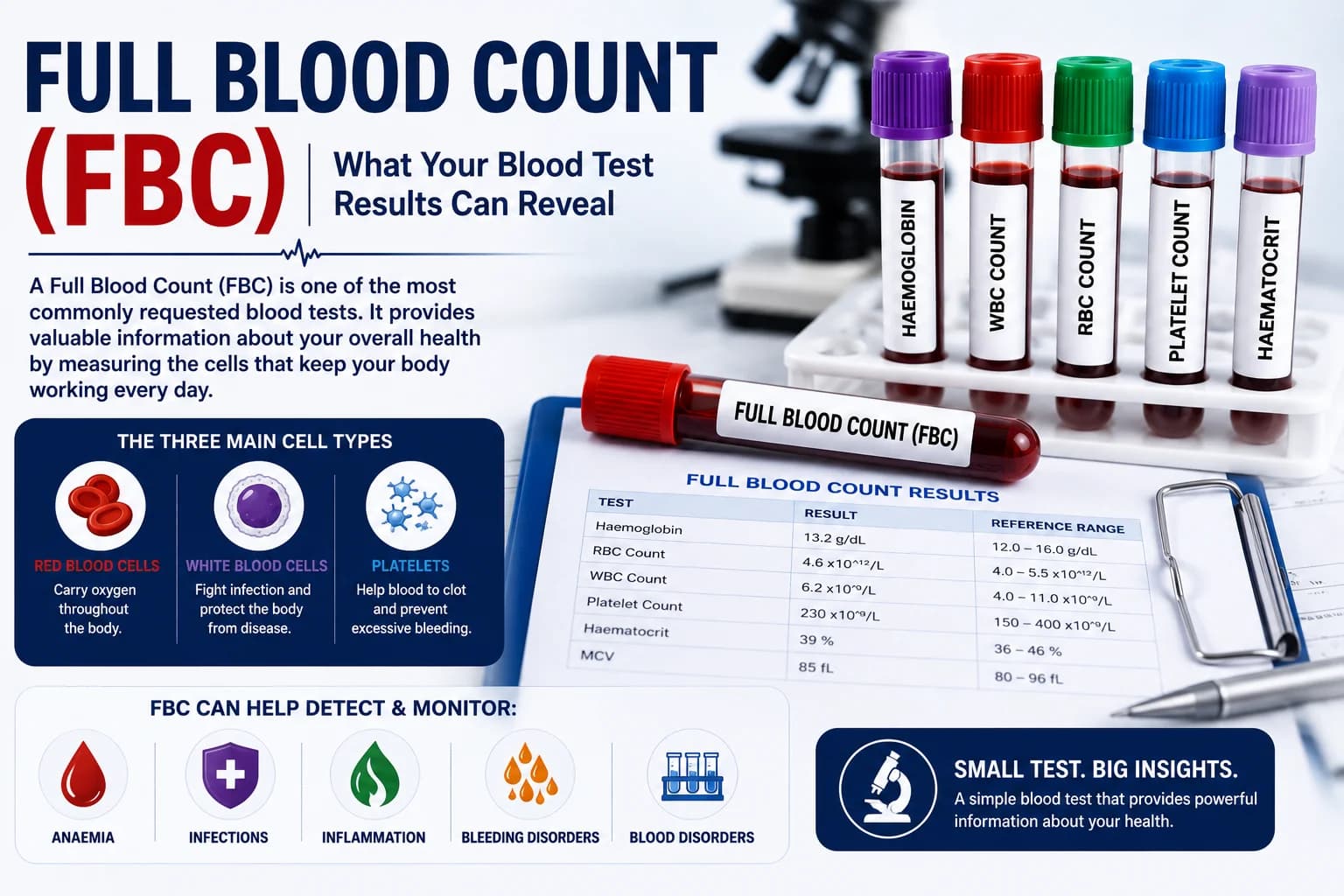
A Full Blood Count (FBC) is a blood test that measures different types of blood cells and related parameters, including red blood cells, white blood cells, platelets, haemoglobin, haematocrit and red blood cell indices. It can help healthcare professionals investigate conditions such as anaemia, infection, inflammation and certain blood disorders.
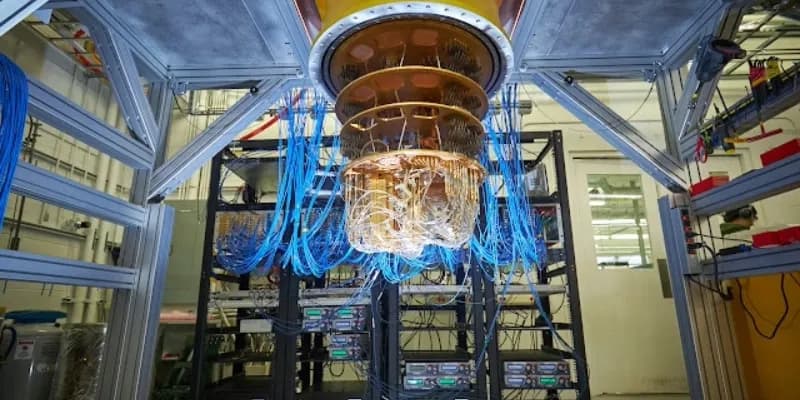
Quantum computing represents a revolutionary advancement in computational capabilities. Unlike traditional computers, which use bits as the smallest unit of data, quantum computers utilize quantum bits or qubits. These qubits can exist in multiple states at the same time due to the principles of superposition and entanglement.
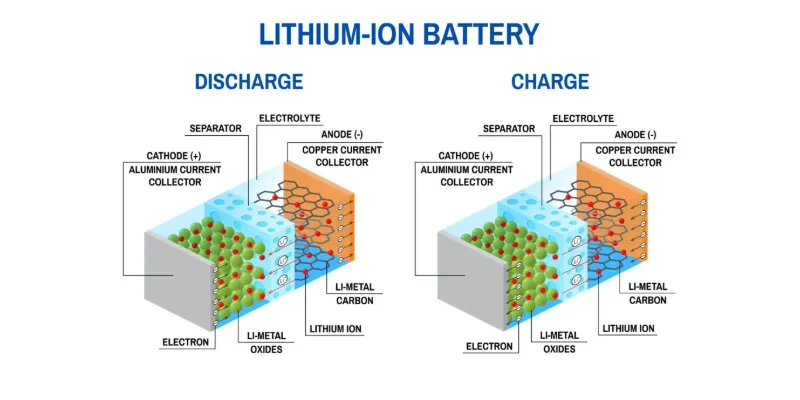
Lithium-ion batteries are the most popular type of rechargeable battery in use today. They power many of the devices we rely on daily, including mobile phones and electric vehicles. These batteries are lightweight,
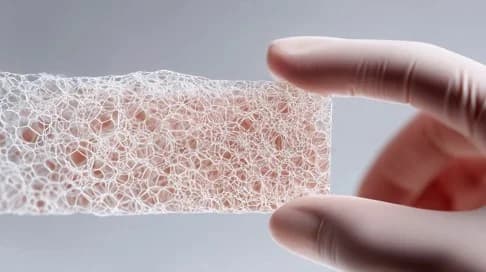
Plant mucilage is a thick, glue-like substance produced by plants that helps with seed germination, water and nutrient storage, and defense. Flax and chia seeds are rich sources of mucilage and have various applications in the food and pharmaceutical industries.
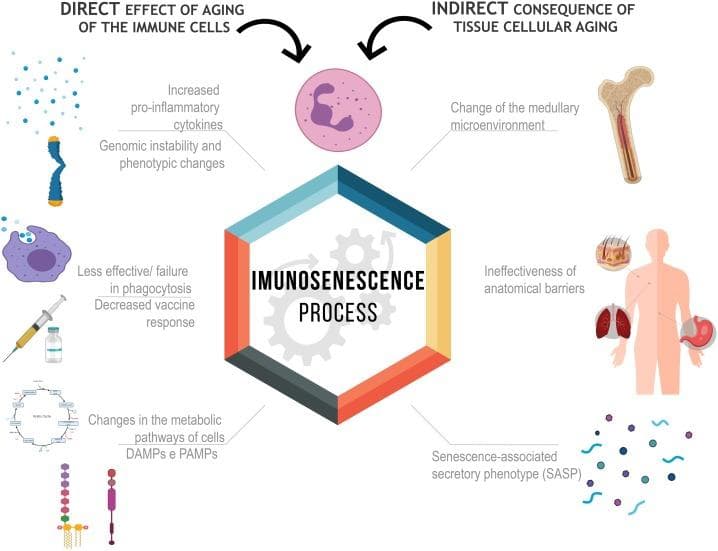
Ageing is accompanied by a gradual decline in physiological functions, among which deterioration of the immune system termed immunosenescence—has profound implications for human health.

Haploinsufficient genes show how losing one gene copy can affect brain development, increasing risk for neurodevelopmental disorders and behaviour changes.

Explaining The Reciprocity Between Your Brain and Your Belly For the past decade, the scientific community has increased its focus on mental health disorders including anxiety, depression,
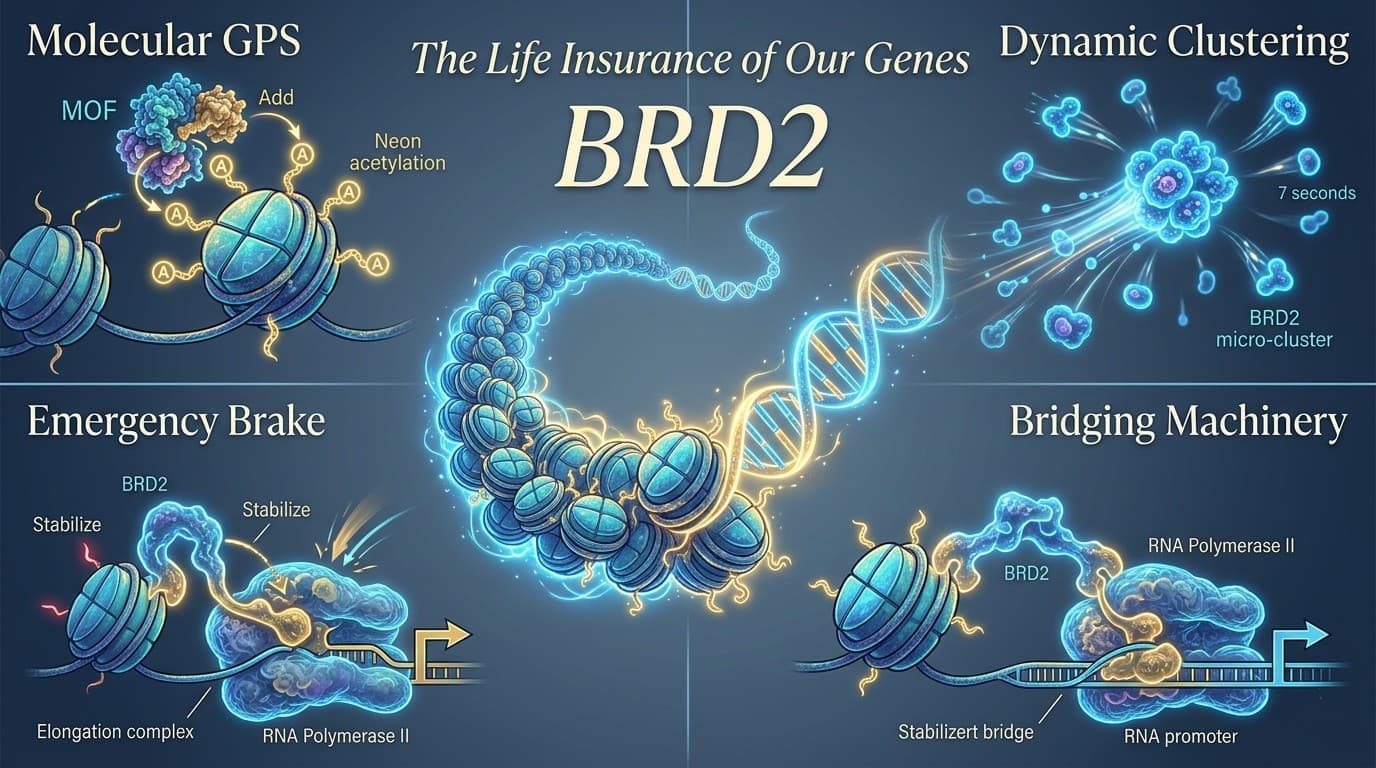
Cells can be understood as highly coordinated systems in which DNA functions as a comprehensive but inert blueprint, requiring precise interpretation to become biologically active. Gene expression depends on regulatory proteins that orchestrate transcription across time and space.