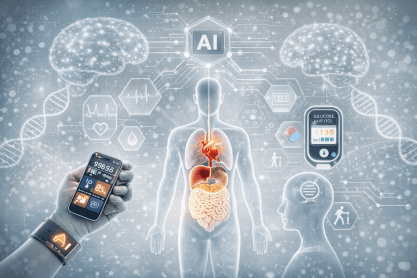
AI for Early Disease Prediction: How Algorithms Detect Illness Before Symptoms
Can algorithms predict sickness before you feel it? Explore how AI is using smartwatch data and ECGs to detect diseases like Alzheimer's and AFib early.
Showing results for: "testing replacement" (70 results)

Can algorithms predict sickness before you feel it? Explore how AI is using smartwatch data and ECGs to detect diseases like Alzheimer's and AFib early.

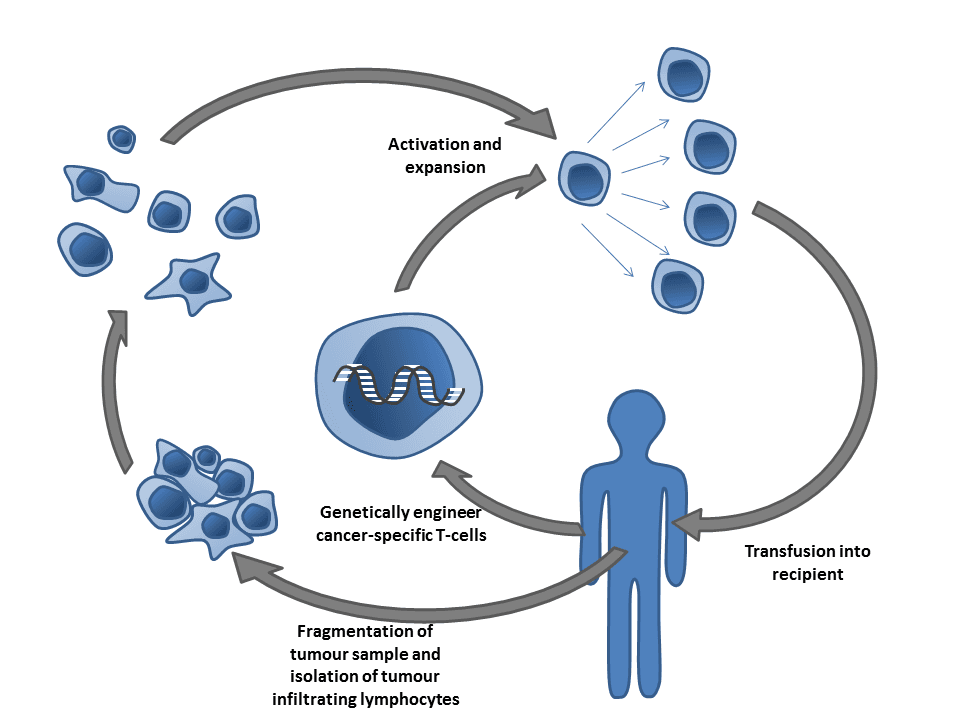
Cell and gene therapies represent a seismic shift in healthcare. They promise to cure the incurable, restoring sight to the blind and erasing cancer from the blood. But this frontier is wild. It comes with biological price tags, potential genetic misfires, and a regulatory landscape that is still being mapped.

Agriculture has always been shaped by the seasons, the soil, and the skilled hands of the farmers who nurture the land. But in the last decade, a new change has quietly entered the fields - Data. As climatic changes are incalculable and the global population climbs towards 10 billion, farmers are being pushed to grow more food with fewer resources.

This article will unlock that box, exploring the crucial process of translating complex clinical trial evidence into clear, understandable information for everyone. We'll journey from the surprising origins of clinical trials to the modern-day push for transparency, and discover why making science accessible is not just a convenience, but a necessity for public trust and informed health decisions.

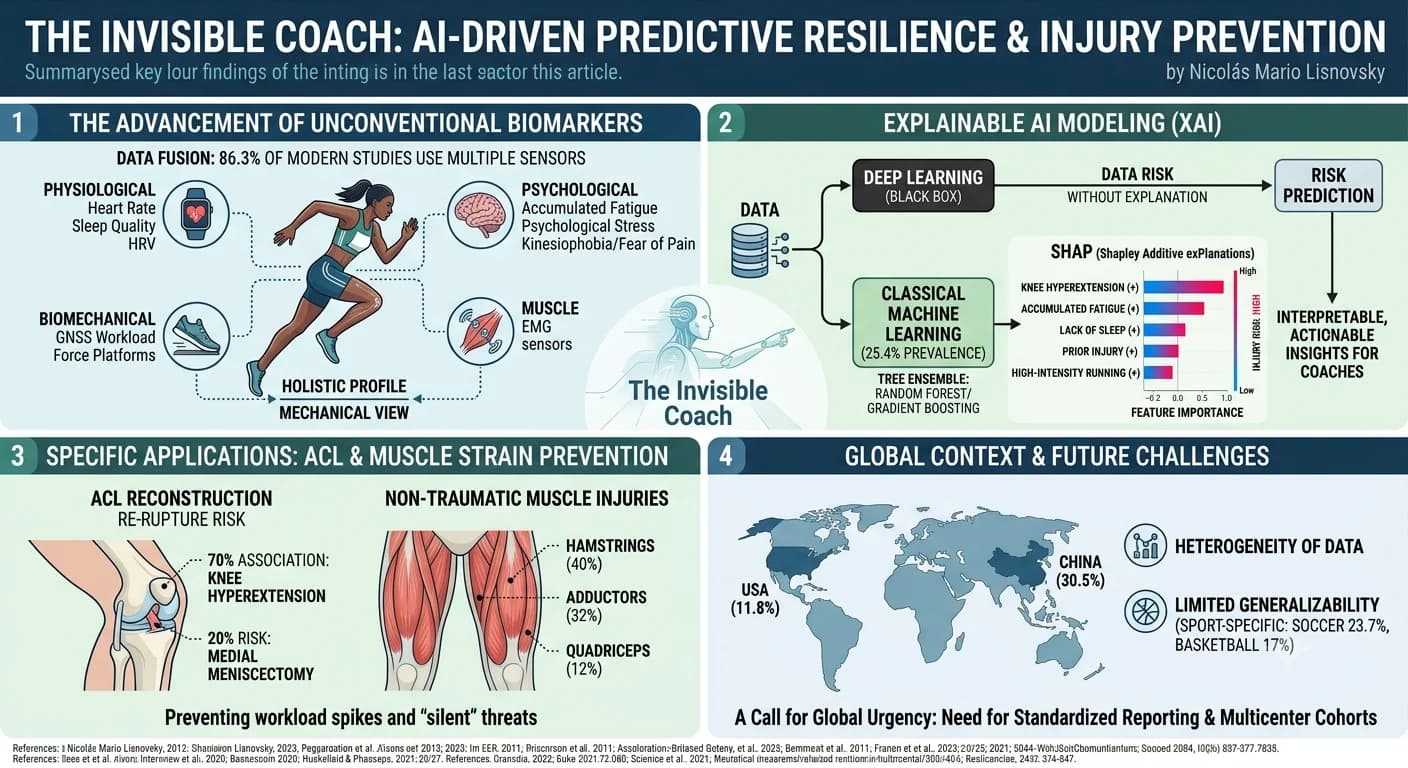
For the elite athlete, an injury is more than a clinical setback, it is an existential interruption. The pursuit of physical excellence has long been haunted by the inherent fragility of the human frame, where a single ligament tear or a chronic strain can dismantle years of disciplined optimization. Historically

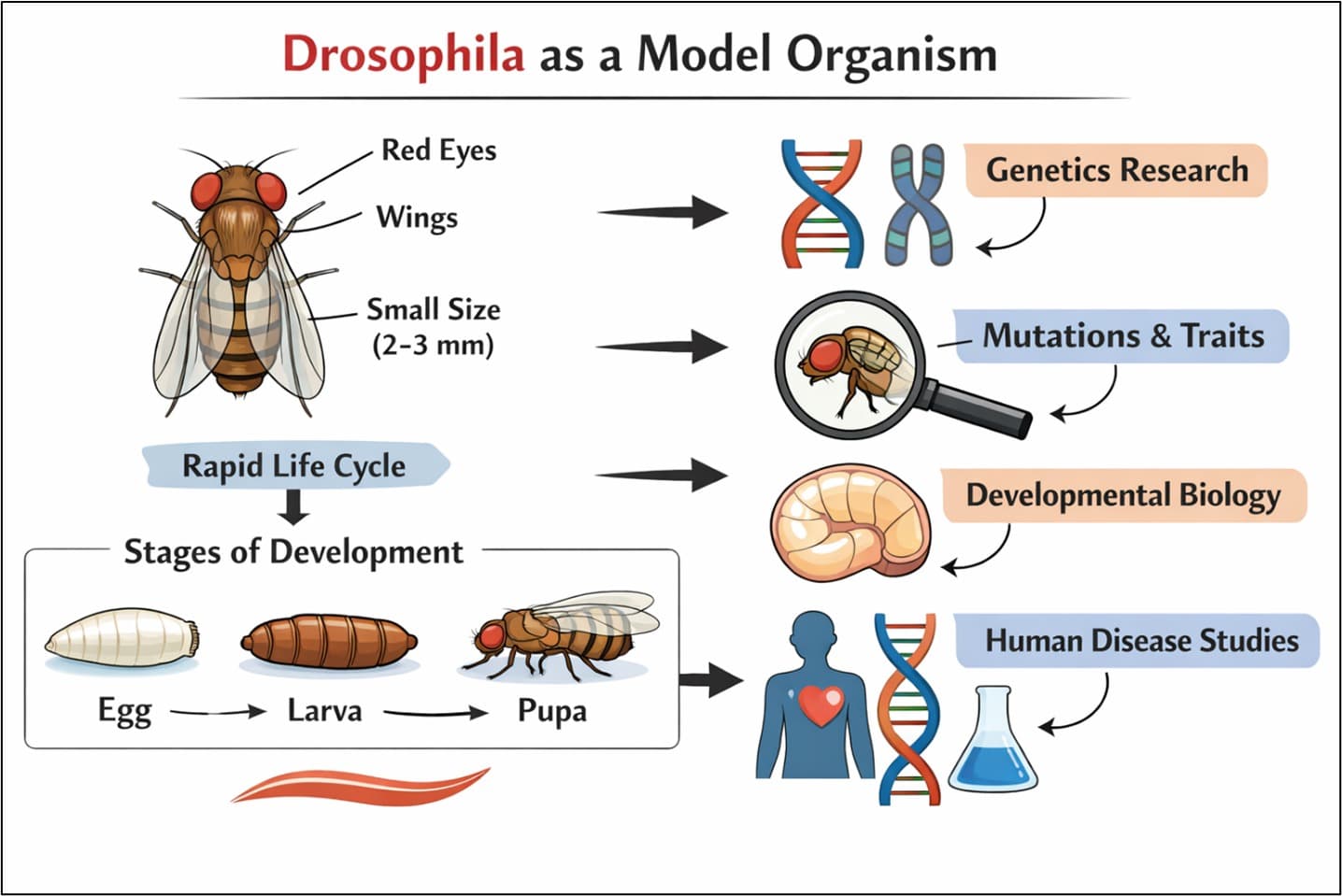
Small fruit fly is an excellent model organism used by scientists to study various aspect of human health and diseases such as development, regeneration, wound healing, cancer and stem cell research

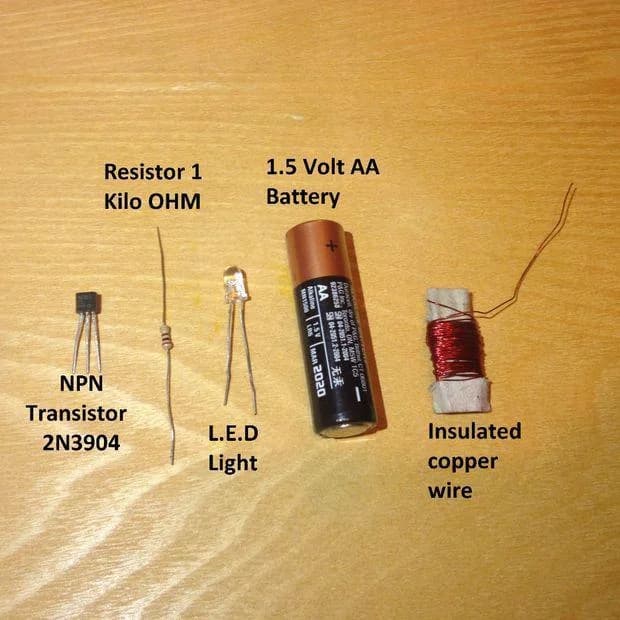
Wireless Power Transmission, or WPT, is a new technology that allows electricity to travel without the need for wires, using electromagnetic fields. This article covers how WPT works, the key components involved, the different methods it uses to send power, its applications in daily life, the benefits it offers, the challenges it faces, and what the future holds. Learn how wireless energy transfer is revolutionizing smartphones, EVs, healthcare, and smart cities.

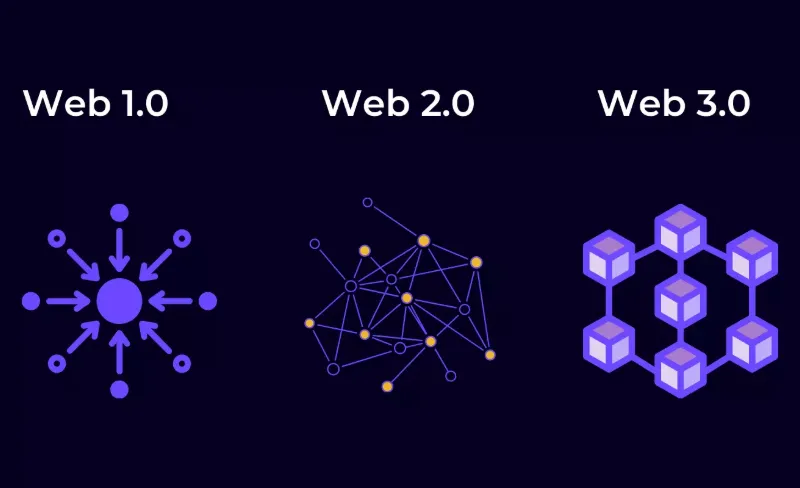
Web 3.0, commonly referred to as Web3, marks a new era of the World Wide Web characterized by distinct values and technological advancements. Its key features include ubiquity, decentralization, artificial intelligence, blockchain technology, and improved connectivity.

From innovative methods for cancer treatment to understanding the complexities of the human gut biome, these discoveries not only enhance our comprehension of the world but also lay the foundation for future groundbreaking advancements.

Radiology is more than just X-rays. See how it evolved, how it works, and how AI is making diagnosis faster, safer, and better for everyone

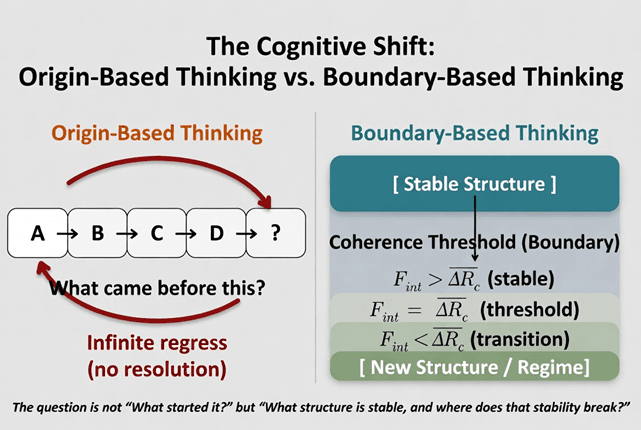
Using a simple childhood observation as the starting point, we show how shifting from origin-based to boundary-based thinking resolves infinite regress and opens a clearer way to engage with fundamental concepts in physics, time, and existence

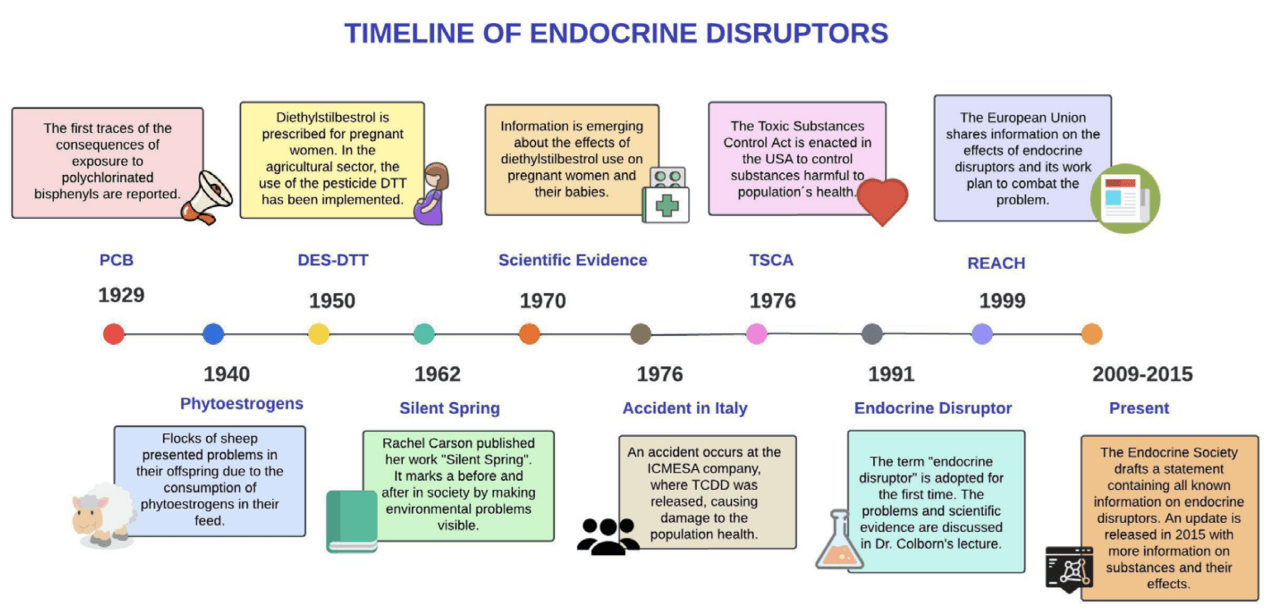
Environmental endocrine disruptors (EEDs) are natural and synthetic chemicals that interfere with endocrine system function by altering hormone synthesis, transport, metabolism, and receptor binding.

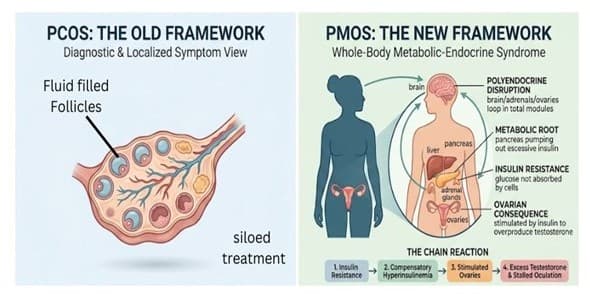
Discover why medical experts are rebranding Polycystic Ovary Syndrome (PCOS) to PMOS, and what this metabolic shift means for patient wellness.

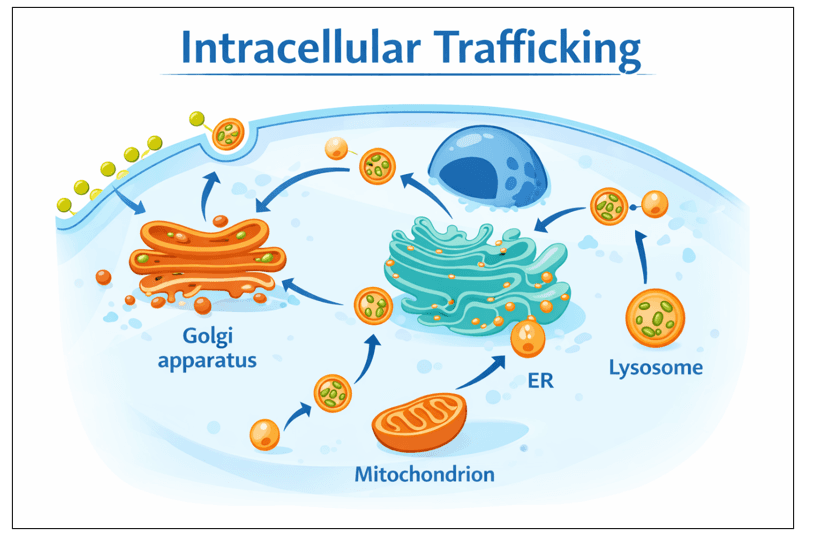
Discover how the SNAP29 gene guides cellular traffic, and how its mutation leads to CEDNIK syndrome, affecting brain, nerves, and skin.

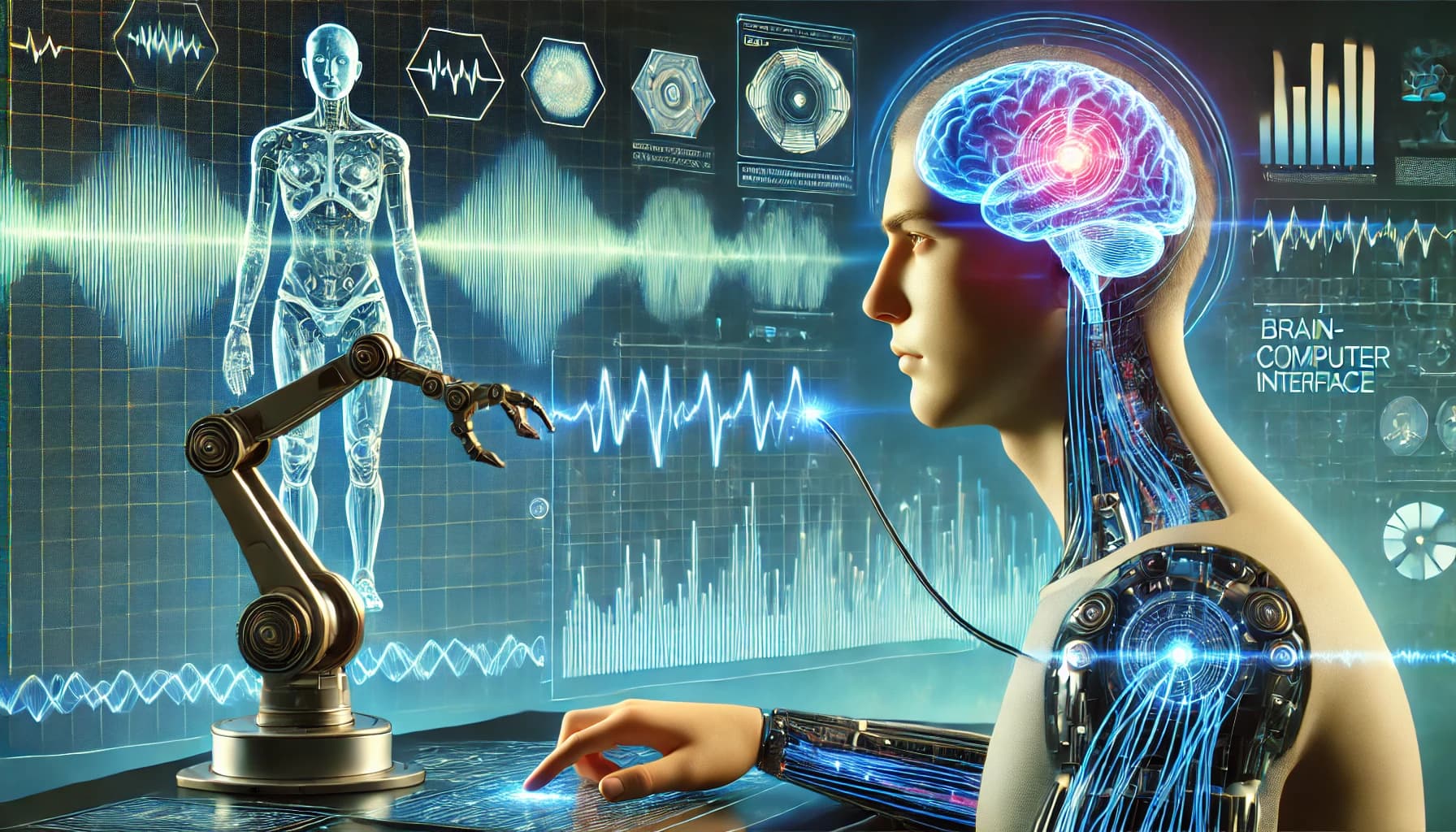
Imagine being able to control a computer, a prosthetic limb, or even a drone just by using your thoughts. This is not science fiction; it is now a reality thanks to brain-computer interfaces (BCIs). BCIs are groundbreaking systems that enable direct communication between the brain and external devices.

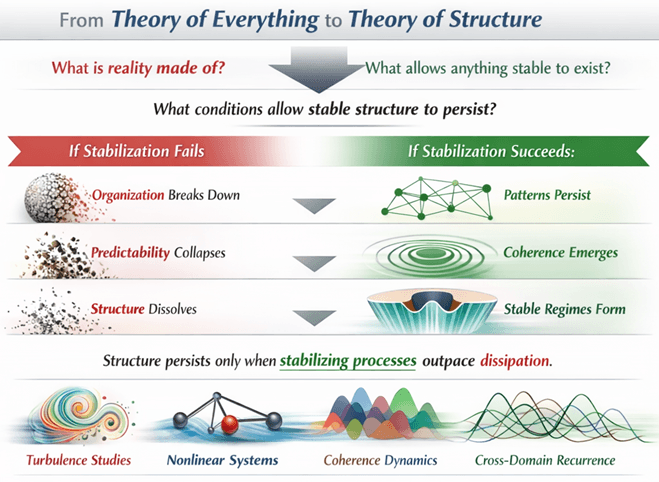
What allows anything stable to exist at all? Before objects, laws, or equations can be described, something more basic must occur: something must persist long enough to be identified. This shifts the focus from what exists to the conditions under which anything can exist stably.

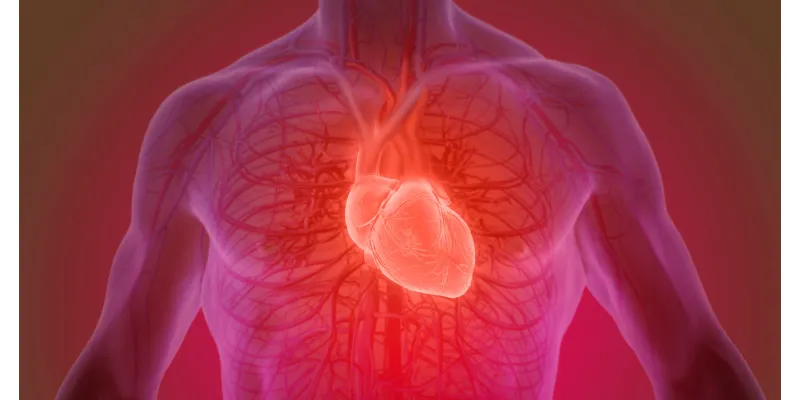
Modern healthcare is undergoing a silent revolution. Now to treat a disease in the healthcare system, there is no longer a need to wait for symptoms to appear.

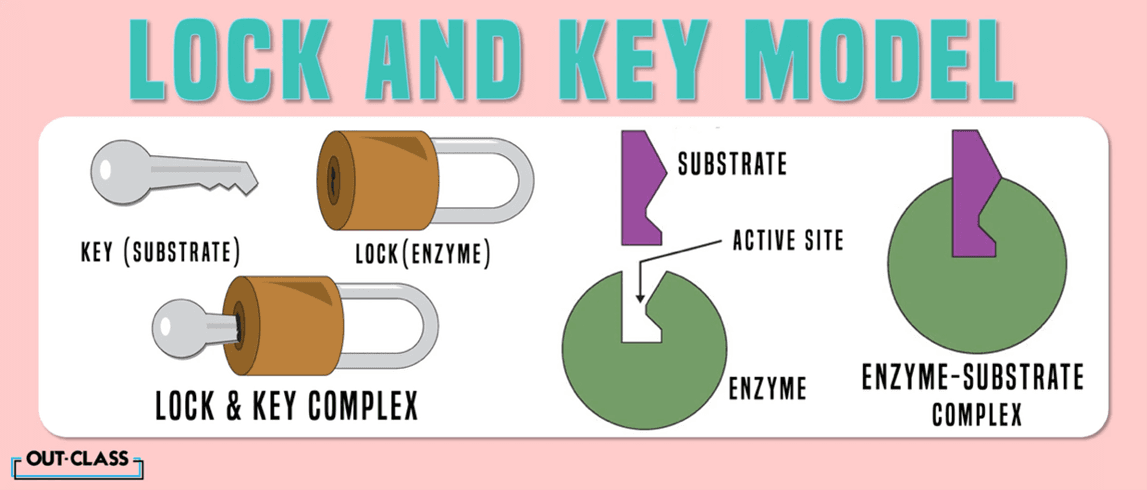
Drug repurposing is reshaping medicine. Discover how changing a drug's route of administration — not the molecule itself — can unlock new therapeutic potential.

Scientific advancement drives growth, productivity, and long-term global competitiveness in advanced economies.

Understanding the human brain remains one of the greatest challenges in modern science. With billions of neurons forming intricate networks and constantly changing connections, the brain’s complexity makes it extremely difficult to study directly.