Discover Scientific Knowledge

Showing results for: "tuberculosis drugs" (48 results)

How EMT experience shapes future doctors
Health & Medicine

How EMT experience shapes future doctors

ears pass in schoolrooms where future doctors study life's inner workings, cells, chemicals, and body parts. From books they recall illness patterns, how molecules bond, ways to spot health troubles

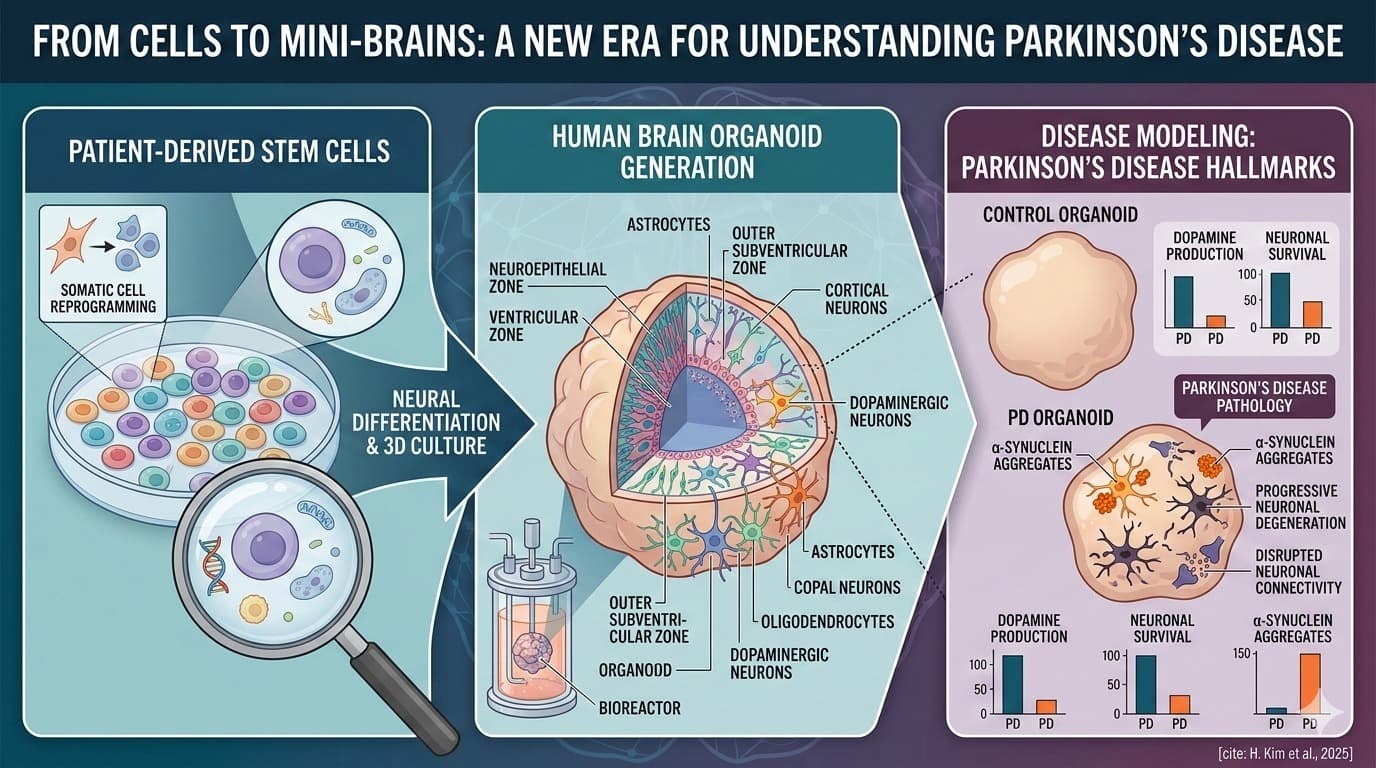
From Cells to Mini-Brains: A New Era for Understanding Parkinson’s Disease
Health & Medicine

From Cells to Mini-Brains: A New Era for Understanding Parkinson’s Disease

Understanding the human brain remains one of the greatest challenges in modern science. With billions of neurons forming intricate networks and constantly changing connections, the brain’s complexity makes it extremely difficult to study directly.

HYPERTROPHIC CARDIOMYOPATHY: Everything You Need to Know About HCM
Health & Medicine

HYPERTROPHIC CARDIOMYOPATHY: Everything You Need to Know About HCM

Hypertrophic cardiomyopathy (HCM) is a common genetic disorder in which the heart muscle becomes thicker and stiffer, a condition called hypertrophy. (1) The thickened heart muscle makes it harder for the heart to work properly. Many individuals with HCM do not realize that they have it.

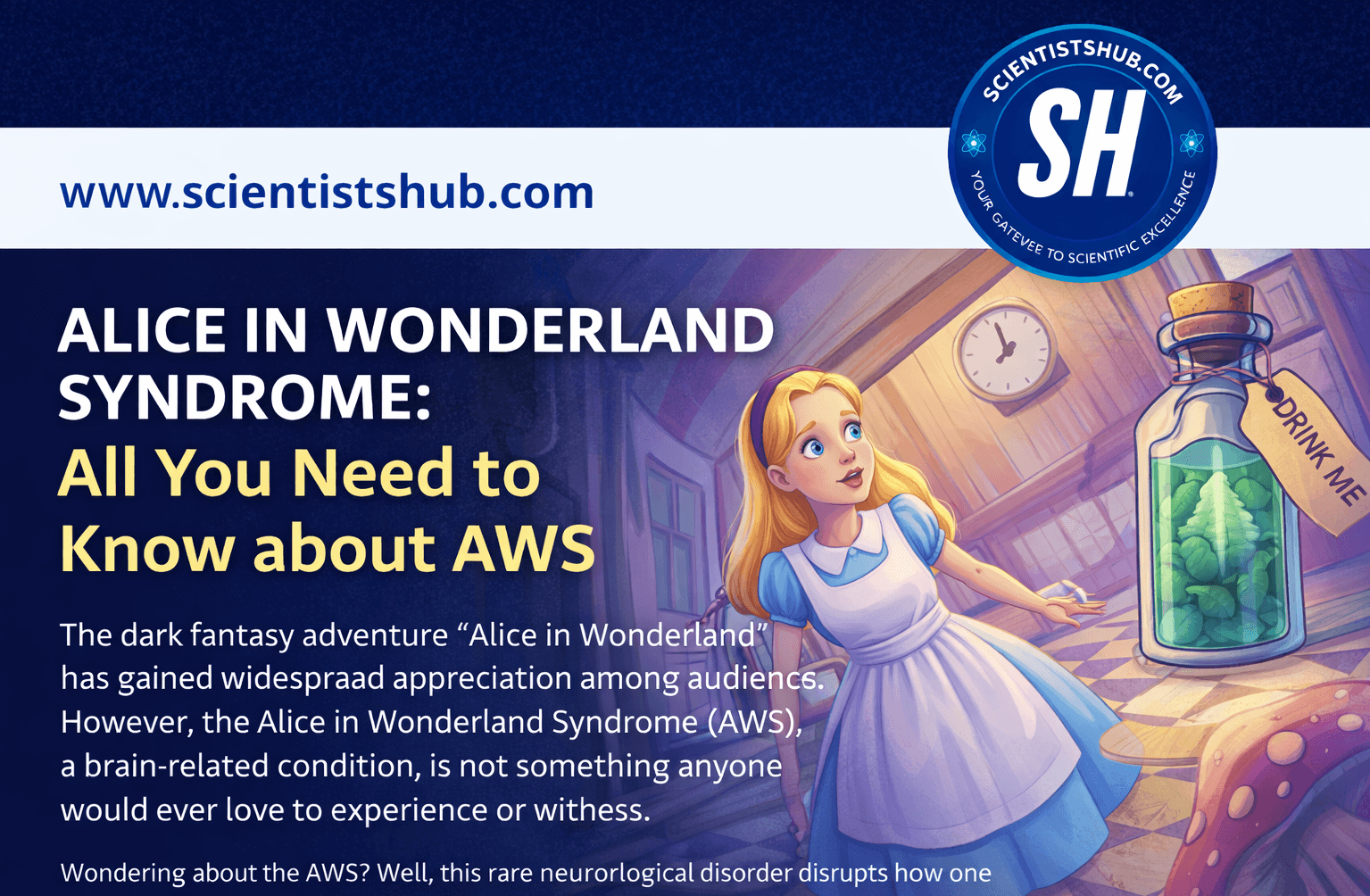
ALICE IN WONDERLAND SYNDROME: All You Need to Know about AWS
Health & Medicine

ALICE IN WONDERLAND SYNDROME: All You Need to Know about AWS

The dark fantasy adventure “Alice in Wonderland” has gained widespread appreciation among audiences. However, the Alice in Wonderland Syndrome (AWS), a brain-related condition, is not something anyone would ever love to experience or witness.

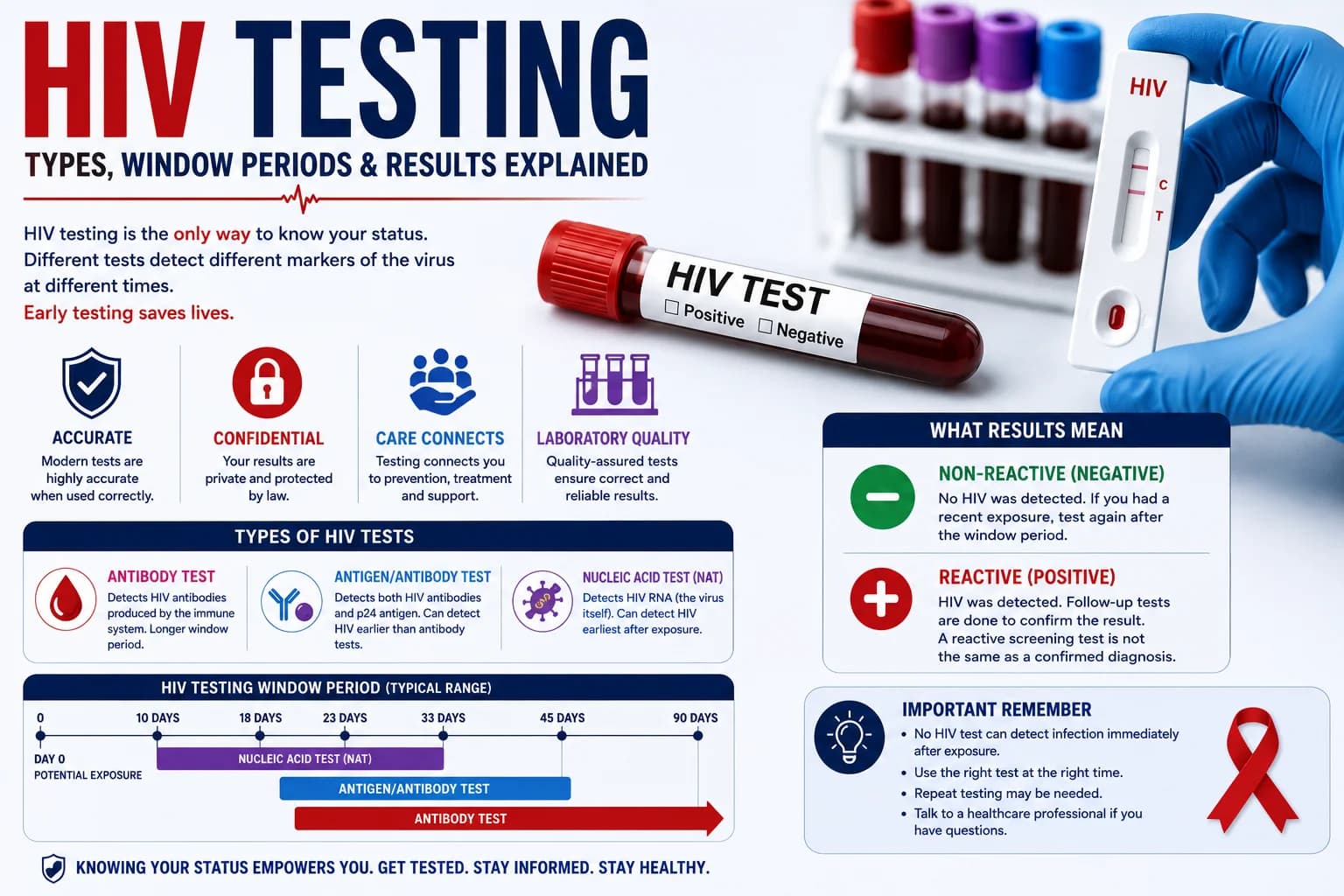
HIV Testing: Types, Window Periods and Results Explained
Health & Medicine

HIV Testing: Types, Window Periods and Results Explained

HIV testing is the process of determining whether a person has been infected with human immunodeficiency virus. Depending on the test, HIV testing can detect antibodies produced by the immune system, the HIV p24 antigen, or HIV RNA. Different tests have different detection window periods, and a reactive screening result requires appropriate follow-up testing before an HIV diagnosis is established.

← PreviousPage 3 of 3