One Gene Down, Brain Function Affected: Insights into Neurodevelopmental Disorders
Haploinsufficient genes show how losing one gene copy can affect brain development, increasing risk for neurodevelopmental disorders and behaviour changes.
Showing results for: "may outperform" (92 results)

Haploinsufficient genes show how losing one gene copy can affect brain development, increasing risk for neurodevelopmental disorders and behaviour changes.

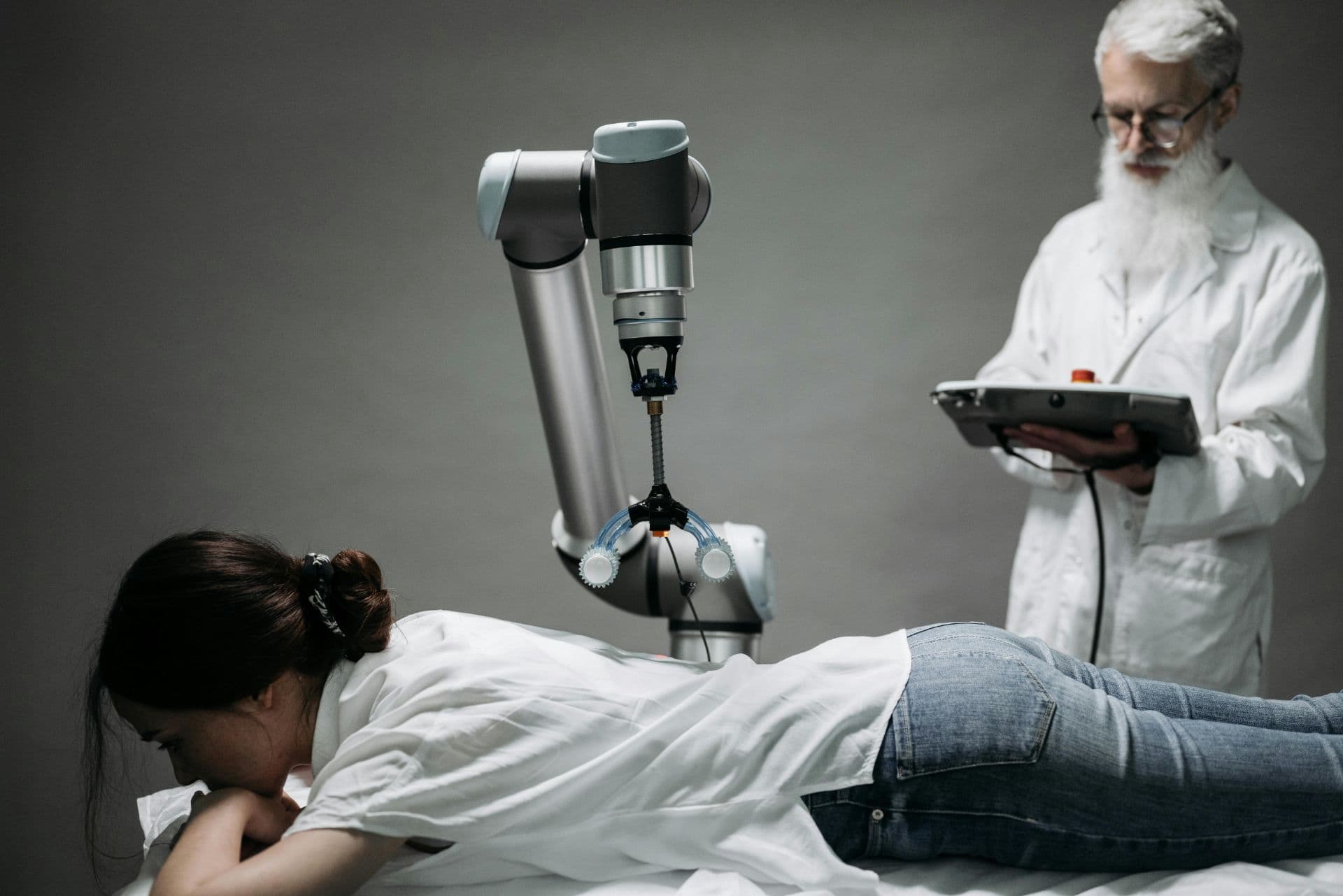
Radiology is more than just X-rays. See how it evolved, how it works, and how AI is making diagnosis faster, safer, and better for everyone

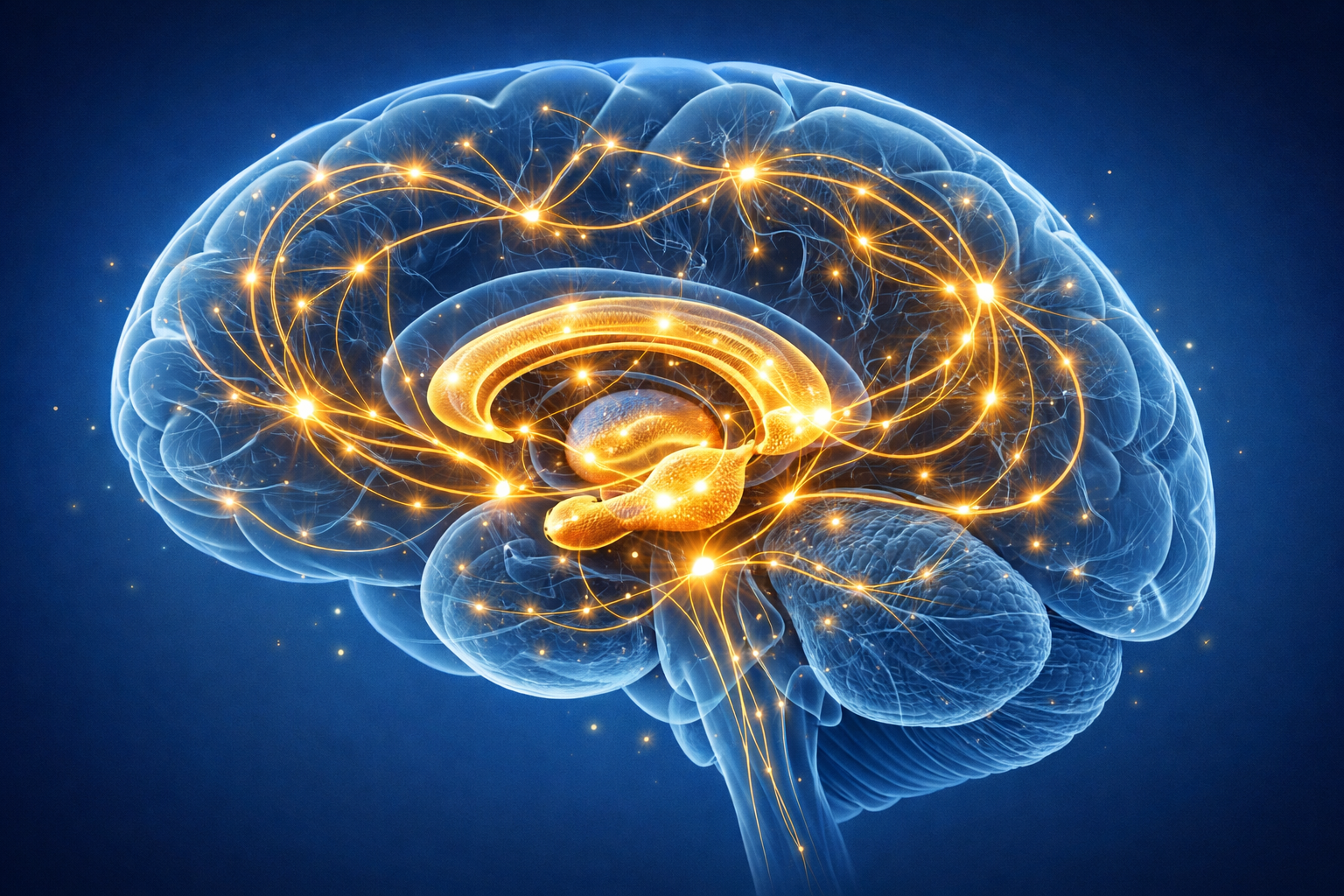
Depression has affected humans for hundreds of years. Symptoms can include persistent feelings of sadness, sleep disturbances, anxiety, and a loss of interest in social activities. Science doesn’t yet fully understand the causes and effects, but here’s what we do know: the brain is a powerful organ, and it is capable of change. Made up of a wide network of connections, it relies on chemicals, electrical impulses, and billions of neurons. Let’s explore how brain science

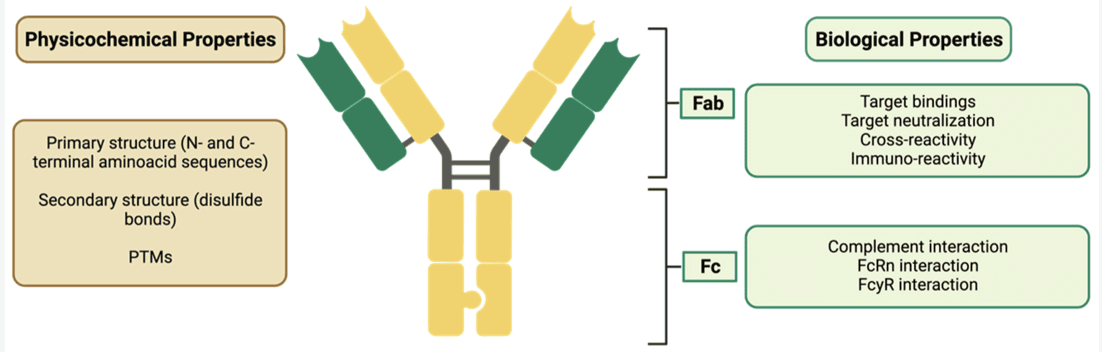
Biologics have transformed the management of chronic and life-threatening diseases such as cancer, autoimmune disorders, and metabolic conditions. However, their complexity, high production costs, and limited affordability continue to challenge healthcare systems worldwide.

You slept last night and woke up with a pimple popping up on your face! It would make you feel angry and depressed. Isn’t it? This could be hormonal acne. Hormonal acne could appear as common forms of acne, such as whiteheads, or more severe types of acne, such as nodules and cysts. Let us delve into and learn more about hormonal acne and various ways to deal with it.

Antibiotic resistance could kill 10 million annually by 2050. Discover how AI found Halicin, a molecule that kills superbugs humans couldn't defeat.

Explore how Carbon Capture, Utilization, and Storage (CCUS) works, its role in hard-to-abate industries, and how geology helps trap CO₂ to combat climate change.

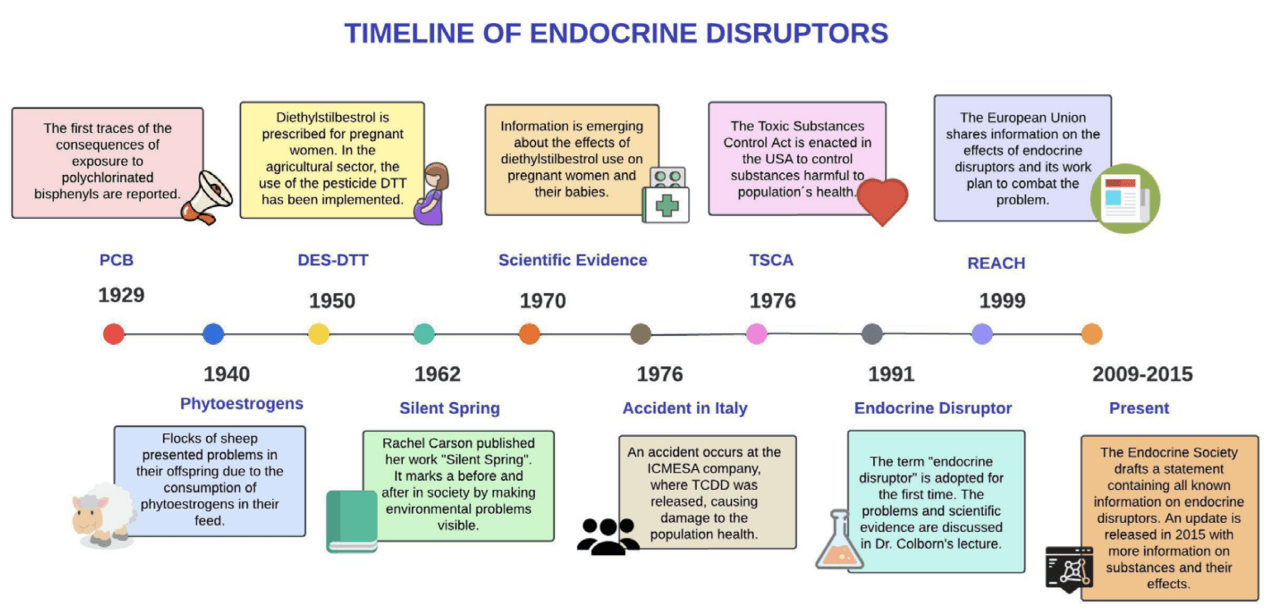
Environmental endocrine disruptors (EEDs) are natural and synthetic chemicals that interfere with endocrine system function by altering hormone synthesis, transport, metabolism, and receptor binding.

According to a study, sleeping in a dark room works wonders for your heart. During sleep, ambient light can put stress on the brain that causes arterial inflammation, which may again lead to a stroke or heart attack. Let us delve into and explore the study further.

With the potential of AI tools revolutionizing the world of healthcare, there are ethical risk factors that need to be looked at before their implementation.

Cells can be understood as highly coordinated systems in which DNA functions as a comprehensive but inert blueprint, requiring precise interpretation to become biologically active. Gene expression depends on regulatory proteins that orchestrate transcription across time and space.

Tuberculosis (TB) remains one of the world's deadliest infectious diseases, claiming over a million lives each year. TB is the deadliest infectious disease known today, claiming more lives than COVID-19. TB is caused by the bacterium Mycobacterium tuberculosis. TB spreads through the air when infected people breathe, cough, sneeze,

Discover how the SNAP29 gene guides cellular traffic, and how its mutation leads to CEDNIK syndrome, affecting brain, nerves, and skin.

Science writing simplifies complex research, making scientific discoveries accessible, trustworthy, and relevant to the public while reducing misinformation.

ears pass in schoolrooms where future doctors study life's inner workings, cells, chemicals, and body parts. From books they recall illness patterns, how molecules bond, ways to spot health troubles

This architecture is essential for shielding neurons from toxins, pathogens, and fluctuations in the bloodstream, but it also creates a devastating bottleneck for modern medicine. More than 98% of small-molecule drugs and nearly all large biological therapeutics fail to cross the BBB in meaningful amounts, leaving many promising treatments for neurodegenerative disorders, brain tumors, and inflammatory diseases stranded in the circulation.

We have all witnessed the physiological "decoupling" that occurs late in a race, where at mile 20 of a marathon, a pace that felt like a metabolic steady-state two hours ago suddenly demands an all-out effort.

Alzheimer’s is a progressive neurological disorder with classic clinical symptoms such as dementia, cognitive decline, and behavioural changes, particularly in the ageing population.

Learn how the leading cause of death worldwide activates the immune system and how making a few lifestyle changes can decrease your risk of severe chronic disease.

Selective oxidation reactions are central to modern biochemistry. They enable the controlled introduction of oxygen into organic molecules, a key step in the synthesis of pharmaceuticals and fine chemicals. However, many of the enzymatic systems traditionally used for these transformations are complex and difficult to implement in practice.