Discover Scientific Knowledge

Showing results for: "digital dopamine" (23 results)

The Science of Addiction: Digital Dopamine and the Attention Economy
Science & Research

The Science of Addiction: Digital Dopamine and the Attention Economy

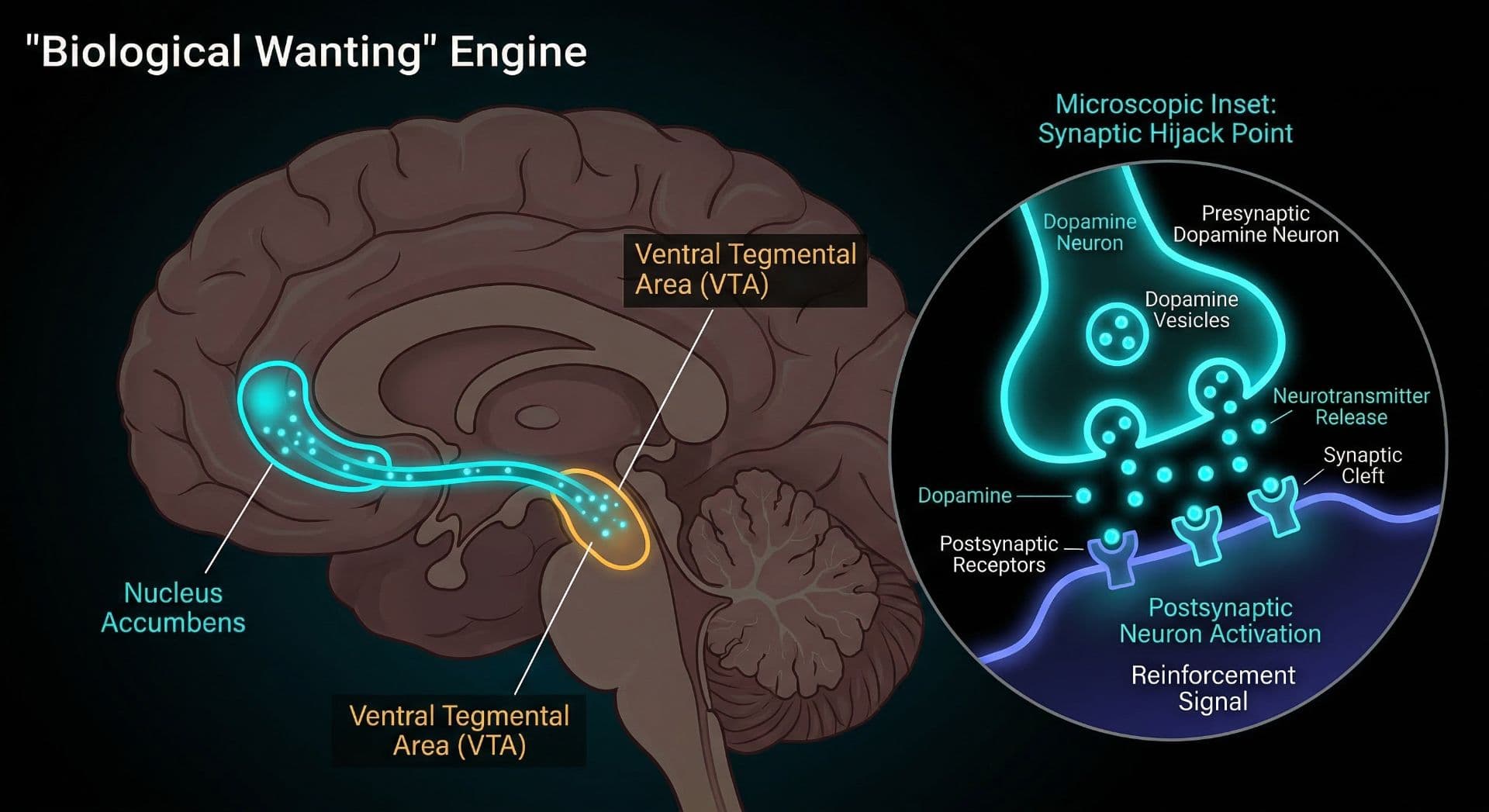
Have you ever intended to check a single notification, only to realize forty minutes have vanished into an endless scroll? In 2026, privacy is no longer just about your data; it is about your thought process. Is your next choice truly yours, or has a 'Digital Twin' already made it for you

Digital Agriculture: How AI and gene editing are transforming modern farming
Tech & AI

Digital Agriculture: How AI and gene editing are transforming modern farming

Agriculture has always been shaped by the seasons, the soil, and the skilled hands of the farmers who nurture the land. But in the last decade, a new change has quietly entered the fields - Data. As climatic changes are incalculable and the global population climbs towards 10 billion, farmers are being pushed to grow more food with fewer resources.

DNA Data Storage: The Future of Biological Archiving
Health & Medicine

DNA Data Storage: The Future of Biological Archiving

As global data generation continues to grow exponentially, traditional storehouse innovations face challenges related to capacity, energy consumption, and long- term preservation. DNA data storehouse offers a revolutionary result by garbling computerized information into synthetic DNA molecules. This explores DNA data storage, its basics, uses, benefits, and ethics, and how it could change future data archiving.

Understanding the Role of Stem Cell Therapy for Parkinsons Disease
Health & Medicine

Understanding the Role of Stem Cell Therapy for Parkinsons Disease

Stem cell therapy research is a promising area of interest for a number of scientists working to understand Parkinson’s disease and develop treatments for it. Read below to learn more about the advancements of stem cell therapy for Parkinson’s.

From Cells to Mini-Brains: A New Era for Understanding Parkinson’s Disease
Health & Medicine

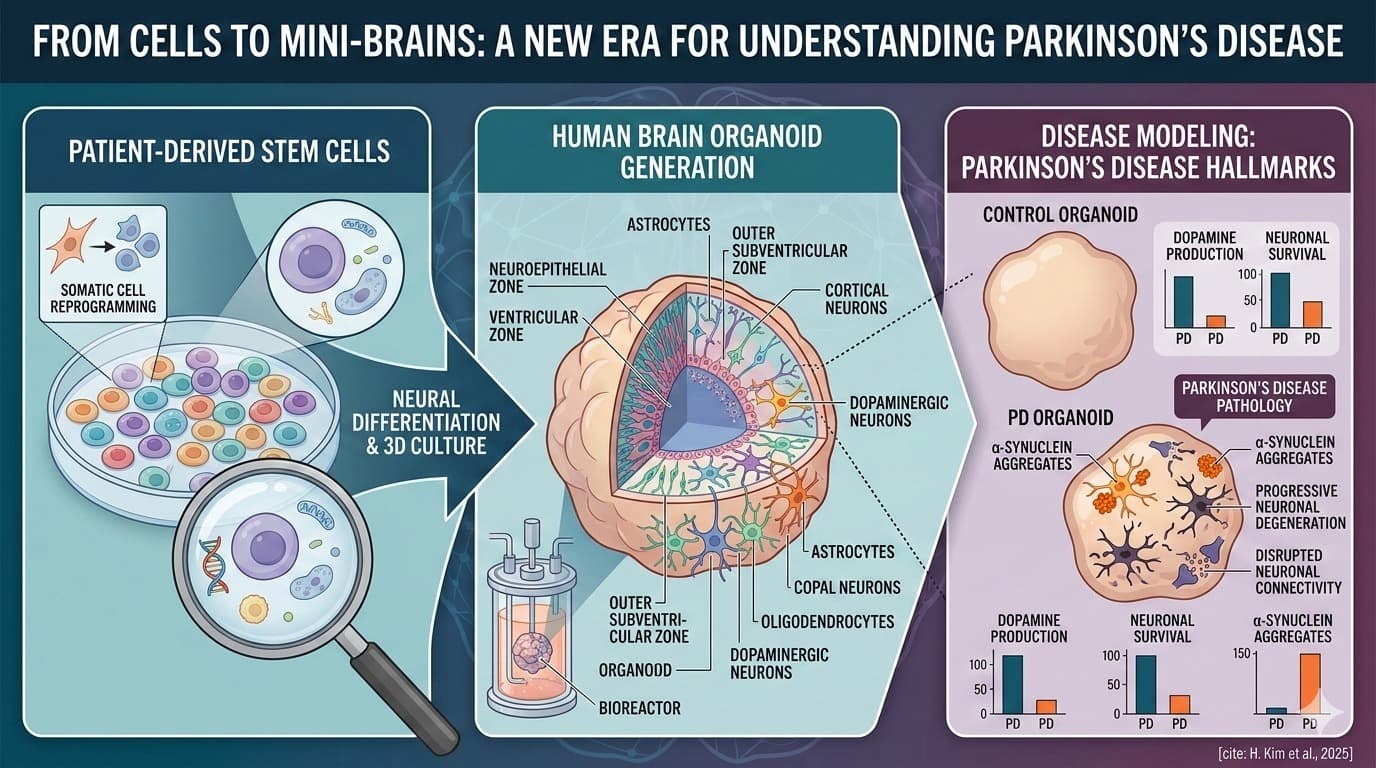
From Cells to Mini-Brains: A New Era for Understanding Parkinson’s Disease

Understanding the human brain remains one of the greatest challenges in modern science. With billions of neurons forming intricate networks and constantly changing connections, the brain’s complexity makes it extremely difficult to study directly.

The Internet: A Discovery That Connected the World
Science & Research

The Internet: A Discovery That Connected the World

The Internet has transformed the world, connecting people, information, and resources in unprecedented ways, even beyond physical boundaries. What began as a small research project has now grown into a global system that supports billions of devices and enables nearly every aspect of modern life. In this article, we will explore the major discoveries and milestones that contributed to the development of the Internet.

AUC-Guided Vancomycin Monitoring Explained: Why precision is redefining antibiotic dosing
Health & Medicine

AUC-Guided Vancomycin Monitoring Explained: Why precision is redefining antibiotic dosing

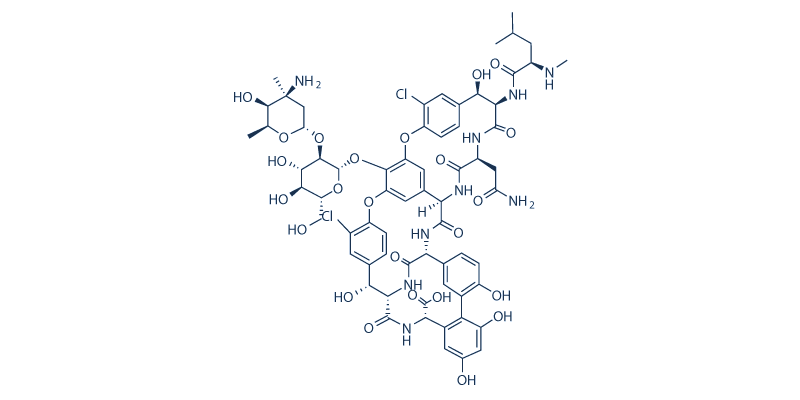
Vancomycin is an essential glycopeptide antibiotic used to treat life-threatening infections caused by Gram-positive bacteria, particularly Methicillin-Resistant Staphylococcus aureus (MRSA). It functions by inhibiting bacterial cell-wall synthesis and is still the most potent drug to be used when others fail (Patel, Preuss, & Bernice, 2023).

The Gut–Brain Connection: How Your Microbiome Shapes Mood, Memory, and Mental Health
Health & Medicine

The Gut–Brain Connection: How Your Microbiome Shapes Mood, Memory, and Mental Health

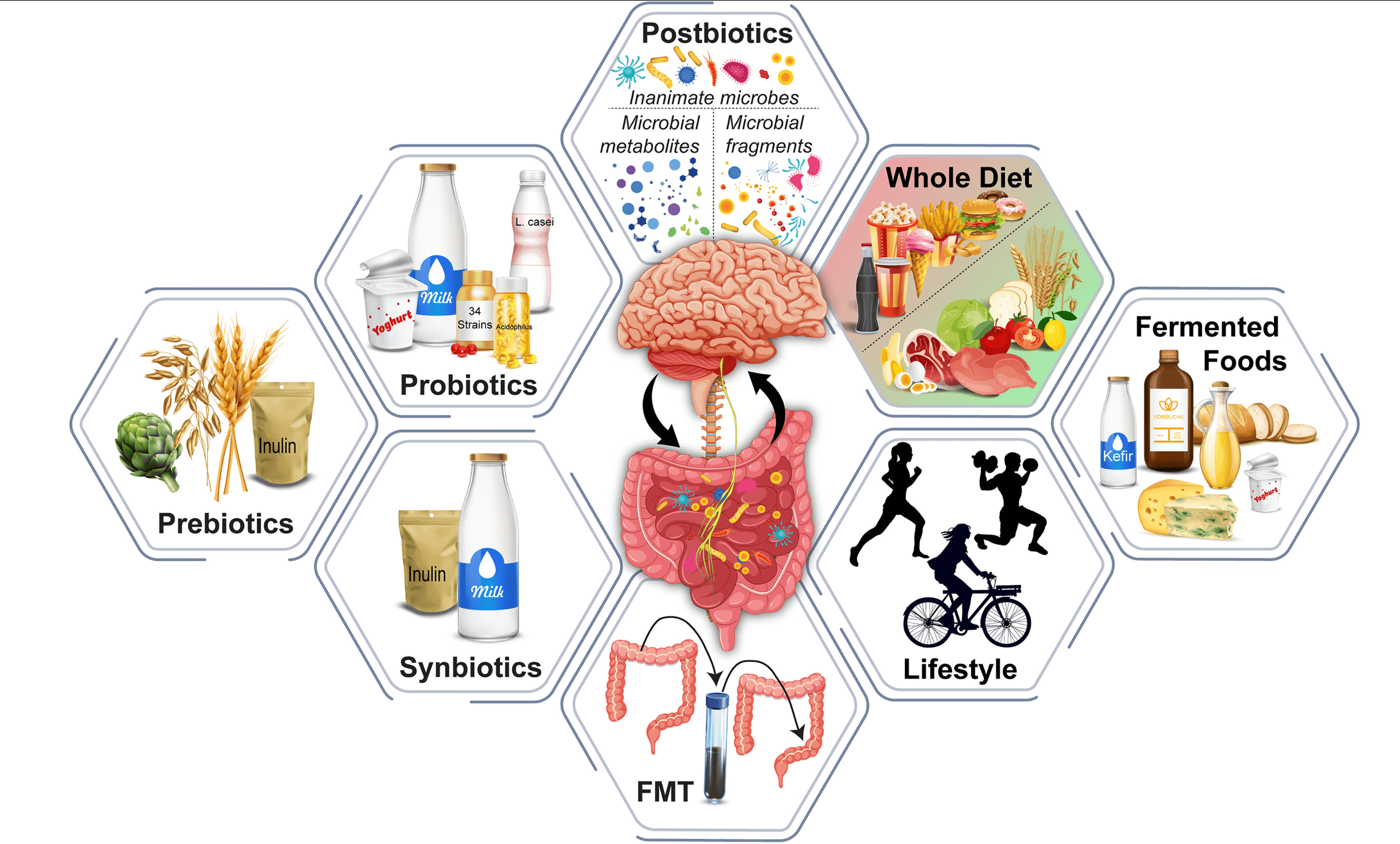
The gut microbiomeover 100 trillion microorganisms, communicates with the brain via the gut–brain axis, influencing mood, cognition, immunity, and stress regulation. Dysbiosis is linked to depression, anxiety, autism spectrum disorders, and neurodegenerative diseases, emphasizing its critical role in mental and neurological health.

The Brain’s Ability to Change and Its Role in Depression
Health & Medicine

The Brain’s Ability to Change and Its Role in Depression

Depression has affected humans for hundreds of years. Symptoms can include persistent feelings of sadness, sleep disturbances, anxiety, and a loss of interest in social activities. Science doesn’t yet fully understand the causes and effects, but here’s what we do know: the brain is a powerful organ, and it is capable of change. Made up of a wide network of connections, it relies on chemicals, electrical impulses, and billions of neurons. Let’s explore how brain science

Page 1 of 2Next →