Discover Scientific Knowledge

Showing results for: "influences human" (90 results)

If you could change your genes, would you?
Health & Medicine

If you could change your genes, would you?

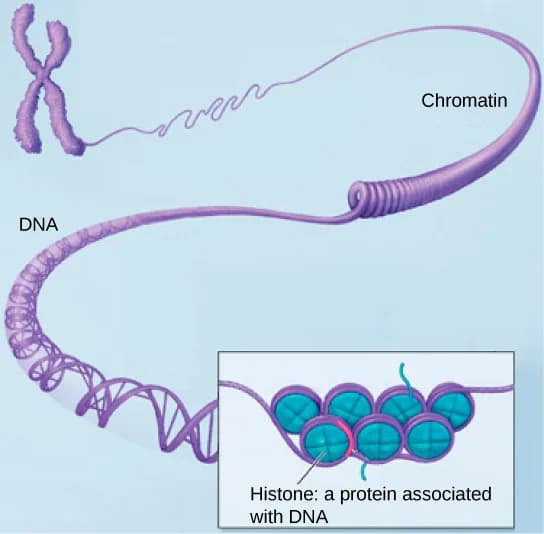
Epigenetics is transforming how scientists understand the bridge between genes and behavior, opening the door to a new era of mental health treatment.

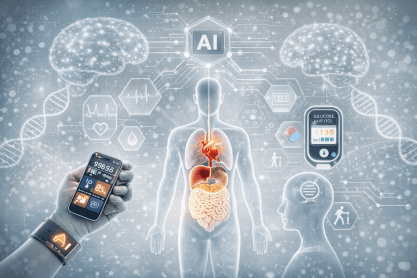
The Gut–Brain Connection: How Your Microbiome Shapes Mood, Memory, and Mental Health
Health & Medicine

The Gut–Brain Connection: How Your Microbiome Shapes Mood, Memory, and Mental Health

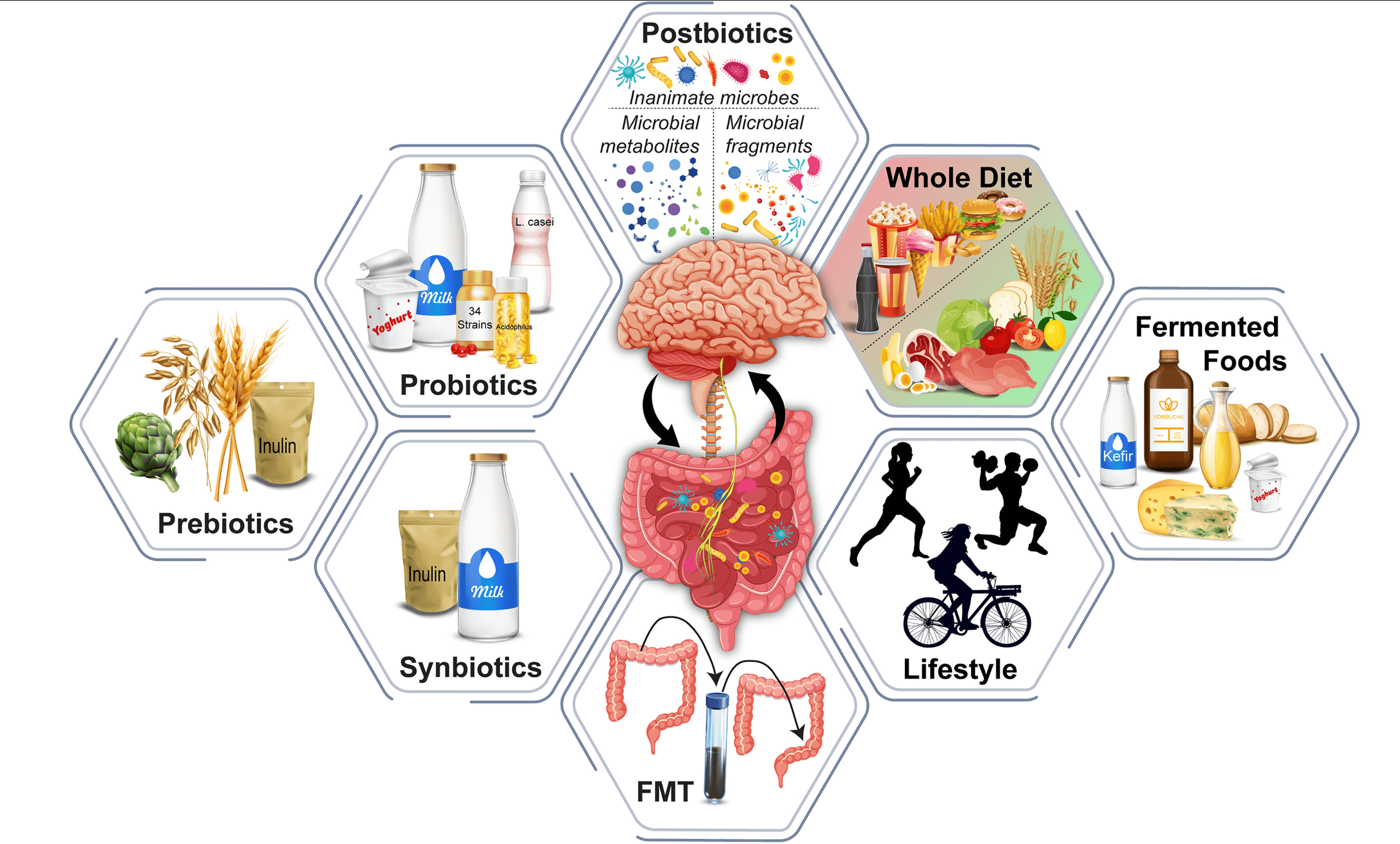
The gut microbiomeover 100 trillion microorganisms, communicates with the brain via the gut–brain axis, influencing mood, cognition, immunity, and stress regulation. Dysbiosis is linked to depression, anxiety, autism spectrum disorders, and neurodegenerative diseases, emphasizing its critical role in mental and neurological health.

Cancer, Cooperation, and Survival: Rethinking Disease Through Evolution
Health & Medicine

Cancer, Cooperation, and Survival: Rethinking Disease Through Evolution

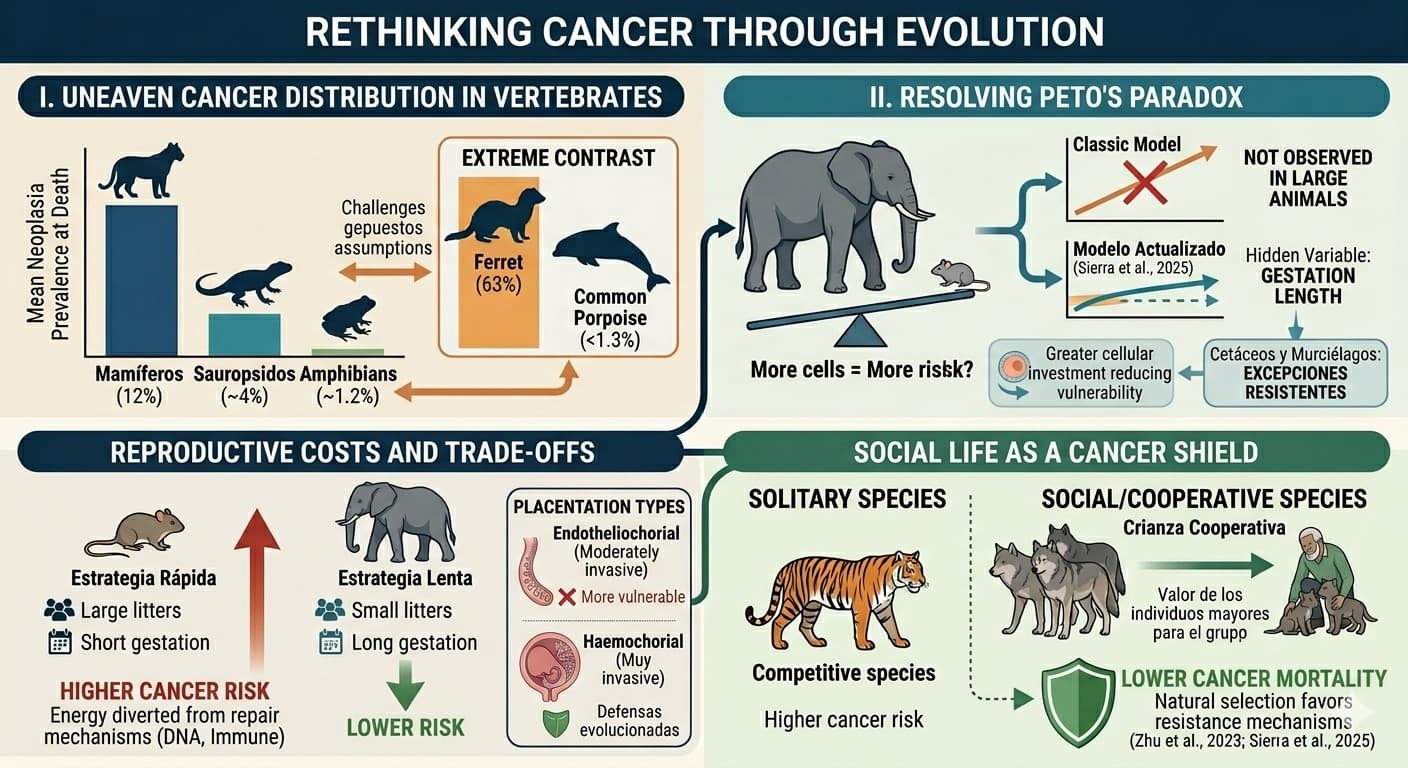
In this study, I explore how cancer risk is distributed across the animal kingdom, emphasizing the role of life-history traits, reproductive strategies, and social behavior in shaping susceptibility to disease. Drawing on recent findings in comparative oncology, the article examines patterns that challenge traditional assumptions, such as the relationship between body size and cancer, and highlights evolutionary mechanisms that may confer resistance in certain species.

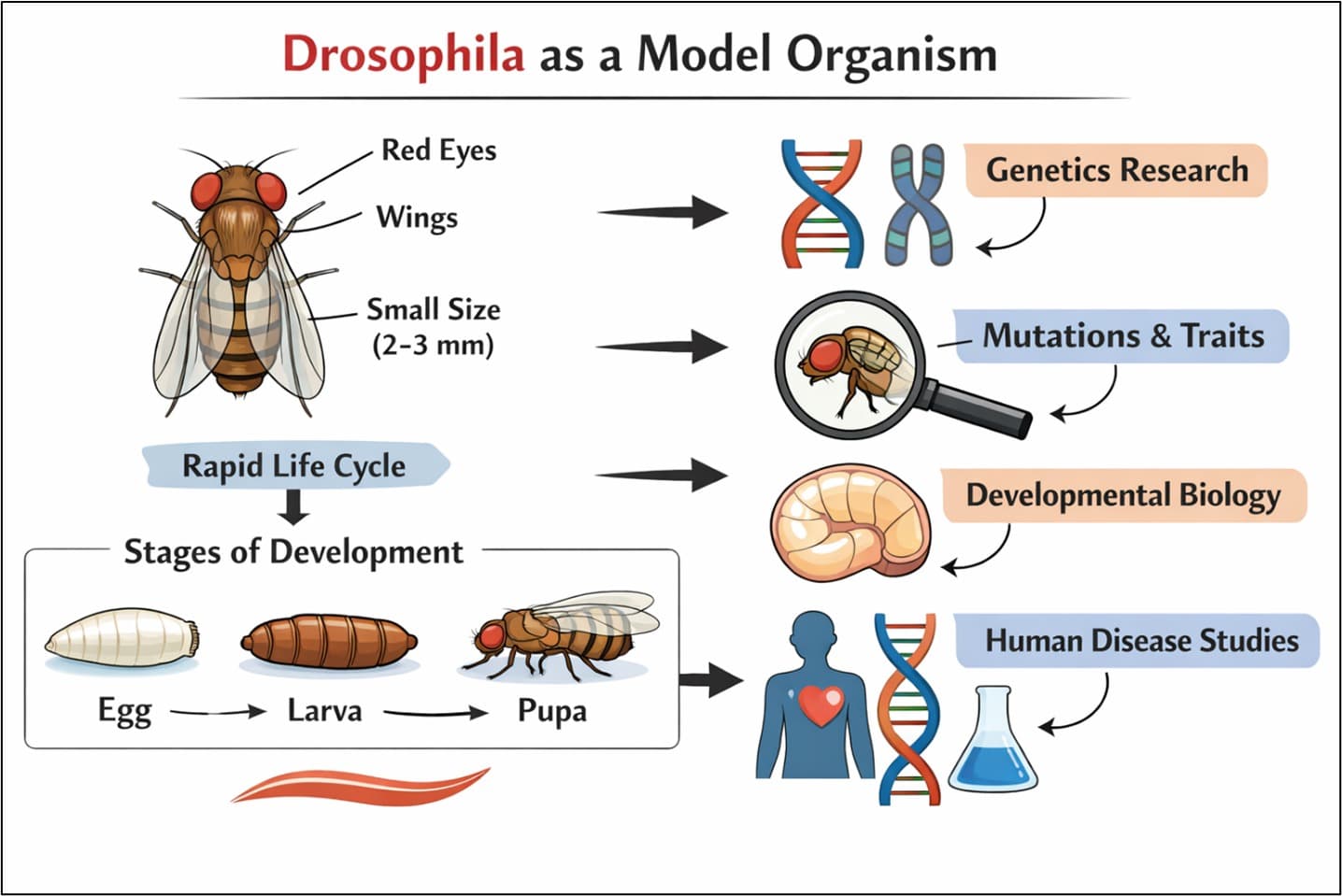
Why a Tiny Fruit Fly Helps Us Understand Human Health
Health & Medicine

Why a Tiny Fruit Fly Helps Us Understand Human Health

Small fruit fly is an excellent model organism used by scientists to study various aspect of human health and diseases such as development, regeneration, wound healing, cancer and stem cell research

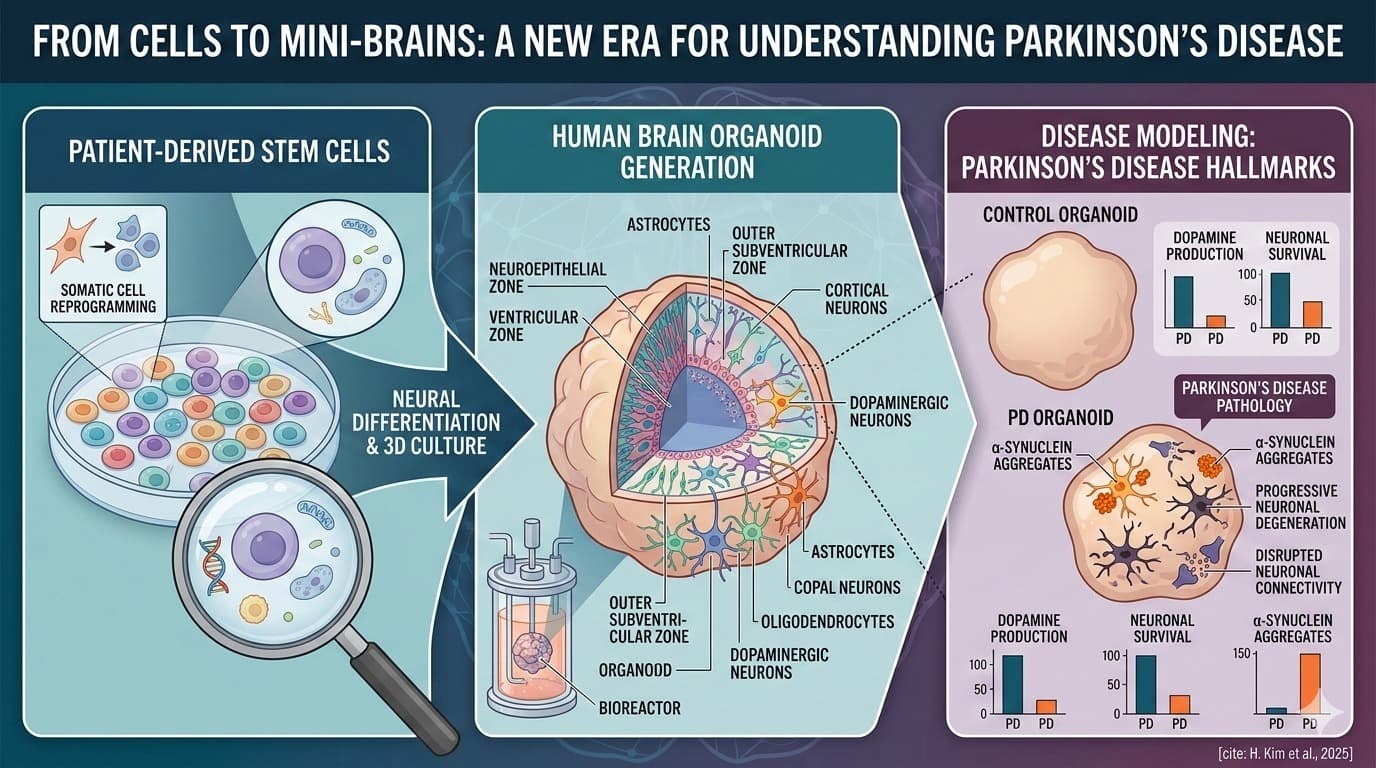
From Cells to Mini-Brains: A New Era for Understanding Parkinson’s Disease
Health & Medicine

From Cells to Mini-Brains: A New Era for Understanding Parkinson’s Disease

Understanding the human brain remains one of the greatest challenges in modern science. With billions of neurons forming intricate networks and constantly changing connections, the brain’s complexity makes it extremely difficult to study directly.

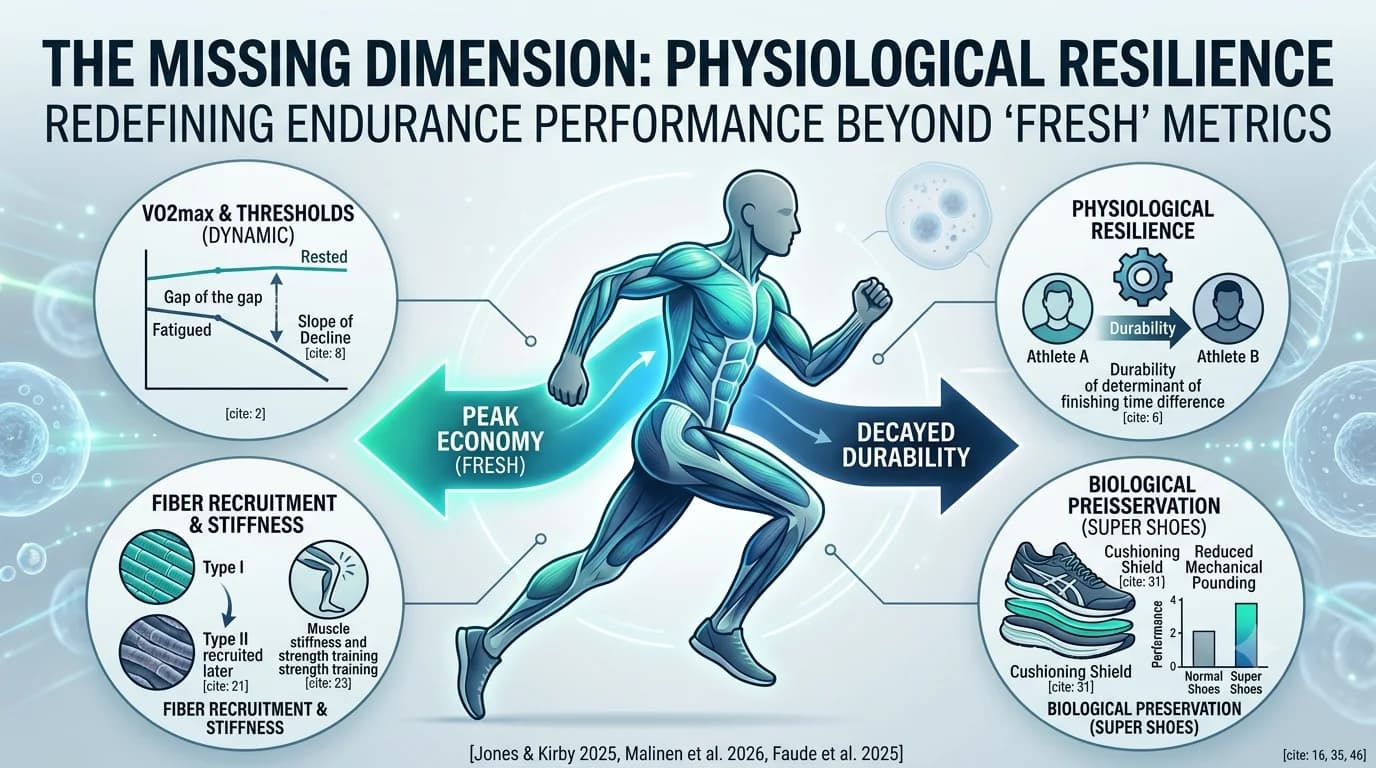
The Fourth Dimension of Human Speed
Health & Medicine

The Fourth Dimension of Human Speed

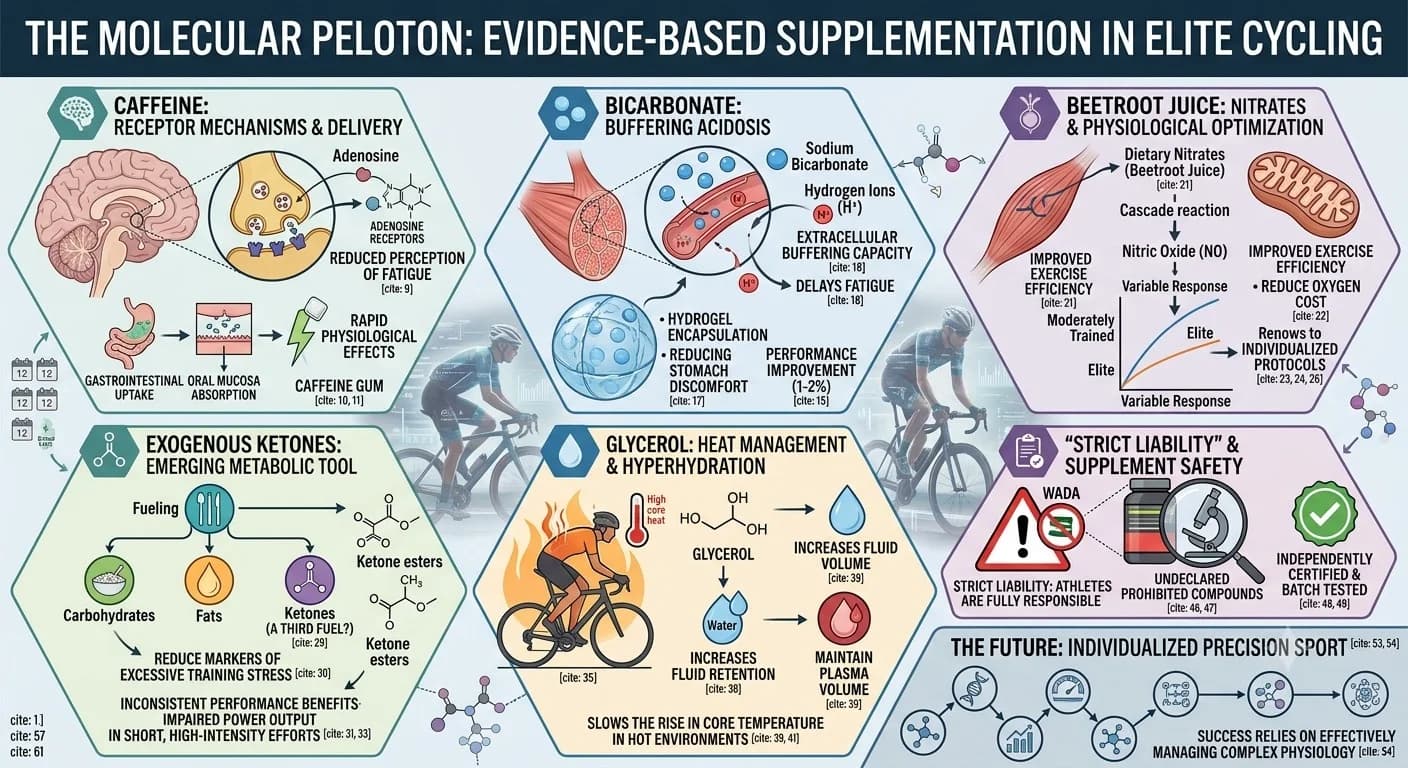
We have all witnessed the physiological "decoupling" that occurs late in a race, where at mile 20 of a marathon, a pace that felt like a metabolic steady-state two hours ago suddenly demands an all-out effort.

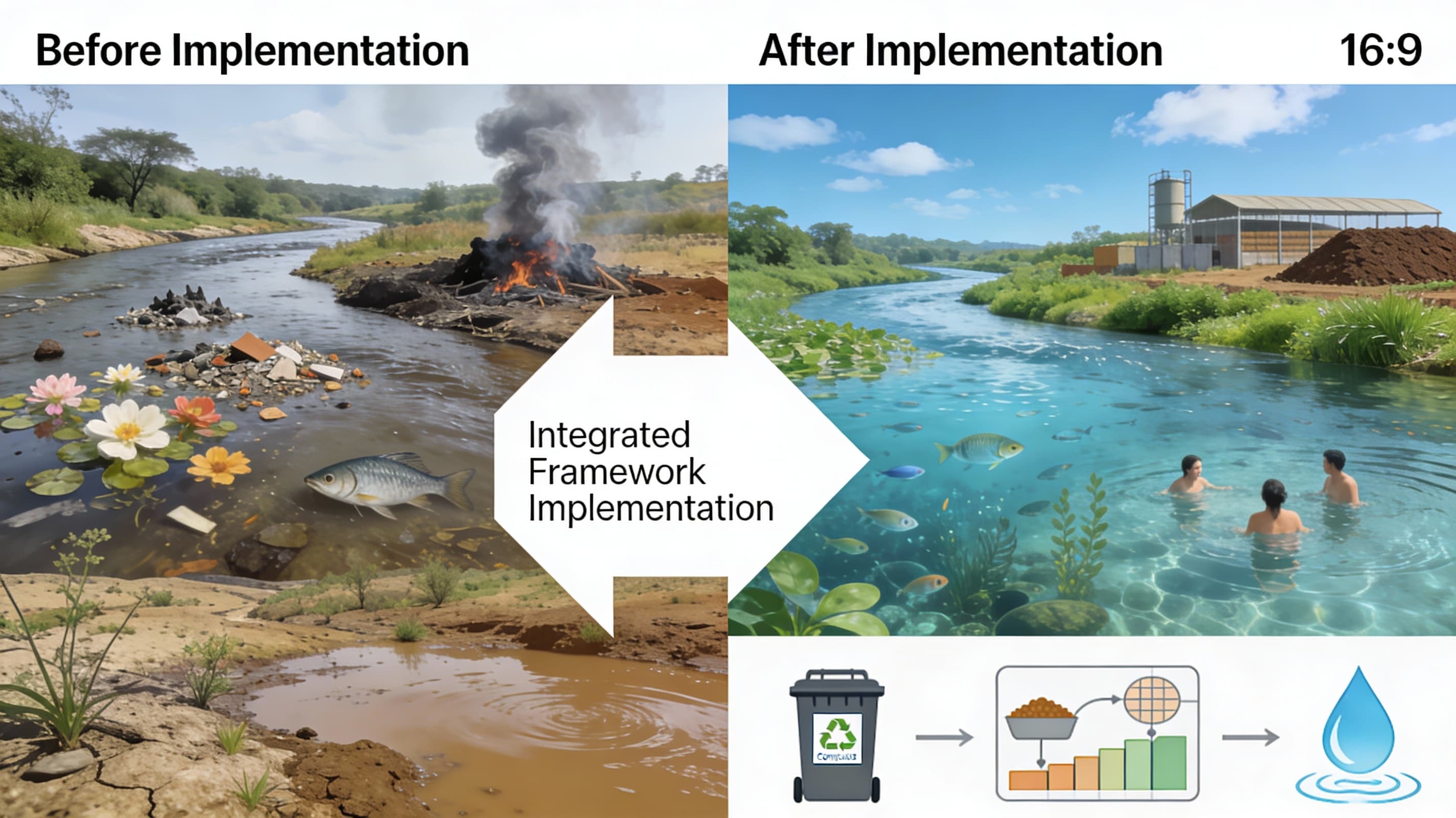
Integrating Cultural Practices with Environmental Regulation: A Framework for Reducing Air and Ecosystem Pollution
Earth & Climate

Integrating Cultural Practices with Environmental Regulation: A Framework for Reducing Air and Ecosystem Pollution

Environmental pollution in densely populated regions remains a persistent challenge, particularly where cultural, religious, and social practices intersect with fragile ecosystems. While industrial emissions and vehicular pollution have received substantial scholarly attention, the environmental impact of everyday ritual and community practices

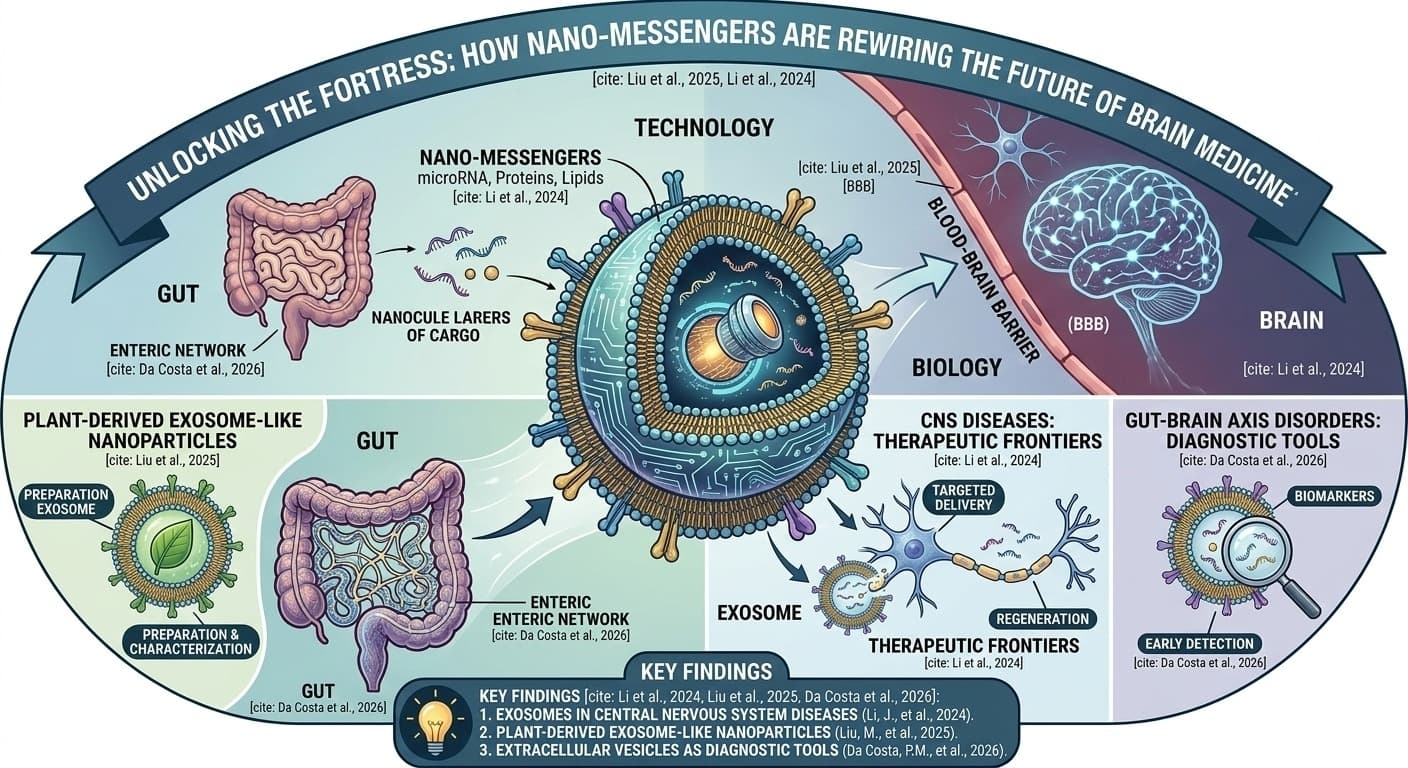
Unlocking the Fortress: How Nano-Messengers are Rewiring the Future of Brain Medicine
Health & Medicine

Unlocking the Fortress: How Nano-Messengers are Rewiring the Future of Brain Medicine

This architecture is essential for shielding neurons from toxins, pathogens, and fluctuations in the bloodstream, but it also creates a devastating bottleneck for modern medicine. More than 98% of small-molecule drugs and nearly all large biological therapeutics fail to cross the BBB in meaningful amounts, leaving many promising treatments for neurodegenerative disorders, brain tumors, and inflammatory diseases stranded in the circulation.

Page 1 of 5Next →