Discover Scientific Knowledge

Showing results for: "platelet count" (8 results)

Full Blood Count (FBC): What It Measures and Why It Matters
Health & Medicine

Full Blood Count (FBC): What It Measures and Why It Matters

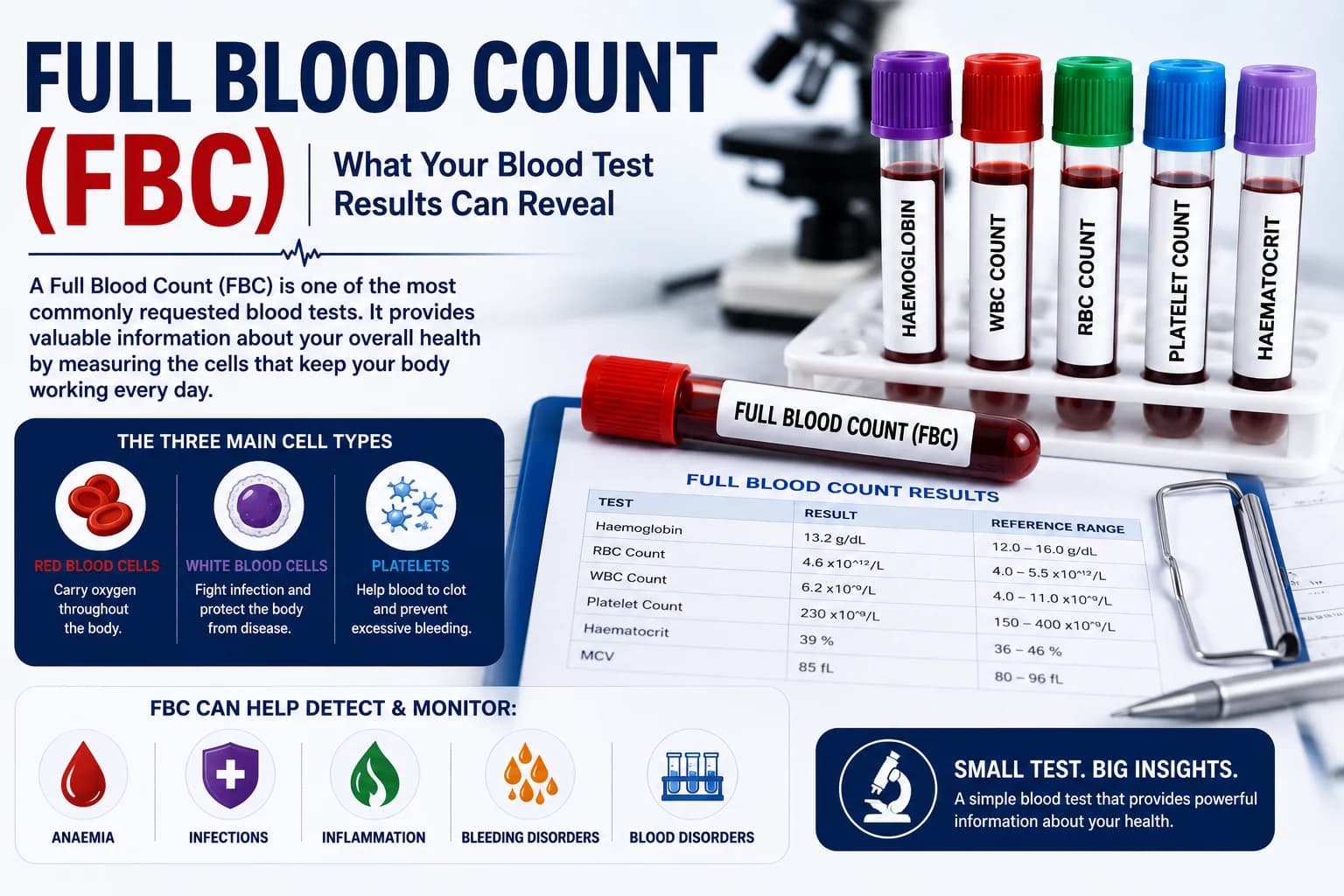
A Full Blood Count (FBC) is a blood test that measures different types of blood cells and related parameters, including red blood cells, white blood cells, platelets, haemoglobin, haematocrit and red blood cell indices. It can help healthcare professionals investigate conditions such as anaemia, infection, inflammation and certain blood disorders.


The Life Changing Science of Artificial Bones
Health & Medicine

The Life Changing Science of Artificial Bones

In Sci-fi visions of distant futures, some imagine sprawling intergalactic civilizations. Scaffolds built around stars harvesting their energy. Fusion reactors, cyborgs, superintelligent implants. But the future of artificial bones, though perhaps more mundane, could be a life saving science.

How EMT experience shapes future doctors
Health & Medicine

How EMT experience shapes future doctors

ears pass in schoolrooms where future doctors study life's inner workings, cells, chemicals, and body parts. From books they recall illness patterns, how molecules bond, ways to spot health troubles

The Internet: A Discovery That Connected the World
Science & Research

The Internet: A Discovery That Connected the World

The Internet has transformed the world, connecting people, information, and resources in unprecedented ways, even beyond physical boundaries. What began as a small research project has now grown into a global system that supports billions of devices and enables nearly every aspect of modern life. In this article, we will explore the major discoveries and milestones that contributed to the development of the Internet.

HIV Testing: Types, Window Periods and Results Explained
Health & Medicine

HIV Testing: Types, Window Periods and Results Explained

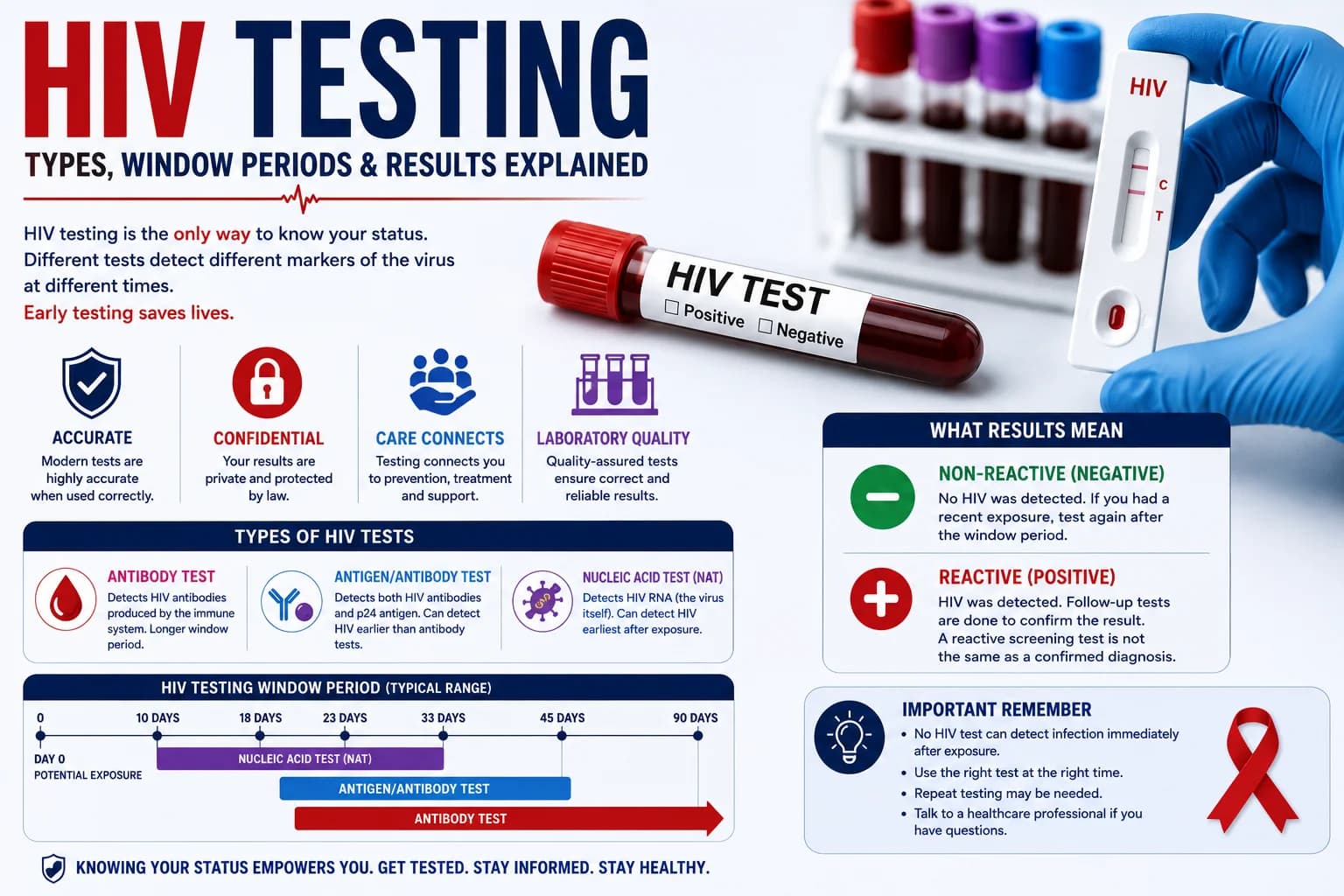
HIV testing is the process of determining whether a person has been infected with human immunodeficiency virus. Depending on the test, HIV testing can detect antibodies produced by the immune system, the HIV p24 antigen, or HIV RNA. Different tests have different detection window periods, and a reactive screening result requires appropriate follow-up testing before an HIV diagnosis is established.