
According to a study, sleeping in a dark room works wonders for your heart. During sleep, ambient light can put stress on the brain that causes arterial inflammation, which may again lead to a stroke or heart attack. Let us delve into and explore the study further.
The Recent Study Reports That Complete Darkness is Best for an Optimal Sleeping Environment

The study was presented at the American Heart Association Scientific Sessions 2025, which commenced on November 7 and continued till November 10 in New Orleans, Los Angeles. (1) There is a higher risk of cardiovascular diseases, such as stroke or heart attack, in individuals who are exposed to artificial light during sleep. The study also states that sleeping in absolute darkness works great for heart health.
Link Between Darkness and Heart Health
Our body’s circadian rhythm is maintained well when we sleep in an absolutely dark room. This circadian rhythm regulates important functions, such as hormone release, metabolism of the body, blood pressure, and heart rate.
Melatonin Production: In complete darkness, the brain receives signals to produce melatonin, which is a hormone that enhances sleep and relaxation. Exposure to light, even the light of a phone screen, can suppress the secretion of this hormone.
Physiological Rest: In a dark room, when we sleep, our heart rate, along with blood pressure, drops naturally, thus allowing the cardiovascular system to rest and repair.
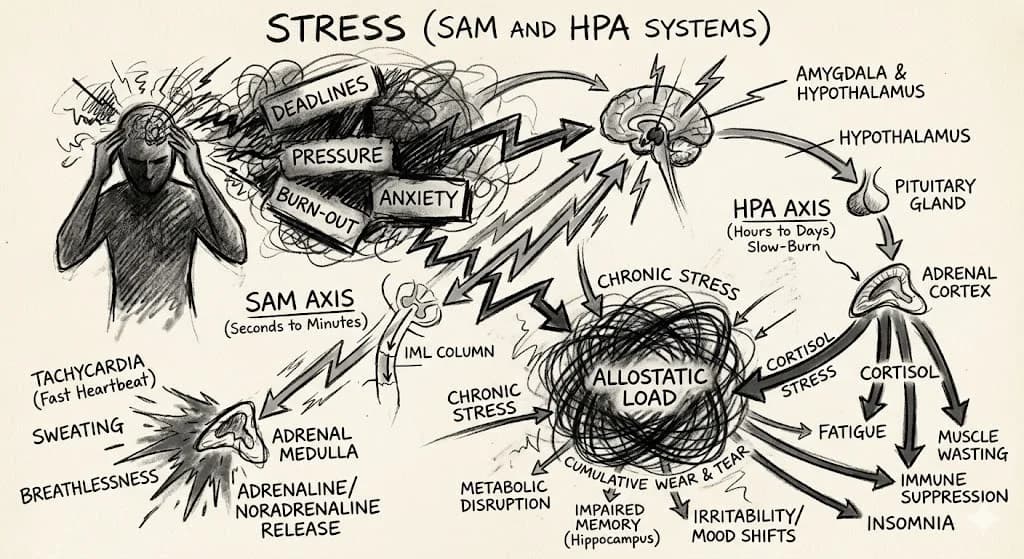
Hormonal Balance: Cortisol level, which is the stress hormone, increases with exposure to light at night. This can result in increased blood pressure and inflammation over time, which are the major causes of heart disease.
Artificial Light Leads to Inflammation and Cardiovascular Diseases
The recent study included 466 adults who had PET/CT brain imaging scans at Massachusetts General Hospital in Boston between 2005 and 2008.
The median age of participants was 55, and 43% of them were male. Nearly 90% were white, and just over 10% were non-white participants.
The CT scans of participants revealed the anatomical details of their brains, while the PET scans recorded metabolic activity in their tissues. None of the study participants suffered from heart disease or cancer during their scans.
The study authors measured the lighting conditions in each of the homes where the participants were sleeping.
This new study supports the growing body of evidence that suggests the healthiest way to sleep is to dark rooms to sleep.
A 2022 study in which one group of study participants slept in a typical room with light at around 100 lux, considered to be at the low end of lighting in their bedroom, while another group was made to sleep in a dimmer light of less than 3 lux. (2)
It was found from the study that the first group of study participants exhibited a reduced level of deep sleep, an increased heart rate, and impaired insulin sensitivity.
Another cohort study suggests that the same typical level of room light or a dimly lit room was linked to a higher risk of cardiovascular disease. (3)
How Does the Quality of Sleep Affect Heart Health?
The blue light emitted from the mobile screens hinders a sound sleep; however, ambient light is also a contributor. A 2014 study including 700 older individuals found a direct association between LAN (Light at night) and atherosclerosis (4)
According to Jayne Morgan, MD, cardiologist and vice president of Medical Affairs for Hello Heart, stress causes inflammation, which in turn plays a major role in the onset of atherosclerosis, and thus stroke and heart disease.
Morgan also added, “Those with brighter bedrooms have shown higher rates of heart disease.” Additionally, she also mentioned that quality sleep duration is highly essential for heart health. Less than 6 hours of sleep increased the chance of developing heart disease.
Tips for Creating an Optimal Sleep Environment
Creating a cool and dark environment for sleep can protect your cardiovascular health. Below are some tips to create an optimal sleep environment.
Eliminate Device Light: Turn off your phones or other electronic devices at least one hour before bed.
Use Blackout Curtains in Your Bedroom: These curtains block out external light from street lamps or other light sources.
Wear an Eye Mask: Sometimes, when there are no options to block the external lights, wearing an eye mask is a great alternative for ensuring complete darkness.
Choosing darkness during sleep is a simple and cost-effective way to significantly lower your risk of serious heart problems and improve your overall well-being. If you have been sleeping in brighter rooms, then switch this habit to sleeping in darkness and protect your cardiovascular health.



Discussion