
Introduction
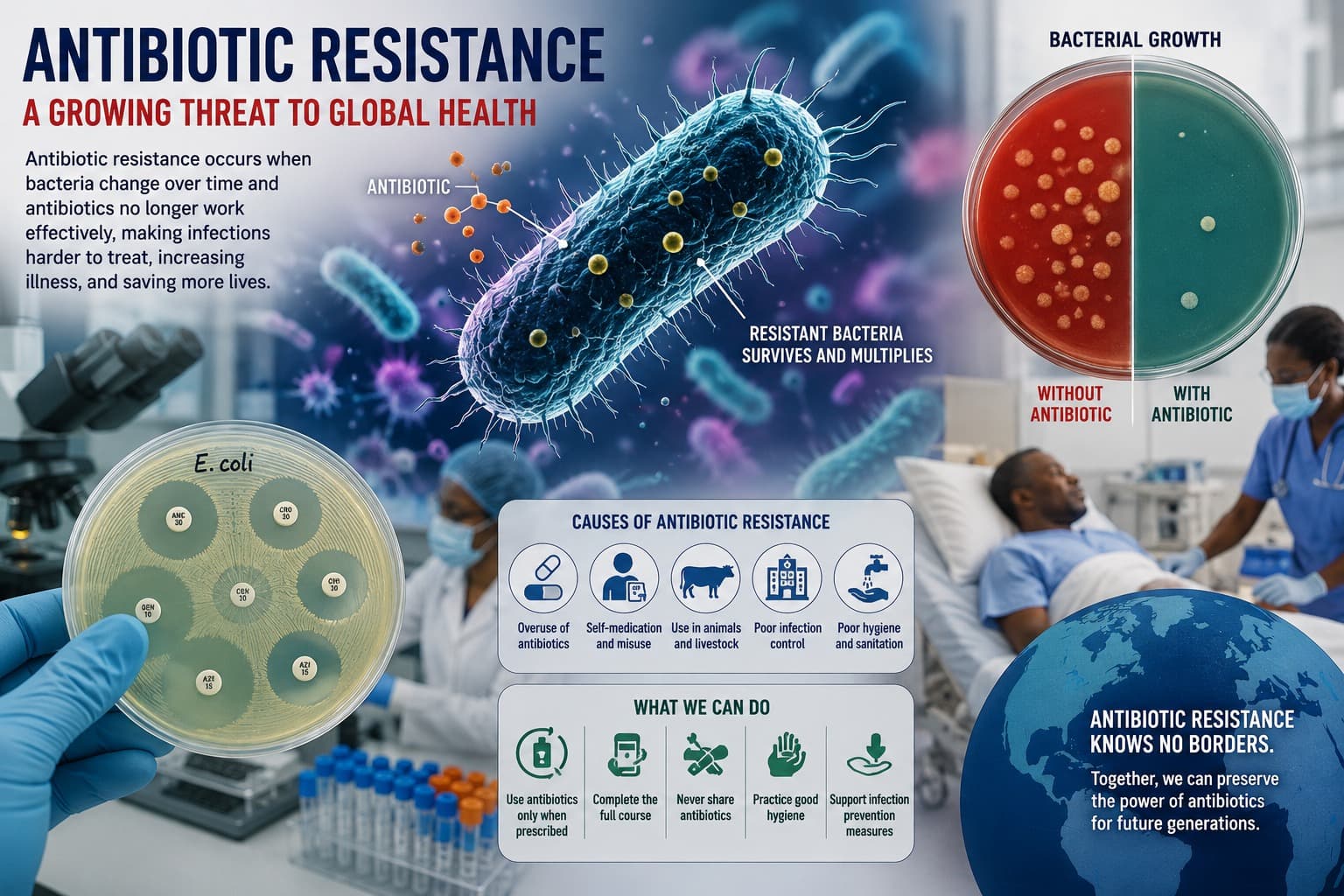
When you take an antibiotic pill for a lung infection, most of the drug circulates through your bloodstream, kidneys, and liver before reaching your lungs. Only a fraction makes it to where the infection lives. What if we could deliver antibiotics directly to infected airways, using smaller doses while achieving better results? This is the promise of inhaled antibiotic therapies—a strategy that's reshaping how we fight one of medicine's most urgent challenges: antibiotic-resistant respiratory infections.
The Delivery Problem
Traditional antibiotic delivery creates inefficiencies. Oral or intravenous antibiotics achieve lung concentrations substantially lower than blood levels. To compensate, doctors prescribe higher doses, which bring more side effects: gastrointestinal problems, kidney toxicity, and disruption of beneficial gut bacteria. For chronic respiratory infections, bacteria form protective biofilms in thick airway mucus, becoming dramatically more resistant to systemic antibiotics than free-floating bacteria (Guitor & Wright, 2018).
The Inhaled Advantage
Inhaled therapy flips this approach. When antibiotics are delivered as fine particles directly to the airways, they achieve substantially higher lung concentrations than oral or intravenous routes—while using smaller total doses. This direct delivery enables therapeutic drug levels at the infection site that would be difficult or impossible to achieve safely through systemic administration.
The reduced systemic exposure means fewer side effects and less disruption to the gut microbiome, which provides natural protection against colonization by resistant pathogens. The lungs themselves are remarkably suited for drug delivery, with a surface area exceeding 100 square meters and a thin barrier between airways and bloodstream that enables both rapid absorption and sustained local action.
Getting the Science Right
Particle size determines where in the respiratory tract drugs deposit. Particles larger than 10 micrometers impact in the throat and never reach deep lung infections. Particles smaller than 1 micrometer are often exhaled. The optimal range for pulmonary delivery lies between 1-5 micrometers—small enough to penetrate the bronchi and bronchioles, large enough to deposit efficiently (Grenha et al., 2020).
Modern inhalers use engineered microparticles designed for optimal flow, stability, and dispersion. Researchers are now developing "intelligent" particles that respond to lung environments. Some formulations use natural polymers like locust bean gum to release antibiotics gradually (Grenha et al., 2020). Others incorporate mucus-penetrating properties to reach bacteria hiding in the thick secretions of cystic fibrosis or chronic obstructive pulmonary disease (COPD) (Chen et al., 2021).
Proven Success and Expanding Applications
Inhaled antibiotics have transformed care for cystic fibrosis patients, who battle chronic Pseudomonas aeruginosa infections throughout their lives. Inhaled tobramycin, aztreonam, and colistin have become standard treatments, reducing exacerbations and preserving lung function without the toxicity of prolonged systemic antibiotics.
COPD patients represent another growing application. Since bacterial infections drive approximately 50% of COPD exacerbations (Papi et al., 2006), clinical trials of inhaled antibiotics have shown promising results in reducing these events. Interest is expanding to acute pneumonia, bronchiectasis, and ventilator-associated pneumonia—conditions where direct delivery to infected tissue could minimize both systemic toxicity and microbiome disruption.
Beyond Traditional Antibiotics
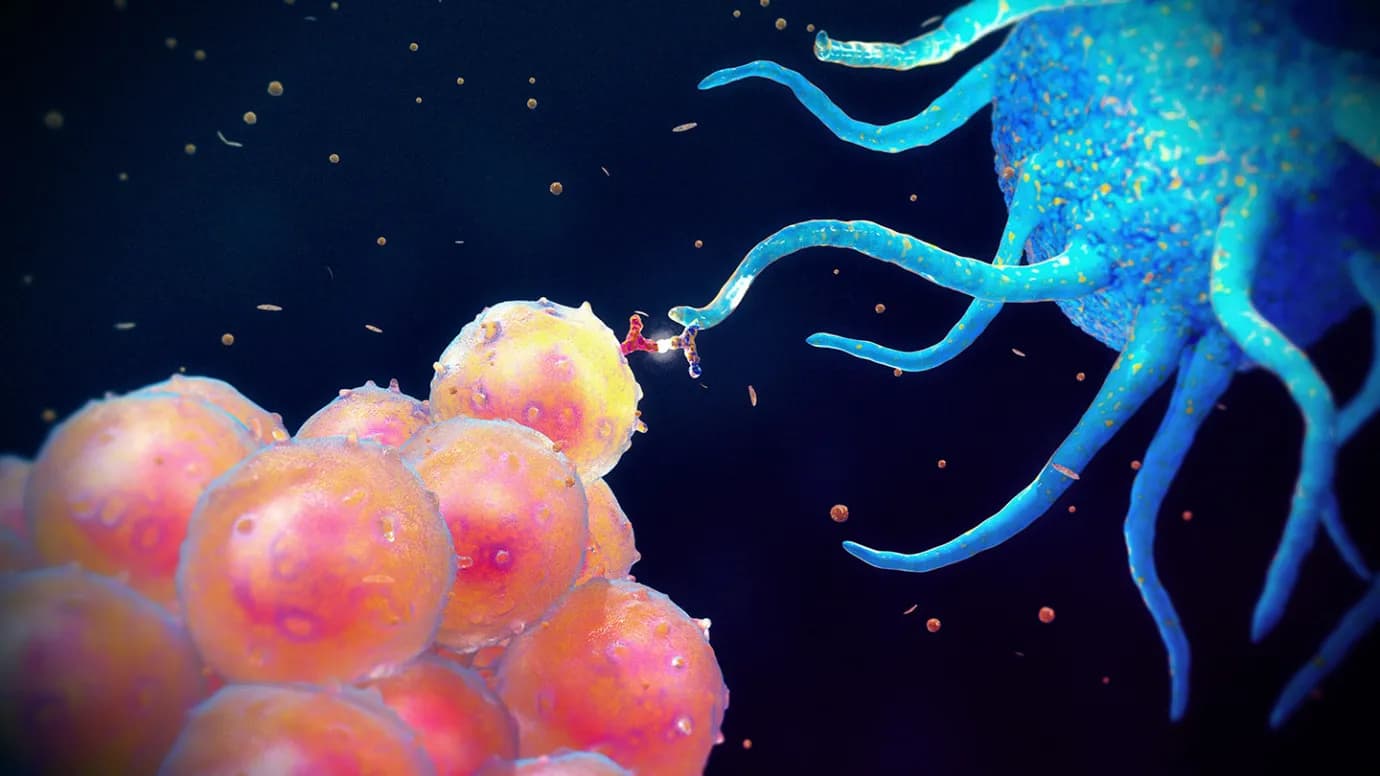
Pulmonary delivery principles extend beyond conventional antibiotics. Bacterial lysates—preparations of beneficial bacterial components—are emerging as prophylactic agents that train the immune system to respond more effectively to respiratory pathogens (Suarez et al., 2020). Clinical studies show they can reduce recurrent infection frequency without contributing to antibiotic resistance (Suarez et al., 2020).
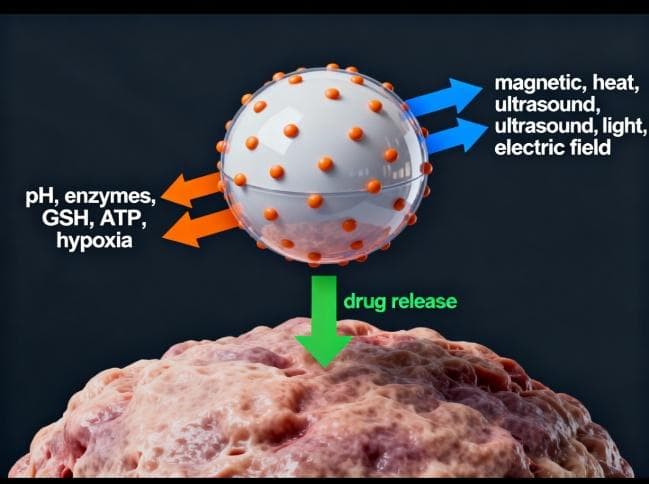
Postbiotics, preparations of bacterial components rather than live organisms, offer immune-modulating benefits without the risks of introducing bacteria into vulnerable patients (Salminen et al., 2021). Nanotechnology opens additional possibilities: engineered particles that target specific cells, release drugs responding to infection-related changes, or combine antibiotics with biofilm-disrupting agents to address the most challenging chronic infections.
The Path Forward
Despite clear advantages, challenges remain. Development requires formulations that stay stable, deliver consistent doses, and work across diverse populations. Regulatory pathways demand proof not just of efficacy but also proper dosing and long-term safety. Patient technique matters—unlike pills, inhalers require coordination and proper breathing patterns.
Yet opportunities are immense. As resistance spreads, inhaled delivery maximizes antibiotic effectiveness while minimizing resistance development. High lung concentrations mean even antibiotics with reduced systemic susceptibility might work when delivered directly to infections. Combination approaches pairing antibiotics with immune enhancers or biofilm disruptors could create synergies difficult for bacteria to overcome.
Conclusion
The future of antibiotic therapy isn't just discovering new drugs—it's delivering existing ones more intelligently. Inhaled therapies show that sometimes the best innovation is how we deliver medicine, not what we deliver. By targeting antibiotics directly to infected lungs, we achieve better outcomes with fewer side effects while potentially slowing resistance spread. The race against antibiotic resistance continues, but inhaled therapies give us a strategic advantage: delivering medicine where infections live.


Discussion