Discover Scientific Knowledge

Showing results for: "access" (33 results)

The Internet: A Discovery That Connected the World
Science & Research

The Internet: A Discovery That Connected the World

The Internet has transformed the world, connecting people, information, and resources in unprecedented ways, even beyond physical boundaries. What began as a small research project has now grown into a global system that supports billions of devices and enables nearly every aspect of modern life. In this article, we will explore the major discoveries and milestones that contributed to the development of the Internet.
Integrating Cultural Practices with Environmental Regulation: A Framework for Reducing Air and Ecosystem Pollution
Earth & Climate

Integrating Cultural Practices with Environmental Regulation: A Framework for Reducing Air and Ecosystem Pollution

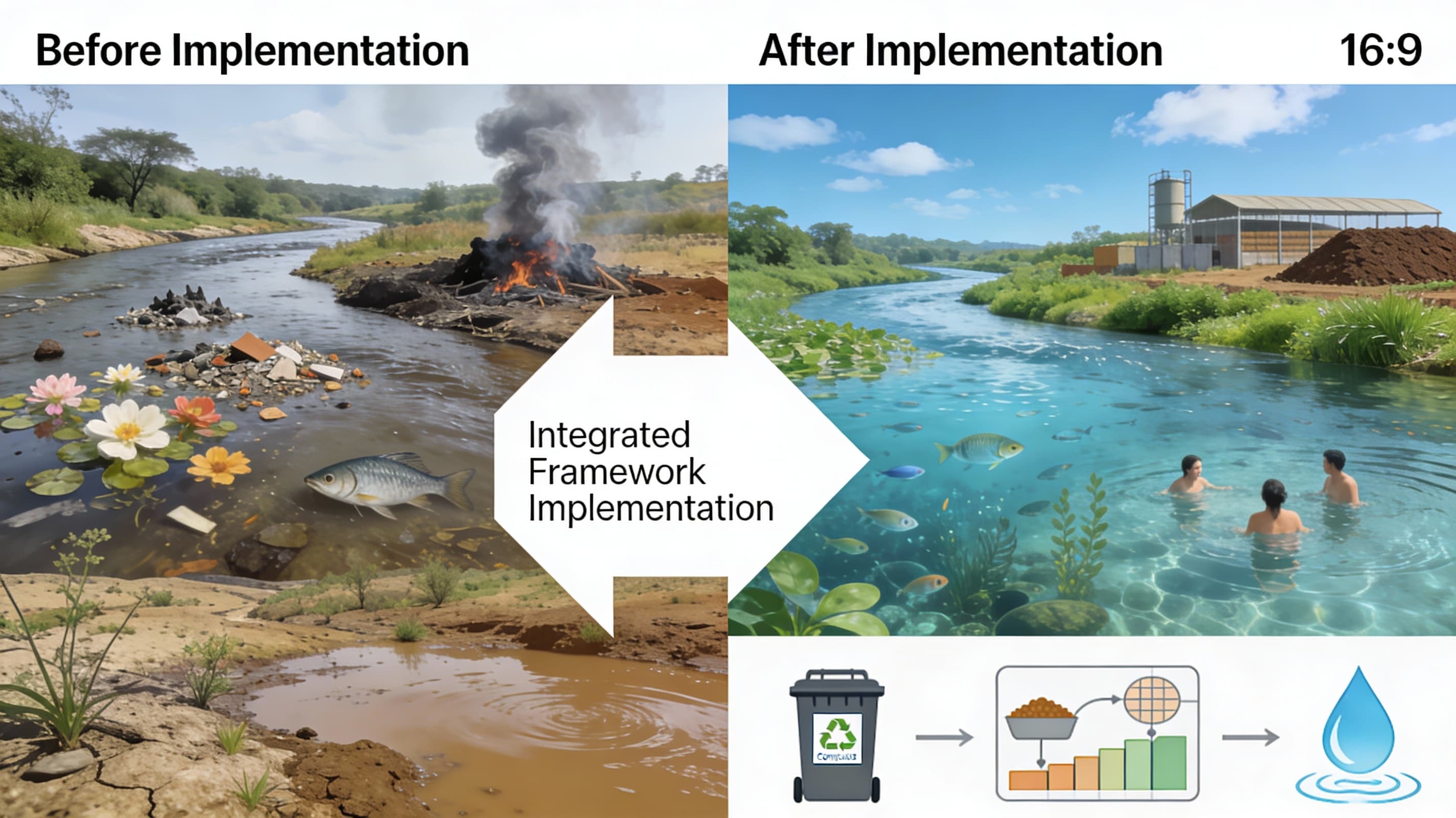
Environmental pollution in densely populated regions remains a persistent challenge, particularly where cultural, religious, and social practices intersect with fragile ecosystems. While industrial emissions and vehicular pollution have received substantial scholarly attention, the environmental impact of everyday ritual and community practices

From Lab to Living Room: Making Sense of Clinical Trials
Health & Medicine

From Lab to Living Room: Making Sense of Clinical Trials

This article will unlock that box, exploring the crucial process of translating complex clinical trial evidence into clear, understandable information for everyone. We'll journey from the surprising origins of clinical trials to the modern-day push for transparency, and discover why making science accessible is not just a convenience, but a necessity for public trust and informed health decisions.

Biosimilars: A New Era in Biologic Therapy
Health & Medicine

Biosimilars: A New Era in Biologic Therapy

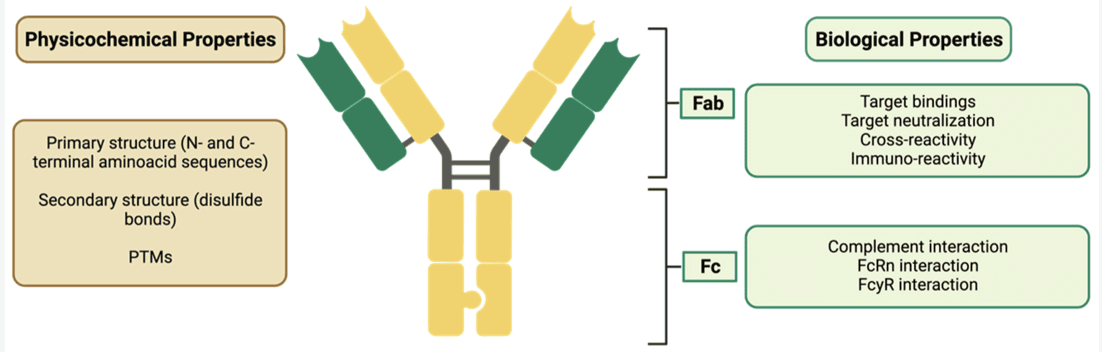
Biologics have transformed the management of chronic and life-threatening diseases such as cancer, autoimmune disorders, and metabolic conditions. However, their complexity, high production costs, and limited affordability continue to challenge healthcare systems worldwide.

If you could change your genes, would you?
Health & Medicine

If you could change your genes, would you?

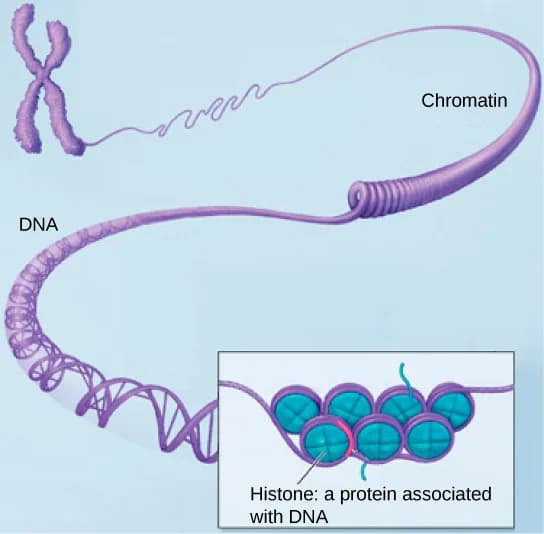
Epigenetics is transforming how scientists understand the bridge between genes and behavior, opening the door to a new era of mental health treatment.

DNA Data Storage: The Future of Biological Archiving
Health & Medicine

DNA Data Storage: The Future of Biological Archiving

As global data generation continues to grow exponentially, traditional storehouse innovations face challenges related to capacity, energy consumption, and long- term preservation. DNA data storehouse offers a revolutionary result by garbling computerized information into synthetic DNA molecules. This explores DNA data storage, its basics, uses, benefits, and ethics, and how it could change future data archiving.

Antibiotic Resistance: The Silent Threat to Modern Medicine
Health & Medicine

Antibiotic Resistance: The Silent Threat to Modern Medicine

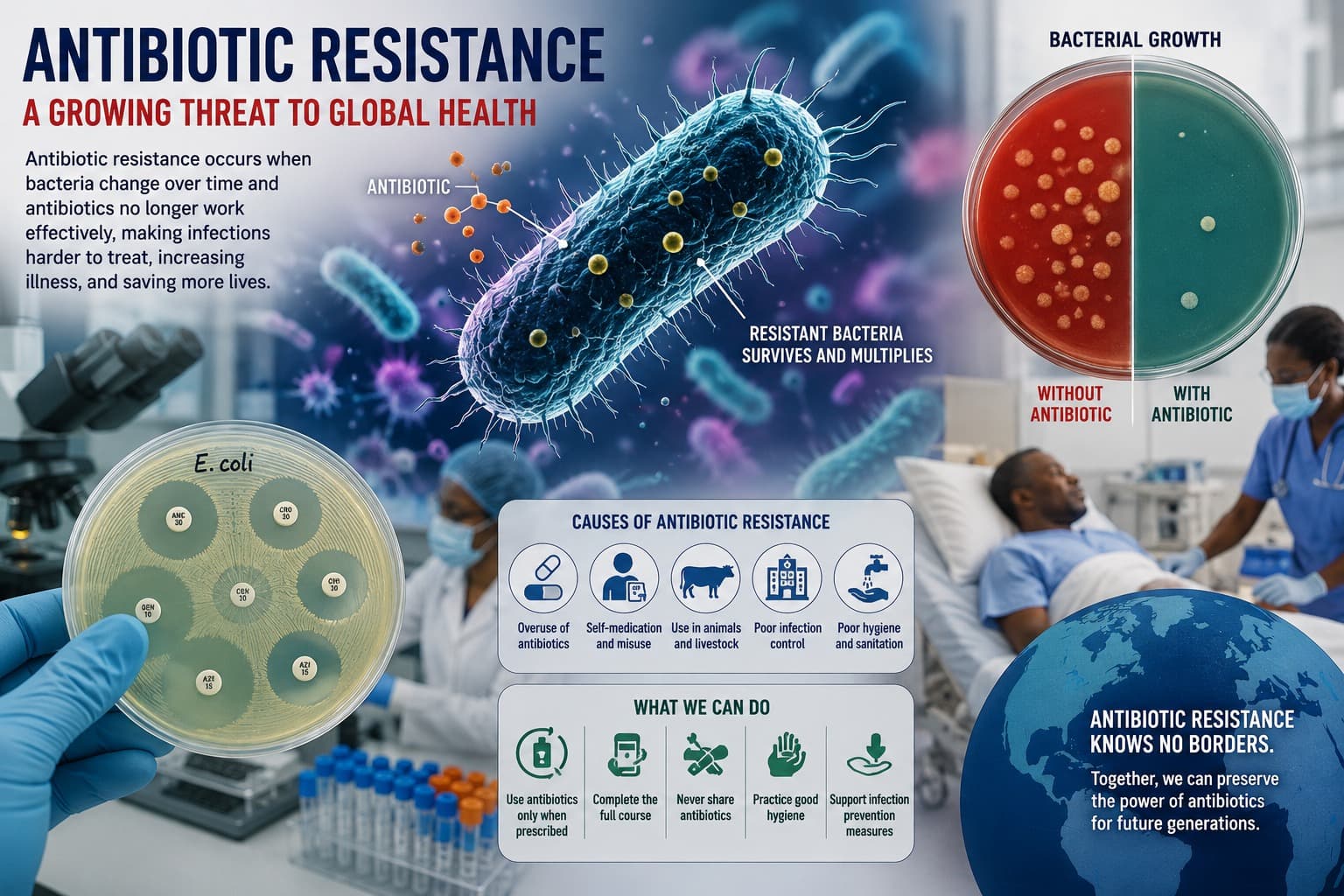
Antibiotic resistance is making common infections hard to treat. Learn why it happens, how it affects communities in Nigeria and beyond, and what we can do to protect these life-saving medicines.

HIV Testing: Types, Window Periods and Results Explained
Health & Medicine

HIV Testing: Types, Window Periods and Results Explained

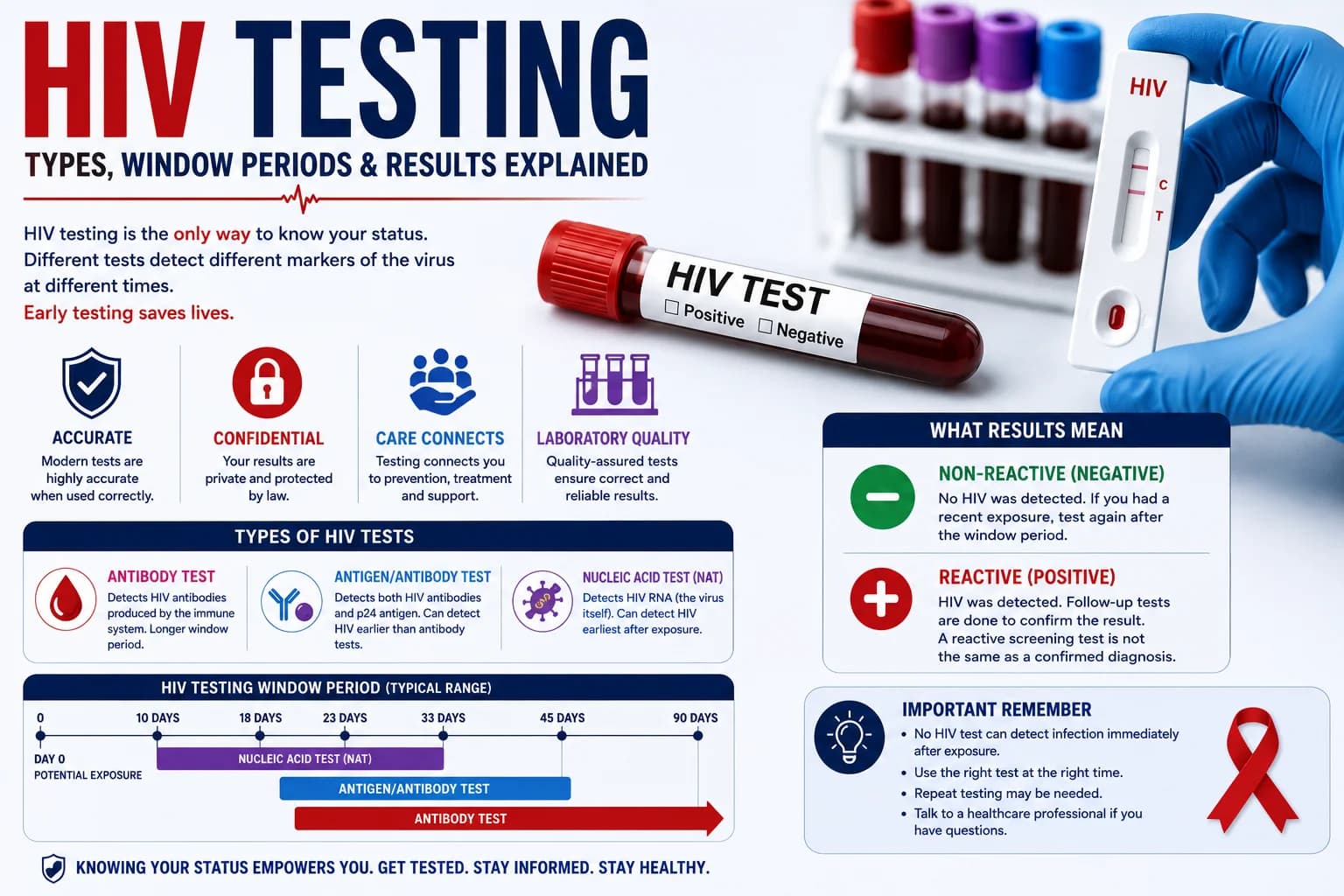
HIV testing is the process of determining whether a person has been infected with human immunodeficiency virus. Depending on the test, HIV testing can detect antibodies produced by the immune system, the HIV p24 antigen, or HIV RNA. Different tests have different detection window periods, and a reactive screening result requires appropriate follow-up testing before an HIV diagnosis is established.

Why We Need Verification and Validation of Medical Devices
Tech & AI

Why We Need Verification and Validation of Medical Devices

Title 21 Part 820 of the Code Of Federal Regulations (CFR) details the requirements for the design and production of medical devices. These strict, comprehensive requirements are in place for good reason, we want these devices to work.

Page 1 of 2Next β†’