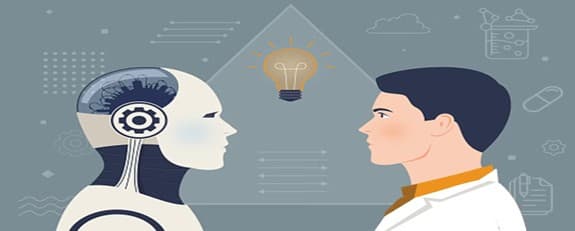
Ethical & Risk Based approach to Safe & Effective Implementation of AI in Healthcare
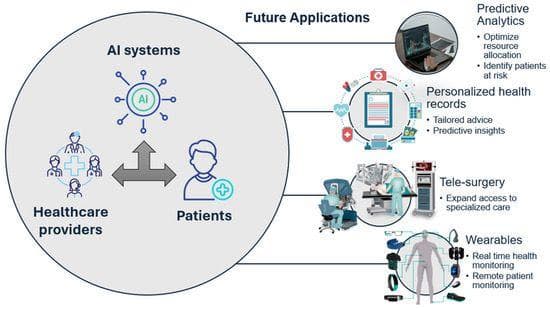
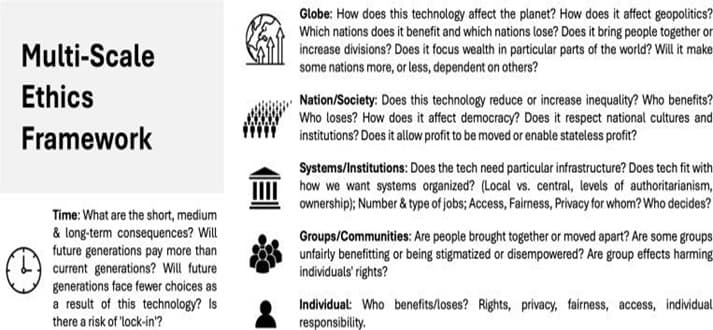
With the potential of AI tools revolutionizing the world of healthcare, there are ethical risk factors that need to be looked at before their implementation.
Showing results for: "implementation healthcare" (54 results)

With the potential of AI tools revolutionizing the world of healthcare, there are ethical risk factors that need to be looked at before their implementation.

Artificial Intelligence AI with itβs widespread use in various sectors has also taken a dive into healthcare by transforming clinical practice and improving patient care.

Learn how data privacy affects daily technology use, the risks of oversharing personal information, and practical ways to stay protected online.

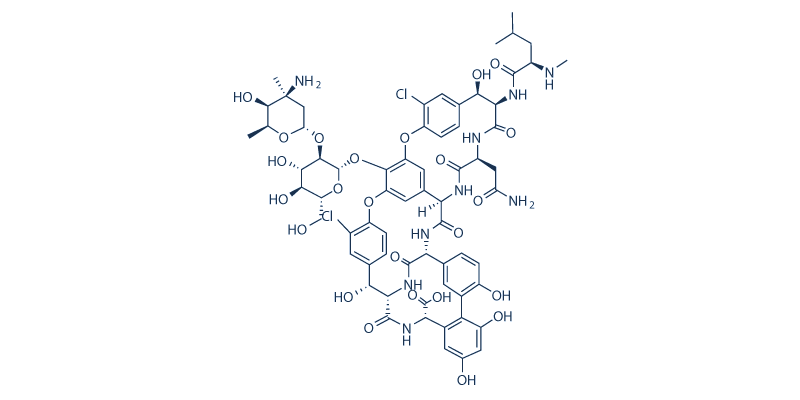
Vancomycin is an essential glycopeptide antibiotic used to treat life-threatening infections caused by Gram-positive bacteria, particularly Methicillin-Resistant Staphylococcus aureus (MRSA). It functions by inhibiting bacterial cell-wall synthesis and is still the most potent drug to be used when others fail (Patel, Preuss, & Bernice, 2023).

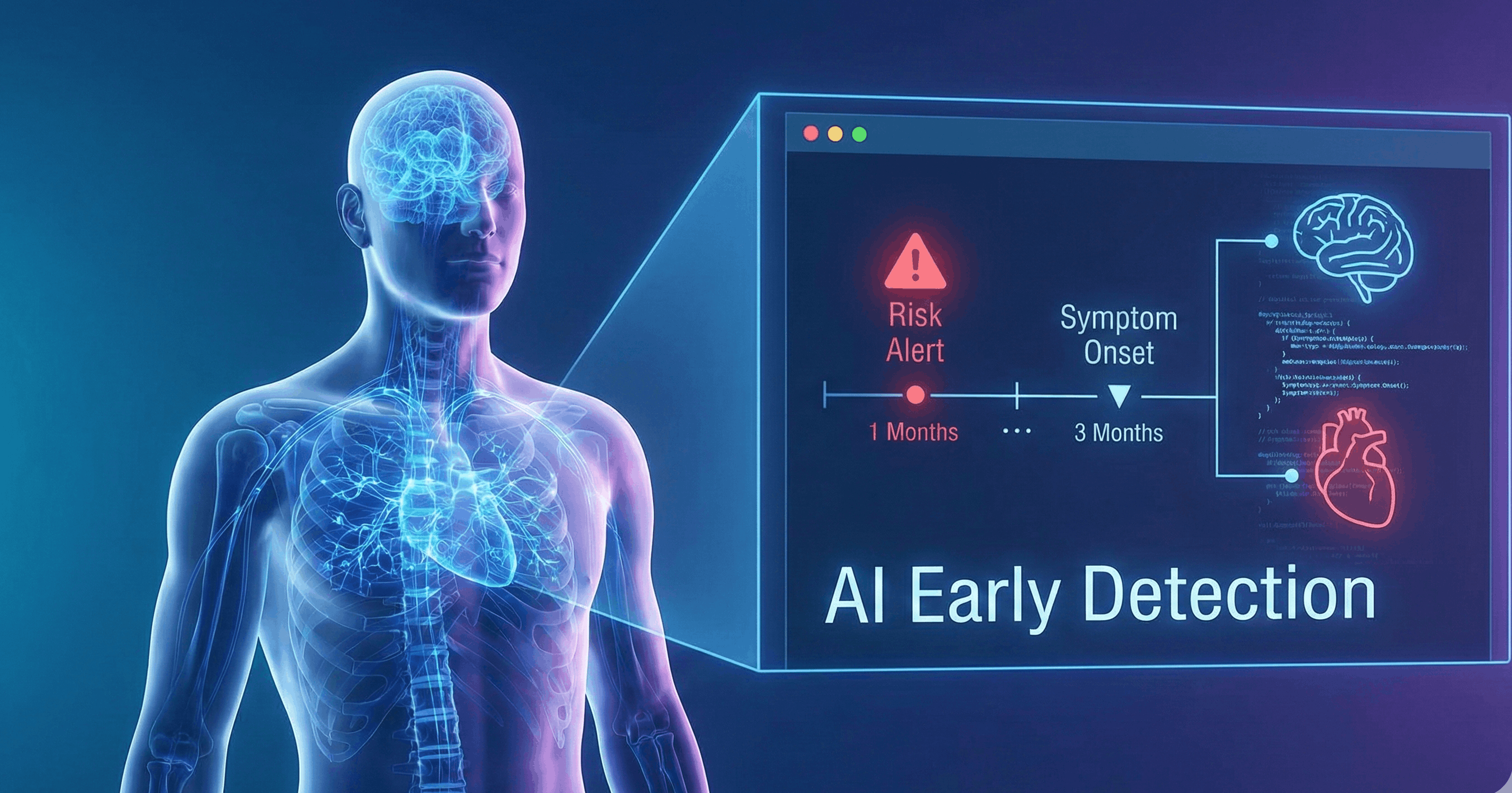
Modern healthcare is undergoing a silent revolution. Now to treat a disease in the healthcare system, there is no longer a need to wait for symptoms to appear.

Radiology is more than just X-rays. See how it evolved, how it works, and how AI is making diagnosis faster, safer, and better for everyone

Discover how AI is reshaping radiology, from faster diagnoses to improved accuracy, and what this means for patients and healthcare professionals.

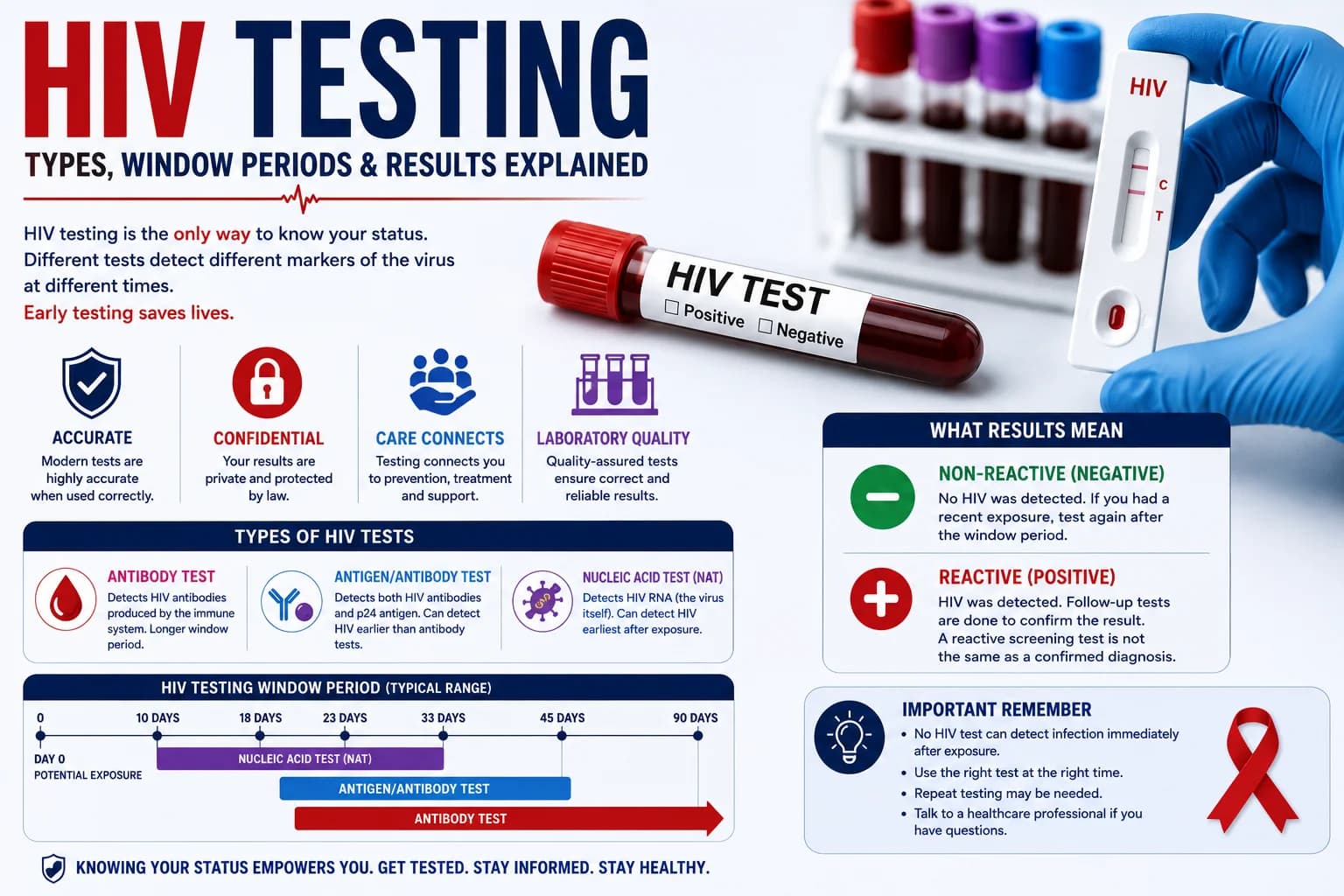
HIV testing is the process of determining whether a person has been infected with human immunodeficiency virus. Depending on the test, HIV testing can detect antibodies produced by the immune system, the HIV p24 antigen, or HIV RNA. Different tests have different detection window periods, and a reactive screening result requires appropriate follow-up testing before an HIV diagnosis is established.

Can algorithms predict sickness before you feel it? Explore how AI is using smartwatch data and ECGs to detect diseases like Alzheimer's and AFib early.

Artificial Intelligence(AI) is reshaping the future of healthcare. The US and UK healthcare systems started to adopt tools like AI Scribe and conversational chatbots, as they claimed to outperform clinicians in diagnostics. Survey data from over 100 physicians polled by Fierce Healthcare and Sermo indicate that many doctors are using general-purpose LLMs for clinical tasks.

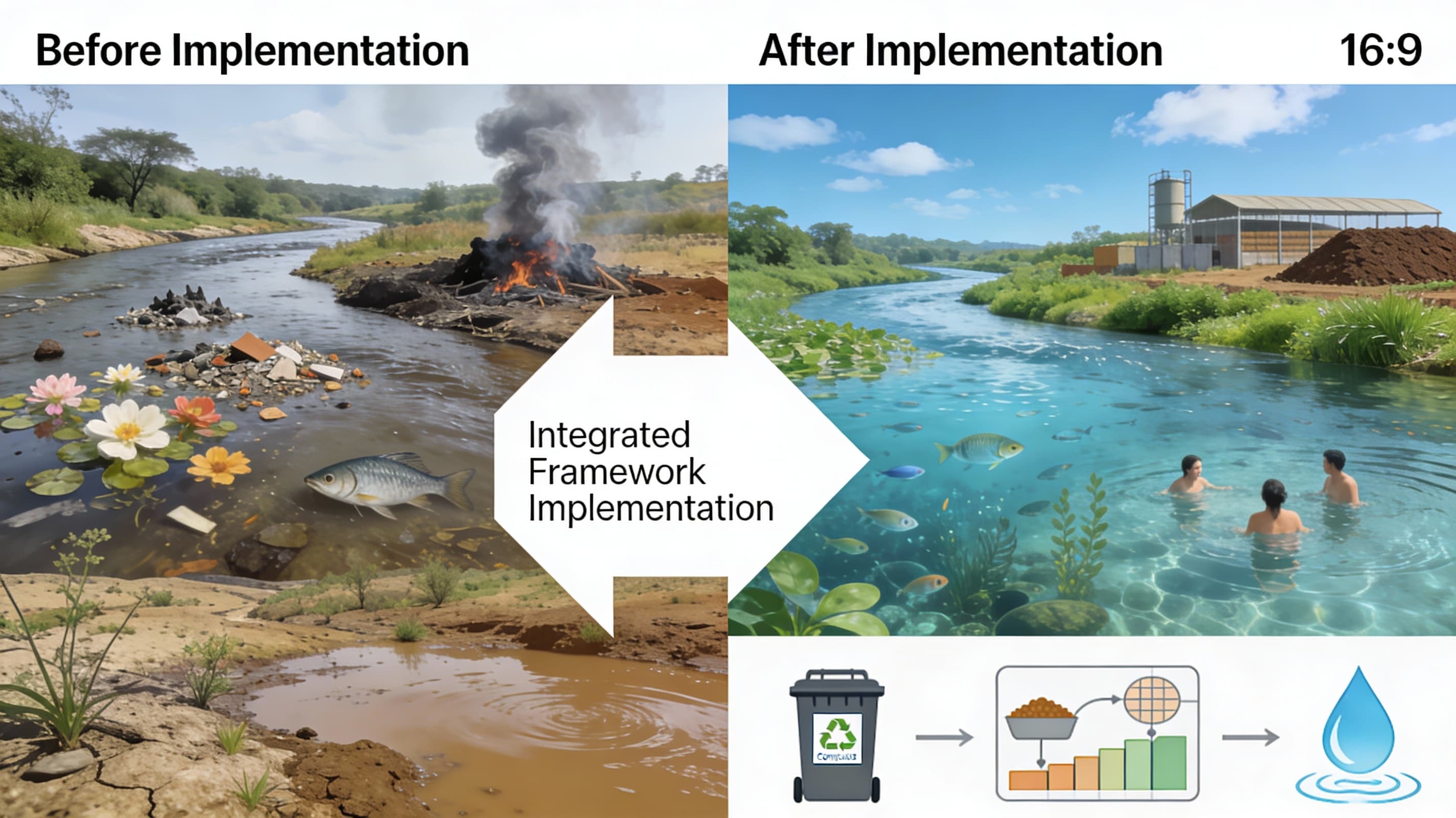
Environmental pollution in densely populated regions remains a persistent challenge, particularly where cultural, religious, and social practices intersect with fragile ecosystems. While industrial emissions and vehicular pollution have received substantial scholarly attention, the environmental impact of everyday ritual and community practices

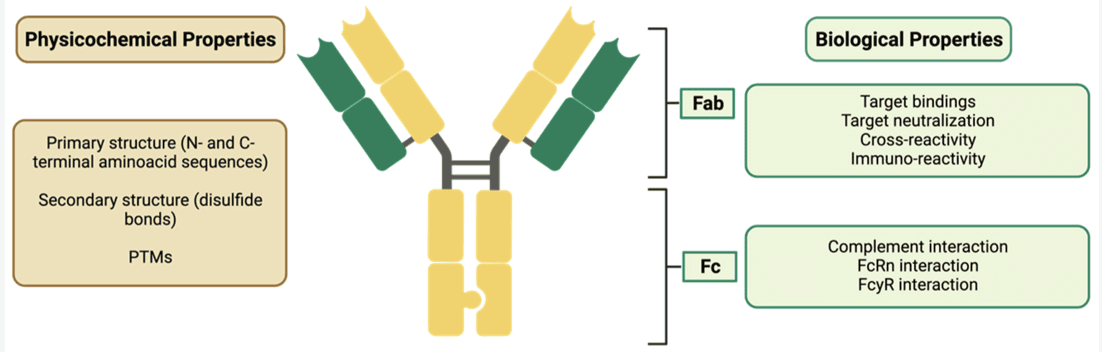
Biologics have transformed the management of chronic and life-threatening diseases such as cancer, autoimmune disorders, and metabolic conditions. However, their complexity, high production costs, and limited affordability continue to challenge healthcare systems worldwide.

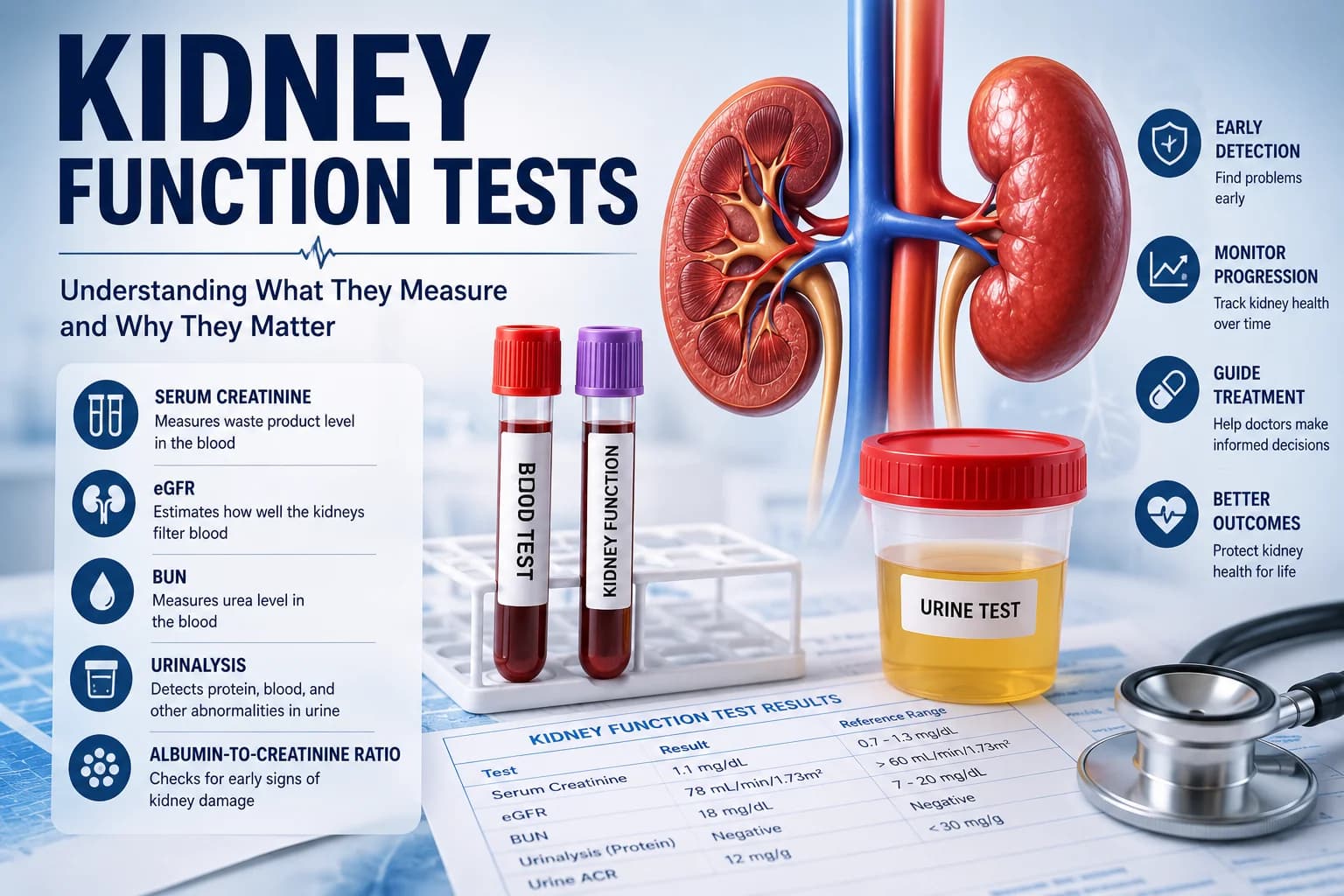
See what kidney function tests measure, including creatinine, eGFR, and urinalysis. Discover how these tests help detect kidney disease and monitor kidney health.

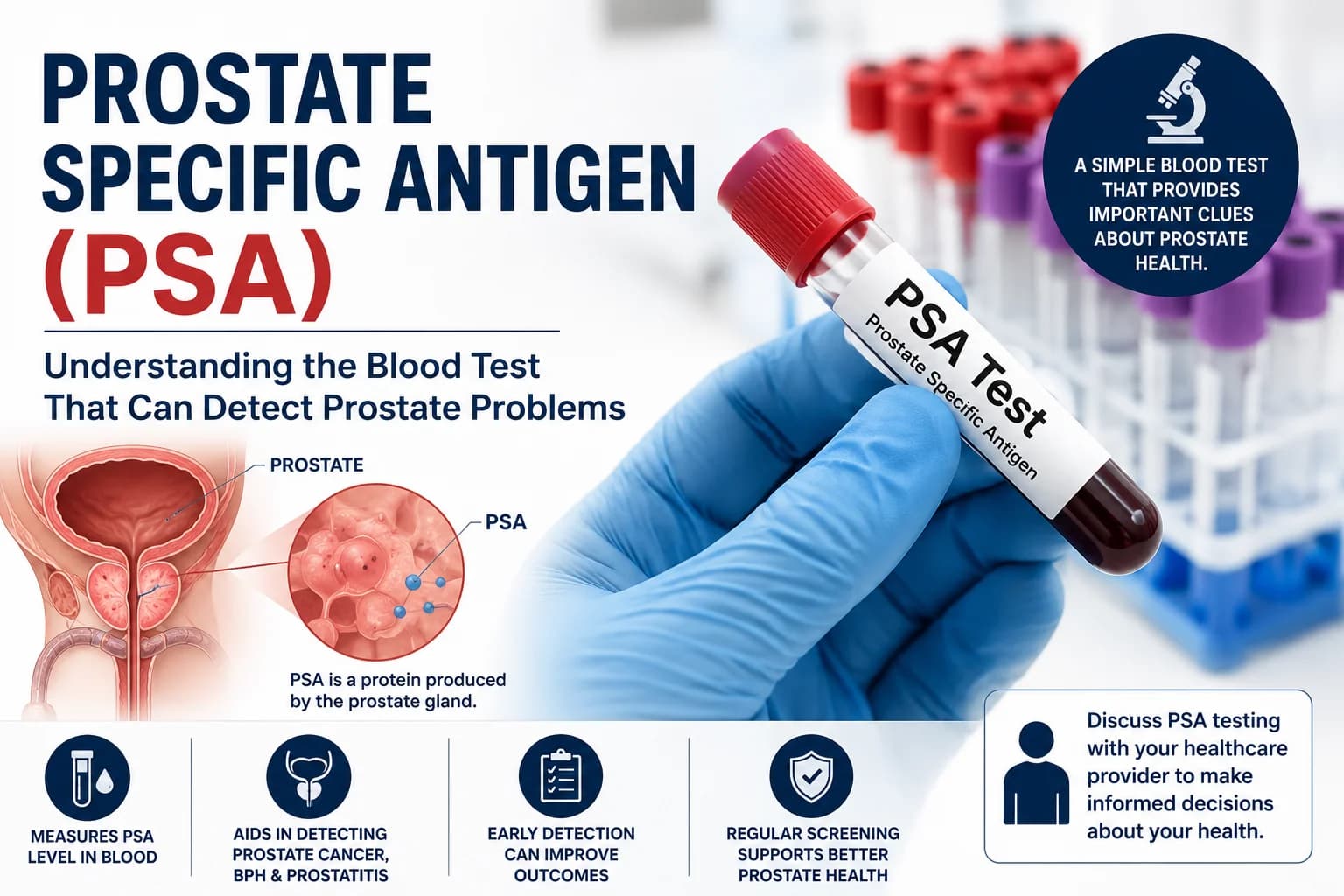
See how the PSA blood test works, what causes elevated PSA levels, and how this important laboratory test supports prostate health and early cancer detection.

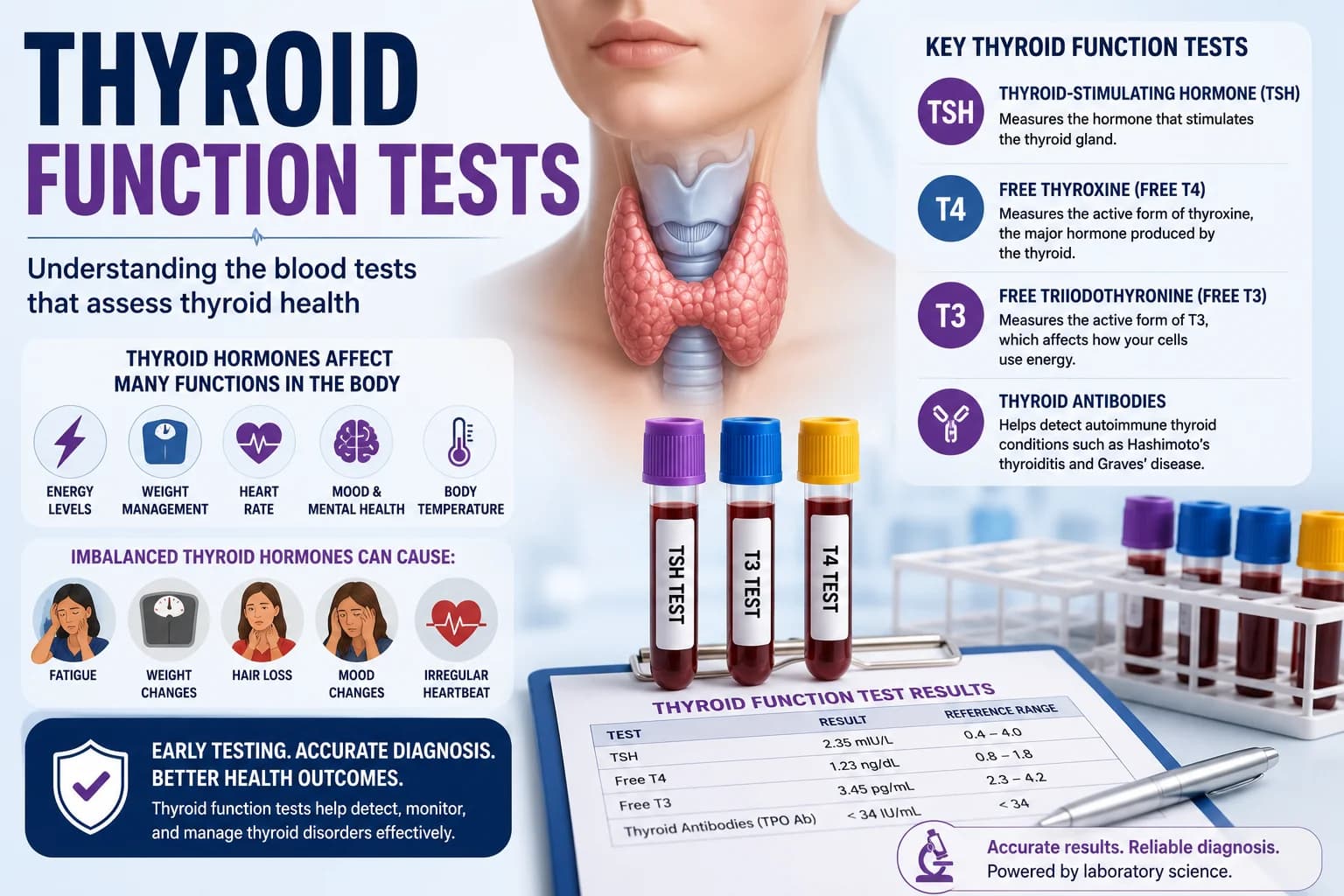
See what thyroid function tests measure, including TSH, Free T3, and Free T4. Learn how these blood tests diagnose thyroid disorders and monitor thyroid health.

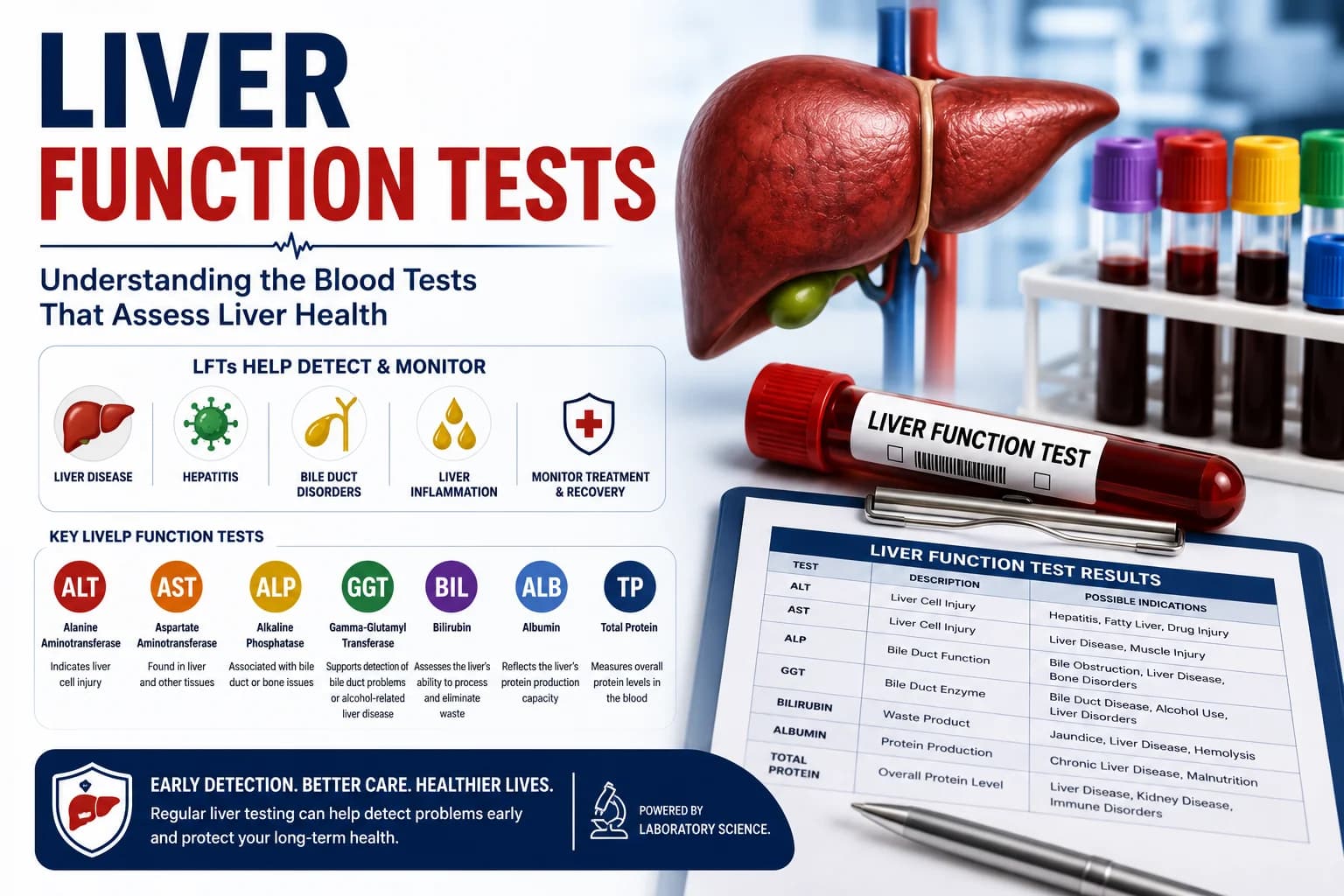
Understand how liver function tests assess liver health, what ALT, AST, bilirubin, ALP, albumin, and GGT measure, and why these blood tests matter.

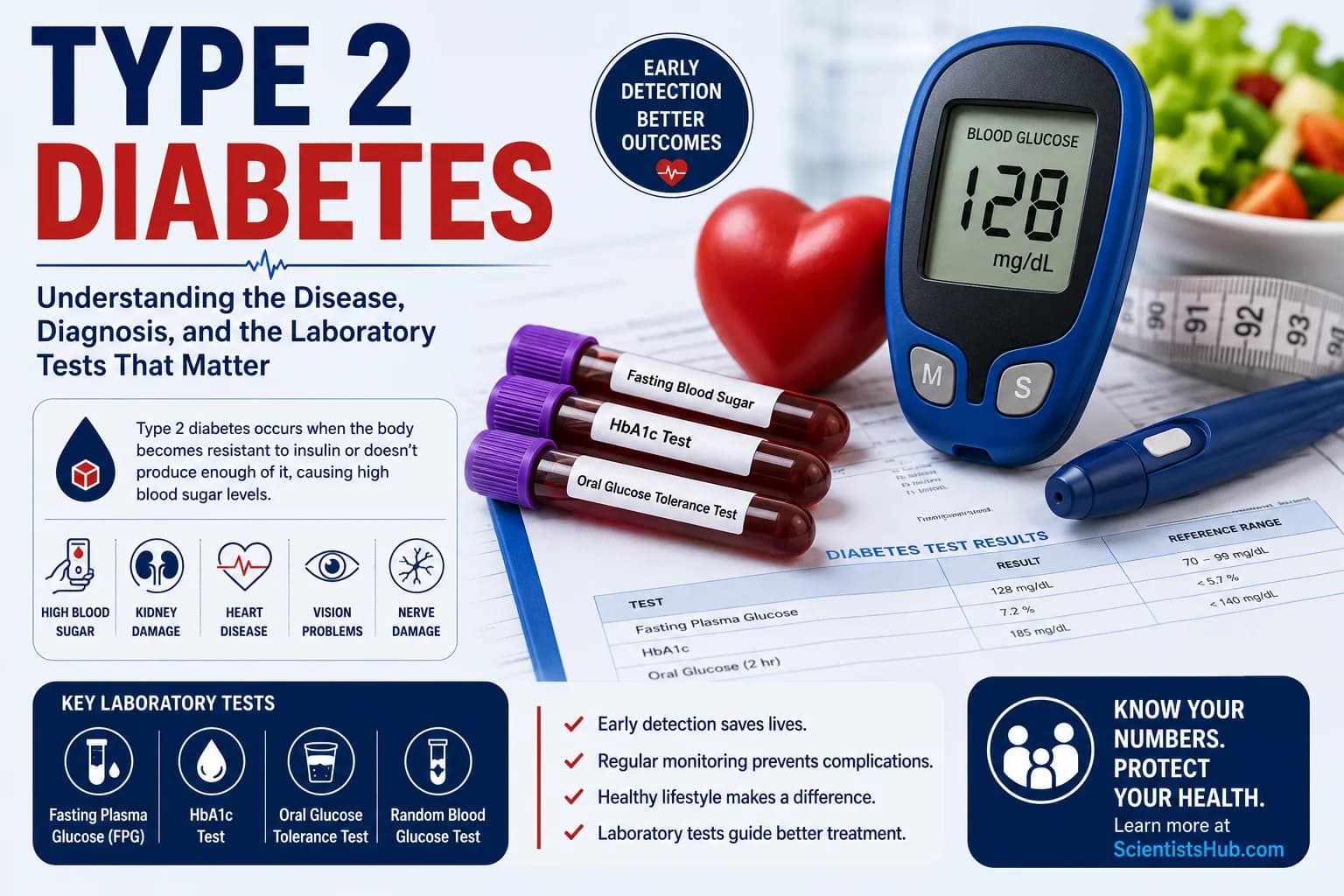
Let's talk about Type 2 diabetes, its symptoms, risk factors, diagnosis, and the laboratory tests, including HbA1c and blood glucose, that help detect and monitor the condition.

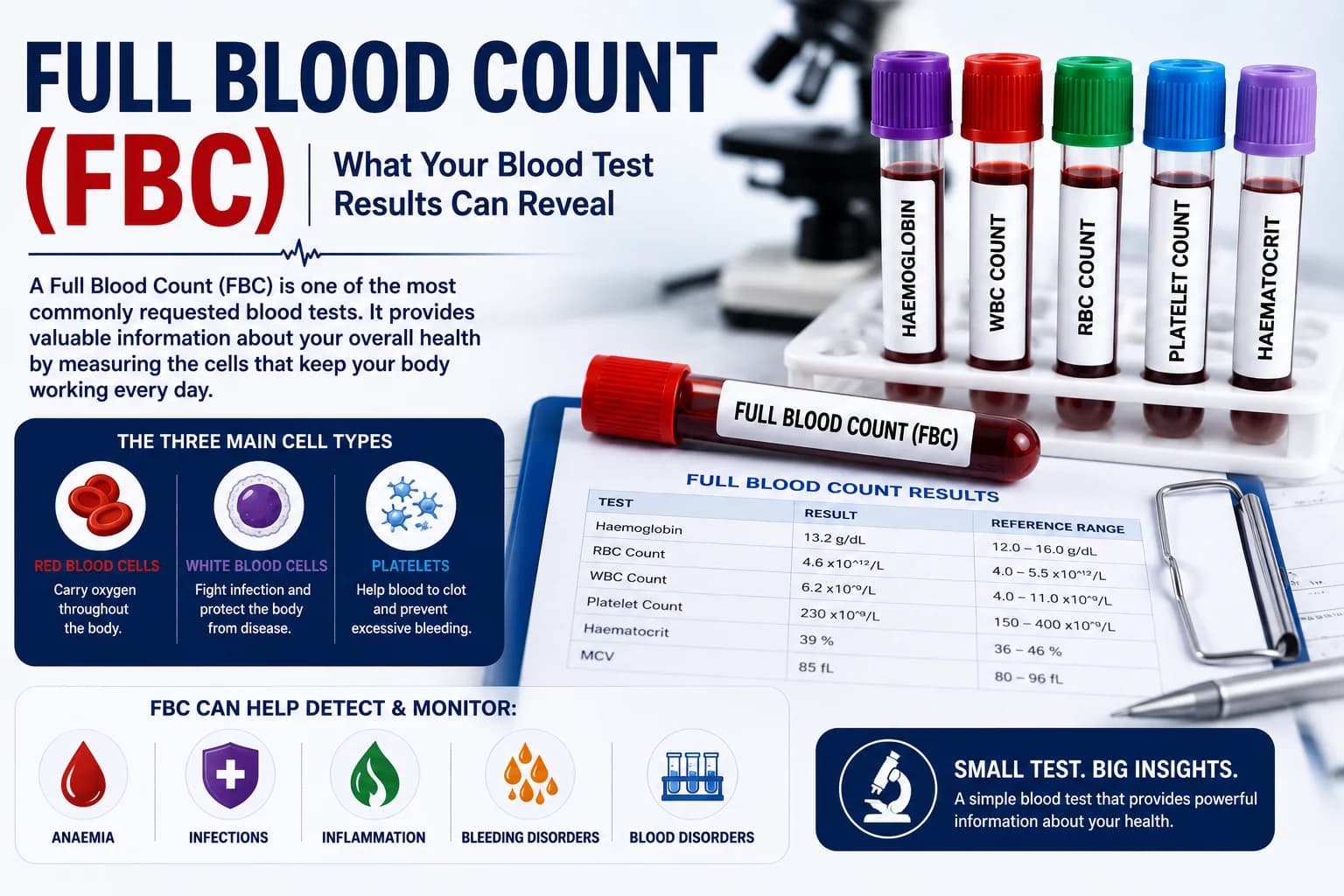
A Full Blood Count (FBC) is a blood test that measures different types of blood cells and related parameters, including red blood cells, white blood cells, platelets, haemoglobin, haematocrit and red blood cell indices. It can help healthcare professionals investigate conditions such as anaemia, infection, inflammation and certain blood disorders.

Healthcare is changing faster than ever before. Thanks to breakthroughs in artificial intelligence (AI), genomics, and wearable technology, medicine is entering the era of smart health, where data, devices, and biology work together to create care tailored to the individual.

Injury is an inherent risk of sport participation. Whether at elite or recreational level, athletes are exposed to physical loads that challenge tissue capacity and recovery.