Discover Scientific Knowledge

Showing results for: "Technology Improvement" (95 results)

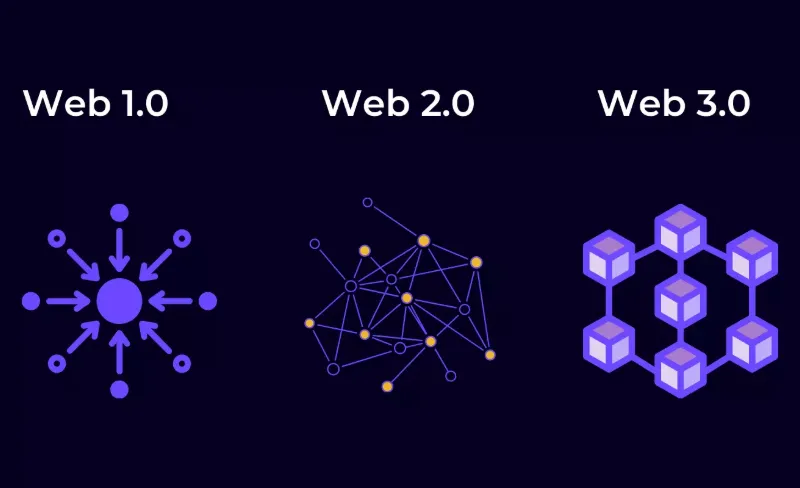
What is Web 3.0?
Tech & AI

What is Web 3.0?

Web 3.0, commonly referred to as Web3, marks a new era of the World Wide Web characterized by distinct values and technological advancements. Its key features include ubiquity, decentralization, artificial intelligence, blockchain technology, and improved connectivity.

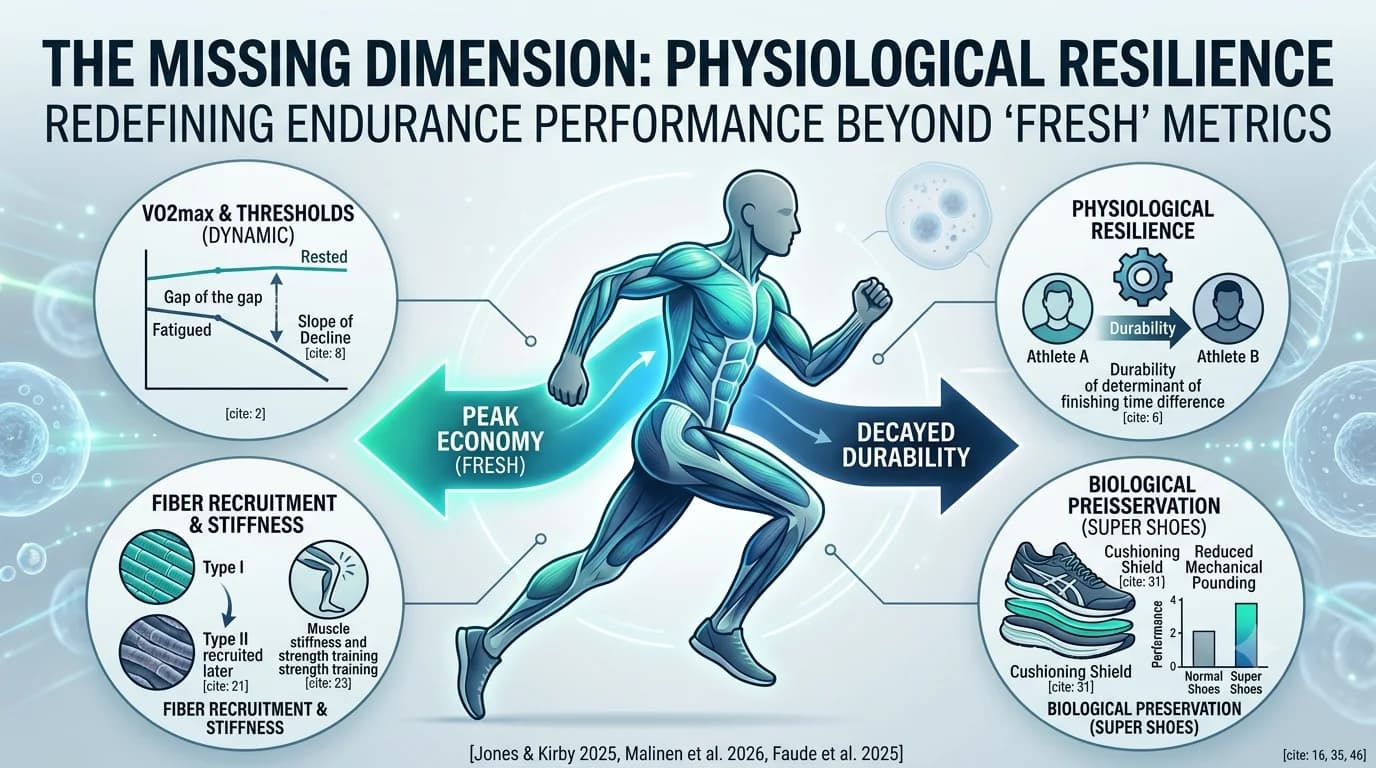
The Fourth Dimension of Human Speed
Health & Medicine

The Fourth Dimension of Human Speed

We have all witnessed the physiological "decoupling" that occurs late in a race, where at mile 20 of a marathon, a pace that felt like a metabolic steady-state two hours ago suddenly demands an all-out effort.

Brookhaven Chemists Advance Lithium-Metal Battery Technology
Science & Research

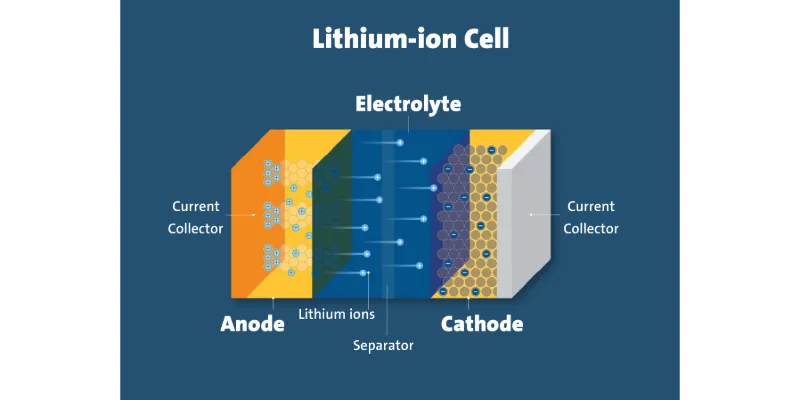
Brookhaven Chemists Advance Lithium-Metal Battery Technology

Lithium-metal batteries, equipped with lithium metal anodes, have the remarkable ability to store over twice the energy of traditional lithium-ion batteries with graphite anodes. Despite this potential, most battery-powered devices continue to rely on less advanced lithium-ion technology.

Beyond the Needle: The Rise of Inhalable Vaccines
Health & Medicine

Beyond the Needle: The Rise of Inhalable Vaccines

Inhalable vaccines trigger powerful mucosal immunity where pathogens enter the body, offering needle-free protection against respiratory diseases.

AUC-Guided Vancomycin Monitoring Explained: Why precision is redefining antibiotic dosing
Health & Medicine

AUC-Guided Vancomycin Monitoring Explained: Why precision is redefining antibiotic dosing

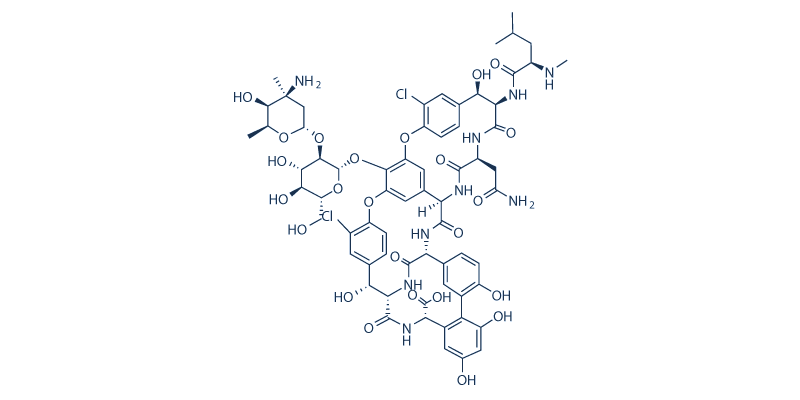
Vancomycin is an essential glycopeptide antibiotic used to treat life-threatening infections caused by Gram-positive bacteria, particularly Methicillin-Resistant Staphylococcus aureus (MRSA). It functions by inhibiting bacterial cell-wall synthesis and is still the most potent drug to be used when others fail (Patel, Preuss, & Bernice, 2023).

HIV Testing: Types, Window Periods and Results Explained
Health & Medicine

HIV Testing: Types, Window Periods and Results Explained

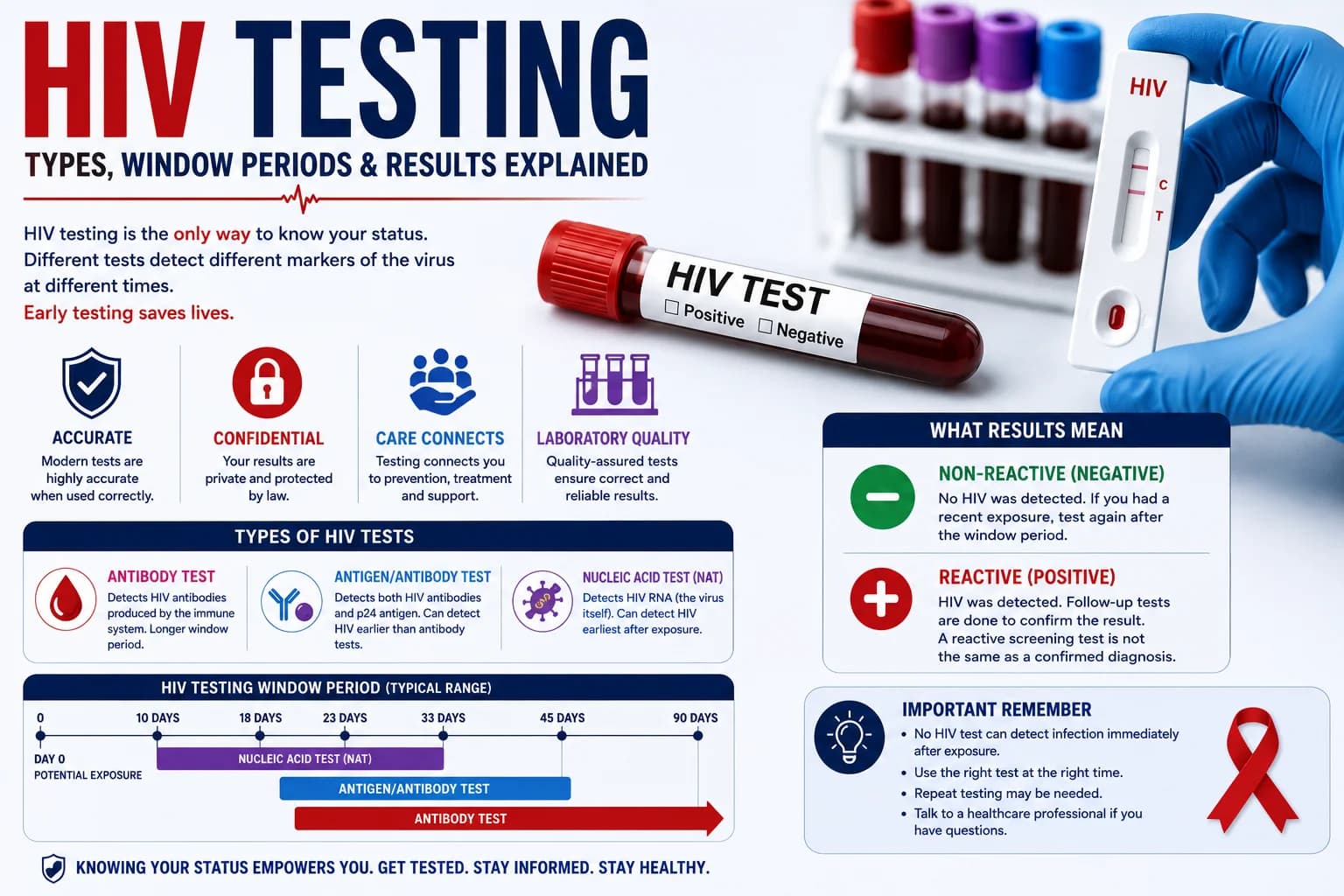
HIV testing is the process of determining whether a person has been infected with human immunodeficiency virus. Depending on the test, HIV testing can detect antibodies produced by the immune system, the HIV p24 antigen, or HIV RNA. Different tests have different detection window periods, and a reactive screening result requires appropriate follow-up testing before an HIV diagnosis is established.

Brain-Computer Interfaces (BCI) – Merging the Mind with Machines
Science & Research

Brain-Computer Interfaces (BCI) – Merging the Mind with Machines

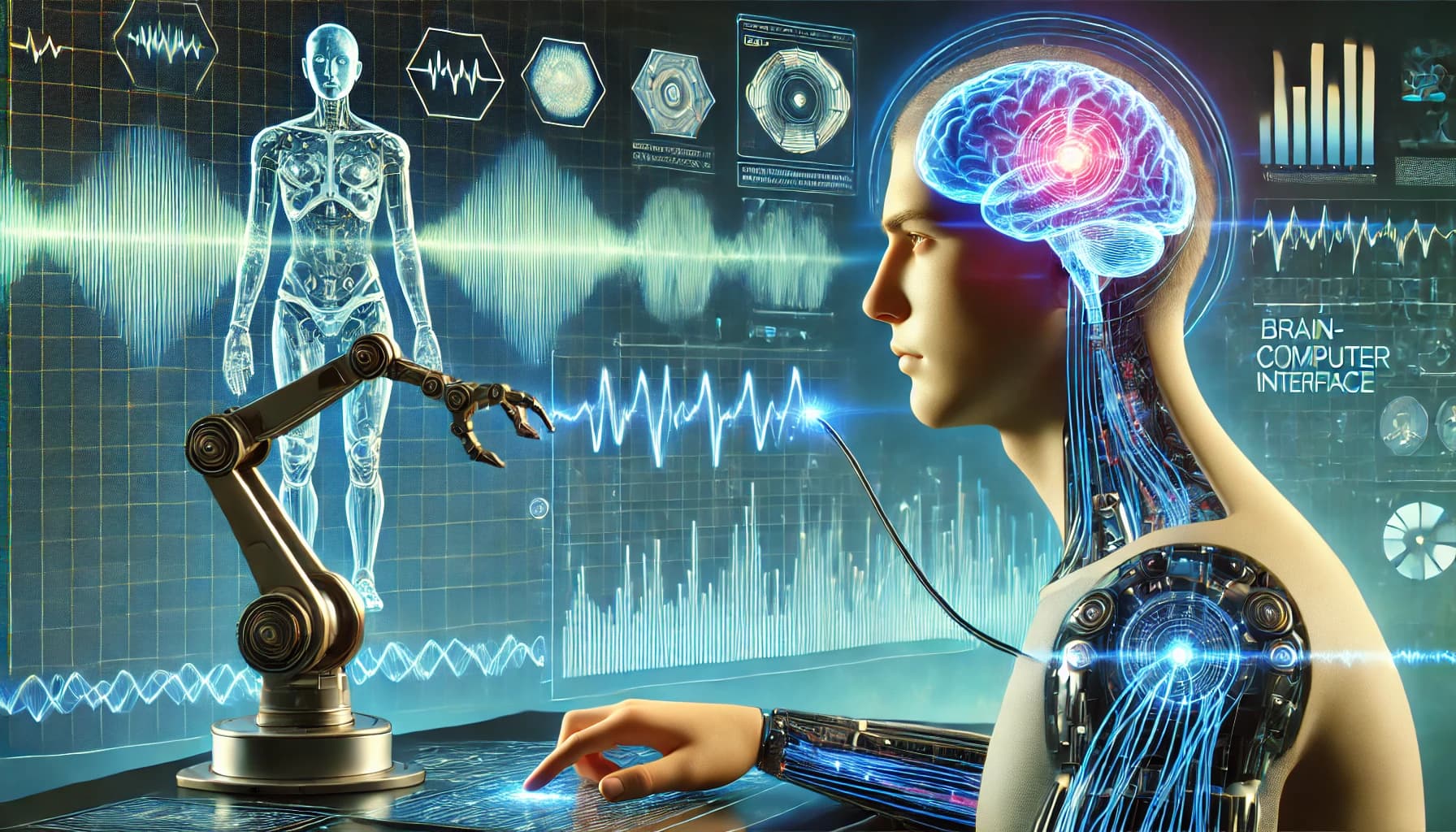
Imagine being able to control a computer, a prosthetic limb, or even a drone just by using your thoughts. This is not science fiction; it is now a reality thanks to brain-computer interfaces (BCIs). BCIs are groundbreaking systems that enable direct communication between the brain and external devices.

From Innovation to Impact: Using Generative AI Safely in Patient
Tech & AI

From Innovation to Impact: Using Generative AI Safely in Patient

Artificial Intelligence(AI) is reshaping the future of healthcare. The US and UK healthcare systems started to adopt tools like AI Scribe and conversational chatbots, as they claimed to outperform clinicians in diagnostics. Survey data from over 100 physicians polled by Fierce Healthcare and Sermo indicate that many doctors are using general-purpose LLMs for clinical tasks.

The Brain’s Ability to Change and Its Role in Depression
Health & Medicine

The Brain’s Ability to Change and Its Role in Depression

Depression has affected humans for hundreds of years. Symptoms can include persistent feelings of sadness, sleep disturbances, anxiety, and a loss of interest in social activities. Science doesn’t yet fully understand the causes and effects, but here’s what we do know: the brain is a powerful organ, and it is capable of change. Made up of a wide network of connections, it relies on chemicals, electrical impulses, and billions of neurons. Let’s explore how brain science

Biosimilars: A New Era in Biologic Therapy
Health & Medicine

Biosimilars: A New Era in Biologic Therapy

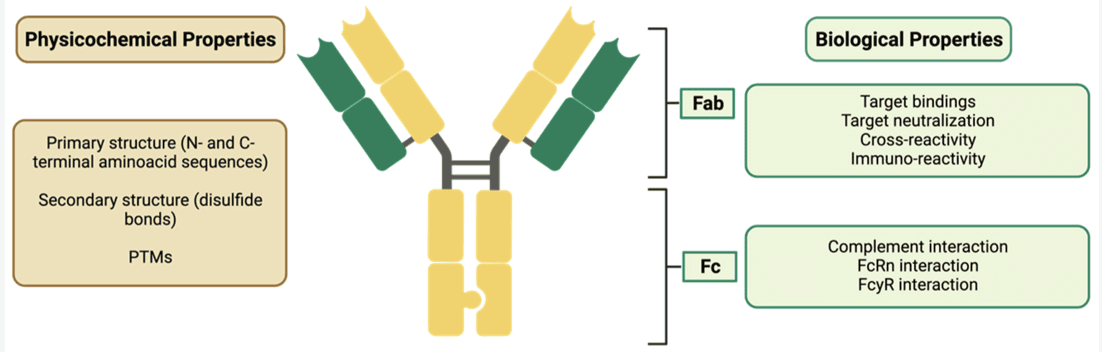
Biologics have transformed the management of chronic and life-threatening diseases such as cancer, autoimmune disorders, and metabolic conditions. However, their complexity, high production costs, and limited affordability continue to challenge healthcare systems worldwide.

Organoid-Based Toxicity Testing as a Replacement for Animal Models
Health & Medicine

Organoid-Based Toxicity Testing as a Replacement for Animal Models

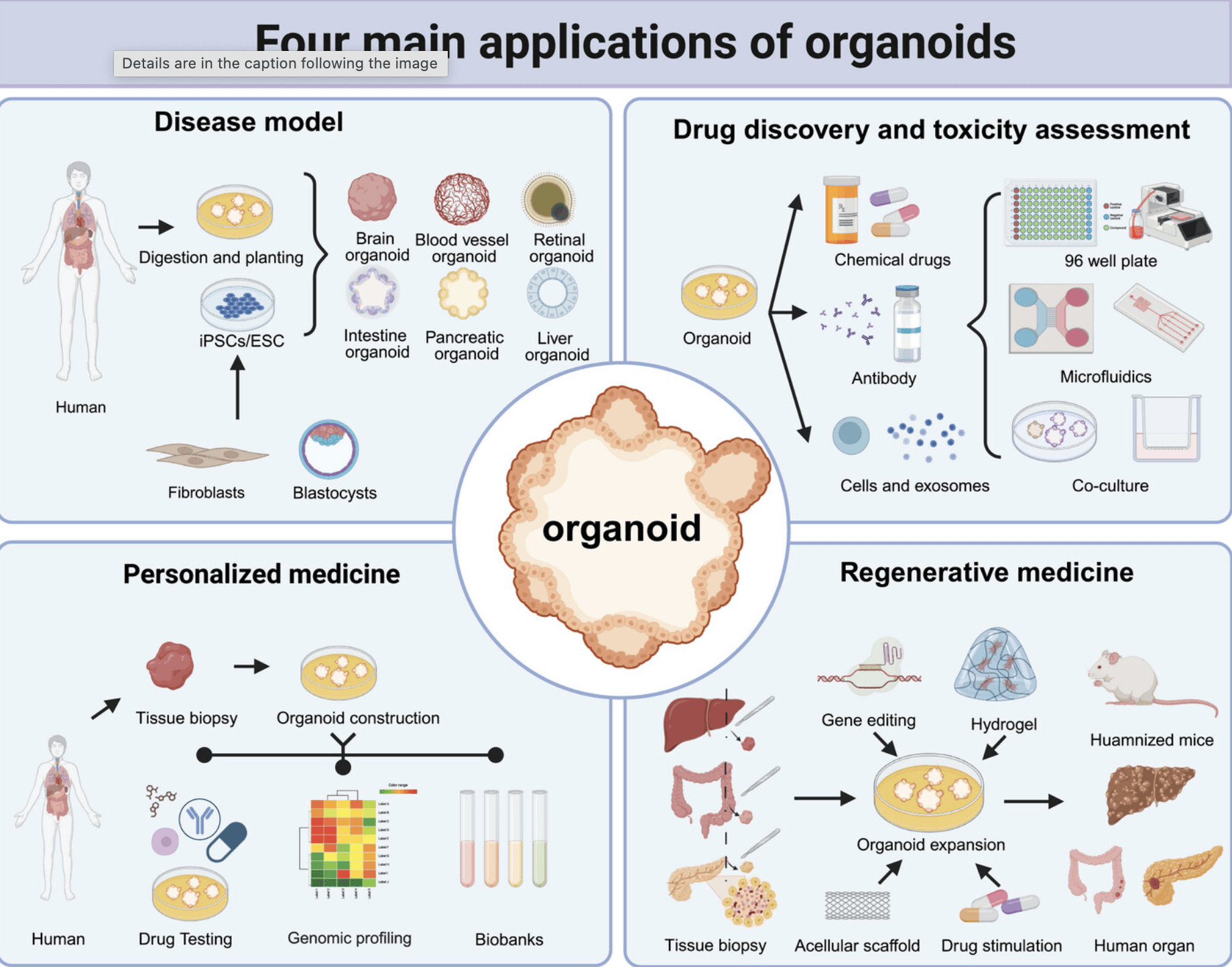
Animal models have traditionally served as the cornerstone of drug safety evaluation; however, major translational challenges persist due to interspecies differences in physiology, metabolism, and genetic regulation. Many compounds demonstrating favorable toxicity profiles in animals later fail during human trials or are withdrawn post-marketing due to unforeseen adverse effects, especially hepatotoxicity and cardiotoxicity (Lee et al., 2025).

Unlocking the Fortress: How Nano-Messengers are Rewiring the Future of Brain Medicine
Health & Medicine

Unlocking the Fortress: How Nano-Messengers are Rewiring the Future of Brain Medicine

This architecture is essential for shielding neurons from toxins, pathogens, and fluctuations in the bloodstream, but it also creates a devastating bottleneck for modern medicine. More than 98% of small-molecule drugs and nearly all large biological therapeutics fail to cross the BBB in meaningful amounts, leaving many promising treatments for neurodegenerative disorders, brain tumors, and inflammatory diseases stranded in the circulation.