Discover Scientific Knowledge

Showing results for: "affected" (55 results)

Common Misconceptions About Hypertension
Health & Medicine

Common Misconceptions About Hypertension

For many people, it is often assumed to be a “Stress disease”. Others casually refer to it as an “Old man’s disease” based on the myth that it affects only the elderly. These assumptions, however banal, are misleading and potentially lethal.

Peroxygenases as powerful and sustainable biocatalysts in modern biochemistry
Science & Research

Peroxygenases as powerful and sustainable biocatalysts in modern biochemistry

Selective oxidation reactions are central to modern biochemistry. They enable the controlled introduction of oxygen into organic molecules, a key step in the synthesis of pharmaceuticals and fine chemicals. However, many of the enzymatic systems traditionally used for these transformations are complex and difficult to implement in practice.

Cancer, Cooperation, and Survival: Rethinking Disease Through Evolution
Health & Medicine

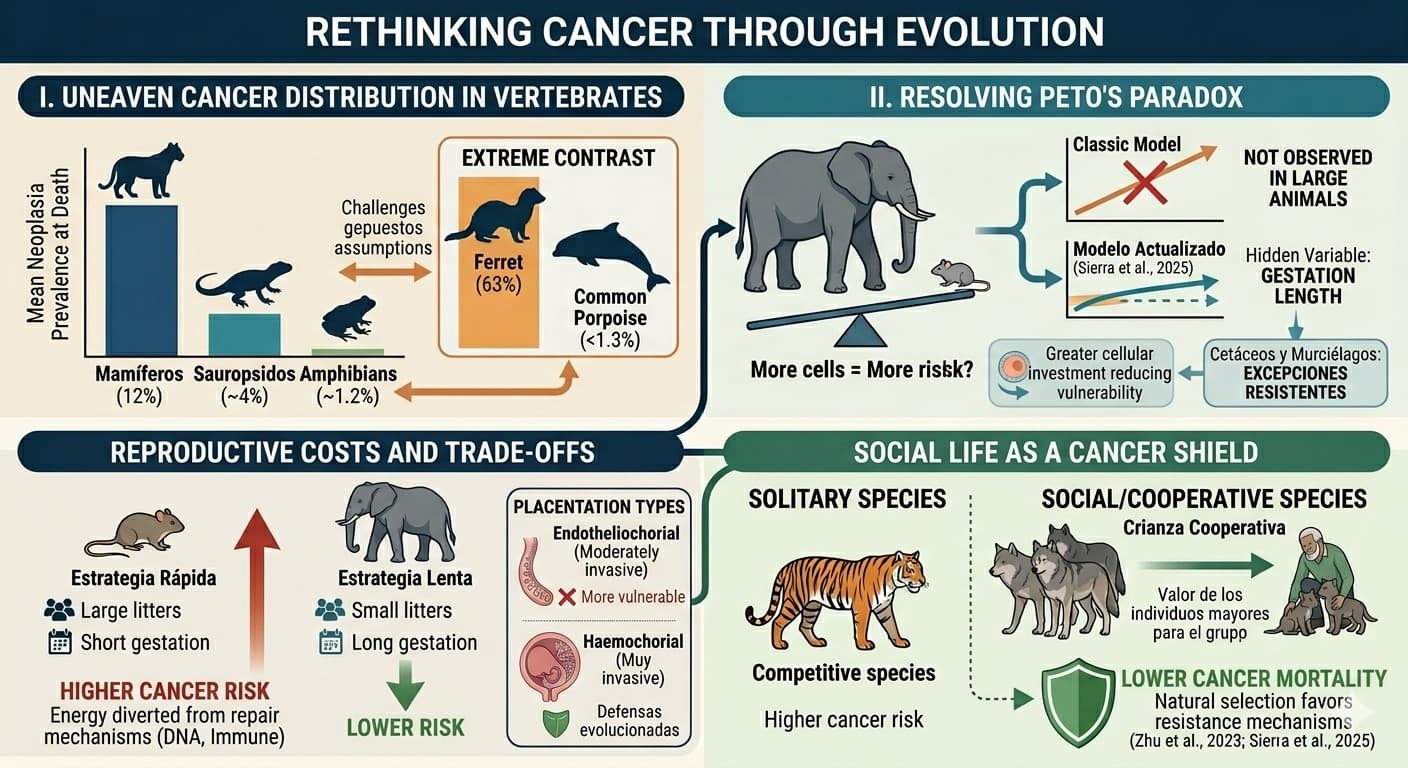
Cancer, Cooperation, and Survival: Rethinking Disease Through Evolution

In this study, I explore how cancer risk is distributed across the animal kingdom, emphasizing the role of life-history traits, reproductive strategies, and social behavior in shaping susceptibility to disease. Drawing on recent findings in comparative oncology, the article examines patterns that challenge traditional assumptions, such as the relationship between body size and cancer, and highlights evolutionary mechanisms that may confer resistance in certain species.

Full Blood Count (FBC): What It Measures and Why It Matters
Health & Medicine

Full Blood Count (FBC): What It Measures and Why It Matters

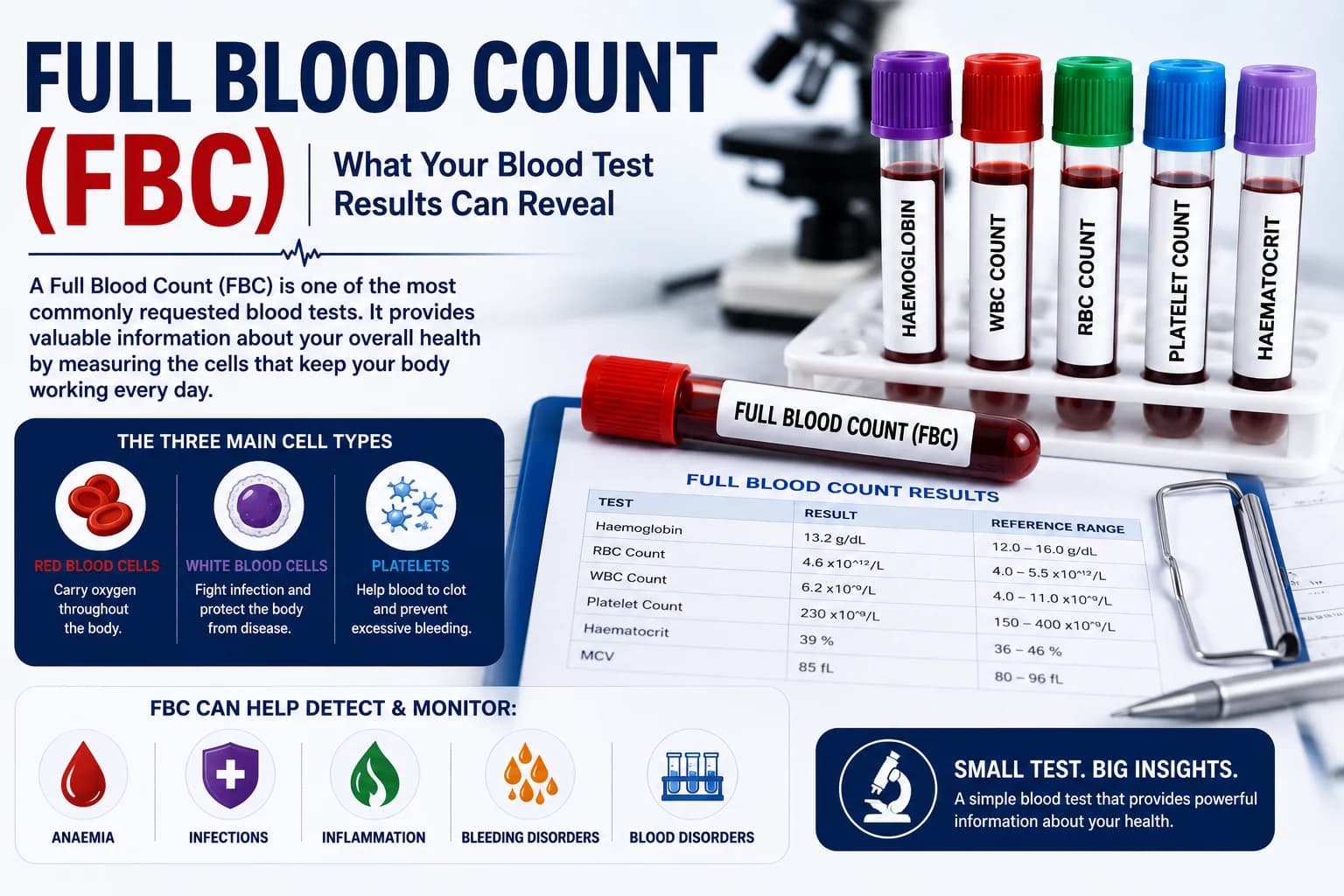
A Full Blood Count (FBC) is a blood test that measures different types of blood cells and related parameters, including red blood cells, white blood cells, platelets, haemoglobin, haematocrit and red blood cell indices. It can help healthcare professionals investigate conditions such as anaemia, infection, inflammation and certain blood disorders.

HIV Testing: Types, Window Periods and Results Explained
Health & Medicine

HIV Testing: Types, Window Periods and Results Explained

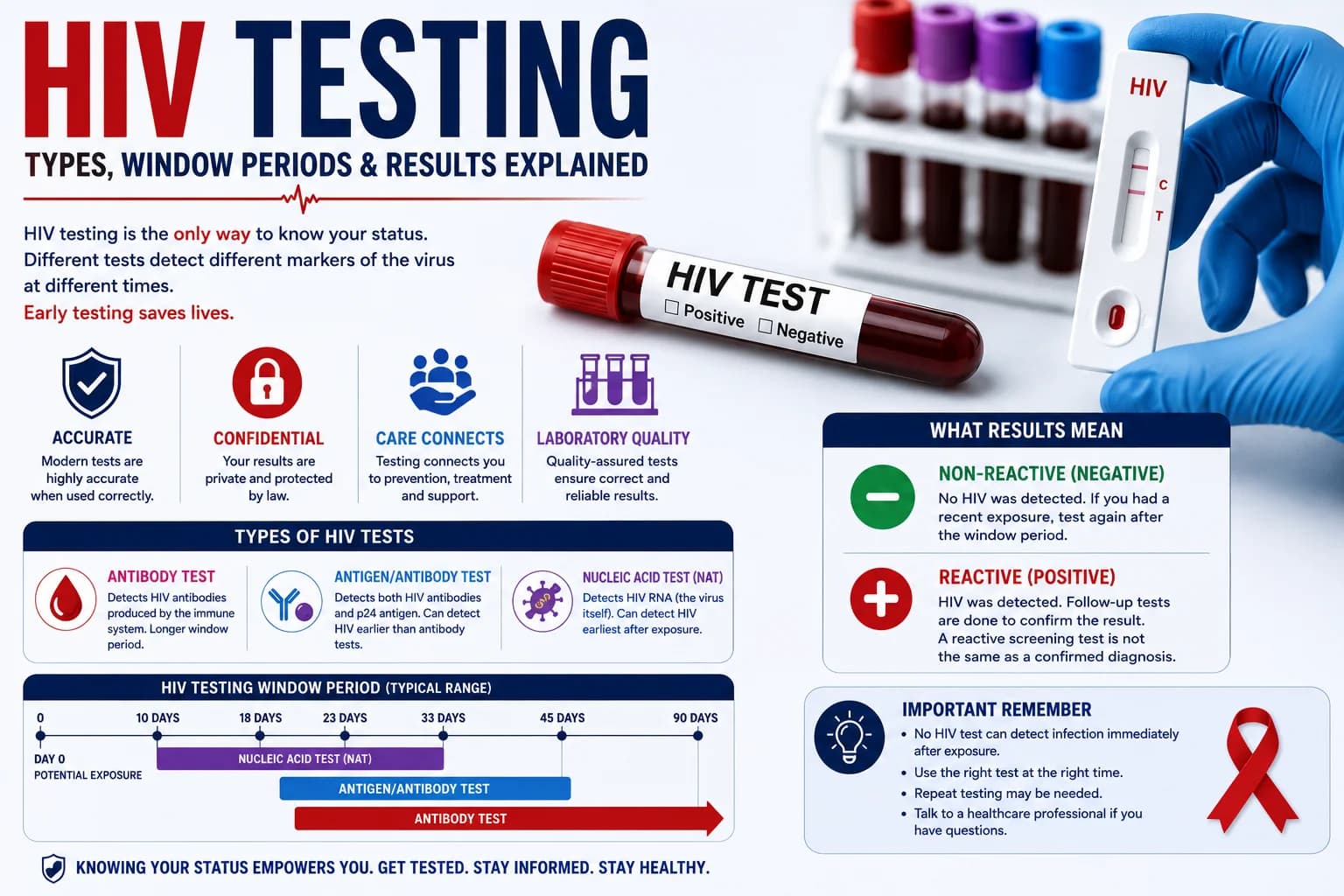
HIV testing is the process of determining whether a person has been infected with human immunodeficiency virus. Depending on the test, HIV testing can detect antibodies produced by the immune system, the HIV p24 antigen, or HIV RNA. Different tests have different detection window periods, and a reactive screening result requires appropriate follow-up testing before an HIV diagnosis is established.

← PreviousPage 3 of 3