Discover Scientific Knowledge

Showing results for: "without storing" (80 results)

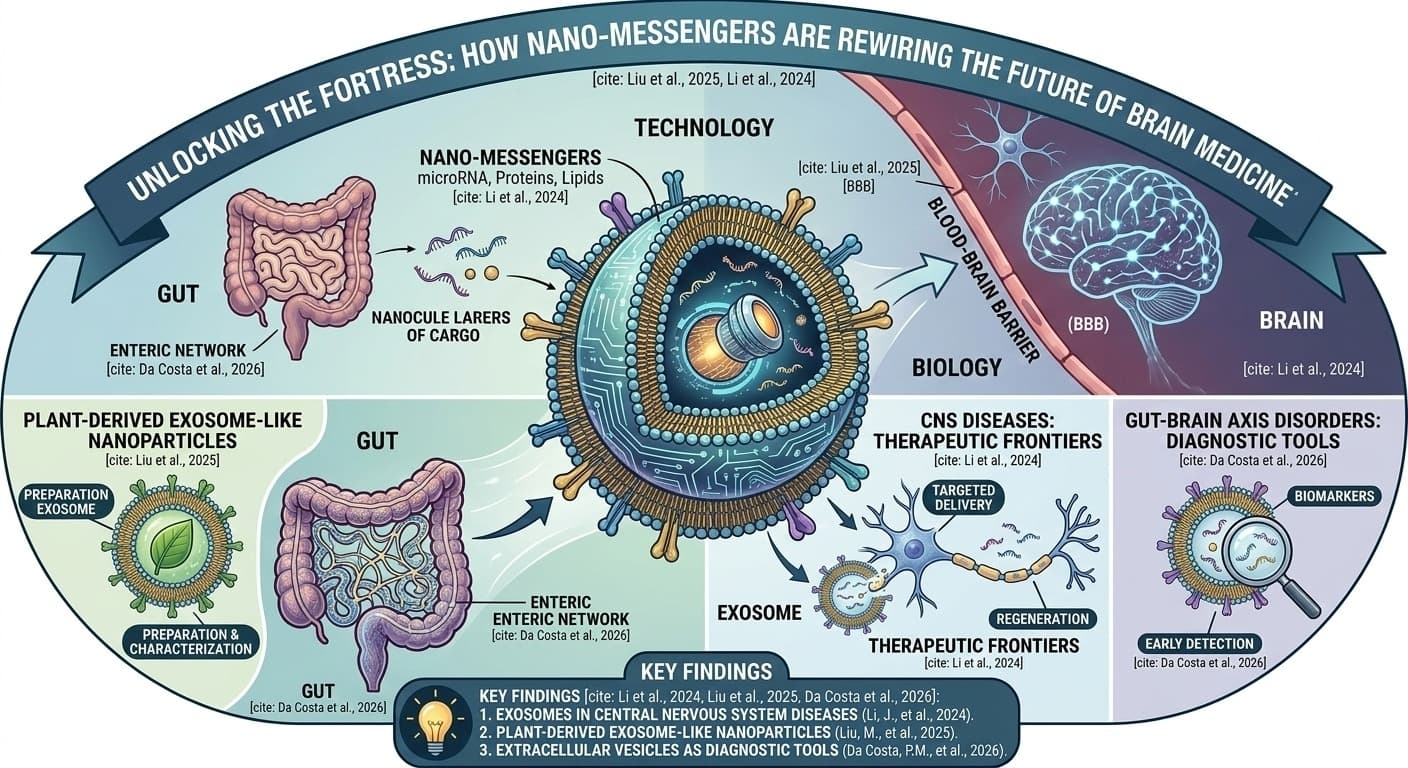
Unlocking the Fortress: How Nano-Messengers are Rewiring the Future of Brain Medicine
Health & Medicine

Unlocking the Fortress: How Nano-Messengers are Rewiring the Future of Brain Medicine

This architecture is essential for shielding neurons from toxins, pathogens, and fluctuations in the bloodstream, but it also creates a devastating bottleneck for modern medicine. More than 98% of small-molecule drugs and nearly all large biological therapeutics fail to cross the BBB in meaningful amounts, leaving many promising treatments for neurodegenerative disorders, brain tumors, and inflammatory diseases stranded in the circulation.

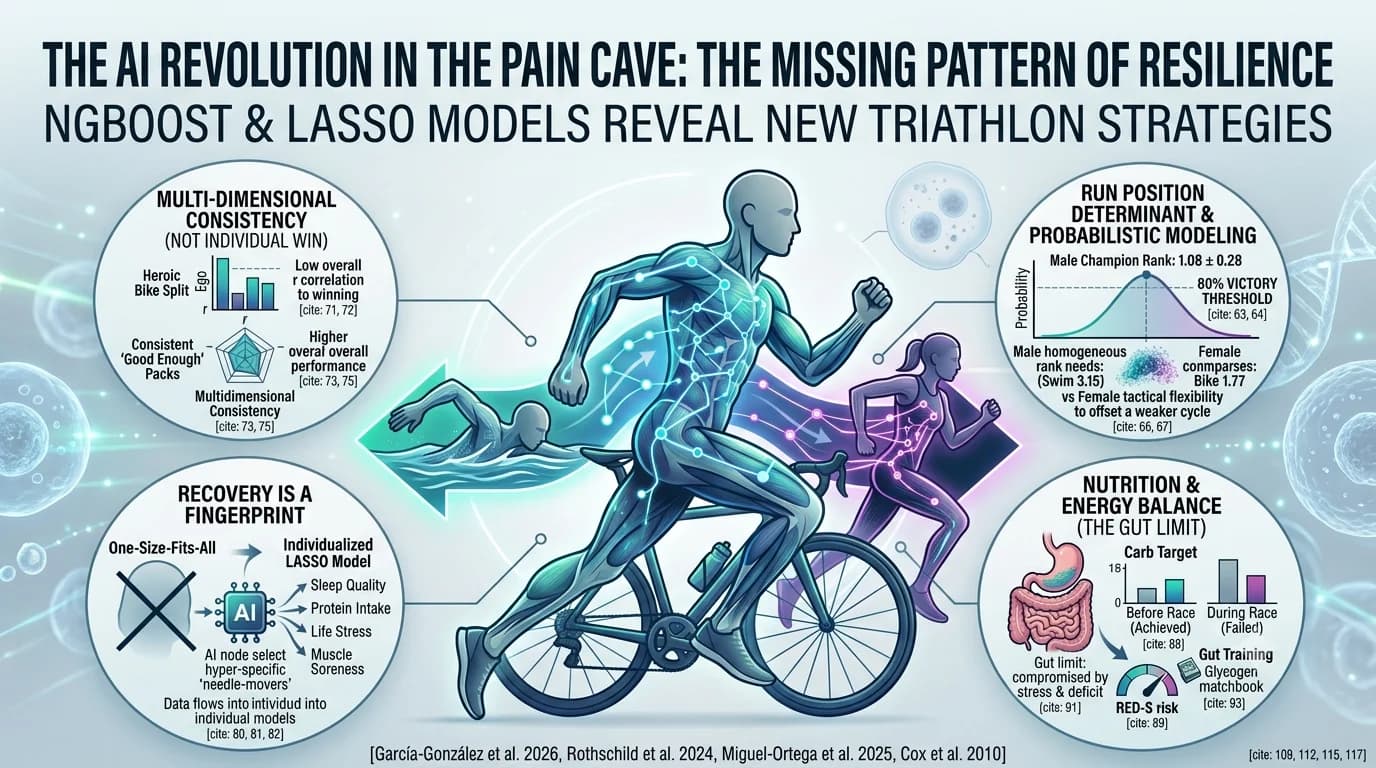
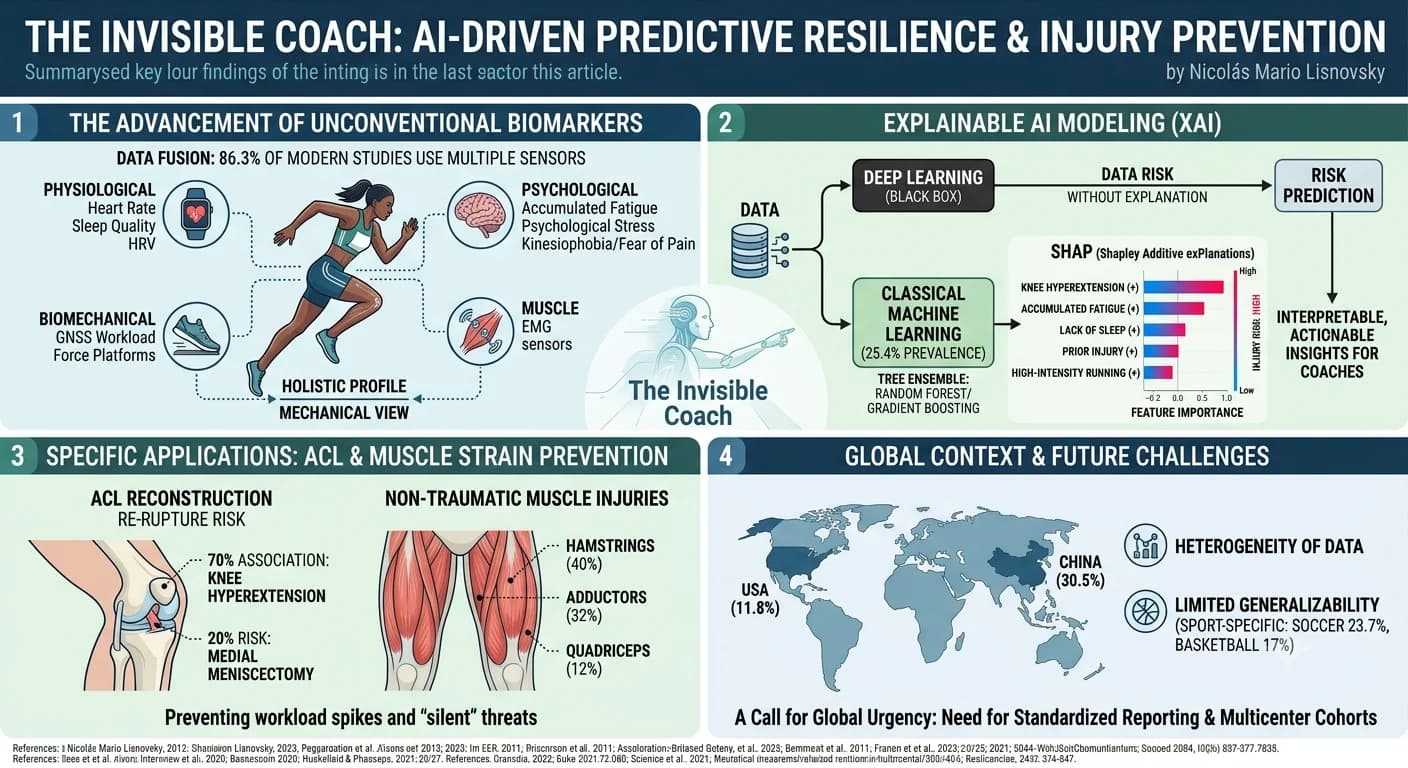
The AI Revolution in the Pain Cave
Health & Medicine

The AI Revolution in the Pain Cave

In elite triathlon, the swim and bike segments are often viewed as the "decisive" moments. However, the data reveals a far more lopsided reality. According to García-González et al. (2026), running is the ultimate "great separator.

Radiofrequency Skin Tightening: What you need to know?
Health & Medicine

Radiofrequency Skin Tightening: What you need to know?

A magnificent nonsurgical radiofrequency (RF) therapy, which involves using energy waves to heat the dermis (the deep layer of the skin), has evolved as one of the finest treatments for skin tightening. The healthcare provider uses an electromagnetic device that generates heat to stimulate collagen production, the production of elastin, and the growth of new skin cells. This therapy helps firm and lift sagging skin. However, the results are temporary.

From Lab to Living Room: Making Sense of Clinical Trials
Health & Medicine

From Lab to Living Room: Making Sense of Clinical Trials

This article will unlock that box, exploring the crucial process of translating complex clinical trial evidence into clear, understandable information for everyone. We'll journey from the surprising origins of clinical trials to the modern-day push for transparency, and discover why making science accessible is not just a convenience, but a necessity for public trust and informed health decisions.

If you could change your genes, would you?
Health & Medicine

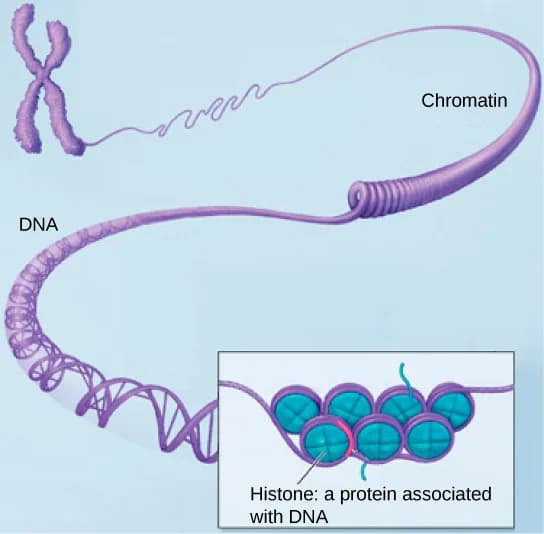
If you could change your genes, would you?

Epigenetics is transforming how scientists understand the bridge between genes and behavior, opening the door to a new era of mental health treatment.

NABL ISO/IEC 17025 Compliance: Educational Guide for Laboratories
Science & Research

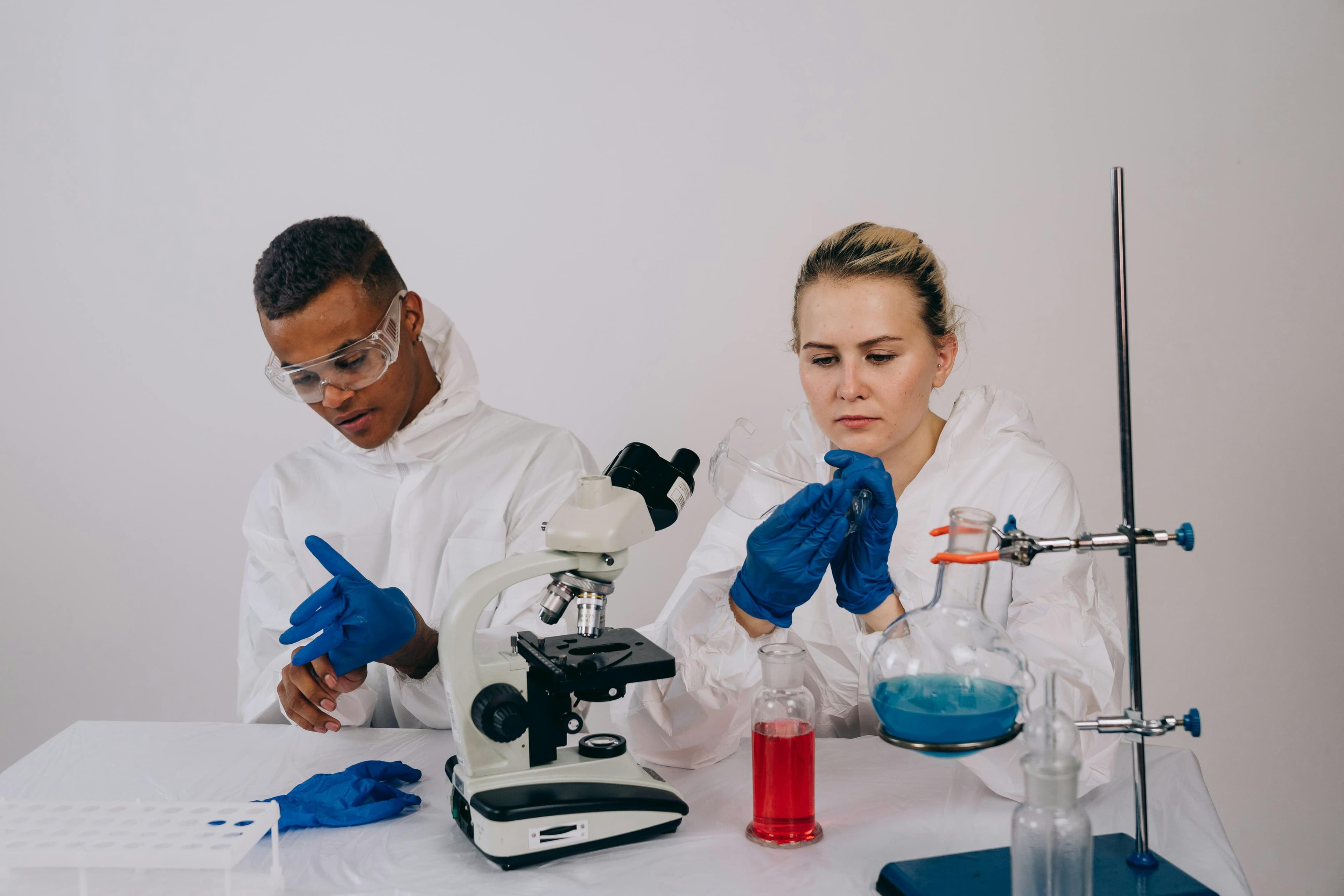
NABL ISO/IEC 17025 Compliance: Educational Guide for Laboratories

ISO/IEC 17025 compliance defines how testing and calibration laboratories demonstrate technical competence. In India, the National Accreditation Board for Testing and Calibration Laboratories (NABL) grants accreditation based on this international standard (ISO, 2017).

The Internet: A Discovery That Connected the World
Science & Research

The Internet: A Discovery That Connected the World

The Internet has transformed the world, connecting people, information, and resources in unprecedented ways, even beyond physical boundaries. What began as a small research project has now grown into a global system that supports billions of devices and enables nearly every aspect of modern life. In this article, we will explore the major discoveries and milestones that contributed to the development of the Internet.

Understanding the Role of Stem Cell Therapy for Parkinsons Disease
Health & Medicine

Understanding the Role of Stem Cell Therapy for Parkinsons Disease

Stem cell therapy research is a promising area of interest for a number of scientists working to understand Parkinson’s disease and develop treatments for it. Read below to learn more about the advancements of stem cell therapy for Parkinson’s.

AUC-Guided Vancomycin Monitoring Explained: Why precision is redefining antibiotic dosing
Health & Medicine

AUC-Guided Vancomycin Monitoring Explained: Why precision is redefining antibiotic dosing

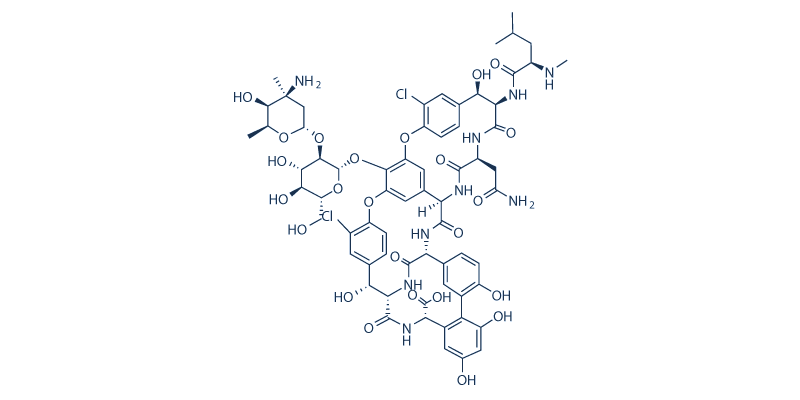
Vancomycin is an essential glycopeptide antibiotic used to treat life-threatening infections caused by Gram-positive bacteria, particularly Methicillin-Resistant Staphylococcus aureus (MRSA). It functions by inhibiting bacterial cell-wall synthesis and is still the most potent drug to be used when others fail (Patel, Preuss, & Bernice, 2023).

← PreviousPage 4 of 4