
Introduction
Every year, millions of people receive vaccine injections to protect against infectious diseases. However, for respiratory pathogens like influenza and COVID-19, these intramuscular shots face a fundamental challenge: they generate immunity in the bloodstream while the virus enters through the nose and lungs. What if we could deliver vaccines directly where infections begin? Inhalable vaccines represent a paradigm shift in immunization, offering needle-free administration and triggering specialized immune responses at the exact site where respiratory pathogens invade. Recent clinical trials demonstrate these vaccines can induce robust mucosal immunity, potentially stopping transmission rather than merely reducing disease severity.
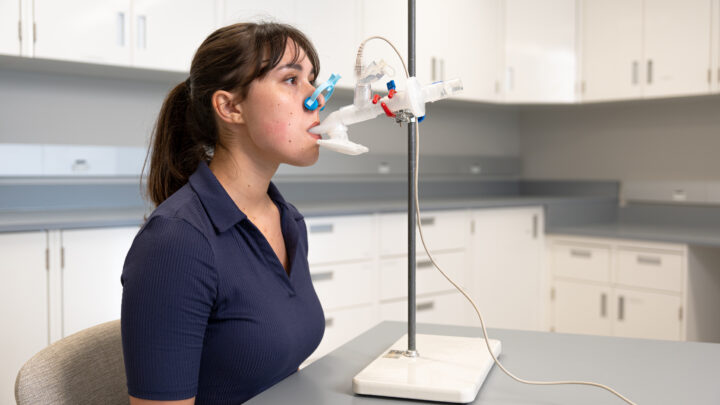
Why the Respiratory Route Matters
Traditional injectable vaccines excel at preventing severe disease and death, but they often fail to prevent infection and transmission. The reason lies in how immunity is distributed throughout the body. Intramuscular vaccines primarily induce circulating IgG antibodies in the blood, which provide systemic protection but limited defense at mucosal surfaces. Research shows that injected mRNA vaccines produce variable and transient IgA responses in the respiratory tract, with only 30% of recipients maintaining detectable mucosal IgA after a second dose (Sheikh-Mohamed et al., 2022). In contrast, vaccines delivered directly to the respiratory tract can generate high levels of secretory IgA, the predominant antibody at mucosal surfaces, providing frontline immunity where pathogens first encounter the body.
This distinction becomes critical for highly transmissible respiratory viruses. Studies demonstrate that individuals with elevated mucosal IgA levels experience significantly lower breakthrough infection rates. One investigation found that people with high wild-type spike-specific mucosal IgA had a reduced risk of subsequent omicron infection compared to those with lower levels (Havervall et al., 2022). The implication is clear: mucosal immunity provides a protective barrier that systemic immunity alone cannot achieve.
The Science of Mucosal Immunity
When vaccines are delivered to the respiratory tract, they activate a specialized immune system distinct from the one engaged by injected vaccines. Mucosal vaccination triggers the recruitment of memory B cells from lymph nodes to the lungs, where they rapidly differentiate into IgA-secreting plasma cells. Recent research reveals the mechanism: intranasal boosters leverage CD4+ T cells as natural adjuvants, inducing chemokines that recruit memory B cells through specific signaling pathways (Kwon et al., 2025). This process establishes tissue-resident memory cells that persist locally, enabling a rapid response upon pathogen exposure.
Secretory IgA possesses unique functional properties optimized for mucosal defense. Unlike circulating antibodies, secretory IgA forms dimers bound to a secretory component that protects it from degradation by respiratory enzymes and helps it penetrate the mucus layer coating airways. This antibody can neutralize pathogens before they reach epithelial cells, effectively preventing infection rather than merely controlling it after establishment. Intranasal vaccination induces these protective IgA responses in both upper and lower respiratory tracts, creating comprehensive mucosal immunity (Oh et al., 2021).
From Laboratory to Clinic: Recent Breakthroughs
Multiple inhalable vaccine candidates have recently entered human trials, demonstrating both safety and immunogenicity. A phase 1 clinical trial at McMaster University evaluated adenoviral-vectored vaccines delivered via inhaled aerosol to COVID-19 mRNA-vaccinated individuals. The trial assessed both human and chimpanzee adenovirus vectors expressing multiple SARS-CoV-2 antigens. Results confirmed excellent safety profiles and superior mucosal immunity induction with the chimpanzee vector over the human vector, supporting further clinical development (Jeyanathan et al., 2025).
Complementary research from China demonstrated that aerosolized adenovirus vaccines elicit stronger neutralizing antibodies and cellular responses compared to intramuscular mRNA vaccines. A clinical trial involving over 400 participants showed the aerosolized vaccine induced higher levels of mucosal IgA, increased expression of tissue-homing markers on immune cells, and enhanced protection against infection (Wu et al., 2025). Washington University researchers are advancing a nasal COVID-19 vaccine into U.S. trials, evaluating both intranasal spray and inhaled formulations (Washington University, 2025).
Engineering Challenges and Solutions
Developing inhalable vaccines requires overcoming substantial technical hurdles. Vaccine particles must achieve an aerodynamic diameter between 1 and 5 micrometers to penetrate deep into the lungs while avoiding exhalation or upper airway deposition. Manufacturing processes must preserve biological activity while creating particles of precise size. Spray drying and other particle engineering techniques can produce stable powders, but these processes expose vaccines to stresses that may reduce potency.
Stability represents another critical challenge. Many biological vaccines require cold storage, limiting their utility in resource-limited settings. Researchers have developed formulations using stabilizing excipients like trehalose combined with dispersibility enhancers such as trileucine, creating dry powder vaccines stable at room temperature for extended periods. A spray-dried tuberculosis vaccine maintained stability for one year at 40°C while preserving aerosol performance, demonstrating feasibility of thermostable inhalable vaccines (Wong et al., 2024).
The respiratory tract presents formidable biological barriers, including mucus layers and rapid mucociliary clearance. Successful formulations must navigate these obstacles. Advanced nanocarrier designs incorporating mucus-penetrating coatings and particle surface modifications can enhance delivery efficiency. Matching nanoparticle chemistry to the lung environment, particularly optimizing properties for endosomal escape, improves transfection efficiency for nucleic acid vaccines.
Practical Advantages and Future Prospects
Beyond immunological benefits, inhalable vaccines offer practical advantages that could transform global vaccination campaigns. Needle-free administration eliminates injection-related risks including needlestick injuries, contamination, and anxiety. Self-administration becomes feasible with appropriate devices, reducing healthcare workforce requirements. Thermostable formulations eliminate cold chain dependency, dramatically simplifying distribution and storage logistics, particularly in low-resource settings.
Lower doses may suffice for mucosal vaccination compared to injectable routes, as the vaccine acts directly at the target site rather than relying on systemic circulation. This dose-sparing effect could extend vaccine supplies during pandemics or shortages. Mass vaccination becomes more practical when administration requires minimal training and infrastructure.
The convergence of advancing formulation technologies, successful clinical trials, and proven safety profiles positions inhalable vaccines for broader application. While current development focuses on COVID-19, the platform extends to influenza, tuberculosis, measles, and emerging respiratory pathogens. The technology promises not merely to complement injectable vaccines but potentially to redefine how we approach respiratory disease prevention.
Conclusion
Inhalable vaccines represent a fundamental rethinking of immunization strategy for respiratory diseases. By delivering vaccines where pathogens enter and establishing robust mucosal immunity, this approach addresses limitations inherent in traditional injection-based vaccination. Clinical evidence confirms safety and demonstrates superior induction of protective mucosal antibodies. Engineering advances continue to resolve formulation and delivery challenges, bringing thermostable, easy-to-administer vaccines closer to reality. As multiple candidates advance through clinical development, inhalable vaccines may soon offer a powerful new tool in our arsenal against respiratory infections, combining enhanced protection with practical benefits that expand global vaccine access.



Discussion