
For decades, millions of women around the world have lived with a diagnosis called PCOS-Polycystic Ovary Syndrome. While it is a household term, it has always carried a fundamental flaw. The name simply doesn't accurately describe the actual disease it labels.
In a landmark shift, a global consortium of clinicians, researchers, and patient advocates has formally renamed the condition to PMOS. This new acronym stands for Polyendocrine Metabolic Ovarian Syndrome.
Recently highlighted in The Lancet, this change marks a massive leap forward in public health awareness. For patients, it promises to dismantle years of medical confusion, delayed diagnoses, and fragmented care. But why change a name that has been used for so long? To understand the future of PMOS, we have to look at why the old label no longer fits.
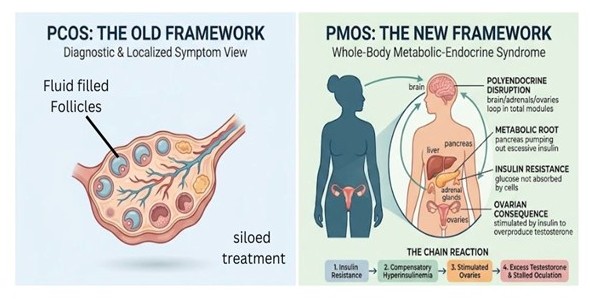
The Problem with the “Cyst” Stereotype
The term “polycystic ovary syndrome” was originally coined when early medical imaging first allowed doctors to see small, fluid-filled sacs on the ovaries. However, as medical science evolved, clinicians realized these cysts are actually just underdeveloped, arrested egg follicles rather than true, pathological cysts. More importantly, you do not even need to have these follicles to have the condition.
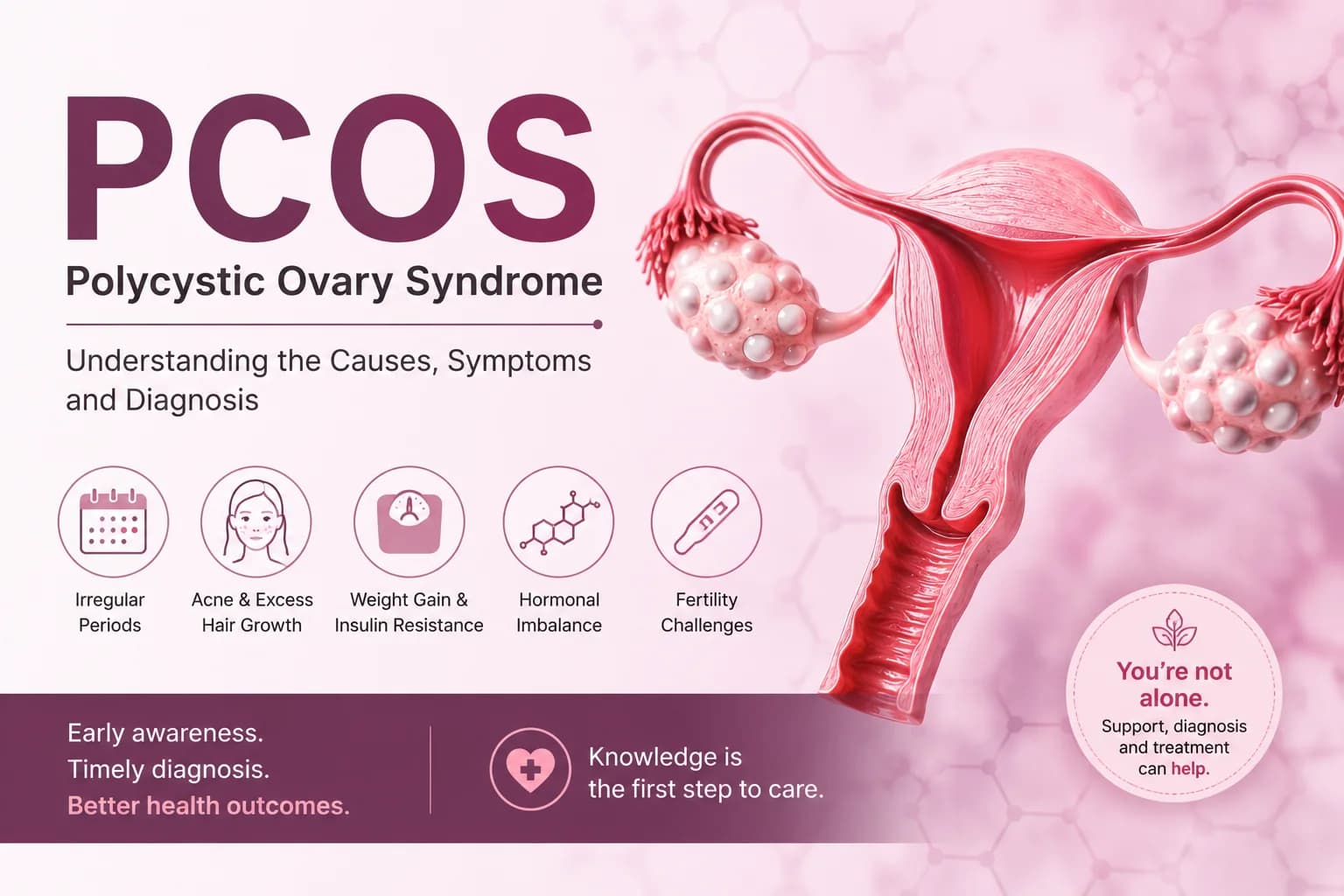
Historically, patients were diagnosed based on a triad of symptoms which includes irregular periods, elevated male hormones (androgens), and the appearance of cysts on an ultrasound. A patient only needed two out of three to qualify. Because of the old name, countless women with normal ultrasounds but severe hormonal or metabolic symptoms were told their scans were clear. This misnomer left up to 70% of the estimated 170 million affected women worldwide completely undiagnosed, searching for answers to an exhausting, multi-system health struggle.
Deconstructing PMOS
The new terminology moves away from a single anatomical feature. Instead, it describes the actual, systemic biology of the condition.
Polyendocrine: This acknowledges that the condition is a complex web of interacting hormones involving multiple systems, not just an isolated reproductive issue.
Metabolic: This is the most critical addition. For the majority of patients, the true engine driving the condition is insulin resistance, where cells don't respond well to insulin.
Ovarian: The ovaries remain in the title because they represent where ovulation disruptions and excess testosterone physically manifest.
Syndrome: This term acknowledges that the condition is a collection of features rather than a single, identical disease path for every single patient.
The Chain Reaction: When the body struggles with insulin resistance, the pancreas pumps out excess insulin to compensate. This surge triggers the ovaries to produce too much testosterone, which ultimately stalls ovulation and causes systemic symptoms like weight gain or stubborn acne.
What This Means for Treatment
For a long time, treatments for this condition were notoriously siloed. If a patient wanted to clear her skin, she was prescribed a birth control pill; if she wanted to get pregnant, she was given fertility drugs. While these treatments managed specific symptoms, they rarely addressed the underlying disease.
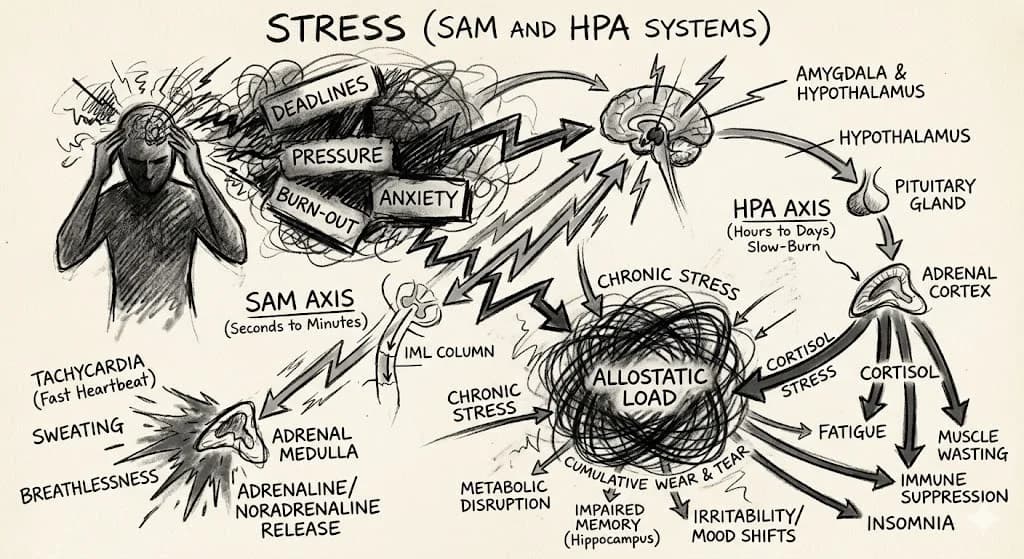
Reframing the condition as PMOS changes the clinical roadmap entirely. It prioritizes lifestyle medicine - including tailored nutritional strategies, stress management, and metabolic health, as foundational care rather than an afterthought.
Furthermore, this shift bridges the gap to modern pharmacology. It explains why metabolic medications like Metformin, and more recently, GLP-1 receptor agonists (such as semaglutide), are showing remarkable success in clinical management. By regulating insulin and blood sugar, they help normalize testosterone levels and naturally restore regular ovulation cycles.
A New Era for Public Health Awareness
Language has immense power in healthcare. A more accurate name means a faster, clearer path to diagnosis. Young women experiencing severe acne or unexplained weight changes will no longer have to wait until they face infertility in their late twenties to get a comprehensive metabolic workup.
The transition from PCOS to PMOS is far more than a bureaucratic update in medical textbooks. It is a long-overdue validation of the lived experiences of millions of women who struggled with a condition that was poorly understood by its own name. As public health communication adopts this change, it opens the door to personalized medicine and ensures that future treatments treat the whole body, not just the ovaries.
Conclusion
Renaming PCOS to PMOS is a massive win for women’s health. By dropping an old name that focused way too much on ovarian cysts, the medical world is finally treating this condition for what it actually is: a whole body hormone and metabolism issue. This change means doctors will stop treating symptoms like acne or irregular periods in isolation. Instead, they will focus on the root cause. Ultimately, this new name replaces years of confusion with a clear, supportive roadmap, helping millions of women get the exact care and lifestyle support they deserve.



Discussion