
Introduction
For decades, antibiotics have been one of medicine’s greatest achievements. They have saved millions of lives, transformed deadly infections into treatable conditions, and made procedures like surgery, childbirth, and chemotherapy significantly safer. From treating infections to protecting patients during complex medical care, antibiotics have become a foundation of modern healthcare.
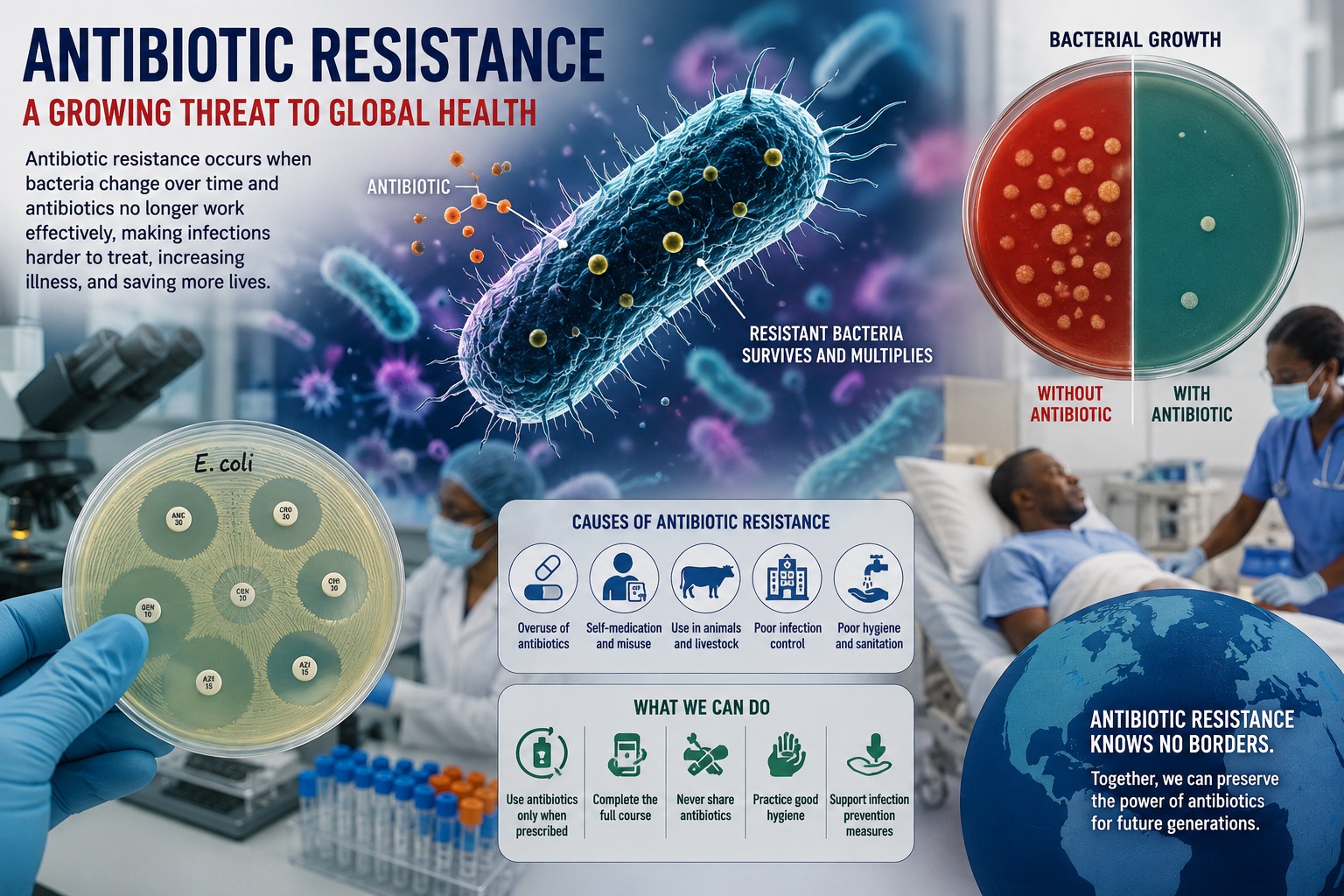
Today, however, we face a growing challenge: antibiotic resistance. This happens when bacteria change over time so that medicines designed to kill them become less effective. Although resistance occurs naturally, human behavior has accelerated it to dangerous levels. What was once considered a developing concern is now a global health threat affecting communities worldwide, including Nigeria. Understanding why antibiotic resistance happens and how we can respond is essential to protecting these life-saving medicines for future generations.
Why Is Antibiotic Resistance Spreading?
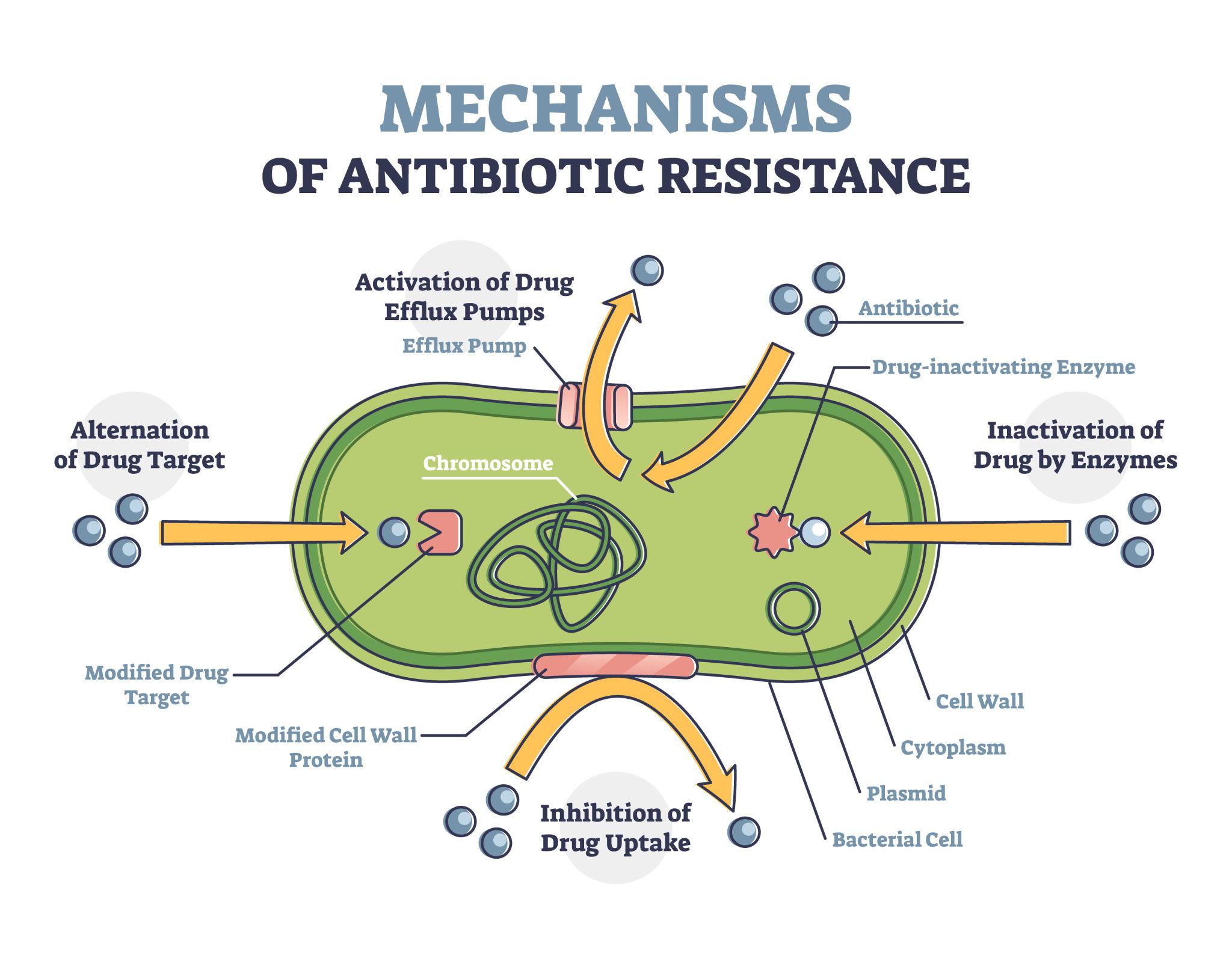
Resistance develops when bacteria survive exposure to medicine. Over time, the surviving germs multiply and pass on their resistant traits. While evolution is normal, our actions have made this crisis happen much faster than necessary. There are four main causes, many of which are very common in our communities.
Misuse and Overuse
This is the biggest driver of resistance. Antibiotics only work against infections caused by bacteria. They do nothing for illnesses caused by viruses, such as colds or flu, and they are also ineffective against parasitic diseases like malaria. Yet, many people take antibiotics for these conditions because they believe they will help. Every time we use these drugs when they are not needed, we give bacteria a chance to adapt and become stronger. Unnecessary or inappropriate antibiotic use accelerates resistance by giving bacteria more opportunities to adapt and survive.
Incomplete Treatment
Another widespread mistake is stopping medication as soon as you start feeling better, instead of finishing the full course prescribed by a doctor. When you do not complete your treatment, the weakest bacteria are killed, but the strongest ones remain alive in your body. These surviving bacteria multiply and create a new generation that is harder or impossible to kill with the same medicine. Taking less than the required dose also has the same dangerous effect.
Self-Medication and Unregulated Sales
In many parts of Nigeria and Africa, antibiotics are easily available without a prescription. People often buy drugs from roadside shops, open markets, or unlicensed vendors. They guess their illness and buy whatever medicine they think will help. This leads to wrong diagnosis, incorrect dosage, and poor quality drugs. Studies show that over 50% of antibiotic use in some regions happens without medical advice, greatly accelerating resistance [WHO, 2023].
Use in Agriculture and Farming
Antibiotics are not just used in human medicine. They are widely used in livestock farming to make animals grow faster or to prevent disease, even when the animals are healthy. Resistant bacteria from these animals can spread to humans through the food we eat, the water we drink, or direct contact. This creates a hidden cycle where resistance moves easily between farms, communities, and hospitals.
The Real-World Impact
Antibiotic resistance is not just a problem for doctors or scientists; it affects everyone. The consequences are already being felt in hospitals, homes, and economies across the globe, and the burden is especially heavy in developing nations.
Health Risks
When antibiotics stop working, common infections like tuberculosis, urinary tract infections, diarrhea, or wound infections become difficult or impossible to treat.
Simple procedures like dental work, childbirth, or minor surgeries become risky because doctors can no longer rely on antibiotics to prevent or cure infection.
Patients stay sick longer, require longer hospital stays, and suffer more complications. Sadly, more people die from illnesses that used to be easy to cure. Children, the elderly, and people with weak immune systems are the most vulnerable.
Economic and Social Burden
Resistance places a heavy weight on families and healthcare systems. Treating resistant infections requires newer, stronger, and far more expensive medicines. For many families in Nigeria, these costs are too high, leading to poverty or loss of life. Hospitals become overcrowded, and health workers are overwhelmed by cases that are hard to manage. The World Health Organization estimates that antimicrobial resistance could push millions of people into extreme poverty by 2050 if not addressed [WHO, 2022].
The Situation in Nigeria and Africa
Here in our region, the challenge is even greater. We have high rates of infectious diseases, yet access to proper diagnosis and quality healthcare is limited. Many communities still rely on self-medication, and regulation of drug sales is not always strong. This environment allows resistant bacteria to spread quickly. Healthcare professionals increasingly encounter infections that no longer respond to standard treatments, forcing the use of more expensive or less accessible alternatives. Without urgent action, the health and economic progress we have made could be reversed.
Data and Evidence: How Big Is the Problem?
The numbers paint a clear picture of how serious this threat has become. According to recent global reports:
At least 1.27 million deaths worldwide in 2019 were directly linked to antibiotic resistance. This is more than deaths caused by malaria or HIV/AIDS [Review on Antimicrobial Resistance, 2022].
In some parts of Africa, resistance to common drugs used to treat pneumonia, typhoid, and urinary tract infections is as high as 80%.
Without action, annual deaths from resistance could rise to 10 million by 2050, meaning one person dying every three seconds [AMR Review].
Resistant bacteria have been found in every country, showing that this is truly a borderless crisis.
These statistics are not just numbers; they represent real people, families, and communities. The data confirms that we are losing the battle against common infections, and the cost is rising fast.
Practical Solutions: What Can We Do?
The good news is that antibiotic resistance is preventable. It is not too late to act, and every person has a role to play. Protecting these medicines requires changes in how we use them, how they are sold, and how we educate our communities.
Responsible Use Starts With You
The most important and effective step is simple: never take antibiotics unless prescribed by a qualified health professional. Do not share your medicine, do not use leftover drugs, and do not buy from untrusted sources. When prescribed antibiotics, always complete the full dose, even if you feel better before it finishes. This ensures all bacteria are killed and none survive to become stronger.
Education and Awareness
Many people misuse antibiotics simply because they do not understand how they work. We need more health education in schools, workplaces, and local communities. People need to know that antibiotics do not cure everything, and that misuse harms everyone. When we understand that these medicines are precious resources that can run out, we treat them with more respect.
Stronger Regulation and Quality Control
Governments and health authorities must enforce laws that restrict the sale of antibiotics to registered pharmacies only. This will reduce self-medication and ensure people get the right drugs for the right illness. Regulating the use of antibiotics in farming and food production is equally important to stop resistance from spreading through the food chain.
Investing in Research and Prevention
Scientists are working hard to discover new medicines, better vaccines, and new ways to treat infections without relying only on antibiotics. However, research takes time and funding. Supporting these efforts, alongside improving hygiene and sanitation to reduce the spread of infections in the first place, is key to long-term safety.
Conclusion
Antibiotic resistance is one of the greatest health threats facing our world today. It is driven by how we use and misuse these life-saving drugs, and its effects are already visible in hospitals and homes across Nigeria and the globe. We are moving toward a future where simple treatments may no longer work, but this future is not inevitable.
We still have the power to slow down resistance and protect these medicines. It begins with understanding the problem and making better choices: using antibiotics wisely, following medical advice, and supporting policies that ensure safe and proper use. Antibiotics have served us well for decades. Now it is our turn to protect them so they can continue to save lives for generations to come.


Discussion