
Tell me if this resonates with you:
Growing up, I hated bland meals. Beans, Garri (fried cassava tubers), yams, cereal, etc. They tasted yucky. So, I always added sugar. Not one cube, not two, but more. And the adults around me always chanted. “Too much sugar is not good for your health.” “You’re playing with diabetes”. So, I believed them and got scared out of my wits.
Then, I became a pharmacist, and as a fairy’s magic wand waved across my face, my mindset changed.
WHAT IS DIABETES?
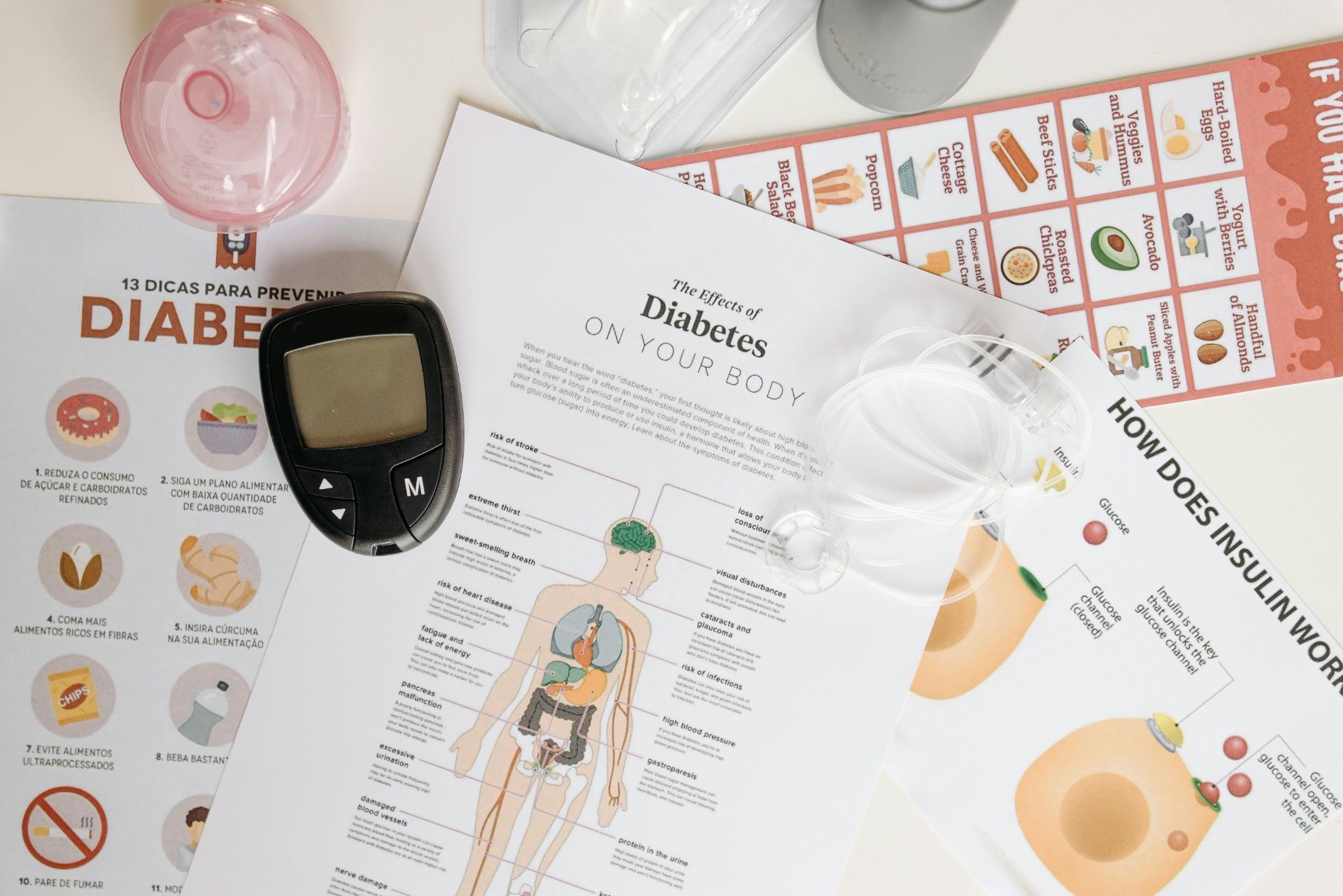
You know how in Photosynthesis, the plants use light and carbon dioxide, and convert them into energy? That is how we, as humans, consume foods, which are then broken down into glucose in the blood (blood sugar) and serve as our energy.
In Diabetes however, your body is unable to use this glucose, which is your main source of energy.
HOW?
There is a gland in your stomach called the Pancreas, which,h upon consumption of meals that get converted to glucose, releases Insulin into the blood. What insulin does here is to regulate and reduce the amount of converted sugar (glucose) coming into the blood.
A visual manifestation of this is when you turn your key (Pancreas) into the ignition of your car, activating it. This awakens the fuel tank (Insulin), which regulates the amount of fuel (glucose) that goes into the engine (the blood), and the extra fuel, el which is not required for that journey, is stored in the tank reservoir (organs and cells).
WHERE DOES THE REMAINING GLUCOSE GO?
This is how it works:
· Excess glucose, once dispersed, is stored in the muscles and organs for use as energy.
· Converted to glycogen and stored in the liver and muscles for later use.
· Converted to fat and stored in fat cells.
WHAT MEALS SHOULD YOU WATCH OUT FOR?
It is noteworthy to understand thatthe consumption of daily foods impacts our exposure to diabetes and insulin sensitivity. Some of such foods include:
· Refined carbohydrates and sugars: These are major contributors. During the processing, they strip out important vitamins and minerals, leaving behind easily digestible sugars and starches. What happens next is quick digestion and absorption,n which causes a blood sugar spike shortly after.
· Sugary beverages and snacks: Gotcha! Our daily on-the-go meals and junks made with added sugars are familiar sources of refined carbohydrates. All they do is increase blood sugar levels, offer no nutritional value,ue and contribute to weight gain – Oops!
· Processed grains: Everything made from flour – your white bread, biscuits, crackers, and chin-chin are all going to cause a blood sugar spike because they have a high glycemic index.
You might want to say something like “Oh, I’m not old. It doesn’t concern me.” Yes, it does. As long as you’re actively predisposing yourself to it, then yes.
But fret not, as you’ve found this article and there’s a solution in store for you. But before that, it may interest you to know, if you don’t already, that there are different types of Diabetes:
TYPES OF DIABETES
· Pre-diabetes: This is also called impaired glucose regulation or impaired glucose tolerance. It is an intermediate, possibly transitional state between normal glucose metabolism and Diabetes mellitus. It has a reading of 100-125 mg/dl for fasting blood sugar and a reading of 140-199 mg/dl for random blood sugar levels.
· Type 1 diabetes: This is an autoimmune disease where your immune system attacks and destroys cells in your pancreas (beta cells) responsible for producing insulin. It is usually diagnosed in children and young adults, but it can also develop at any age.
· Type 2 diabetes: Here, your body doesn’t make enough insulin and/or your body’s cells respond inadequately to insulin (insulin resistance). This mainly affects adults, but affects children as well.
· Gestational diabetes: This type develops in some people during pregnancy and usually goes away after birth. Pregnancy makes glycemic control more difficult,t especially in pre-existing Type 1 and Type 2 diabetes. Women with gestational diabetes are at an increased risk of Type 2 diabetes in the future.
OTHER RARE TYPES
· Latent autoimmune diabetes in adults
· Neonatal diabetes
· Monogenic diabetes
· Malnutrition-related diabetes
SYMPTOMS
· Polydipsia (Increased thirst) and dry mouth
· Frequent urination
· Fatigue
· Blurred vision
· Unexplained weight loss
· Numbness or tingling in your hands and feet
· Slow-healing sores cutscut
· Frequent skin and/or vaginal yeast infections
Because some/all of these symptoms resonate with you or someone you may know, it does not necessarily mean you have diabetes until a licensed health provider has properly diagnosed you.
DIAGNOSIS
To be diagnosed with Diabetes, you have to be screened for it first, with some/ more of the aforementioned symptoms present.
Diabetes is diagnosed if one or more of the following are present:
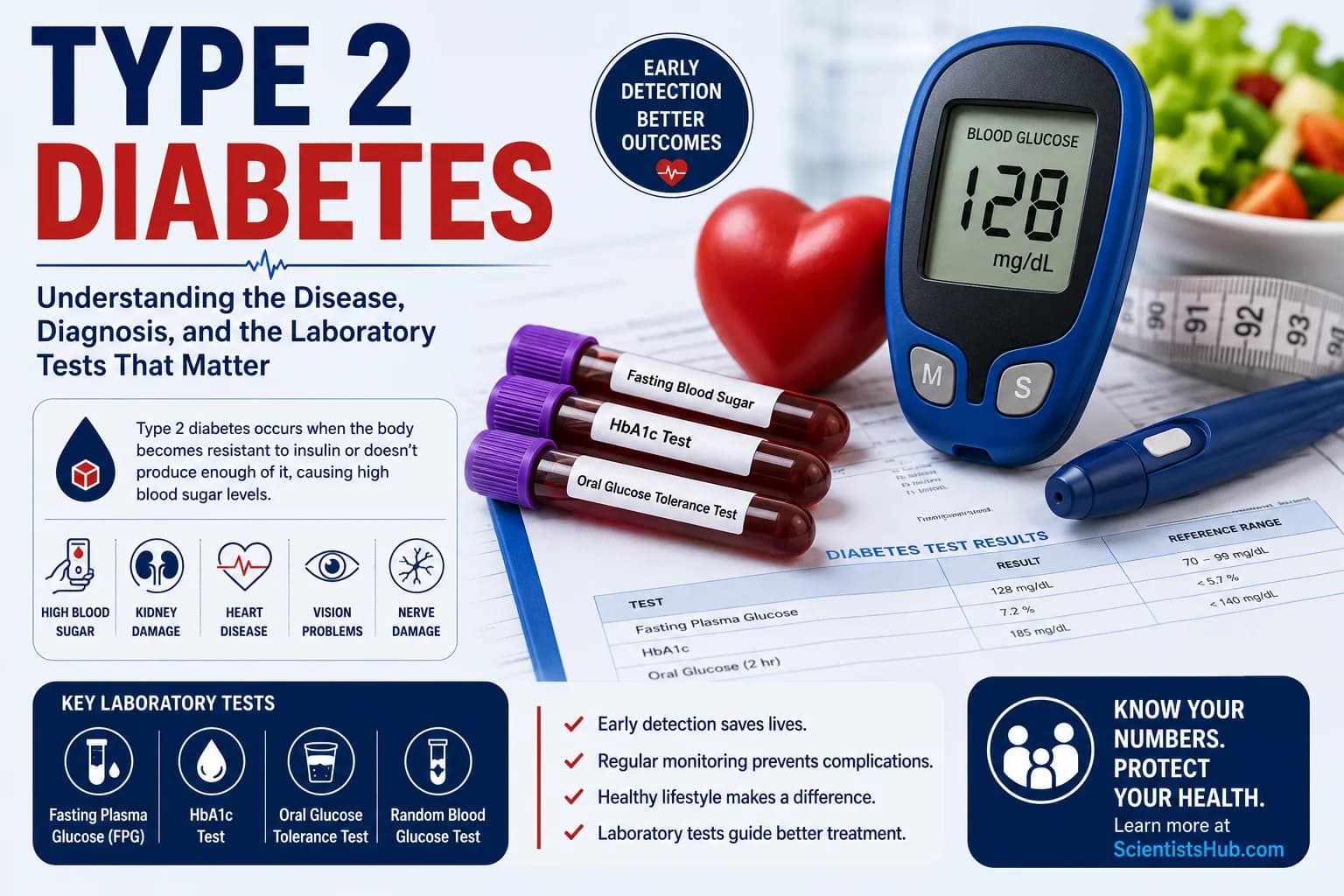
· Glycosylated hemoglobin (HbA1C) > 6.5%
· Fasting blood glucose > 126 mg/dl
· Random blood glucose > 200 mg/dl
The diagnosis of diabetes is then classified into further types based on patient presentation, genetic, immunological, ic, and contextual factors.
WHAT IS HBA1C?
HbA1C or Glycosylated hemoglobin results from a combination of hemoglobin that is bound chemically to a sugar that increases with blood glucose. It also has a validated relationship with the average glucose level over the 3 months prior. Its measurements are included in the criteria for diabetic diagnosis and can be read as follows:
- HbA1C > 6.5% = Diabetes
- HbA1C 5.7 to 6.4% = Prediabetes
COMPLICATIONS
Diabetes can lead to acute (sudden and severe) and long-term (gradually develops over time) complications, and they include:
ACUTE COMPLICATIONS
· Diabetes ketoacidosis (DKA): This condition mainly affects people with Type 1 diabetes. In a situation whereinsulin is absent, glucose can’t be used for energy, so fat is broken down instead. This, in turn, releases a substance called ketone, which then turns the blood acidic. Causes labored breathing, vomiting,g and loss of consciousness. Requires immediate medical intervention.
· Hyperosmolar hyperglycemic state: This mainly affects people with Type 2 diabetes and happens when their blood sugar is extremely hi,gh i,. >600mg/dl for a prolonged period of time. This leads to severe dehydration and confusion and requires immediate medical intervention.
· Hypoglycemia: This can result in sympathetic nervous system stimulation and central nervous system dysfunction. Here, blood sugar drops below the normal healthy range. Mainly involves Type 1 diabetic patients who use insulin injectables. Signs include blurred vision, clumsiness, disorientation, and seizures. Your provider will treat you with emergency glucagon and provide a medical intervention.
LONG-TERM COMPLICATIONS
These include primarily vascular complications that affect small vessels (microvascular), large vessels (macrovascular), or both.
Microvascular diseases target 3 common and severe complications,s and they are:
· Retinopathy: It is a leading cause of blindness from hyperglycemia,ia and patients can experience blurred vision, retinal detachment,e and partial or total vision loss.
· Nephropathy: This is a form of chronic kidney disease that can cause glomerular hypertension and is treated by rigorous glycemic and blood pressure control.
· Neuropathy: This leads to nerve damage, which can cause numbness, tingling, and/or pain.
· Diabetes-related foot conditions
· Hearing loss
· Gum disease
· Skin infections
Macrovascular diseases involve:
· Atherosclerosis of large vessels (fatty arteries)
· Heart attack
· Stroke
· Coronary artery disease
MANAGEMENT & TREATMENT
· Routine blood sugar testing
· Insulin, as required by a Type 1 diabetes patient,whoey inject synthetic insulin for diabetes management.
· Oral diabetes medications, like Metformin and Glimepiride, are used to control blood sugar levels in people with Type 2 diabetes.
· Diet, as previously explained. Enjoying a healthy, nutritious diet is crucial for maintaining blood sugar levels and preventing the incidence of diabetes.
· Exercise and weight loss increase insulin sensitivity and reduce insulin resistance , especially in Type 2 diabetes.
· Maintaining healthy blood pressure levels to reduce the risk of macrovascular diseases.
POINTS TO NOTE
· Diabetes is not a disease specific to older people, as young people can be affected by it.
· Consuming sugar outright doesn’t cause diabetes.
· Foods high in carbohydrates are being converted into glucose in the blood, where insulin breaks it down.
· Diabetes comes from the inactivity of insulin on the blood glucose due to insufficiency (Type 1) or Resistance
· A great supplement that helps combat this disease is Berberine, which helps to significantly lower blood sugar levels.
· Intermittent fasting is recommended as it improves insulin sensitivity, thus lowering blood glucose levels.


Discussion