
When someone comes across the term “Hypertension”, what comes to mind?
For many people, it is often assumed to be a “Stress disease”. Others casually refer to it as an “Old man’s disease” based on the myth that it affects only the elderly. These assumptions, however banal, are misleading and potentially lethal.
“Hypertension”, also known as high blood pressure, is a persistently increased force of blood against the artery walls. A simplified understanding is a vivid imagination of a tiny hose (artery walls) connected to a tap running at full blast. Over time, the intense pressure of the water (blood) stresses and damages the tiny hose.
Similarly, sustained high blood pressure places excessive strain on the blood vessels and heart. As blood pressure increases, the heart is compelled to work harder to pump blood throughout the body. This increased workload can damage the arteries, weaken the heart muscle, and eventually lead to severe complications like heart disease, stroke, kidney failure, and even premature death.
HOW DID WE GET HERE?
A major reason for Hypertension’s ubiquity is that many people go about living their daily lives, unchecked. Nonchalance for some, and for others ignorance from lack of awareness creation, makes them void of the much needed routine checks. This then leads to severe complications at the chronic stage.
Hypertension frequently develops quietly. People may go to sleep at night unaware that their heart is overworking due to the high pressure. Over time, this causes the blood vessels of the lungs to resist blood flow from the heart – a term referred to as Pulmonary vascular resistance –, which in turn causes heart failure and premature death if left untreated. (Silvia Papa et al. 2026)
SIGNS & SYMPTOMS
Hypertension is typically symptomless, earning its sobriquet, “the silent killer disease.”
However, in cases of extremely high pressure, particularly during Hypertensive emergencies, certain symptoms may occur:
-Chest pain
-severe headache
-palpitations
-dizziness
-stroke.
TYPES
The types of Hypertension are classified based on their pathology, and they are:
- Primary Hypertension: also referred to as ‘essential Hypertension’ and is the most prevalent type. They develop gradually with nary an identifiable cause, often from genetics, family histor,y or lifestyle factors (like poor diet, inactivity, smoking, etc).
- Secondary Hypertension: This type of Hypertension has an identifiable cause. Most times, it is caused by a medical condition, medication, or even an addictive substance.
STAGES
Hypertension has two main stages:
STAGE 1: Here, your systolic blood pressure continuously reads between 130-139 mmHg, and a diastolic blood pressure consistently reads between 80-89 mmHg. This indicates a risk for heart disease, requiring lifestyle changes and potentially medication, especially if present with other risk factors.
STAGE 2: In this stage, the patient presents with a consistent systolic pressure of 140 mmHg or higher and a consistent diastolic pressure of 90 mmHg or higher. This requires immediate medical attention, where combination medications may be prescribed to prevent serious medical issues.
POINTS TO NOTE
A Hypertensive urgency is a situation where the systolic blood pressure is greater than 180 mmHg and/or a diastolic blood pressure that is more than 120 mmHg, but has yet to cause any notable organ damage. It usually is symptomless.
A Hypertensive emergency is a particularly severe form of high blood pressure. Here, the systolic blood pressure is presented to be at least 180 mmHg, and/or the diastolic blood pressure is at least 120 mmHg. There is notable evidence and presence of progressive damage in one or more of the vital organs ( like the brain, lungs, heart, and kidneys). This is often accompanied by a variety of symptoms and, if left untreated, can be extremely detrimental.
WHAT SHOULD YOU DO?
Preventing and controlling Hypertension starts with simple, consistent lifestyle changes:
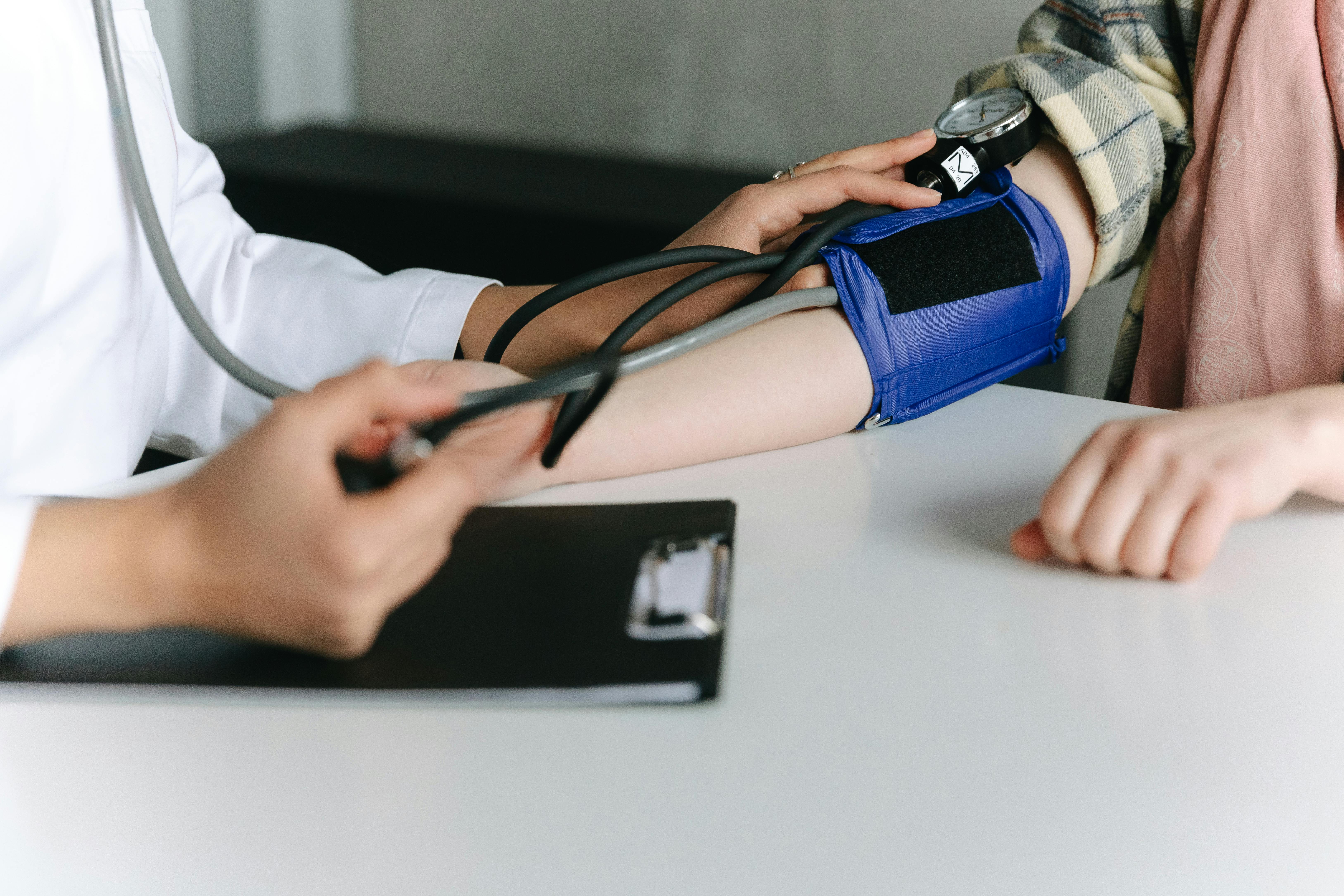
Engage in routine checks, using a sphygmomanometer
Maintain a healthy weight, especially if you’re overweight or obese, by engaging in regular exercise.
Smoking and Alcohol cessation, as they exacerbate the condition
Reduce sodium intake, particularly from processed foods and your table salt.
UNDERSTANDING YOUR BLOOD PRESSURE NUMBERS
The goal is to maintain:
Systolic blood pressure: 120 – 129 mmHg, diastolic blood pressure: 80-89 mmHg.
If you experience persistently elevated levels, do not fret. It is important to consult your health care provider.
Treatment may involve prescribed medications, life style changes, and in some cases recommended supplements like Coenzyme Q 10, Garlic, or alpha lipoic acid, as supportive therapy for your cardiovascular health.
FINAL MESSAGE
If you’ve read thus far, Congratulations – you have either gained knowledge or reinforced the previously attained ones. More importantly, you have taken a step towards protecting your health.
Remember, Hypertension does not discriminate by age, and it is not merely a consequence of stress. And it definitely is not the end of the world. Awareness, early detection, and proper management are the strongest tools available to combat this silent but deadly condition.



Discussion