
Introduction
Every day people create an amount of computerized data. This data comes from things like media, scientific investigate, money transactions, therapeutic pictures and government records. The amount of data is growing fast and this is causing problems for the ways we store data now like hard drives, solid state drives and big cloud systems. These systems are starting to reach their limits, financially and environmentally.
Big data centers use a lot of electricity. This is a concern for the future. We need to think around how to keep all this data safe. The hardware we use to store data gets old. Stops working, file types become outdated and keeping old chronicles is a lot of work and costs money. So saving all the information that people are creating is getting harder and harder.
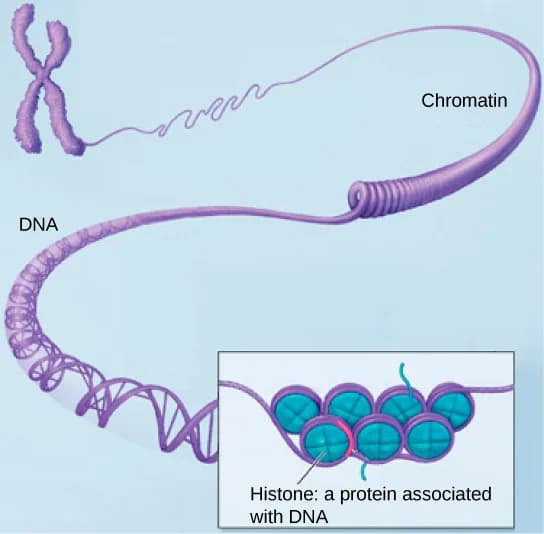
To fathom these problems researchers are looking at nature for thoughts. One new technology that is very promising is DNA data storage. This is a way of storing information in the DNA atom, which is the same atom that stores hereditary information in living things.
The idea is simple but very powerful:
Digital data is turned into DNA groupings then these arrangements are made and stored and later they are read and turned back into data. This way of storing information is very good because it is compact and stable. DNA data storage has advantages, including being able to store a lot of information in a very small space and being able to keep data safe for hundreds or thousands of years.
What is really exciting about DNA data storage is that it can store a lot of information and it is very strong and productive. It challenges the limits of computer systems and opens up new ways to keep data safe for a long time.
Now scientists are asking an important question: if DNA can keep the genetic code of life safe for billions of years can DNA data storage too keep peoples digital information safe, for the future?This article will look deeply at the science, building, new ideas, limitations and what DNA data storage might mean for the future.
1. How DNA Data Storage Works
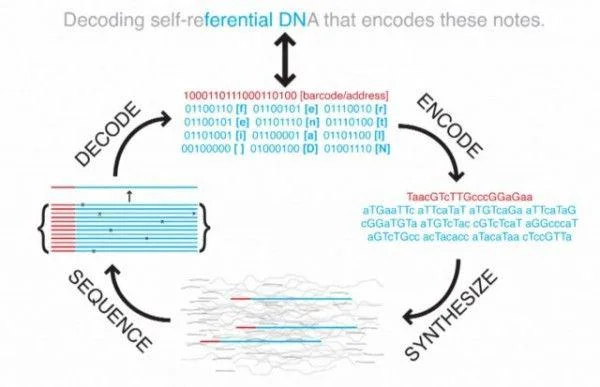
DNA data storehouse is erected on a basic but important conception converting double law into natural law.
Core Prepare Diagram
The prepare consists of four main stages
Encoding
Conflation
Storehouse
Sequencing & Decoding
1. Garbling Digital Data
Digital information is firstly stored in double format. 0s and 1s. In DNA storehouse, these double values are counterplotted into four nucleotide bases
Adenine( A)
Thymine( T)
Cytosine( C)
Guanine( G)
Illustration Mapping
00 → A
01 → T
10 → C
11 → G
2. DNA conflation (Writing Data)
Once digital information is converted into DNA law, it must be physically created through a handle called DNA conflation. This step turns the digital enlightening into real natural motes.
Crucial Points
Conducted in technical labs
DNA conflation is performed in largely advanced laboratories equipped with precise biochemical disobedient.
Uses chemical or enzymatic conflation
Scientists either use chemical responses or protein- grounded styles to make DNA beaches nucleotide by nucleotide.
Produces millions of short DNA fractions
Rather of one long beachfront, data is broken into numerous small DNA pieces for easier conflation and error operation.
Each scrap contains part of the data
Every DNA member stores a small portion of the decoded information, analogous to data packets in digital networks. This is the slowest and most precious step in the entire DNA storehouse process because it requires complex lab work and high perfection.
3. Storage of DNA Data
After conflation, the DNA is stored safely so the decoded information remains stable for long ages.
Storehouse Conditions
Low temperature
Cold surroundings decelerate down molecular declination and keep DNA stable for longer lengths.
Dry terrain
Humidity can damage DNA beaches, so dry storehouse prevents chemical breakdown.
Defended from UV presentation
UV light can alter DNA structure, so samples are shielded from radiation.
Why DNA is important
Extremely stable patch
DNA naturally resists declination better than utmost engineered storehouse accoutrements .
Can last thousands to millions of times
Under ideal conditions, DNA can save information far longer than electronic storehouse.
Requires minimum physical space
Massive quantities of data can be stored in bitsy natural samples.
Storage comparison
1 gram of DNA ≈ 215 petabytes of data
This shows how unimaginably thick DNA storehouse is compared to ultramodern systems.
Fellow to millions of USB drives in bitsy space
All that data can be stored in a volume lower than a grain of swab.
4. Sequencing and Interpreting
When stored information is demanded, DNA is studied back through sequencing and converted into digital form.
Steps
Machines read nucleotide order
Advanced sequencing machines distinguish the exact sequence of A, T, C, and G bases.
Software converts it back into double
Computational algorithms restate DNA canons back into 0s and 1s.
Original digital train is reconstructed
The recouped double data is reassembled into the original train( textbook, image, videotape, etc.). This final step completes the full DNA data storehouse cycle, turning natural information back into usable advanced substance. This change transforms computer data into a DNA sequence.
Advantages of DNA Storage
Ultra-high density
DNA can hold a massive amount of data in a very small space. In fact, just one gram of DNA can store hundreds of petabytes of information, which is way more than any current digital storage method.
Long-term durability
DNA is naturally strong and can keep information safe for thousands of years if stored properly. Unlike hard drives or the cloud, it doesn’t wear out quickly over time.
Low energy requirement for storage
Once data is stored in DNA, it doesn’t need much energy to stay safe.
This makes it very eco-friendly, compared to data centers that use a lot of electricity.
Minimal physical space
DNA data can be stored in tiny biological samples.
This means you don’t need big server rooms or lots of physical space.
Limitations of DNA Storage
High cost of synthesis
Making synthetic DNA is still very expensive because it needs complex chemicals and special lab tools, which makes using it widely difficult.
Slow read/write process
Putting data into DNA or taking it out takes much longer than using regular electronic storage, so it’s not good for things that need fast access.
Error-prone sequencing
When creating or reading DNA, mistakes can happen in the sequence of the building blocks. These errors can mess up the data unless they are fixed.
Requires advanced lab infrastructure
DNA storage needs high-tech labs, special equipment, and trained experts, which means it’s not something most people can use in their everyday computers.
Major Research Contributions
Harvard University
Scientists at Harvard University did one of the first successful tests of storing data in DNA.
They took digital information like books, pictures, and sounds and changed it into DNA strands.
Then they got the data back correctly.This showed that DNA can be used as a good way to keep digital information for a long time, and it made people all over the world interested in this idea.
Microsoft Research + University of Washington
Microsoft and the University of Washington worked together to create one of the first automatic DNA storage systems.
Their system could take digital files and turn them into DNA sequences, make the DNA, and then get the information back by reading the DNA.
This was a big step towards making DNA storage useful and able to handle a lot of data.
Key Technological Innovations
1. Error-Correcting Codes
When making DNA, mistakes can happen, like missing, extra, or wrong parts. To fix this, researchers use special methods like repeating information, checking for errors, and using Reed–Solomon coding. These help keep the data safe even if some DNA parts get damaged or broken.
2. AI-Assisted DNA Design
Artificial intelligence is now helping to make DNA storage better. AI can find good DNA sequences, spot problems that might cause errors, and help make data take up less space. This makes DNA storage more reliable, cheaper, and easier to use for bigger sets of data.
3. Enzymatic DNA Synthesis
Older ways of making DNA use chemicals that are not very eco-friendly and can be costly. Using enzymes, which are natural proteins, makes DNA production faster and more efficient. This method could lower costs and make DNA storage more sustainable.
4. DNA Fountain Technique
The DNA Fountain method is a smart way to store data so that it can be recovered even if some parts are lost. It spreads information across many DNA strands in a random way. This makes data more reliable and less likely to be lost forever.
Current Use Cases
Archival Scientific Data
Institutions in science, like those studying the stars, genes, and the environment, create huge amounts of data. DNA storage could be a great way to keep this data safe for many years without needing constant electricity.
Cultural Heritage Preservation
Museums, libraries, and historical places are looking at DNA storage to help keep old documents, artworks, and records safe. This could protect important parts of history from getting damaged or becoming outdated.
Experimental Multimedia Storage
Scientists have already stored things like photos, music, videos, and more into DNA. These tests help check how much data can be stored, how reliable it is, and how well it can be retrieved.
Long-Term Government Backup Research
Governments and national record offices are studying DNA storage as a way to keep important information like census records and legal documents safe. Because DNA lasts a long time, it could be a good way to keep records safe for future generations.
Challenges in Development
High Cost of DNA Synthesis per Megabyte
Even though the cost of making DNA has gone down, it's still much more expensive than using hard drives or cloud services. Lowering these costs is a big challenge for making DNA storage widely used.
Slow Write Speed Compared to Digital Systems
Putting data into DNA takes a long time—sometimes hours or even days. This makes DNA storage not suitable for situations where data needs to be added quickly or changed often.
Limited Commercial Infrastructure
Right now, not many companies offer large-scale DNA synthesis and reading services. More investment in the industry is needed before DNA storage becomes a practical option for businesses.
Complex Error Correction Requirements
Even small mistakes during reading can mess up the data. So, DNA storage systems need advanced computer tools and error-correction methods, which makes the process more complex.
4. Data & Scientific Evidence
Storage Capacity (~215 Petabytes per Gram)
One of the biggest things about DNA storage is how much data it can hold.
Scientists say that a single gram of DNA can carry about 215 petabytes of information, which is like millions of gigabytes.
This is way more than what regular hard drives, solid-state drives, and cloud storage can handle, making DNA one of the smallest and most efficient ways to store data.
Longevity (Thousands of Years)
Unlike regular storage devices that stop working after a few decades, DNA can last for thousands of years if stored properly.
DNA found in ancient fossils and preserved biological samples shows just how strong and durable it is.
This makes DNA a great choice for keeping important information safe for a very long time, especially for things that need to be around for many generations.
2012 Harvard Experiment
In 2012, a team led by George Church at Harvard University encoded a digital book, images, and audio files into synthetic DNA.
They were able to read the data back with high accuracy, showing that DNA can actually be used to store information.
This experiment proved that DNA could be a real part of the future of storing information.
2018 Microsoft–University of Washington System
In 2018, scientists from Microsoft Research and the University of Washington developed a system that could automatically store digital data as DNA.
The system could turn data into DNA strands, make them, read them back, and retrieve the original files with very little help from humans.
This showed that DNA storage could be part of future computing systems.
Error Rates (~1–10%)
When DNA is made or read, errors can sometimes happen.
These mistakes might change the data slightly, leading to errors.
Most systems today have error rates between 1% and 10%, so having good error-correcting methods is very important to keep the data safe and accurate.
Scientific Conclusion
In recent years, scientists have shown that storing data in DNA is not only possible but has been proven to work. While there are still challenges like cost, speed, and setting up the right systems, progress in biology and computing suggests that DNA could become a serious option for storing information in the future.
5.Practical Implications (So What?)
DNA data storage has the potential to change how we save and handle information.
Its ability to hold a lot of data, last for a long time, and be sustainable could affect many areas, from government archives to scientific research and cloud storage.
1.Revolution in Data Centers
Today's data centers use a lot of space, power, and hardware.
DNA storage offers a different way to save data by using tiny biological samples instead.
Potential Benefits
Lower Electricity Use
DNA doesn’t need power to stay stored, so it uses less electricity over time.
Less Environmental Harm
Fewer servers and cooling systems could help lower carbon emissions.
Greener Digital Systems
DNA storage could lead to more eco-friendly ways of managing data.
2. Long-Term Preservation
Some information needs to be kept for hundreds or even thousands of years.
DNA’s natural strength makes it perfect for preserving important records.
Best Use Cases
Government Records
Important national documents, census data, and legal papers can last for future generations.
Scientific Research
Findings and data from experiments can stay available for future study.
Historical and Cultural Records
Books, artworks, and cultural heritage items can be protected from damage and loss.
Why It Works
Resists damage when stored properly.
Not easily affected by old technology.
Keeps data safe for a very long time.
3. Space Efficiency
One of the best things about DNA storage is how much information it can hold in a very small space.
Potential Applications
Miniature Archives
An entire library could fit in a container the size of a sugar cube.
Cloud Storage Alternatives
Future data centers could take up much less room.
Space Missions
Compact storage is useful for space travel where weight and space matter.
4.Ethical and Security Concerns
Like any new technology, DNA storage raises new ethical, legal, and safety issues that must be handled carefully.
Key Concerns
Data Security
Important information needs to stay private from the wrong people.
Unauthorized Copying
DNA can be copied, which brings up issues about ownership and privacy.
Biosecurity Risks
Special care must be taken to handle synthetic DNA safely.
Regulation
Rules at a global level may be needed to manage how DNA storage is used.
5.Economic Impact
If DNA storage becomes a real option, it could create new industries where biotechnology and information technology meet.
Possible Outcomes
Lower Long-Term Storage Costs
Better efficiency may reduce the cost of keeping data safe over time.
New Industries
Companies focused on DNA creation, reading, and storage could grow quickly.
Changes in Computing
Future storage systems might combine DNA with digital tech.
New Job Opportunities
More people could work in areas like bioinformatics, molecular engineering, and computational biology.
Conclusion
DNA data storage represents one of the most exciting innovations at the intersection of biology, computer science, and information technology. By converting digital information into the molecular language of DNA, researchers are exploring a storage medium that offers unprecedented data density, remarkable durability, and the potential for long-term sustainability. As the volume of global data continues to grow at an extraordinary rate, conventional storage technologies are increasingly facing limitations related to capacity, energy consumption, maintenance costs, and physical space. DNA storage presents a promising alternative that could help address many of these challenges.
Throughout recent years, numerous scientific breakthroughs have demonstrated that storing and retrieving digital information from DNA is not only possible but also increasingly practical. Experiments conducted by leading research institutions have successfully encoded books, images, audio files, and other forms of data into synthetic DNA. Advances in DNA synthesis, sequencing technologies, artificial intelligence, and error-correction methods have significantly improved the reliability and efficiency of these systems.
Despite its enormous potential, DNA data storage is not yet ready to replace traditional storage technologies. High synthesis costs, slow read-and-write speeds, and the need for specialized laboratory infrastructure remain significant obstacles to widespread adoption. However, many experts believe that continued investment and innovation will gradually overcome these barriers, just as early computers evolved from expensive experimental machines into essential tools used worldwide.
The long-term implications of DNA storage are profound. Future generations may preserve vast libraries of human knowledge, scientific discoveries, cultural heritage, and historical records within tiny biological samples occupying only a fraction of the space required today. Such a development could reduce the environmental impact of data centers while providing a more durable solution for long-term archiving.
Ultimately, DNA data storage challenges our traditional understanding of information preservation. By harnessing a molecule that has successfully stored biological information for billions of years, humanity may gain access to one of the most powerful archival technologies ever conceived. Although much work remains to be done, DNA storage has the potential to reshape the future of digital preservation and ensure that valuable knowledge remains accessible for generations to come.

Discussion