
Why Data Privacy Matters More Than Ever in Everyday Digital Life
Most people think about privacy only when they hear news about a major data breach or a social media controversy. However, data privacy affects us every day, often in ways we don't notice.
Every time we shop online, use a mobile app, access internet banking, order food, stream movies, or browse social media, we are sharing information about ourselves. Some of this information seems harmless, but when combined, it can reveal a surprisingly detailed picture of our habits, interests, locations, and behaviors.
As technology becomes more integrated into our daily lives, understanding data privacy is no longer just a concern for technology professionals. It has become an important issue for everyone who uses digital services.

What Is Data Privacy?
Data privacy refers to the way personal information is collected, stored, used, and shared by organizations.
Personal information may include:
Name
Email address
Phone number
Home address
Financial information
Health information
Location data
Online browsing activity
When users provide this information to a company, they expect it to be protected and used responsibly.
Data privacy is built on a simple principle: individuals should have control over how their personal information is collected and used.
Data Privacy in Everyday Industries
Data privacy impacts nearly every industry that relies on technology.
Banking and Financial Services
Financial institutions manage some of the most sensitive customer information, including account details, transaction histories, credit information, and personal identification records.
Customers expect their information to remain secure and accessible only to authorized individuals. To achieve this, organizations implement security controls such as multi-factor authentication, encryption, role-based access controls, and continuous monitoring.
A privacy incident within a financial institution can have serious consequences, including financial fraud, identity theft, regulatory penalties, and loss of customer trust.
Healthcare Organizations
Healthcare providers collect and manage patient information, medical records, insurance information, and treatment histories.
Unlike many other industries, healthcare data is highly personal and often irreplaceable. Patients trust healthcare organizations to protect information that directly impacts their well-being and privacy.
As healthcare systems continue to adopt digital platforms and cloud-based technologies, protecting patient information remains a top priority.
Cloud Computing and Enterprise Technology
Cloud computing has transformed how organizations store and manage information.
Businesses now rely on cloud platforms to support operations, improve scalability, and provide access to information from virtually anywhere. While cloud technologies offer numerous benefits, they also require organizations to implement strong governance, access management, and security controls.
Organizations must carefully determine:
Who can access data
How data is stored
How data is shared
How long information is retained
How compliance requirements are met
The Digital Footprint We Leave Behind
Many people underestimate the amount of information they share online.
Consider a typical day:
You unlock your phone using biometric authentication, check social media, order coffee through a mobile app, use GPS navigation, shop online, and watch videos on a streaming platform.
Each of these activities generates data.
Individually, these interactions may seem insignificant. Together, however, they create what is known as a digital footprint.
Companies use this information to personalize services, improve customer experiences, recommend products, and analyze consumer behavior.
While personalization can be beneficial, it also raises questions about how much information organizations should collect and how long they should keep it.
A Real-World Example
Imagine a customer who frequently searches online for running shoes.
Within a few days, advertisements for fitness products begin appearing across websites, social media platforms, and mobile applications.
At first, this may seem helpful. However, many users are surprised to learn how much tracking occurs behind the scenes.
Search history, website visits, location information, device identifiers, and browsing behavior may all contribute to building a profile that advertisers use to target specific audiences.
This example demonstrates how everyday activities can generate valuable personal data that organizations collect and analyze.
The issue is not necessarily that data is being collected. The concern is whether users fully understand what is being collected and how it is being used.
Why Data Privacy Matters
Protection Against Identity Theft
One of the biggest risks associated with poor data protection is identity theft.
If personal information falls into the wrong hands, criminals may attempt to open accounts, access financial resources, or impersonate individuals online.
Financial Security
Banking information, payment card details, and financial records are attractive targets for cybercriminals.
Strong privacy and security practices help reduce the risk of financial fraud.
Personal Safety
Location data, personal photographs, and contact information can expose users to risks if shared without appropriate safeguards.
Trust
Organizations that protect customer information build trust and strengthen relationships with their users.
When privacy incidents occur, trust can be difficult to restore.
Common Privacy Mistakes
Many privacy risks result from everyday habits.
Some common mistakes include:
Reusing the same password across multiple accounts
Sharing excessive personal information on social media
Ignoring privacy settings
Clicking unknown links
Granting unnecessary application permissions
Connecting to unsecured public Wi-Fi networks
Fortunately, most of these risks can be reduced through awareness and simple preventive measures.
Practical Steps to Protect Personal Information
Protecting privacy does not require advanced technical knowledge.
Users can improve their security by:
Using strong and unique passwords
Enabling multi-factor authentication
Reviewing privacy settings regularly
Limiting personal information shared online
Updating software and applications
Being cautious of suspicious emails and messages
Reviewing application permissions before granting access
Small actions can significantly reduce exposure to privacy risks.
The Future of Data Privacy
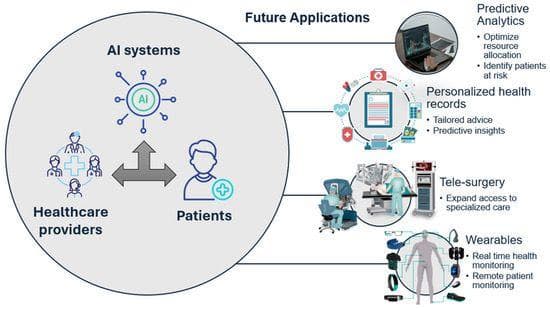
As artificial intelligence, cloud computing, connected devices, and digital services continue to evolve, data privacy will become even more important.
Consumers are becoming more aware of how organizations use their information and are demanding greater transparency.
At the same time, governments and regulatory agencies continue to introduce laws designed to strengthen privacy protections and increase organizational accountability.
Organizations that prioritize responsible data practices will be better positioned to earn customer trust and maintain long-term relationships.
Conclusion
Data privacy is no longer a topic that concerns only technology companies or cybersecurity professionals. It affects anyone who uses a smartphone, computer, or online service.
Understanding how personal information is collected and used helps individuals make informed decisions about their digital activities. While technology offers tremendous convenience, maintaining privacy requires both organizational responsibility and user awareness.
By taking simple precautions and staying informed, technology users can enjoy the benefits of digital services while better protecting their personal information.



Discussion