
You probably know this story: Aurora, also known as the Sleeping Beauty, was a kind princess who was cursed by an angry fairy and fell into a deep sleep for years. On her sixteenth birthday, she pricked her finger, and the spell came true. Silence covered the land, and the entire kingdom fell asleep with her. Years later, the spell could be broken by a kiss from a prince.
Many of us drifted off to sleep with this story at bedtime in our childhood; however, only a few of us are aware of its real-life equivalent, the rare neurological condition called Sleeping Beauty Syndrome or Kleine-Levin Syndrome (KLS).
Those who have this condition can sleep up to 20 hours a day during episodes that recur unpredictably—sometimes lasting days, sometimes weeks, or even months. So what exactly is this mysterious syndrome? Let’s dive in.
A Brief History and Literature of Sleeping Beauty Syndrome
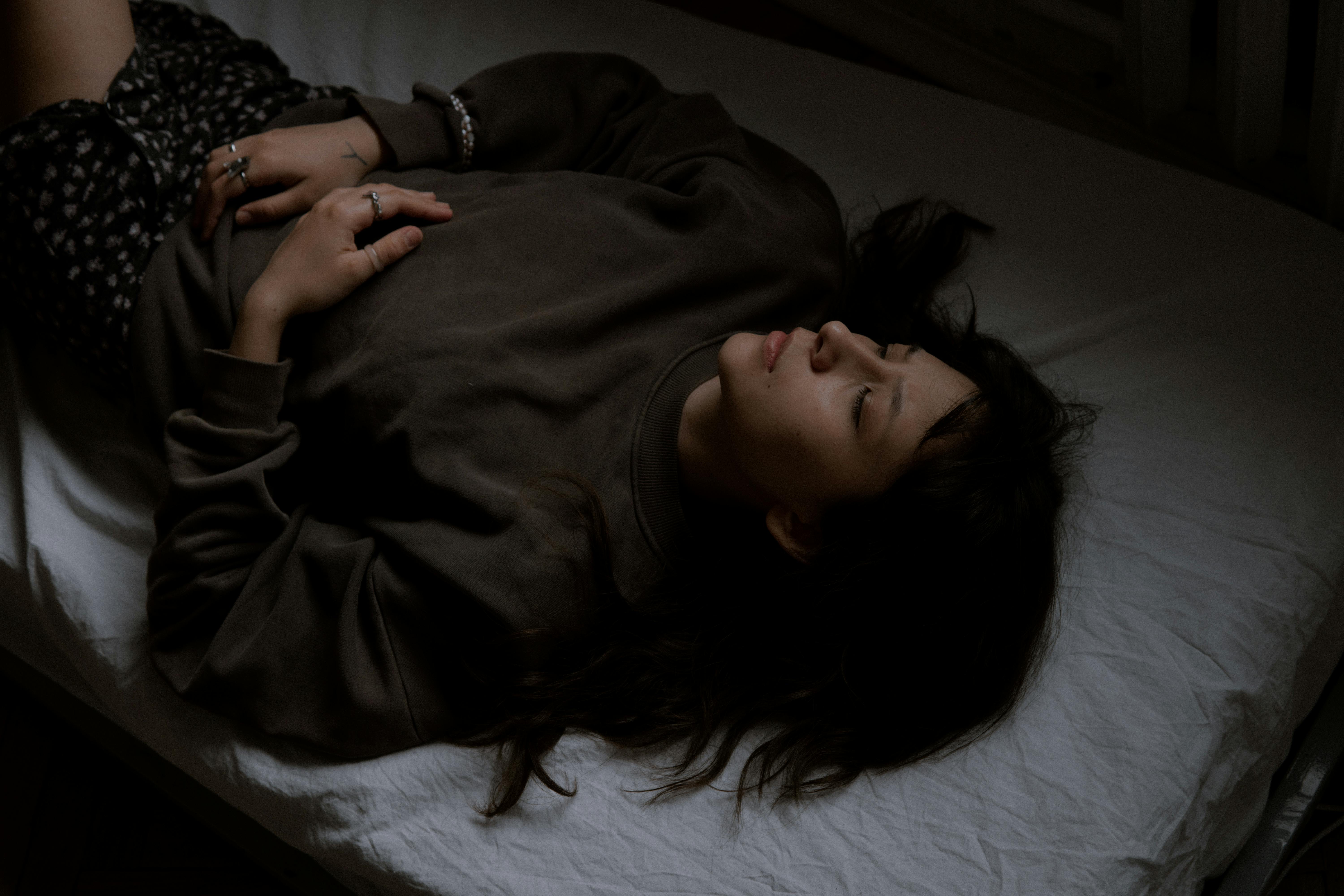
Sleeping Beauty Syndrome, also known as Kleine-Levin Syndrome, is a rare neurological condition characterized by recurrent episodes of extreme sleepiness. In 1815, a young man was reported to have an excessive appetite and prolonged sleep following a fever. In another 1815 case, Brierre de Boismont described similar symptoms. (1)
In 1925, Willi Kleine, a neurologist from Frankfurt, described in detail five patients with prolonged sleepiness. Four years later, this report was expanded upon by New York-based psychiatrist Max Levin, who documented a similar case. In 1935, Levin published information on several other cases, including one described by Kleine.
Levin observed something interesting: some patients weren’t just tired—they also had voracious appetites. Then, in 1942, MacDonald Critchley formally named it Kleine-Levin Syndrome (1) and pinpointed four key characteristics: it typically begins in adolescence, involves hyper sexuality, resolves on its own, and includes compulsive eating. Critchley initially believed that only males were affected, though later research showed that females could develop the condition as well. (2)
The famous term “Sleeping Beauty Syndrome” came into common use much later, adopted by the media and the public because of its striking similarity between the patient’s prolonged sleep episodes and the fairy-tale character Sleeping Beauty.
An Overview of Sleeping Beauty Syndrome/Kleine-Levin Syndrome
Sleeping Beauty Syndrome, also known as Kleine-Levin Syndrome (KLS), is an extremely rare disease with only about 500 cases reported in the medical literature worldwide. (3) It is a rare sleep disorder in which the body craves excessive sleep for 15 to 20 hours (hypersomnolence or hypersomnia) and also overeating (compulsive hyperphagia). There may also be cognitive disturbances with this syndrome.
Sleeping Beauty Syndrome may arise idiopathically or be triggered by a neurological event or infection. However, to date, no definitive underlying causes of KLS have been identified, and there are no definitive management guidelines.
Prompt diagnosis combined with effective management of the condition can help patients escape from the morbidity resulting from this syndrome. (4)
Symptoms of Sleeping Beauty Disorder (Kleine-Levin Syndrome)
Some of the common symptoms associated with Sleeping Beauty Syndrome (Kleine-Levin Syndrome) include: Extreme Sleepiness
Individuals living with Sleeping Beauty Syndrome do not have any symptoms between episodes. However, when symptoms appear, they last a few days, weeks, or even several months.
The most common symptom of Klein-Levin Syndrome is extreme sleepiness. It is common to see individuals with Sleeping Beauty Syndrome sleeping up to 20 hours a day.
Excessive hunger or food cravings while awake
During episodes of KLS, affected individuals, while awake, experience excessive hunger or food cravings, termed as hyperphagia. (3)
Severe Fatigue
People with Sleeping Beauty Syndrome experience fatigue during the time of episodes. It can be so severe that patients are bedridden until an episode passes.
All these symptoms of KLS can result from reduced blood flow to the brain during an episode.
Some other noted symptoms of KLS include:
Childish behavior
Lethargy
Abrupt onset, sometimes accompanied by flu-like symptoms
Irritability
Depressed mood
Hallucination
Disorientation
Progressive drowsiness
Increased sex drive
Symptoms of Sleeping Beauty Syndrome may not occur every day in affected individuals. In fact, KLS is an unpredictable condition, and episodes can recur suddenly and last for days, weeks, or even months.
After an episode, most individuals with Sleeping Beauty Syndrome regain normal physical and behavioral functioning; however, they may have only minimal memory of what happened during their episodes.
Causes and Risk Factors of Sleeping Beauty Syndrome/ KLS
The exact cause of Sleeping Beauty Syndrome is not yet known. However, some medical experts believe that certain factors can increase the risk of this condition.
For instance, an injury to the hypothalamus, the part of the brain that regulates sleep, appetite, and body temperature, may lead to KLS. A possible injury could be a head injury from a fall, although further studies are required to confirm this link.
In some people, Sleeping Beauty Syndrome develops after an infection, such as the flu. That’s the reason some scientists believe that the syndrome could be a type of autoimmune disorder.
Genetics may also contribute to the occurrence of KLS. These are cases in which the condition affects more than one family member.
Diagnosis of Sleeping Beauty Syndrome (Klein-Levin Syndrome)
Diagnosing patients with Sleeping Beauty Syndrome (Klein-Levin Syndrome) is challenging. Because the condition can occur alongside psychiatric symptoms, some individuals are misdiagnosed with a psychiatric disorder. The average delay in accurate diagnosis is 4 years.
The diagnosis of Sleep Beauty Syndrome is a process of exclusion. There is no single test to confirm this syndrome. Your healthcare professional will need to perform multiple evaluations to rule out other possible conditions. Symptoms of Klein-Levin Syndrome can mimic other illnesses. Your doctor would conduct a physical examination and diagnostic testing, including blood tests, sleep studies, and brain imaging such as CT scans or an MRI.
These tests would be performed by your doctor to check for and rule out conditions such as diabetes, tumors, inflammation, infections, hypothyroidism, other sleep disorders, multiple sclerosis, and other neurological conditions.
NOTE: Excessive sleepiness and difficulty awakening from bed are also characteristics of depression. Your healthcare provider may recommend a mental health assessment to determine whether the symptoms are linked to severe depression or another mood disorder.
Treatments Available for Sleeping Beauty Syndrome
There is no single medication to treat Sleeping Beauty or Kleine-Levin Syndrome. However, several medications are available to help manage the condition's symptoms, which can shorten episode duration and help prevent recurrence.
Some possible treatment options may help you stay awake; however, no single treatment can target all KLS symptoms, especially those that affect behavior and cognitive function. Such treatment includes medications like:
Lithium: Possibly reduces the frequency of episodes.
IV Steroids: May reduce prolonged episodes greater than 30 days.
Stimulants or wake-promoting agents: Keep you awake or prevent sleepiness.
Apart from these medications, your healthcare provider might suggest supportive therapy to work with a person who can address your behavioral changes, anxiety, hypersexuality, and depression.
Living and Thriving With Sleeping Beauty Syndrome (KLS)
Living with Sleeping Beauty Syndrome can have a tremendous impact on the patient’s life. It can interfere with their daily life, affect their ability to work, and make cultivating relationships quite challenging.
Additionally, KLS also triggers depression and anxiety, primarily because the patient is unaware when an episode will occur or how long it will continue.
Many patients gain weight because they experience increased hunger and overeat during episodes. Sometimes people with Sleeping Beauty or Kleine-Levin Syndrome suddenly feel extreme tiredness and sleepiness. In such a case, there is a risk of injury, especially while operating machinery or driving.
By learning how to identify an impending episode, one can remove oneself from a hazardous situation. Consulting with providers can help you learn ways to identify an approaching episode.
Outlook of Sleeping Beauty Syndrome (Kleine-Levin Syndrome)
One’s individual outlook for Sleeping Beauty Syndrome depends on the severity of their symptoms. Many individuals find their symptoms decreasing with each passing year, resulting in episodes becoming more infrequent and mild.
Generally, symptoms of Sleeping Beauty Syndrome can appear and disappear over a long period; it is also possible for the symptoms to suddenly disappear and never return. Individuals with Kleine-Levin Syndrome are considered to be “cured” when they have not had an episode for six or more years. (5)
Final Thoughts
Sleeping Beauty Syndrome, or Kleine-Levin Syndrome (KLS), is a neurological disorder characterized by recurrent episodes of excessive sleep. This condition can impact both mental and physical health. If you have been diagnosed with KLS, make sure to stay up to date with your appointments with your healthcare provider to ensure the treatment is working. Building a support network of family and friends can help you manage an episode and its aftermath.



Discussion