Breakthrough in Reproductive Science: Test-Tube Testes
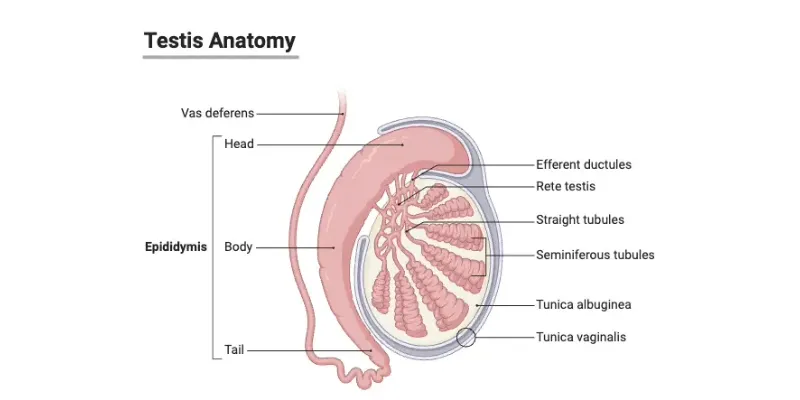
These innovative testes, derived from meticulously cultured mouse cells, closely mimic the structure of natural testes, featuring the complex network of sperm tubes essential for reproduction.
Showing results for: "science test" (62 results)

These innovative testes, derived from meticulously cultured mouse cells, closely mimic the structure of natural testes, featuring the complex network of sperm tubes essential for reproduction.

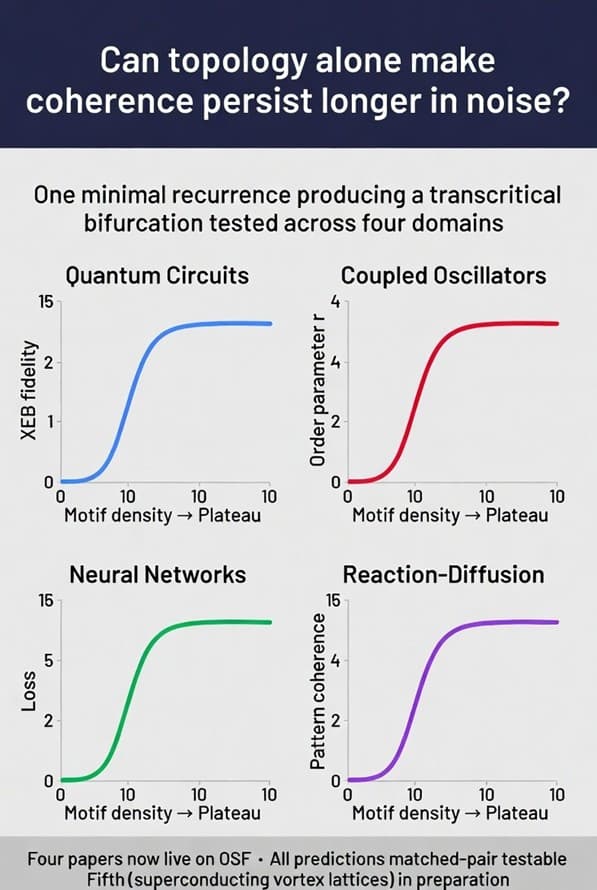
Many physical and computational systems exhibit a familiar behavior: ordered states gradually decay in the presence of noise. Examples appear across science:

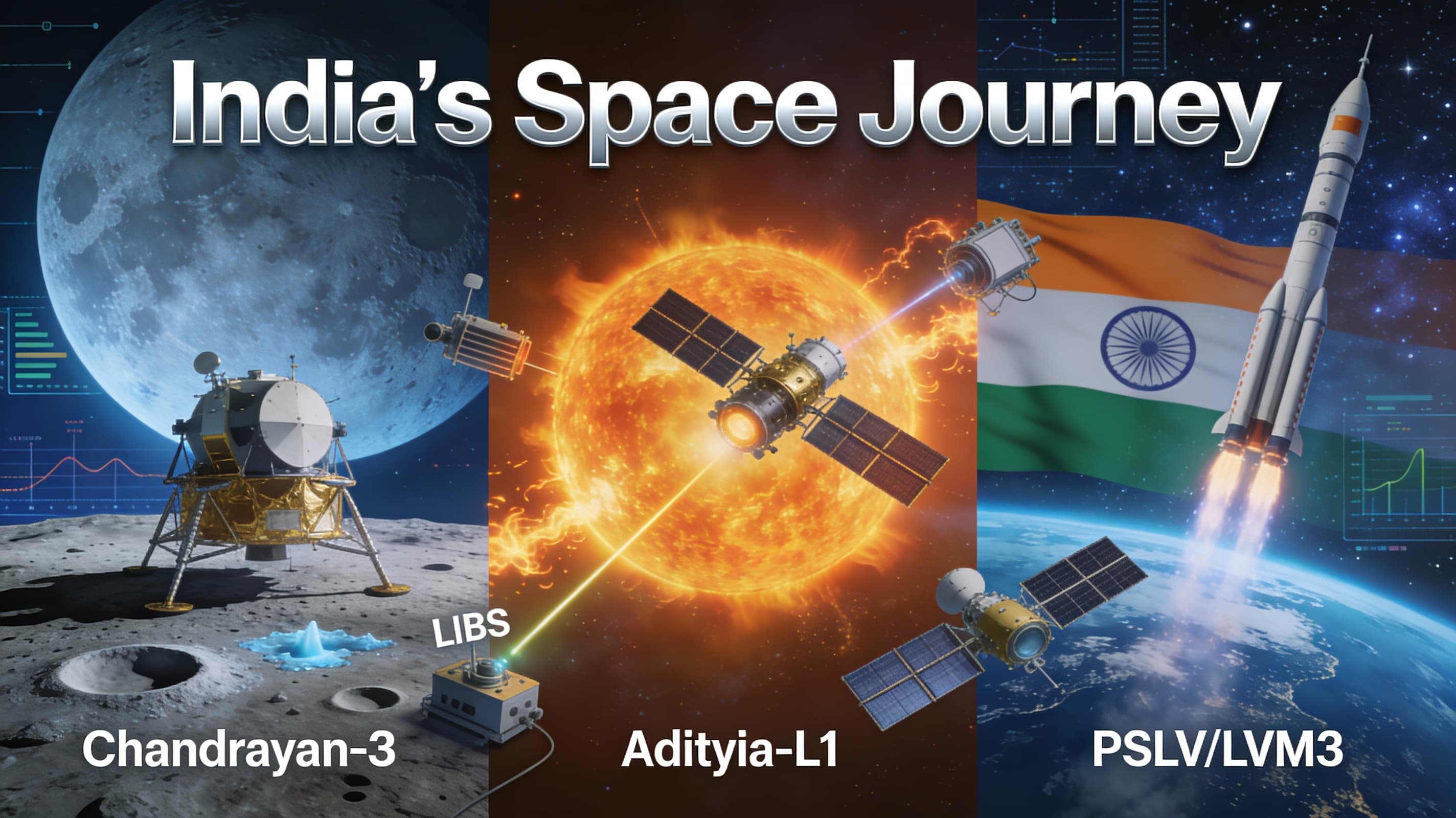
India’s space program, led by the Indian Space Research Organisation (ISRO), has evolved from modest experimental launches into a globally recognized scientific and technological enterprise.

ISO/IEC 17025 compliance defines how testing and calibration laboratories demonstrate technical competence. In India, the National Accreditation Board for Testing and Calibration Laboratories (NABL) grants accreditation based on this international standard (ISO, 2017).

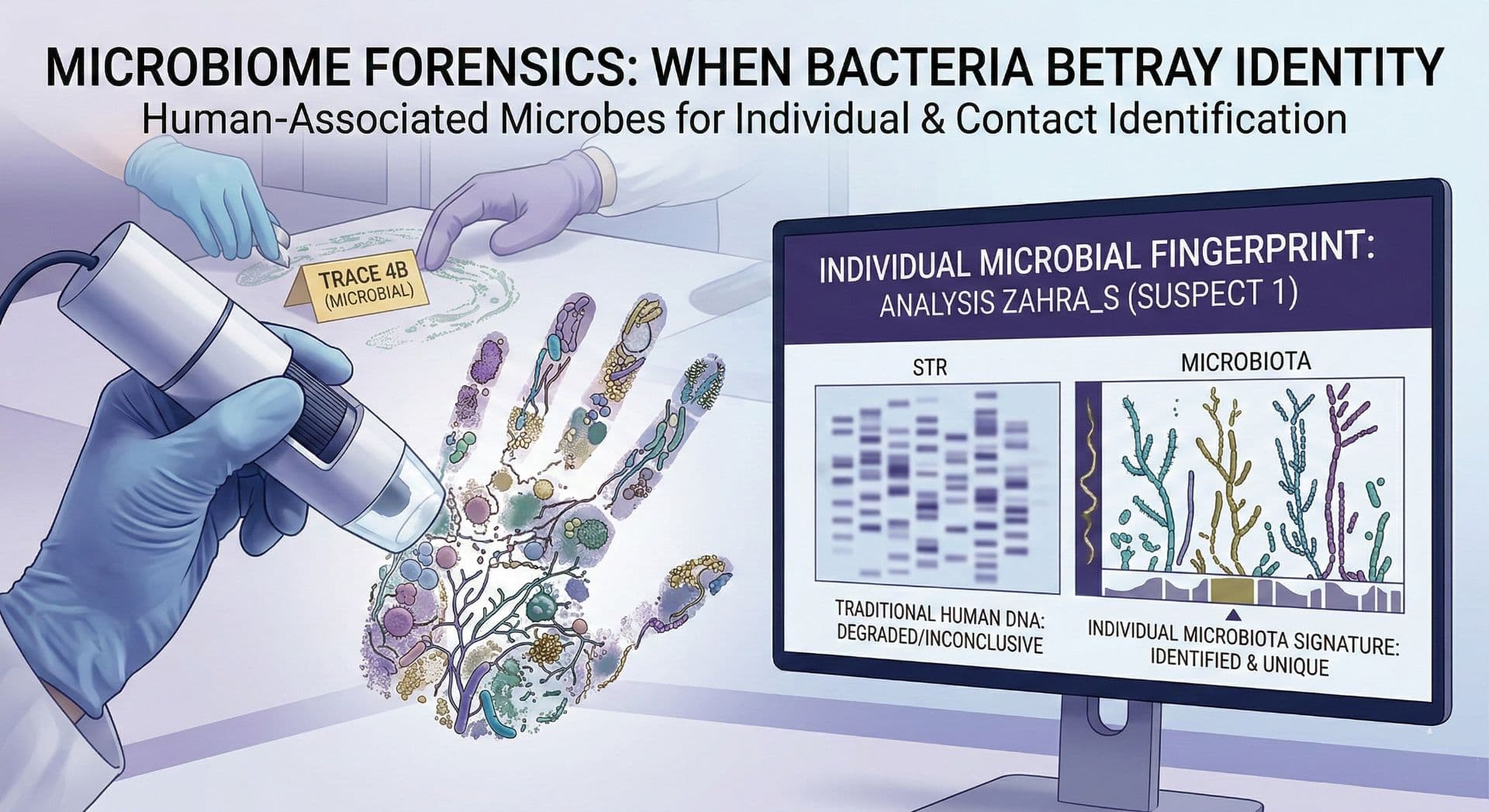
Traditionally, Forensic Science relies on Human DNA for contact evidence and individual identification, but limitation arises when the blood cells obtained from the crime scene are degraded or not.

This article will unlock that box, exploring the crucial process of translating complex clinical trial evidence into clear, understandable information for everyone. We'll journey from the surprising origins of clinical trials to the modern-day push for transparency, and discover why making science accessible is not just a convenience, but a necessity for public trust and informed health decisions.

Science writing simplifies complex research, making scientific discoveries accessible, trustworthy, and relevant to the public while reducing misinformation.

Animal models have traditionally served as the cornerstone of drug safety evaluation; however, major translational challenges persist due to interspecies differences in physiology, metabolism, and genetic regulation. Many compounds demonstrating favorable toxicity profiles in animals later fail during human trials or are withdrawn post-marketing due to unforeseen adverse effects, especially hepatotoxicity and cardiotoxicity (Lee et al., 2025).

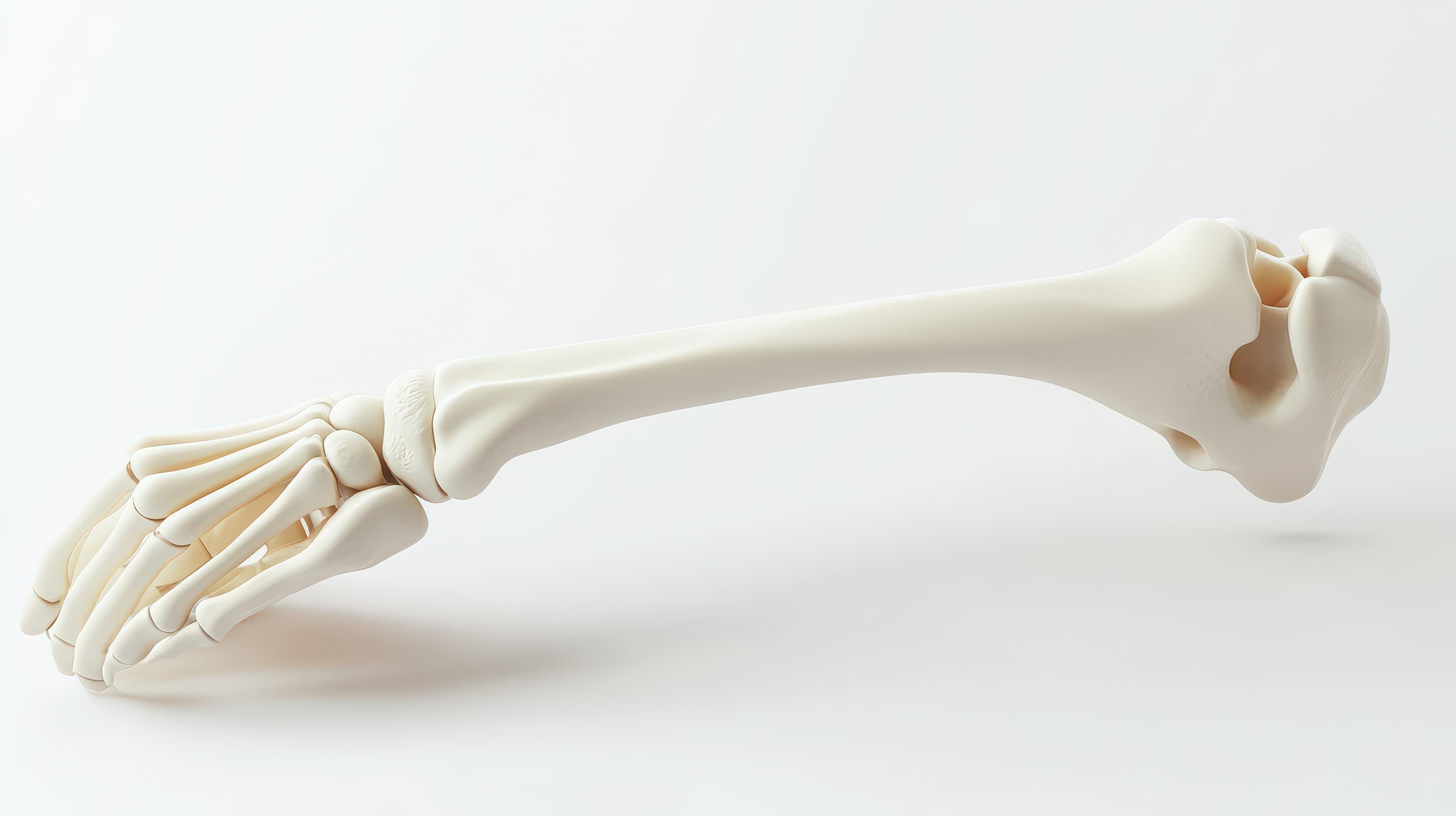
In Sci-fi visions of distant futures, some imagine sprawling intergalactic civilizations. Scaffolds built around stars harvesting their energy. Fusion reactors, cyborgs, superintelligent implants. But the future of artificial bones, though perhaps more mundane, could be a life saving science.

Discover how the SNAP29 gene guides cellular traffic, and how its mutation leads to CEDNIK syndrome, affecting brain, nerves, and skin.

Ever wonder what it’s like if a tiny chip could detect cancer before symptoms appear. Biosensor technology is transforming cancer detection- earlier, faster and more accessible for people worldwide

Imagine being able to control a computer, a prosthetic limb, or even a drone just by using your thoughts. This is not science fiction; it is now a reality thanks to brain-computer interfaces (BCIs). BCIs are groundbreaking systems that enable direct communication between the brain and external devices.

Injury is an inherent risk of sport participation. Whether at elite or recreational level, athletes are exposed to physical loads that challenge tissue capacity and recovery.

How the fruit fly egg chamber reveals the secrets of cell migration and offers powerful insights into cancer metastasis and future therapies.

Nanotechnology is having a big impact on pharmaceutical sciences, and drug delivery systems are one area where this is most evident. Compared to conventional medication delivery methods, nanoparticles provide a number of benefits, including increased effectiveness and fewer adverse drug reactions.

Many times, individuals feel fearful or extremely worried about cancer testing. The regular tests and scans that patients living with any cancer diagnosis have to undergo, to monitor their condition, can make them feel anxious before, during, or after a scan or a follow-up test

The dark fantasy adventure “Alice in Wonderland” has gained widespread appreciation among audiences. However, the Alice in Wonderland Syndrome (AWS), a brain-related condition, is not something anyone would ever love to experience or witness.

Healthcare is changing faster than ever before. Thanks to breakthroughs in artificial intelligence (AI), genomics, and wearable technology, medicine is entering the era of smart health, where data, devices, and biology work together to create care tailored to the individual.

Discover how AI is reshaping radiology, from faster diagnoses to improved accuracy, and what this means for patients and healthcare professionals.

A future without transplant waitlists? Tissue engineering blends biology and engineering to build living, functional human tissue.