
Introduction
Have you ever intended to check a single notification, only to realize forty minutes have vanished into an endless scroll? In 2026, privacy is no longer just about your data; it is about your thought process. Is your next choice truly yours, or has a 'Digital Twin' already made it for you?
Multinational technology companies are constantly competing with one another to design systems that are more engaging than their rivals. In this competition, they are not merely competing for profits or market share—they are competing for something far more limited and valuable: your attention.
Modern business is deeply rooted in psychology, focusing less on the core utility of a product and more on user engagement. Every notification, endless scroll, and algorithmically selected post is a precision-engineered tool designed to keep you tethered to the platform. This article deconstructs the intersection of neurobiology and artificial intelligence, revealing how the mesolimbic dopamine system has been hijacked by advanced reinforcement learning. Understanding this bio-digital loop is now a fundamental necessity for reclaiming your agency in a world designed to ensure you never look away.
1. The Chemical Behind the Scroll
Dopamine is commonly referred to as the “pleasure chemical,” but this description is somewhat misleading.
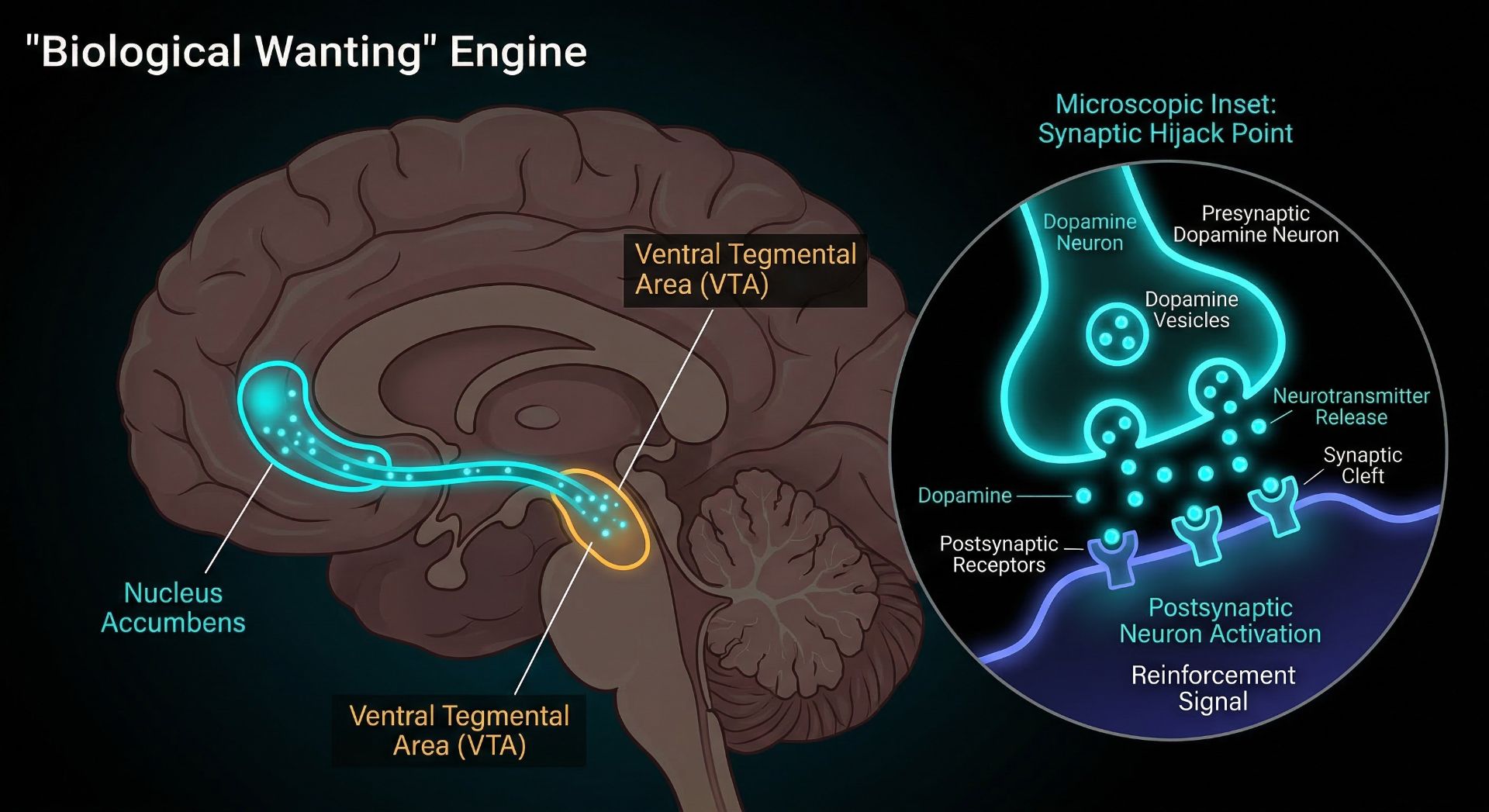
In reality, dopamine is primarily the motivation chemical. In reality, dopamine is more accurately the motivation chemical. It is released not when we experience pleasure, but when we anticipate it.
This distinction is critical.
Dopamine is a neurotransmitter in the brain associated with motivation, reward, learning, and reinforcement, rather than pleasure alone. Neuroscientists explain that dopamine is more strongly linked to anticipation and desire than to actual enjoyment.
In other words, dopamine is connected to “wanting” rather than “liking.”
When dopamine levels rise:
The brain signals “do this again.”
The behaviour becomes reinforced and repeated.
This mechanism is what makes certain activities—like checking social media—so difficult to stop.
1.2 Why Dopamine Exists: Its Evolutionary Role
Dopamine did not evolve to make humans addicted to screens. It originally developed as a survival mechanism.
In early human history, our ancestors needed strong motivation systems to help them survive in uncertain environments. Dopamine helped reinforce behaviours that increased survival, such as:
Finding food
Exploring new environments
Forming social bonds
Learning useful habits
For example, early humans may have discovered cooked food after encountering animals and plants that had been burned in natural forest fires. When this discovery provided greater nutrition or safety, the brain reinforced the behaviour of seeking similar food sources again.
In this way, dopamine helps the brain reinforce behaviours associated with rewards and repeat beneficial behaviours.
1.3 From Survival to Screen Addiction
Today, the same biological system that once helped humans survive is being activated by digital platforms.
Social media feeds, short-form videos, notifications, and recommendation algorithms constantly present new stimuli that trigger dopamine release. Each swipe or scroll promises the possibility of something interesting, entertaining, or socially rewarding.
Because dopamine is driven by anticipation, the brain keeps searching for the next rewarding piece of content.
This is why many people find themselves scrolling far longer than they originally intended.
In the modern attention economy, human attention has become a valuable commodity, and digital platforms are designed to capture and hold it for as long as possible.
2. From Biological Evolution to Algorithmic Optimization
While the biological foundations of dopamine evolved for survival, modern technology has repurposed this system for monetization. In the Attention Economy, the "Machine" side of the conflict is powered by advanced Machine Learning (ML) feedback loops that turn human behavior into a quantifiable—and exploitable—data stream.
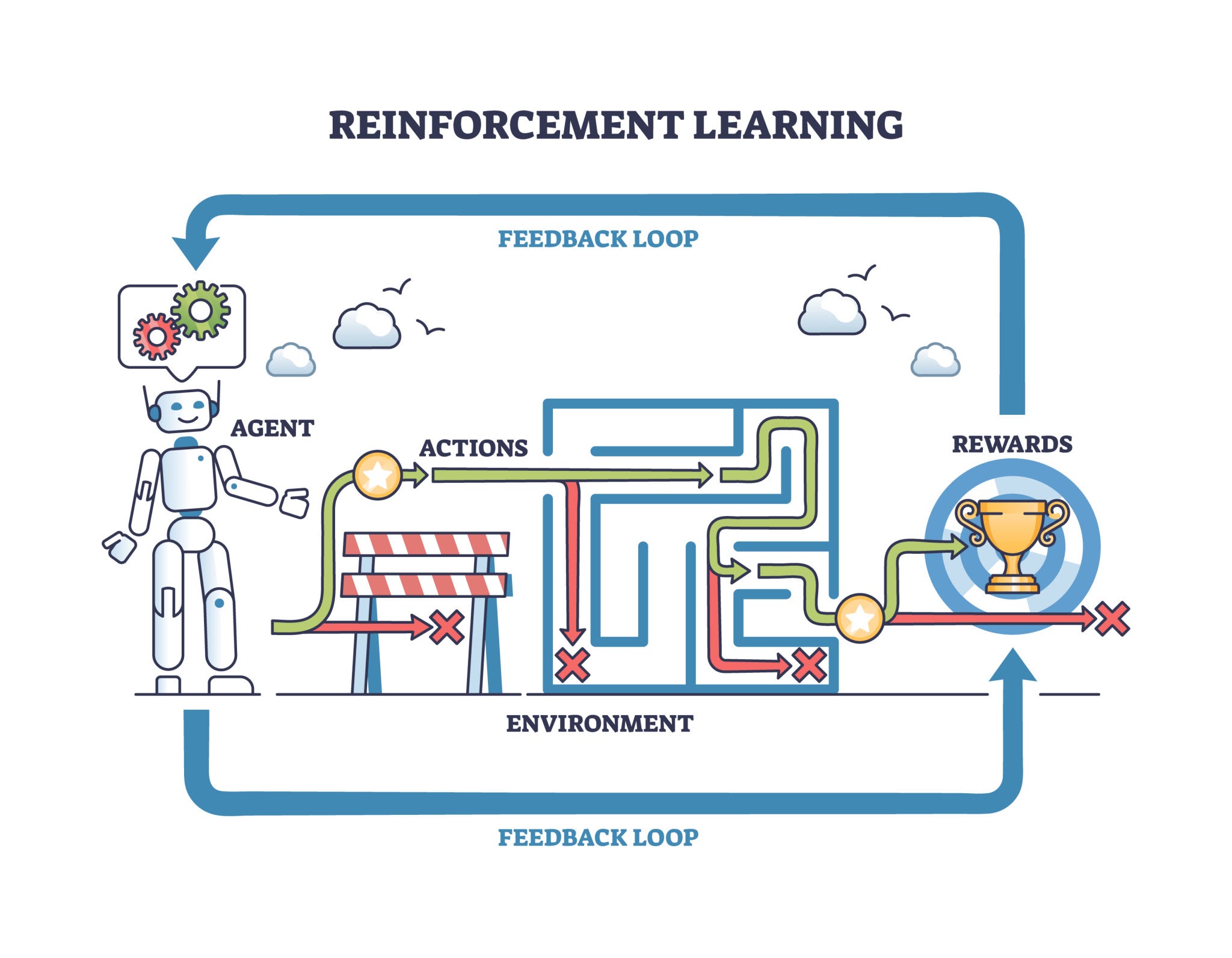
2.1 The Variable Reward Architect (Multi-Armed Bandit Algorithms)
explained in heading 1 that dopamine is the chemical of "anticipation." In technical terms, we exploit this using Variable Reward Schedules. Modern recommendation engines utilize Multi-Armed Bandit (MAB) algorithms to manage the balance between "Exploration" (showing new content) and "Exploitation" (showing what the user is already addicted to).
By strategically injecting "neutral" content between "high-value" viral posts, the AI mimics the logic of a slot machine. The user never knows exactly which scroll will provide the next dopamine hit, creating a state of perpetual anticipatory search.
2.2 Predictive State Modeling & Exit-Intent
By 2026, engagement systems will have moved beyond simple reaction; they will now utilize Predictive State Modeling to anticipate a user’s next move.
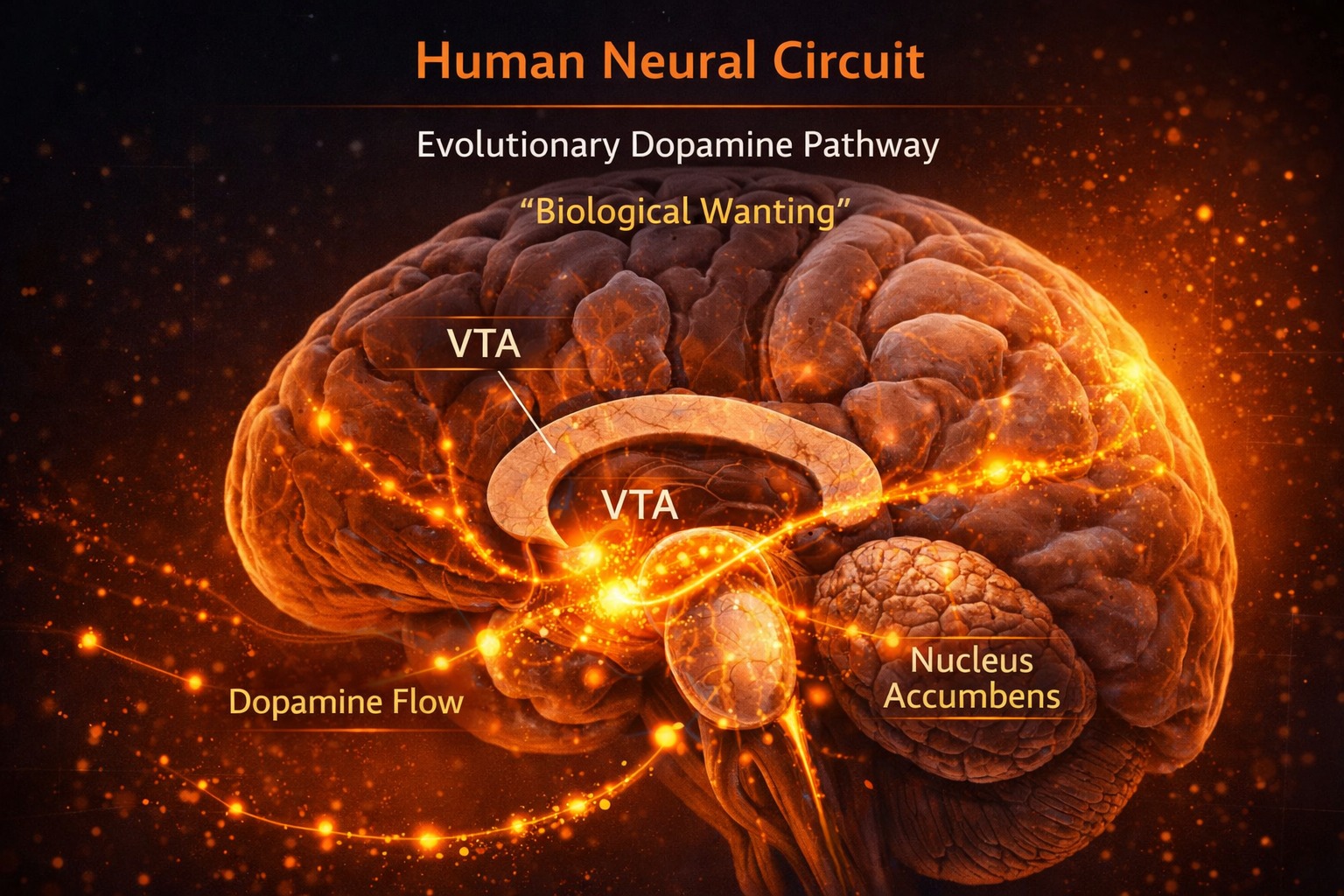
The Gradient Descent of Attention: We use mathematical optimization functions—specifically, Gradient Descent—to minimize a user’s "Exit Probability." The algorithm is constantly calculating the distance between your current engagement level and the point where you are likely to close the app. In simple terms, the system constantly adjusts itself to keep you hooked longer.
Pattern Interrupts: If the model detects a drop in scroll velocity or an increase in latency (signs of disengagement), it triggers a "Pattern Interrupt." This could be a high-arousal notification, a controversial post, or a personalized recommendation specifically designed to bypass the rational prefrontal cortex and speak directly to the primitive reward centers of the brain.
2.3 Agentic Nudging & Biometric Proxies
The most advanced systems now operate as Agentic AI. Through Reinforcement Learning from Human Feedback (RLHF), these models don't just "recommend" content; they "nudge" behavior. By analyzing micro-signals—such as dwell time, screen pressure, and even the speed of a swipe—the algorithm identifies the user's biological breaking point. This is no longer just data collection; it is Precision Behavioral Engineering that treats the human brain as an input/output node in a larger digital circuit.
3. Beyond Data: The Erosion of Cognitive Sovereignty
The "Hidden War" on the human brain is not merely a battle for time; it is a battle for the inner sanctum of the mind. As a researcher in AI Privacy Policy, I believe we are entering an era where the traditional definition of "Data Privacy" is no longer sufficient. We are now facing the erosion of Cognitive Sovereignty.
3.1 The Rise of Predictive Behavioral Twins
By 2026, the data pipeline will have moved beyond simple demographics. Platforms now create Digital Twins—advanced, simulation-based models of a user’s psychology.
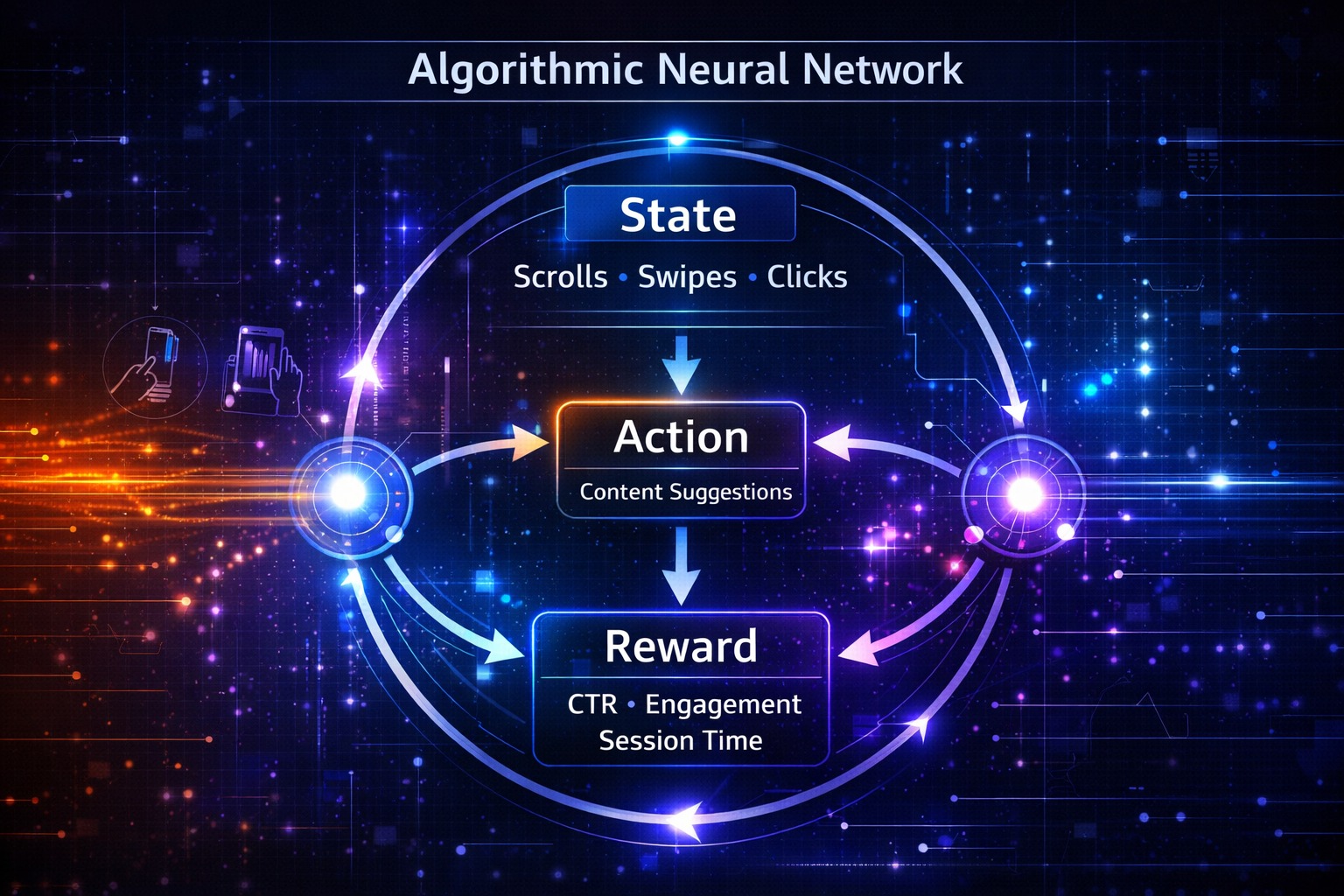
How it works: These models run millions of "What If" scenarios in the cloud to predict your emotional response to a specific trigger before it is even served to your device.
The Impact: When a machine can simulate your cravings, vulnerabilities, and stress triggers with high precision, the concept of "Informed Consent" becomes obsolete. You aren't choosing to stay on the platform; your "Digital Twin" has already been manipulated into staying.
3.2 The Inferred Data Loophole
A significant gap in the current AI Privacy Policy is the treatment of Inferred Data. Even if a user does not explicitly share their interests, an algorithm can infer their mental state, sexual orientation, political leanings, or addiction tendencies through micro-signals.
Neuro-Rights: We are seeing a shift toward the need for "Neuro-Rights"—the legal framework to protect the human brain from unauthorized collection and manipulation of neural activity. In the attention economy, your subconscious reactions (captured via gaze-dwell or scroll-latency) are treated as corporate property.
3.3 Automation vs. Agency: The Death of Free Will?
The ultimate question of this section is: When an algorithm can predict your behavior with 98% accuracy, do you still have individual agency?
The Cognitive Funnel: AI-driven persuasion acts as a "Cognitive Funnel," narrowing your choices until the path of least resistance is the one the algorithm has chosen for you. By targeting the primitive reward centers (as explained in heading 1), technology effectively "mutes" the prefrontal cortex—the part of the brain responsible for logic and long-term planning.
4. Reclaiming Attention: Restoring Control in a Designed World
If the attention economy is engineered to capture focus, the question becomes: can attention be reclaimed?
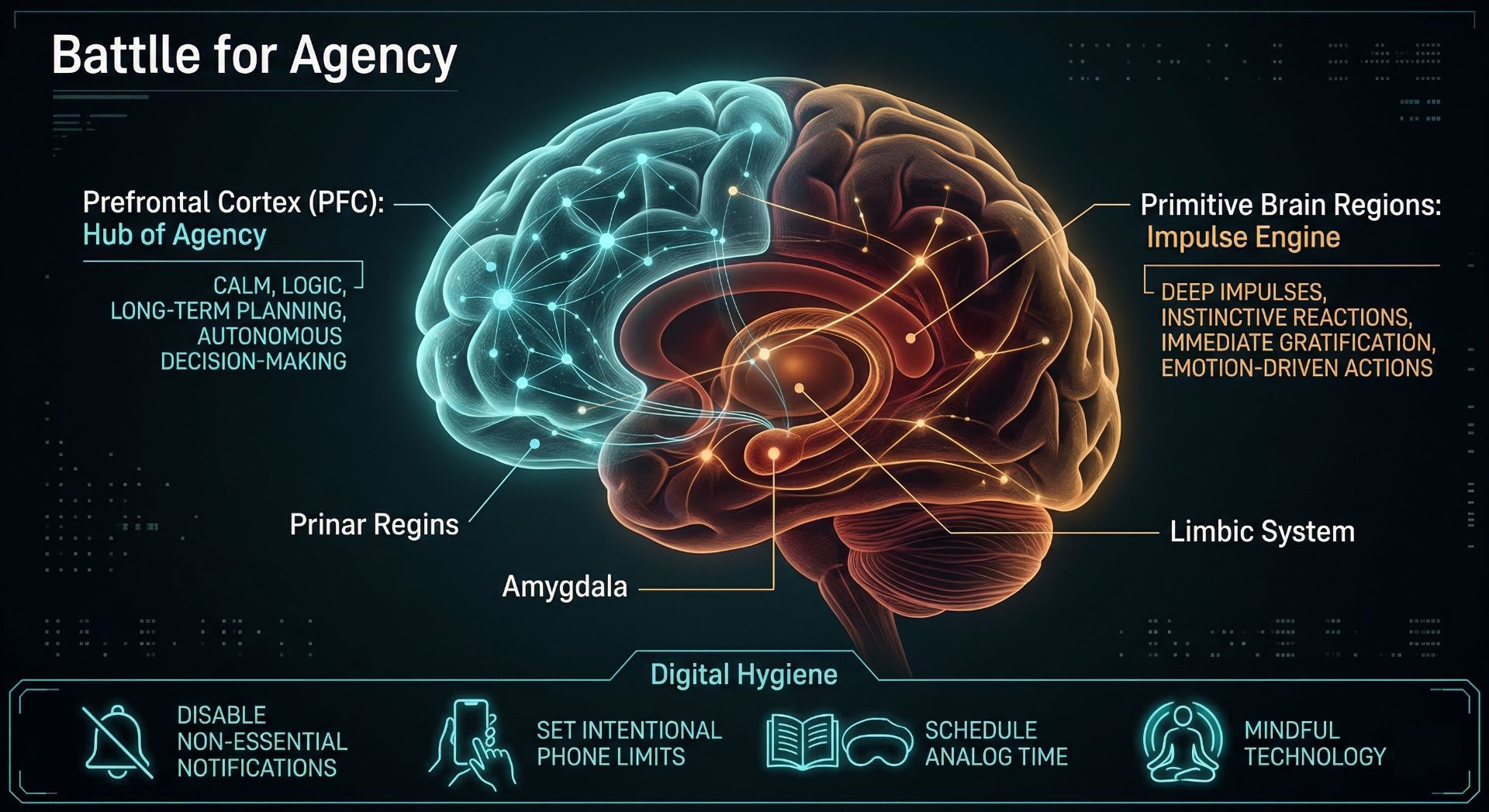
The answer is not to reject technology, but to engage with it consciously. The same brain shaped by Dopamine can also be trained. While digital platforms exploit anticipation and reward cycles, individuals can develop awareness of these patterns and interrupt them.
One of the most effective strategies is reducing unpredictability.
Since dopamine is driven by anticipation, constant exposure to variable rewards—endless scrolling, notifications, algorithmic feeds—keeps the brain in a loop of seeking. By limiting these triggers, the cycle weakens.
This can include:
Turning off non-essential notifications
Setting intentional time limits for apps
Replacing passive scrolling with purposeful use
4.1 From Passive Consumption to Intentional Use
Reclaiming attention is not about using technology less—it is about using it differently. Instead of being guided by algorithms, users can shift toward:
Deliberate engagement (choosing what to watch or read)
Single-tasking instead of constant switching
Scheduled usage rather than impulsive checking
These small changes restore the role of the brain’s decision-making systems, reducing dependence on automatic reward-seeking behavior.
4.2 Design Ethics and the Responsibility of Platforms
Responsibility does not lie solely with individuals.
Technology companies must also recognize their role in shaping behavior. Ethical design practices—such as reducing manipulative features and increasing transparency—are essential in preserving user autonomy.
As discussions around data privacy evolve, there is a growing need to address not just information, but cognition itself.
The idea of protecting mental processes—often described as “neuro-rights”—may become a necessary step in the future of digital policy.
4.3 Attention as a Form of Freedom
Ultimately, attention is more than a resource—it is a foundation of human agency.
What we focus on shapes:
What we learn
What we believe
Who we become
In a world where systems are designed to guide behavior, reclaiming attention is an act of independence.
It is not about resisting technology entirely, but about ensuring that our thoughts, choices, and time remain our own.
Conclusion
The "Hidden War" for the human brain is not a conflict that can be won with better algorithms, but through a restoration of human agency. As we move deeper into 2026, the lines between our biological impulses and digital prompts are blurring. We have transitioned from an era of simple data tracking to one of predictive behavioral engineering, where the goal of the "Machine" is no longer just to show us what we like, but to define what we want.
The erosion of Cognitive Sovereignty is the great silent crisis of our time. When our "Digital Twins" can be manipulated in the cloud to bypass our rational prefrontal cortex, the very concept of free will is put at risk. However, recognizing the architecture of the loop is the first step toward breaking it.



Discussion