
Imagine a world without smartphones, high-speed trains, or the silent hum of an electric car. This isn’t a scene from a sci-fi movie; it’s a potential reality if we lose access to a group of seventeen minerals known as Rare Earth Elements (REEs). Often called the "vitamins of modern industry," these elements—such as Neodymium, Dysprosium, and Praseodymium—are essential for the high-tech components that define our lives today. For India, these minerals represent more than just chemical entries; they are the key to a self-reliant, sustainable future.
The Science Behind the Scarcity
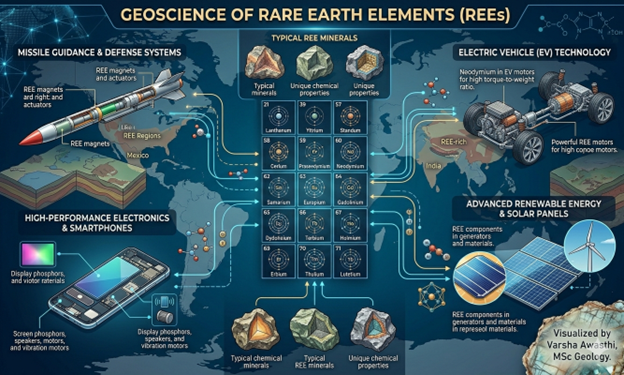
Despite their name, Rare Earth Elements are relatively abundant in the Earth’s crust. The "rare" part refers to the difficulty of finding them in high enough concentrations to make mining economically viable. These elements possess unique magnetic and electrochemical properties. For instance, when Neodymium is alloyed with iron and boron, it creates the world's strongest permanent magnets. These magnets are the beating hearts of Electric Vehicle (EV) motors and wind turbine generators.
India’s Coastal Goldmine
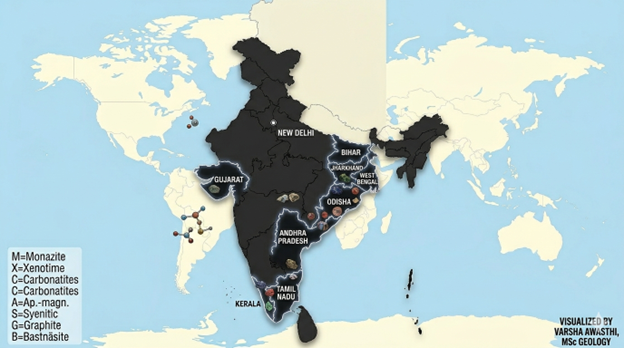
India is fortunate to sit on a goldmine of these critical minerals. The primary source is found in monazite sands, which are abundant along the coastal stretches of Odisha, Kerala, and Tamil Nadu. The scientific name for the mineral often found in these sands is Monazite. While India has been aware of these reserves for decades, the challenge lies in the complex chemical separation required to convert raw beach sand into the high-purity Rare Earth Oxides needed for manufacturing.
Breaking the Processing Wall
For years, the global REE supply chain has been dominated by a single player: China. This creates a strategic vulnerability for India's tech sector. Currently, IREL (India) Limited oversees the extraction process, but there is a growing push for private sector collaboration. By developing advanced solvent extraction technologies locally, India can transform from a raw material exporter into a high-value processing hub
Data & Evidence: The Reality of the Reserves
Global Standing: India holds the fifth-largest reserves of rare earth minerals globally.
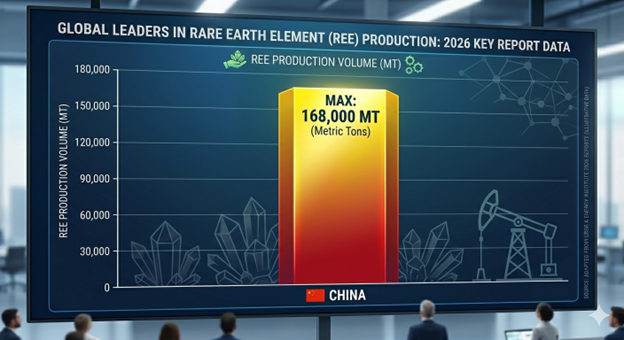
The Production Gap: Despite holding nearly 6% of global reserves, India contributes less than 1% to global production.
National Mission: The government's National Critical Minerals Mission aims to bridge this gap by streamlining mining licenses and incentivizing domestic magnet production.
The "So What?" Section: Why This Matters to You
Why should we care about minerals in the sand? Because Energy Security is the new frontier of national independence. If India cannot secure its own supply of REEs, the costs of EVs, smartphones, and even medical equipment will be dictated by foreign markets. Mastering the REE supply chain means cheaper green energy, stable electronics prices, and thousands of new high-tech jobs in the chemical and manufacturing sectors.
Conclusion
The journey of Rare Earth Elements from the beaches of the Indian peninsula to the core of a high-tech motor is a testament to the power of science-driven strategy. India stands at a pivotal moment. By dismantling the "jargon walls" surrounding mineral processing and investing in domestic value chains, we can ensure that the green revolution is not just imported, but "Made in India." The quest for rare earths is no longer just a scientific endeavor; it is the blueprint for our technological sovereignty.


Discussion