
Introduction
Self-healing materials (SHMs) are substances that automatically repair damage, mimicking organic healing. These materials have a wide range of applications, including construction, biomedicine, transportation, and even textiles. SHMs can extend the longevity of manufactured goods and have numerous uses in medical healing (Crawford, 2024).
Background
While the concept seems futuristic and high-tech, self-healing materials are not new. Ancient Roman engineers used at least one type of SHM, making structures out of concrete with quicklime. When mixed with water during preparation, quicklime sets off a chemical reaction that creates calcium deposits. If cracks appear in a quicklime structure, water (from humidity, rain, or groundwater infiltration) enters the crevices and dissolves the calcium, which fills the cracks and repairs the damaged structure (Sullivan, 2023). Self-healing material is what enabled the Pantheon, the Colosseum, and other Roman structures to survive all these years, and SHMs have the potential to make our lives easier and safer.
Types of SHMs
Many types of self-healing materials are currently in development or are already on the market. Below is a summary:
Polymers: Self-healing polymers (large molecules made of repeating smaller units) include thermoplastic materials that are moldable at high temperatures and solidify when cooled, shape memory polymers that can regain their original shape if deformed, and polymer nanocomposites (very small particles combined with polymers). These materials are now being used as protective coatings for aerospace equipment (Kausar et al, 2023).
Hydrogels: Hydrogels are soft and flexible and are composed of polymer chains that can use electrostatic attraction to support reversible bonding and promote repair. Self-healing hydrogels are currently used in biomedical treatments and robotics. (Crawford, 2024).
Embedded Capsules or Channels: Capsules filled with sealing agents for construction and “vascular networks” (channeled materials) filled with therapeutics for biomedical applications are combined with polymers and other substances to create SHMs (Dallaev, 2024).
Biofilm Coating: Biofilms are naturally produced by bacteria that can help to make other materials more resilient and even capable of self-regeneration. In development for use in textiles and other industries, biofilm applications are numerous and promising (Cai et al, 2023).
SHM Applications
SHMs are currently one of material science’s most explored areas. Opportunities and current applications are discussed below.
Textiles: Reminiscent of the resilient suits of our favorite movie superheroes, self-healing fabrics are expected to be on the market by 2030. Using biofilms that are naturally self-produced by bacteria and incorporated into cloths, the textile industry has the potential to produce self-repairing fabrics in the near future (Cai et al, 2023).
Electronics: Companies are now designing mobile phones with SHM coatings that help to prevent breakage and can create displays that are impervious to scratches. Electronic equipment such as circuit boards constructed with SHMs are also on the horizon, aiming to reduce maintenance requirements and extend lifespan (Dallaev, 2024).
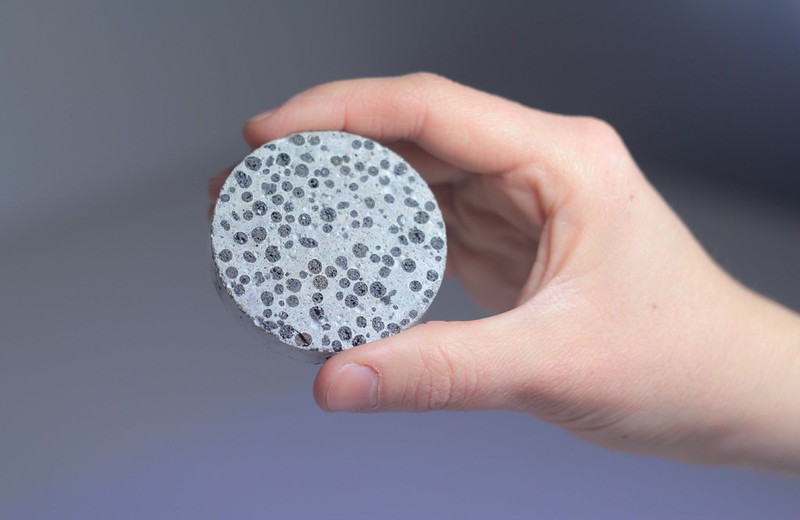
Construction: Taking a cue from ancient Rome, today’s building industry increasingly incorporates SHMs into concrete. Healing-based capsules filled with geopolymers (eco-friendly ceramics that aid in repairing damage) or specialized bacteria are embedded into the concrete. These materials can patch cracks that develop over time, promoting structural integrity and durability (Dallaev, 2024).
Aerospace equipment: Thermoplastic polymers reinforced with reparative carbon nanoparticles are now being used as coatings to protect aircraft against surface damage. The same conditions that cause the damage (radiation, heat, etc.) trigger the self-healing mechanisms. SHM coatings have great potential to protect the air traveler and the aircraft, making them both more secure (Kausar et al, 2023).
Biomedicine: A good chunk of recent biomedical research involves hydrogels. These jelly-like substances can simulate human tissue with their soft pliability and can be designed with antibacterial characteristics to facilitate repair of wounds. Self-healing hydrogels also show promise in regenerative medicine, particularly for propagating the repair of tissues and organs (Ganesan, 2024).
SHM Mechanisms
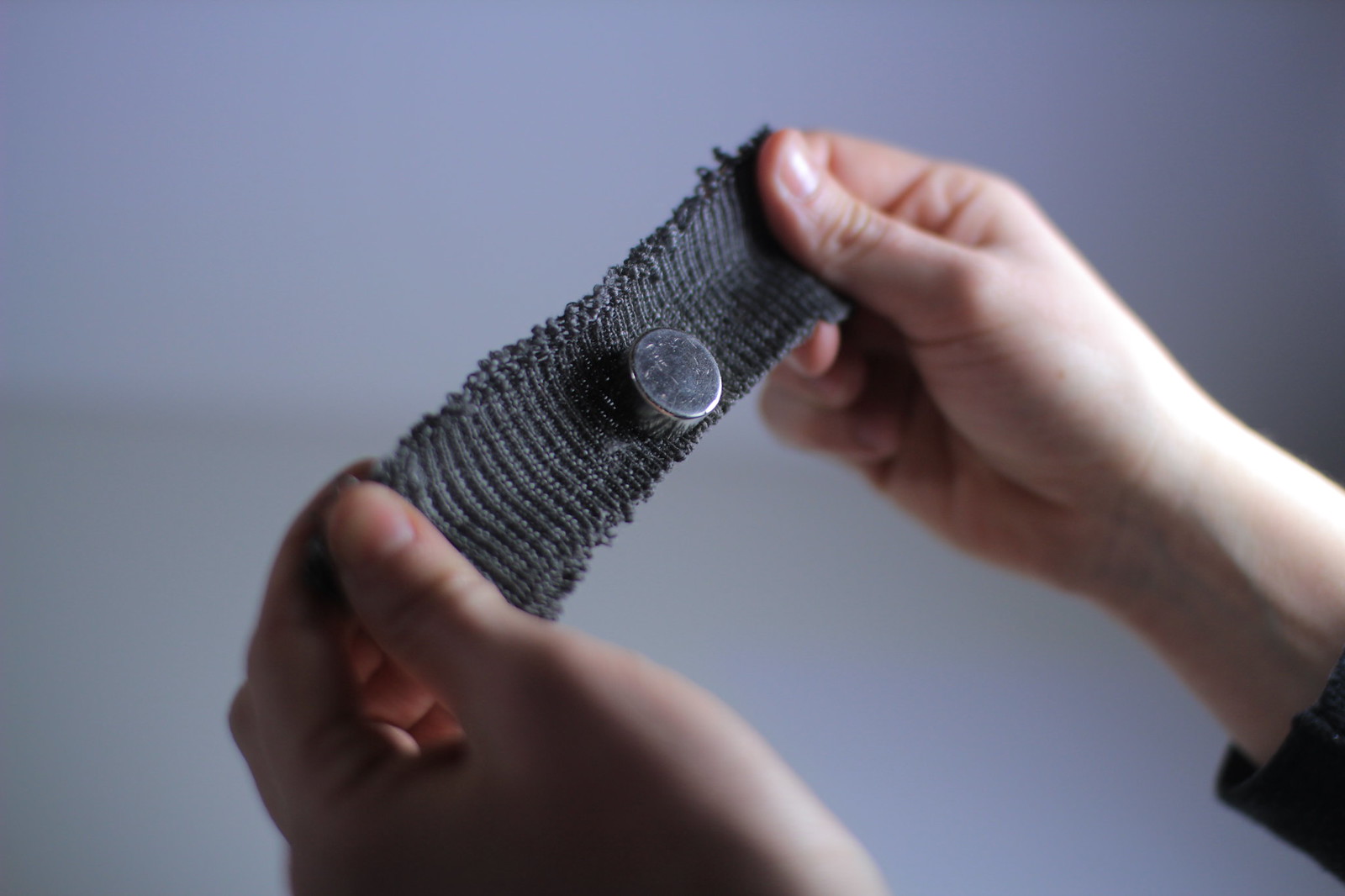
Self-healing material mechanisms are categorized as “intrinsic” (internal or inherent) or “extrinsic” (external or imported). Intrinsic mechanisms function without any added components, that is, they work on their own (e.g. biofilms and hydrogels). Extrinsic healing systems need a “boost”, working through embedded substances such as microcapsules packed with restorative elements or utilizing vascular-type networks containing micro-channels filled with healing agents, promising in medical applications (Dallaev, 2024).
Intrinsic self-healing mechanisms use a material's molecular makeup, such as reversible chemical bonds, to independently repair damage. In microcapsule-based healing, physical damage leads to rupture of nearby capsules, causing the therapeutic agent to flow into the impacted area and generate repair. Vascular channel healing performs similarly to microcapsule systems, as damage induces self-repair; however, microvascular structures can store more healing agent and transfer it farther than microcapsule-based systems (Durão et al, 2024).
Conclusion
With so many benefits, it is no surprise that SHMs are being developed and marketed so rapidly. Soon, we may no longer need to mend our socks or repair our phone screens, and we may even be able to forego an organ transplant and regrow damaged tissue with a little help from self-healing materials.




Discussion