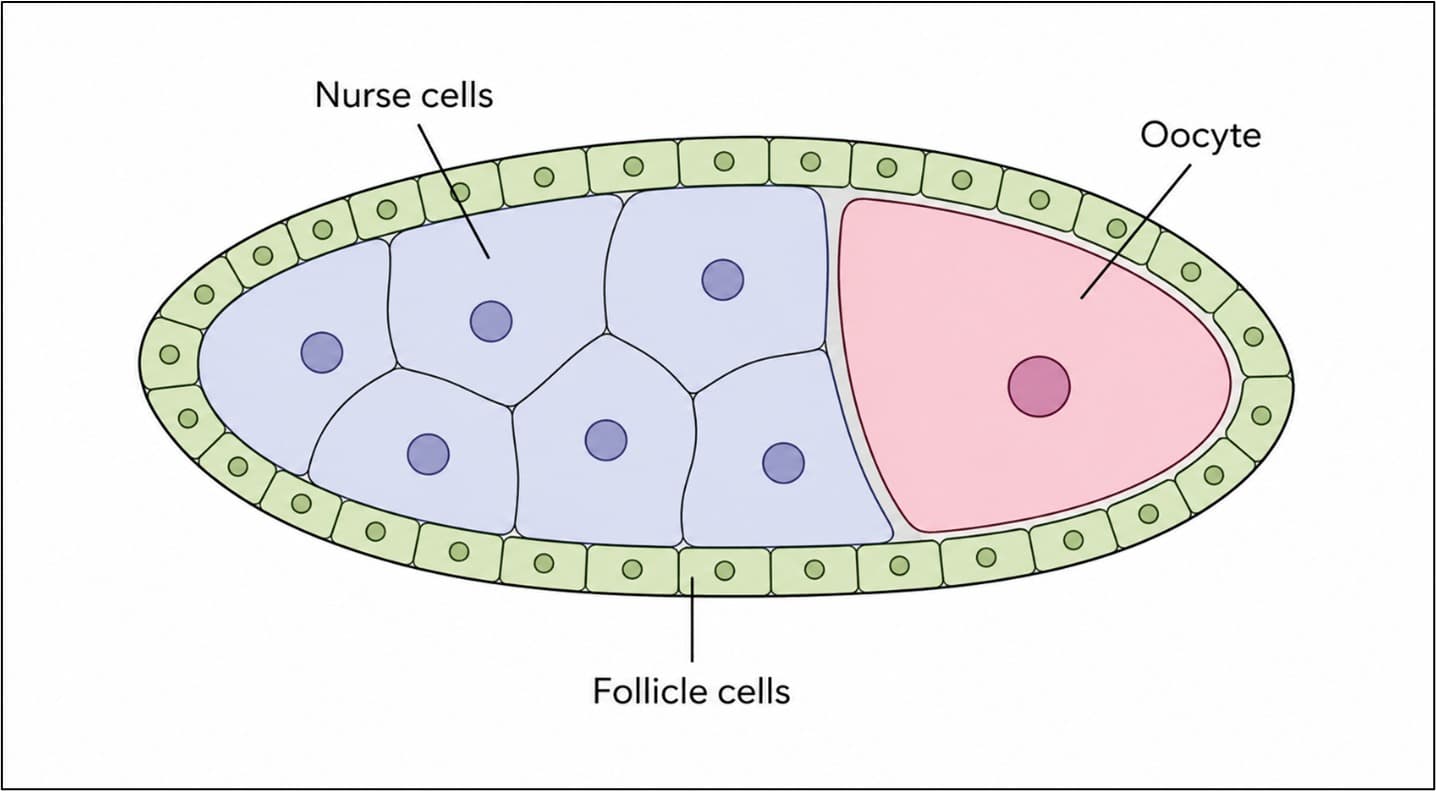
How dozens of cells cooperate to build life inside the fruit fly ovary
How does one egg form? Inside the fruit fly ovary, discover how cells organize, migrate, and cooperate to turn an egg chamber into one egg—step by step
Showing results for: "health like" (100 results)

How does one egg form? Inside the fruit fly ovary, discover how cells organize, migrate, and cooperate to turn an egg chamber into one egg—step by step

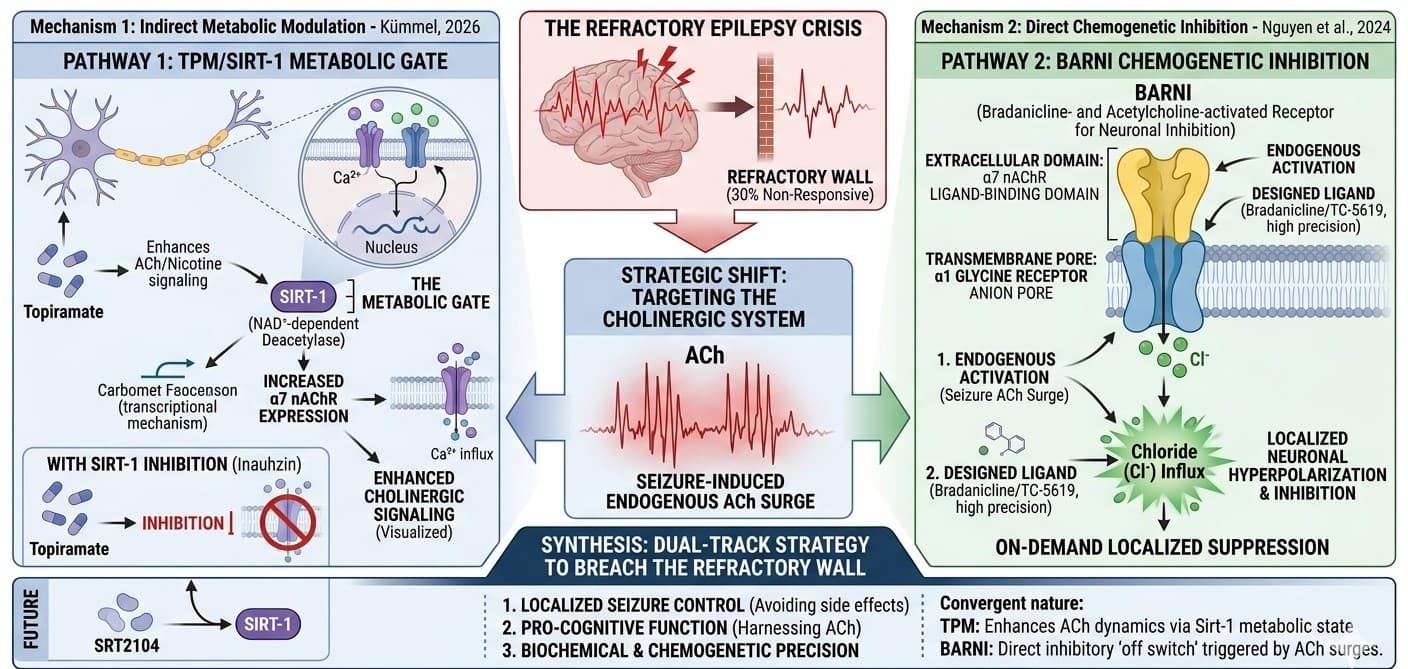
The current trajectory of epilepsy management has encountered a formidable "refractory wall." Despite the accelerated expansion of the neuropharmacological pharmacopeia,

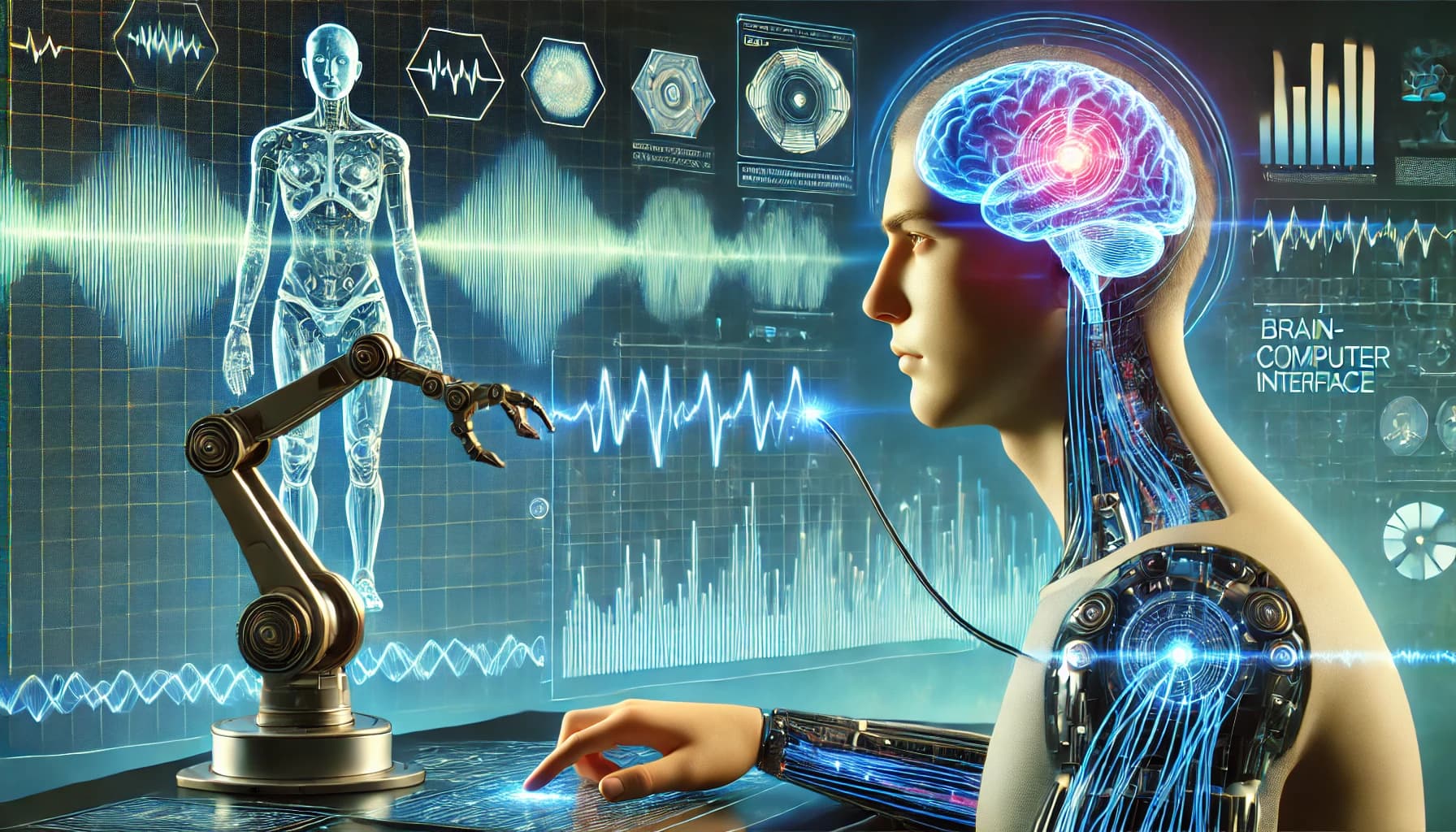
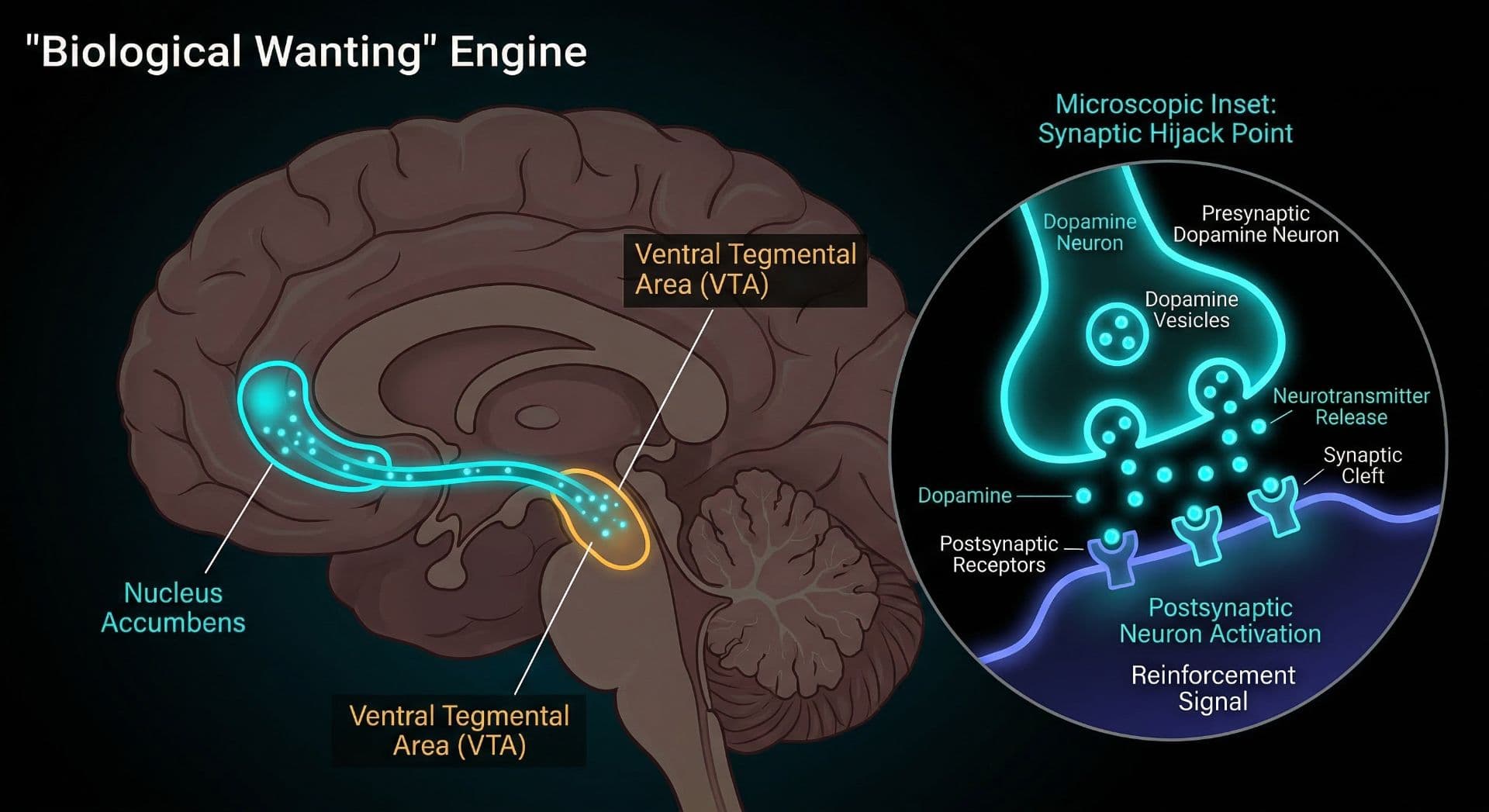
Have you ever intended to check a single notification, only to realize forty minutes have vanished into an endless scroll? In 2026, privacy is no longer just about your data; it is about your thought process. Is your next choice truly yours, or has a 'Digital Twin' already made it for you

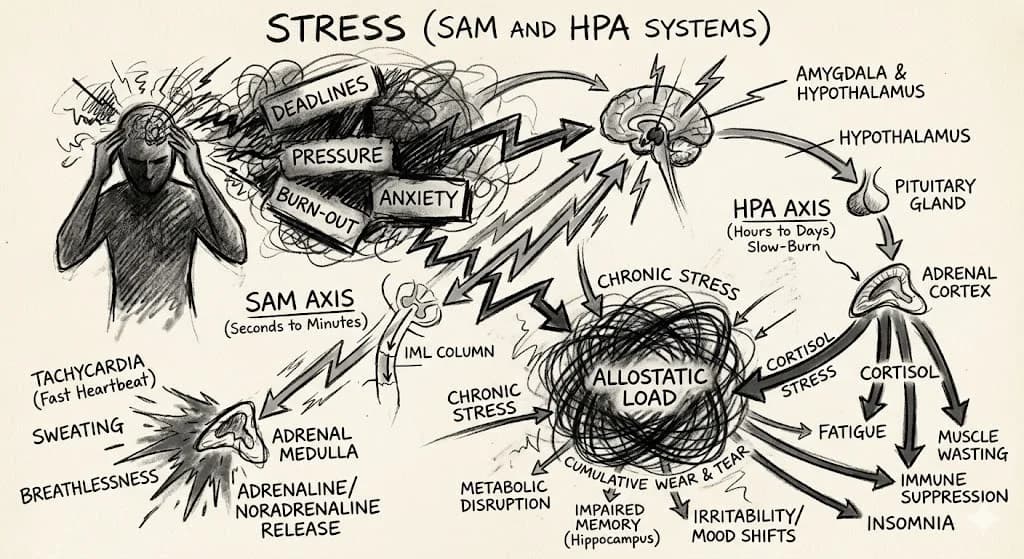
What does stress actually do to your body? Explore the neurobiology of the survival response, from the immediate SAM axis to the the HPA axis, and learn how to restore your biological equilibrium.

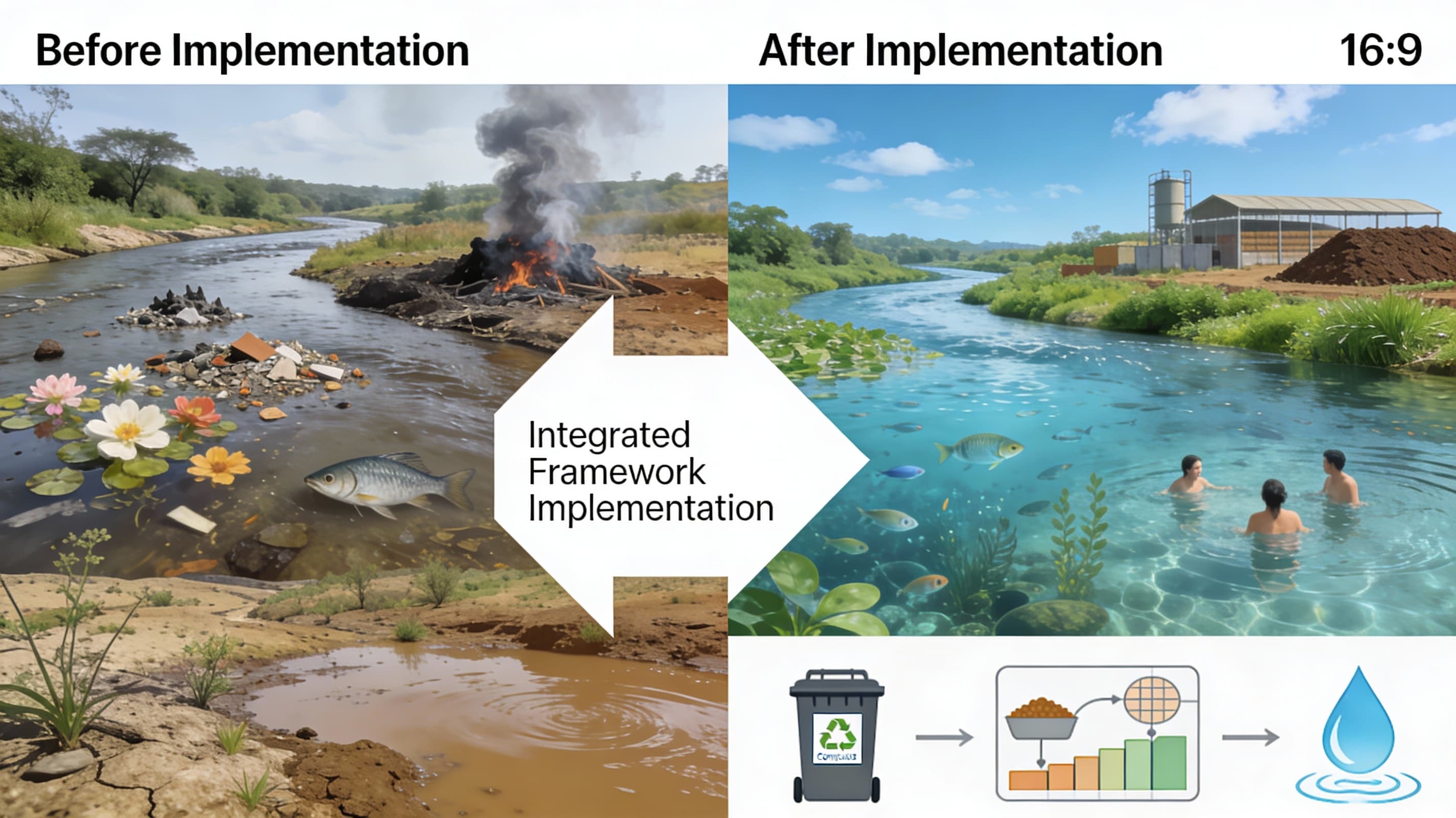
Explore how Carbon Capture, Utilization, and Storage (CCUS) works, its role in hard-to-abate industries, and how geology helps trap CO₂ to combat climate change.

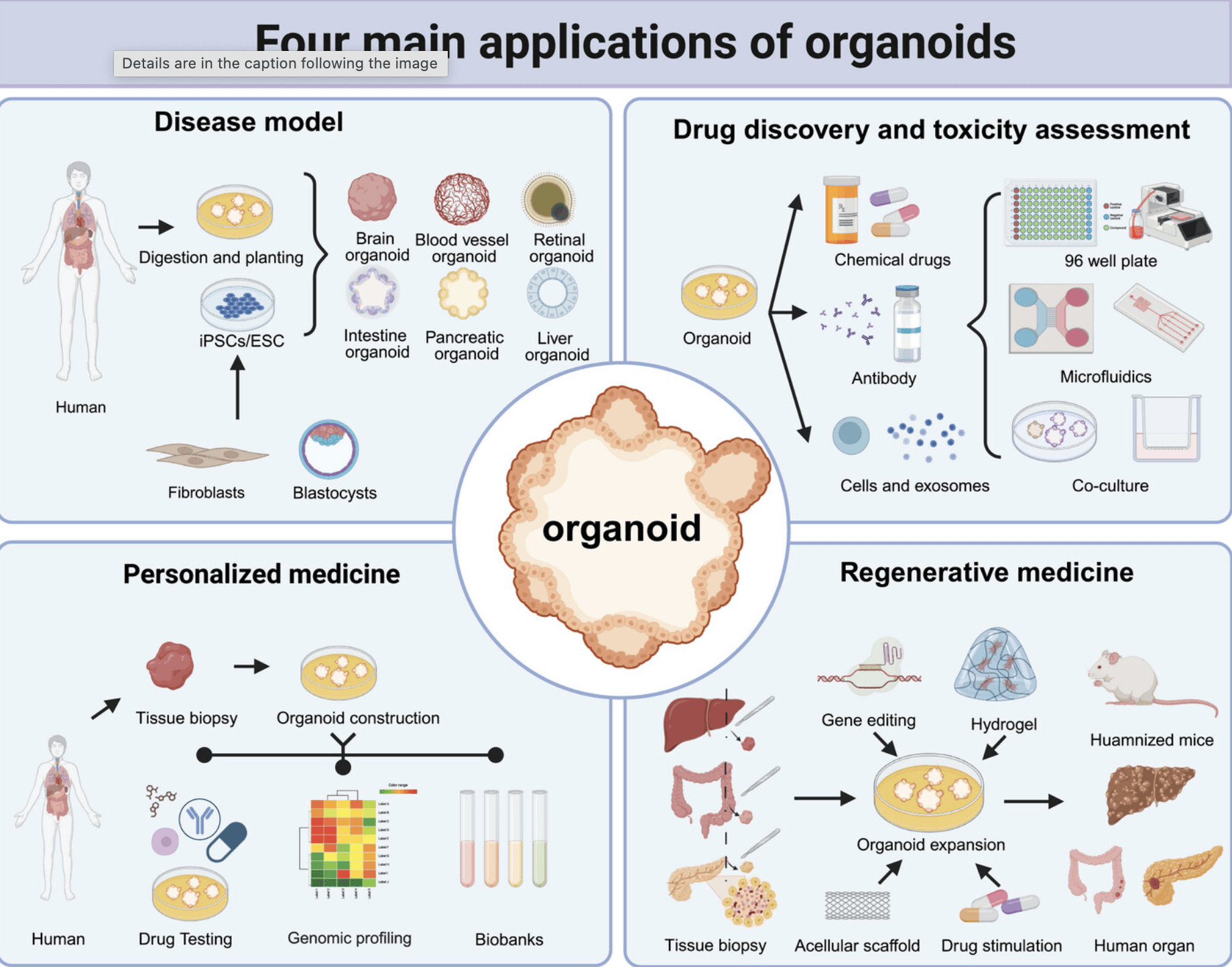
Animal models have traditionally served as the cornerstone of drug safety evaluation; however, major translational challenges persist due to interspecies differences in physiology, metabolism, and genetic regulation. Many compounds demonstrating favorable toxicity profiles in animals later fail during human trials or are withdrawn post-marketing due to unforeseen adverse effects, especially hepatotoxicity and cardiotoxicity (Lee et al., 2025).

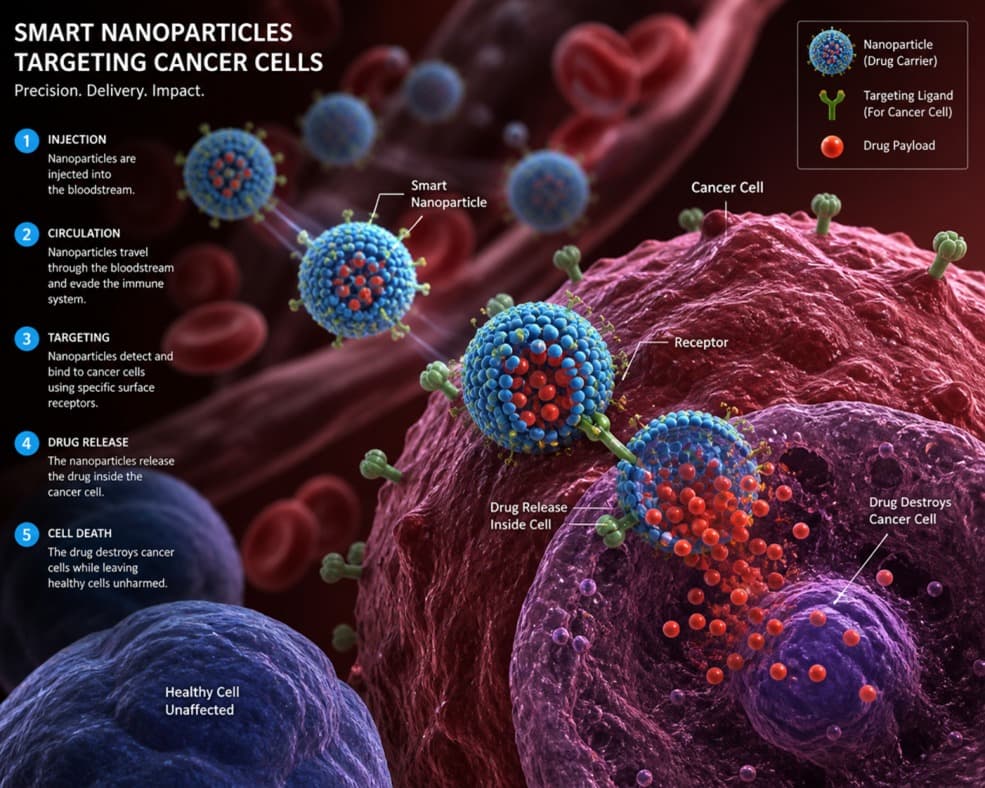
Smart nanoparticles are an exciting step forward in modern medicine especially nanomedicine. They help doctors be more precise in cancer treatment.

Radiology is more than just X-rays. See how it evolved, how it works, and how AI is making diagnosis faster, safer, and better for everyone

A low-energy dynamical approach could give companion AI the gift of long-term relational memory - especially valuable for eldercare.

Biologics have transformed the management of chronic and life-threatening diseases such as cancer, autoimmune disorders, and metabolic conditions. However, their complexity, high production costs, and limited affordability continue to challenge healthcare systems worldwide.

Ever wonder what it’s like if a tiny chip could detect cancer before symptoms appear. Biosensor technology is transforming cancer detection- earlier, faster and more accessible for people worldwide

Discover how AI is reshaping radiology, from faster diagnoses to improved accuracy, and what this means for patients and healthcare professionals.

Why is mucus the biggest obstacle to lung drug delivery? Explore the mucosal barrier science reshaping how we design inhaled medicines and vaccines.

Natural polysaccharides like locust bean gum and chitosan are replacing lactose as safer, more effective carriers for inhaled medications and vaccines.

Symptoms of anxiety disorders can interfere with daily life activities, such as performance at work, being in social gatherings, and relationships. In severe cases of anxiety, there might be a feeling of intense fear in common situations, a preference for isolation, or a refusal to leave their homes

In this study, I explore how cancer risk is distributed across the animal kingdom, emphasizing the role of life-history traits, reproductive strategies, and social behavior in shaping susceptibility to disease. Drawing on recent findings in comparative oncology, the article examines patterns that challenge traditional assumptions, such as the relationship between body size and cancer, and highlights evolutionary mechanisms that may confer resistance in certain species.

A future without transplant waitlists? Tissue engineering blends biology and engineering to build living, functional human tissue.

Modern physics often assumes that the complexity we observe in the universe reflects an underlying complexity in its fundamental structure. Fields, particles, forces, and geometries are typically introduced as independent components, each carrying its own degrees of freedom.

What if one of the most powerful models for understanding the human brain were less than an inch long, transparent, and living in a small tank? Meet Danio rerio, the zebrafish.

Inhalable vaccines trigger powerful mucosal immunity where pathogens enter the body, offering needle-free protection against respiratory diseases.