Modern healthcare is undergoing a silent revolution. Now, to treat a disease in the healthcare system, there is no longer a need to wait for symptoms to appear. Thanks to the two advancing fields: nanobiotechnology and bioinformatics, medicine is becoming deeply personalized, precise, and predictive. When combined, they function as some sort of efficient navigation system. Bioinformatics scans enormous amounts of biological data to assist with patient-specific treatments, while nanobiotechnology operates at the molecular level to recognize and act within a body system. Together, these fields are altering how ailments are diagnosed, therapies are utilized, and healthcare is tailored for every patient before the expression of the disease itself. (“Advancing Modern Healthcare With Nanotechnology, Nanobiosensors, and Internet of Nano Things: Taxonomies, Applications, Architecture, and Challenges”)
Disease Treatment on a Smaller Scale
All biological processes occur at a nanoscale; this is where nanobiotechnology steps in. On this level, the nanoparticles are designed by scientists so that they can interact with genetic materials, proteins, and cells directly.
Targeted drug delivery is one of the most transformative applications of nanobiotechnology. Rather than flooding the entire body with medications, nanoparticles can deliver the drug or treatment method to the targeted area and release it in a controlled manner. This effect minimizes the chance of damaging healthy tissues and increases the effectiveness of the treatment, a challenge tackled which was previously faced by traditional medicine. Kunj Vyas et al.
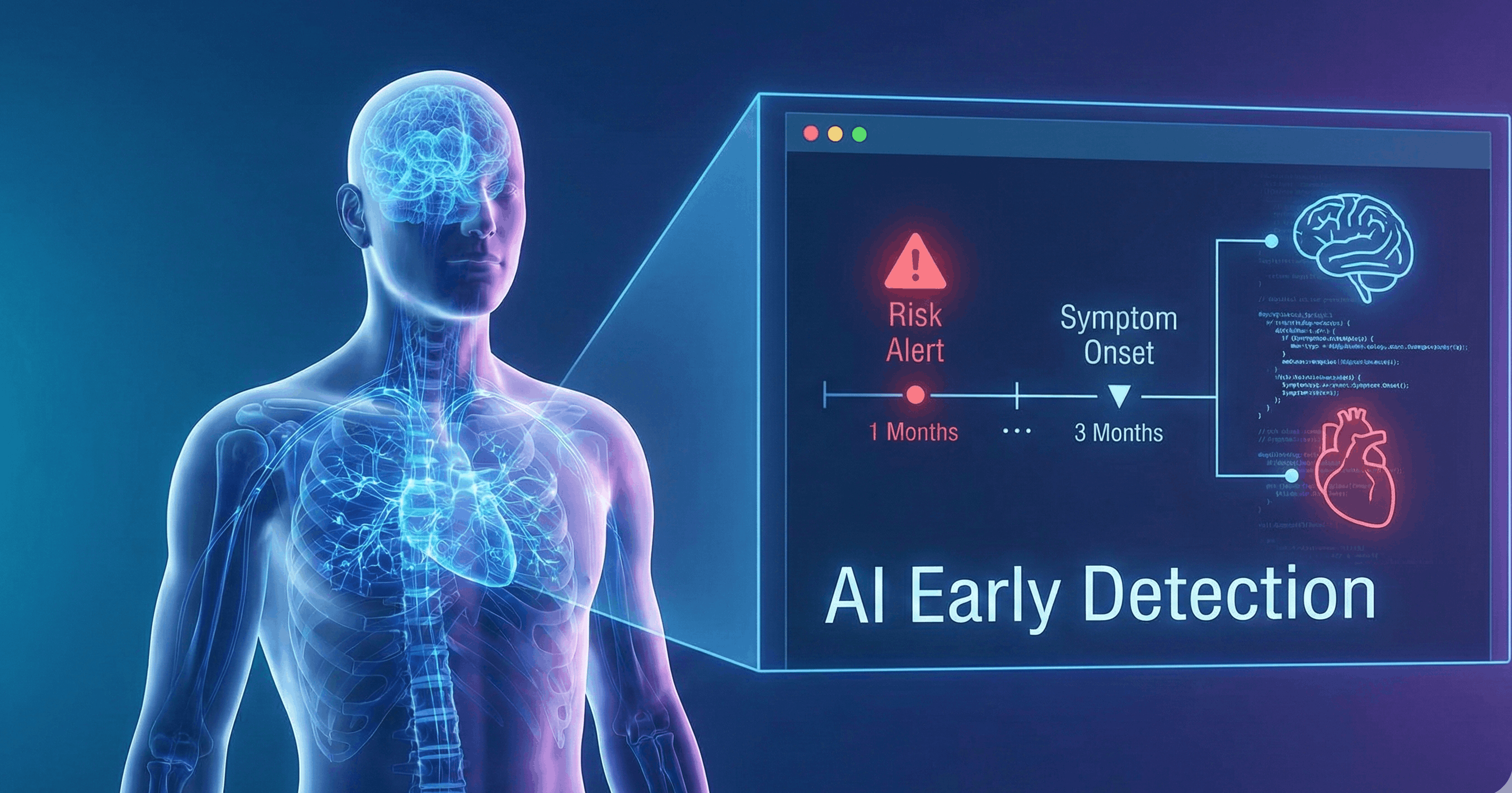
The process of early diagnosis is also getting advanced due to nanobiotechnology. The instruments like Nanosensors, even in low concentrations, before the appearance of symptoms an detect biomarkers of disease. For critical conditions like cancer, where the ratio of survival is directly related to the early identification of the disease, early detection is important. (AZoNano, 2023)
A way to make sense of Biological Big Data
Bioinformatics works at the largest information scale, whereas nanobiotechnology works at the smallest physical scale. In fact, biology today generates tremendous amounts of data, ranging from protein structures and clinical data to genome sequencing. Bioinformatics helps transform his raw data into applied medical knowledge using cocomputersartificial intelligence, and machine learning technologies.
The field of precision medicine in the healthcare sector, which entails the provision of medical treatment based on the genetic composition of the patient and not the standard treatment of every patient, is made possible through the application of bioinformatics. With the assistance of bioinformatics tools, the risk of illness and the reaction to prescribed treatment can be easily forecasted.
By identifying potential drug targets, predicting the behavior of drugs, and reducing costly trial-and-error research, drug discovery is also sped up. Kuznetsov et al.
A Latest Development: Personalized mRNA Cancer Vaccines (2023–2024)
The development of a designed mRNA cancer vaccine is one of the most exciting advancements of nanobiotechnology and bioinformatics.
Clinical trials of patient-specific cancer vaccine approaches reported positive results in 2023- 2024, according to companies such as BioNTech and Moderna. Bioinformatics must play an important role in discovering specific cancer mutations, called neo-antigens, in a patient's tumor genome, which the body recognizes as specific targets for the immune system to identify.
This is done through the application of nanobiotechnology, which becomes effective upon its discovery. The lipid nanoparticles, which encapsulate the designed mRNA vaccine, protect the mRNA and ensure its proper delivery and uptake by immune cells. This delivers instructions that, in turn p, provide a lesson to the patient's immune system to differentiate cancer cells from healthy cells.
In the melanoma patients, a recent trial revealed an obvious reduction in recurrence of cancer when immunotherapy is paired with personalized mRNA vaccines. Overall, this step marked a huge step towards custom-built cancer treatment, which is formed not just to treat a disease but is customizable depending on the patient. (The Royal College of Pathologists, n.d.)
Cancer Therapy Now Smarter Through Precise Delivery
Nanobioinformatics is not only making vaccines but also transforming cancer therapy more radically. The molecular markers or drivers of the tumor are identified by using Bioinformatics tools, while nanotechnology certifies that the drug is delivered to the target area properly in a timely manner.
To respond to the tumor environment, nanoparticle-based chemotherapy is formulated that releases drugs only when these nanoscale structures experience a specific change in pH levels or an enzyme that is unique to the tissue causing cancer. This way of treatment decreases the chances of side effects like immune suppression, tissue damage, nausea, and thus, in increses survivalnd quality of life for the patient. (Yao et al., 2020)
The Power of Marriage
The fact that bioinformatics and nanobiotechnology work best together is only explained by their ability to take matters into hand and solve what needs to be solved through tools, concepts, and ideas. On one hand, Bioinformatics helps us understand what is in that complex system that really needs to be targeted, while on the other hand, Nanobiotechnology is there to build concepts and to determine how to target it exactly. When combined, they produce a feedback loop in which data-driven insights are used to continuously improve medical solutions at the ananoscale
Real-time diagnostics, adaptive medication systems, and individualized treatment regimens that respond to a patient's changing state are all made possible by this confluence.
Obstacles and the Path Ahead
Despite this rapid progress, problems persist. To ensure that developing technologies will be available for all, and not just the wealthy elite, such problems as data privacy, the ethical use of geneticinformation, costly development, and inequitable distribution worldwide must be solved.
The course, however, is clear. The trend in healthcare is that it is becoming less reactive and more proactive with the advancement in computing and nanomaterials.
A More Personalized Medical Future
Physicians are being empowered by bioinformatics and nanobiotechnology, not replaced. Medicine is becoming more individualized through the blending of data intelligence and molecular precision. Furthermore, not just is health care becoming more intelligent, but it is also becoming more humanistic, hopeful, and individualized. And this is becoming a reality within the area where bioinformatics and nanobiotechnology converge.


Discussion