
Introduction
Imagine walking into a hospital for a scan and receiving a preliminary assessment within minutes, rather than waiting days for results. This is no longer science fiction, it's becoming reality thanks to artificial intelligence (AI) in radiology. Radiology, the medical field that uses imaging scans to diagnose and sometimes treat diseases, has always relied heavily on precision and detail. Today, AI is taking that precision to a whole new level, changing how doctors detect, analyze, and treat conditions ranging from broken bones to life-threatening cancers.
In this article, we’ll explore how AI works in radiology, its major benefits, real-world applications, challenges to adoption, and what the future may hold. Whether you’re a student, healthcare professional, or simply curious about medical innovation, you’ll see why this technology is one of the most exciting developments in modern medicine and why it matters to all of us.
The Role of AI in Medical Imaging
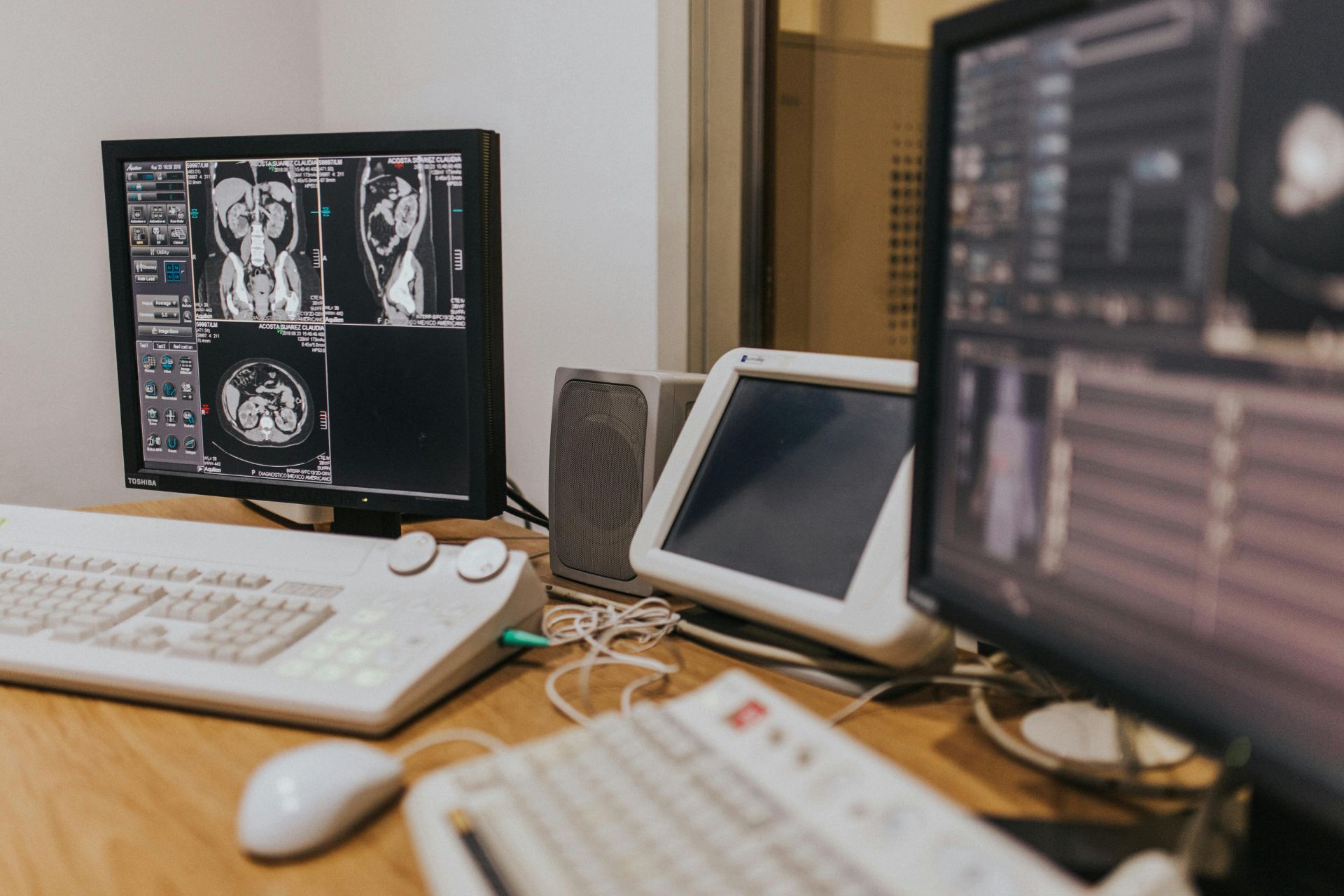
At its core, radiology is about interpreting medical images, such as X-rays, CT scans, MRIs, ultrasounds, and more. For decades, this responsibility has rested entirely on trained radiologists who have spent years learning to identify subtle abnormalities and patterns linked to disease. However, human interpretation has its limits. Fatigue, differences in experience, and the growing number of scans performed each day can all affect speed and accuracy.
AI systems, especially machine learning and deep learning models, are helping radiologists overcome these challenges. These technologies learn from enormous datasets containing medical images and their confirmed diagnoses. Over time, they become capable of recognizing patterns and warning signs that might otherwise be missed or take longer to identify. Think of it like training a highly observant assistant: after reviewing thousands of examples, the system learns to spot important details quickly and consistently.
Unlike traditional computer programs that simply follow fixed instructions, deep learning models can process complex visual information in ways that resemble human learning. They can identify abnormalities, analyze image patterns, and even help predict how certain diseases may progress. Most importantly, AI is not designed to replace radiologists; it is designed to support them as a powerful second set of eyes.
Key Benefits of AI in Radiology
Faster Diagnosis and Workflow Efficiency
One of AI’s greatest advantages in radiology is speed. In many hospitals, radiologists face overwhelming workloads and may review hundreds of scans every day. AI tools can analyze images within seconds and immediately flag urgent cases such as strokes, internal bleeding, or severe infections, allowing doctors to prioritize patients who need immediate attention. Research suggests that AI can reduce image interpretation time by up to 50% in certain healthcare settings. For patients, this means faster diagnoses and earlier treatment, which can make a life-saving difference during emergencies where every minute counts.
Improved Accuracy and Consistency
Even highly experienced radiologists may occasionally interpret scans differently, especially when findings are subtle. AI systems, however, maintain a consistent standard because they are trained using millions of medical images. Studies published in journals such as Radiology have shown that AI can match and in some cases exceed human performance in detecting diseases like lung cancer, breast cancer, and pneumonia. In breast cancer screening, for example, AI has helped reduce false-positive results, meaning fewer patients undergo unnecessary follow-up tests and anxiety-inducing procedures.
Practical Implications: What This Means for You
So, what does all this mean for patients, healthcare professionals, and the future of medicine?
For patients, AI in radiology could mean shorter waiting times, more reliable results, and better access to quality healthcare. Earlier and more accurate diagnoses can significantly improve treatment outcomes and, in many cases, save lives.
For radiologists and healthcare teams, AI changes the nature of the job rather than replacing it. Instead of spending countless hours reviewing routine scans, doctors can focus more on complex cases, patient communication, and treatment planning. In many ways, AI allows radiologists to become even more effective diagnostic experts.
For healthcare systems overall, AI offers a practical way to manage rising demand for medical imaging services. As populations continue to grow and age, hospitals will need technologies that improve efficiency without sacrificing quality of care. In short, AI isn’t just changing radiology, but it’s helping reshape the future of healthcare itself.
Conclusion
Artificial intelligence is transforming radiology from a field driven solely by human observation into a powerful partnership between doctors and technology. By improving diagnostic speed, increasing accuracy, and expanding access to medical expertise, AI is making healthcare more efficient, reliable, and patient-centered.
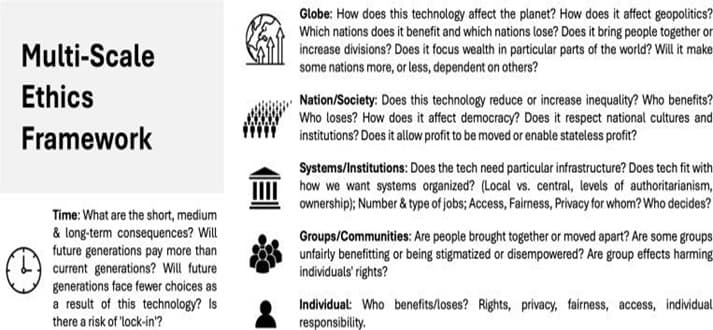
Challenges such as data quality, ethics, and regulation still exist, but ongoing research and careful implementation are helping address these concerns step by step. The goal is not to replace human skill and judgment, but to strengthen and support them.
As AI continues to evolve, the future of radiology may include even more groundbreaking developments, from predictive diagnostics to highly personalized treatment plans. One thing is already clear: the future of medical imaging is intelligent, collaborative, and full of possibilities.



Discussion