
Introduction
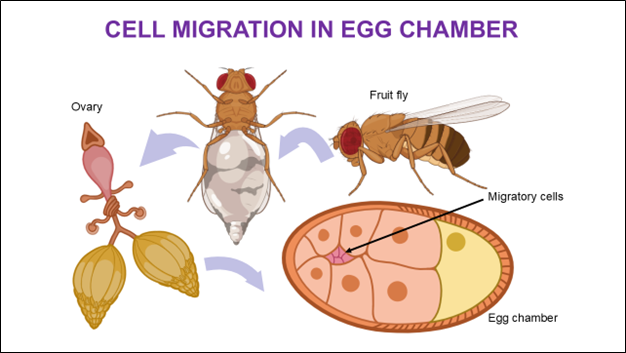
Tiny but mighty, the fruit fly, Drosophila melanogaster, is one of science’s most powerful allies. Measuring just a few millimeters and living only a few weeks, this tiny insect holds enormous secrets about life, development, and disease. Scientists have studied it for over a century, making it a cornerstone for understanding genetics, development, and cell biology. One of its most fascinating features lies within its ovary, where a remarkable dance of cells orchestrates the creation of new life.
Inside each ovary, cells move with incredible precision, almost like a microscopic symphony. Border cells and polar cells migrate across the egg chamber, coordinating with other cells in ways scientists are still unraveling. These tiny movements are not just curiosity; they model complex processes in human health, including cancer metastasis, when cells break away from a tumor and spread through the body. Studying fruit fly egg chambers helps scientists understand cell migration and develop therapies to prevent cancer spread.
A Tiny World of Wonders
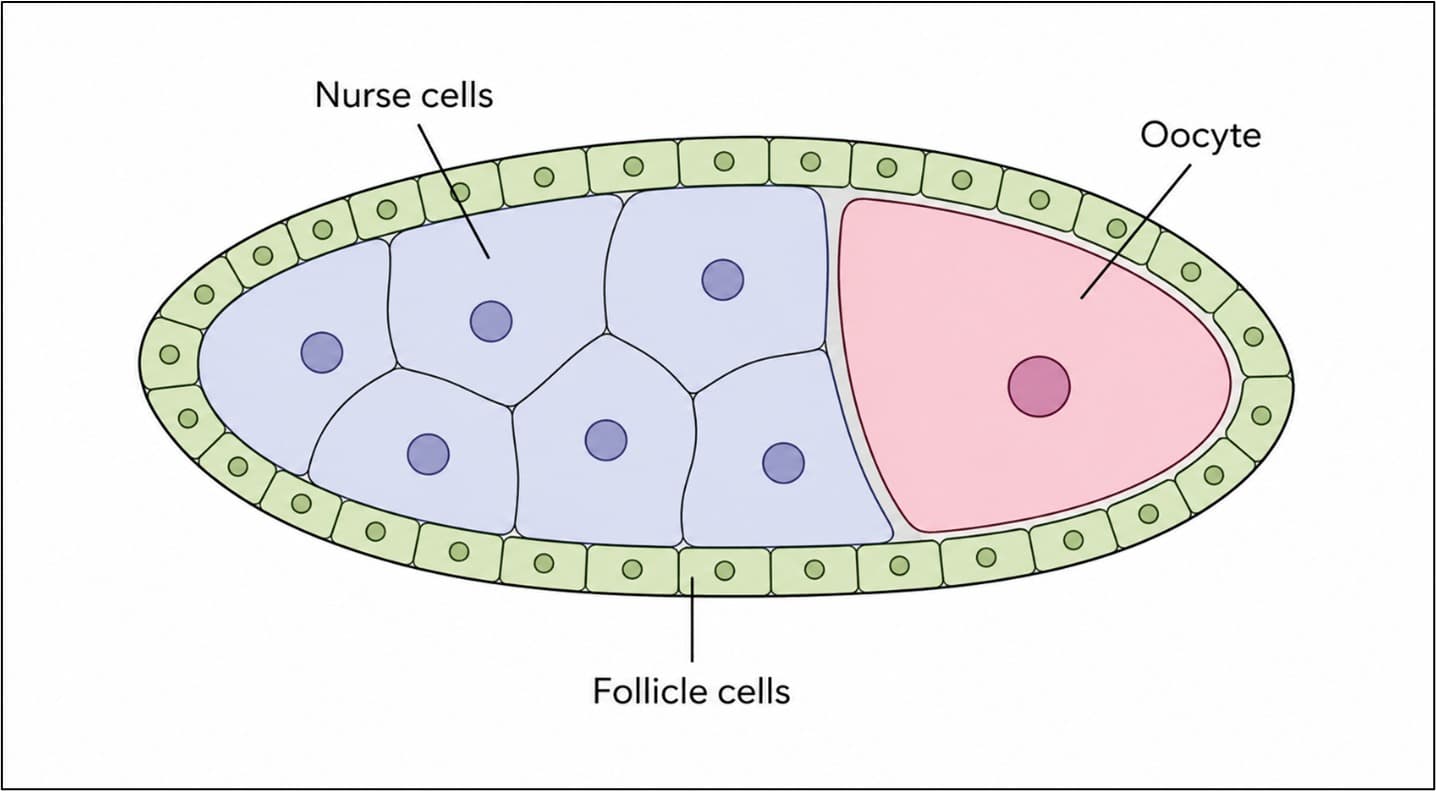
The fruit fly ovary may look simple under a microscope, but it is a bustling miniature world, full of organized complexity. Each fly ovary contains dozens of egg chambers, tiny structures that are packed with germ cells, the oocyte, and an array of supporting follicular epithelial cells.[1] At first glance, these cells may seem unremarkable, but closer inspection reveals a bustling city of activity. Each cell has a role, sends signals, and responds to its neighbors in ways that ensure the survival and proper development of the egg.
What makes this system remarkable is its precision. In a single egg chamber, germ cells must develop at exactly the right pace, and follicular epithelial cells must organize themselves perfectly around them. They communicate through chemical signals, mechanical cues, and even changes in their shapes, all to create the optimal environment for an egg to mature. For scientists, this tiny system is a dream laboratory: it is simple enough to manipulate experimentally, yet complex enough to mimic important processes in larger organisms.
Studying the fruit fly ovary also has practical benefits. Many fundamental discoveries about genes, cell division, and development first came from fruit flies. Researchers can visualize cells in real time, track their movements, and manipulate genes to see what happens when something goes wrong. These insights form the foundation for understanding not just fly development, but human development and disease as well. In short, the fruit fly ovary is a miniature universe, offering profound lessons about life, growth, and the intricate choreography that makes reproduction possible.
The Movers and Shakers
Among the many cells in the egg chamber, two types are particularly fascinating: border cells and polar cells. These are the true performers, moving through the egg chamber in a highly coordinated journey. Border cells travel in clusters with polar cells, migrating toward the oocyte. An oocyte destined to become the egg. Polar cells act as guides, signaling to the border cells where to go.[2] This movement is not random; it is precisely orchestrated through chemical gradients and molecular cues. The journey of these tiny cells is a microscopic ballet, with timing, direction, and coordination all finely tuned.
The migration of border and polar cells is essential for life. Without it, the micropyle, a tiny structure that allows sperm to enter the egg, cannot form, and fertilization would fail. Scientists have been fascinated by this migration not just for its beauty, but for what it can teach us about movement at the cellular level. By observing these cells, researchers can see how individual cells communicate, coordinate, and overcome obstacles, all while staying part of a cluster.
Moreover, the mechanisms that drive border cell migration are highly conserved across species. This means that the fundamental rules observed in fruit flies often apply to other organisms, including humans. Studying these tiny, highly mobile cells provides insight into basic biological processes, such as how cells interpret chemical signals, move along defined paths, and interact with neighboring cells. These processes are critical not only for development but also for understanding disease mechanisms, including cancer.
The Micropyle Magic
The migration of border and polar cells leads to the formation of a tiny but crucial structure: the micropyle.[3] Imagine a microscopic doorway, just a few microns wide, that allows sperm to enter the egg and initiate fertilization. Without this structure, reproduction would be impossible. The micropyle is a perfect example of how precise cellular choreography translates into life itself.
This tiny opening is not formed by chance. The process is both mechanical and chemical, as cells stretch, rearrange, and interact with each other to sculpt the micropyle. This level of precision is remarkable considering the cells are only a few microns in size.
For scientists, the micropyle is more than just a reproductive structure; it is a model for understanding how cells migrate, interact, and create complex structures. By studying its formation, researchers can uncover the molecular signals that control cell movement, adhesion, and communication. These same signals are often hijacked during disease. Understanding how normal migration works at the cellular level provides a roadmap for identifying what goes wrong when cells migrate inappropriately, such as in cancer.
The micropyle demonstrates a universal truth in biology: small movements at the cellular level can have profound consequences for an entire organism. The lessons learned from studying this tiny structure in fruit flies extend far beyond the lab, offering insights into development, fertility, and disease.
From Fruit Fly to Cancer Clues
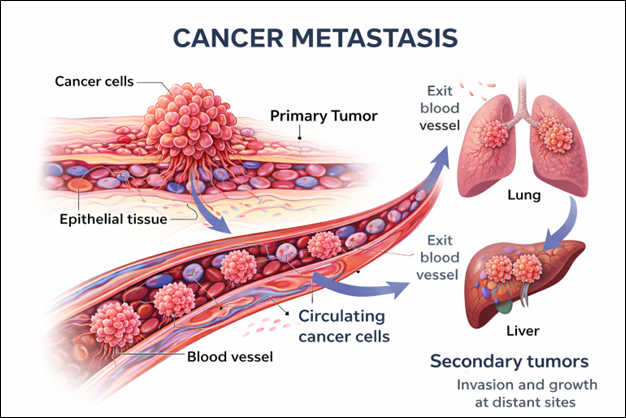
Here’s where the story takes an unexpected twist: the migration of border cells in the fruit fly ovary closely resembles how cancer cells move through human tissues during metastasis. Metastasis is the stage of cancer that makes it most deadly, as cells break away from the original tumor, invade surrounding tissues, and travel to distant organs.[4] Understanding this process is one of the greatest challenges in cancer research.
Scientists discovered that the same principles guiding border cell migration are also used by cancer cells to navigate the body. By observing border cells in real time, researchers can identify the molecular cues that direct movement, learn how clusters of cells coordinate, and explore what happens when normal migration mechanisms go awry. These insights are invaluable for understanding the spread of cancer.
The fruit fly model offers a unique advantage. Unlike human tumors, where metastasis is difficult to observe directly, fruit fly egg chambers are transparent and highly accessible. Researchers can manipulate genes, track individual cells, and watch migration happen in live tissues. The lessons from these tiny flies translate into strategies for blocking cancer cell movement in humans. Border cell migration has become a blueprint for understanding one of the deadliest processes in medicine, turning a simple insect into a powerful tool for human health research.
The Future of Fighting Cancer
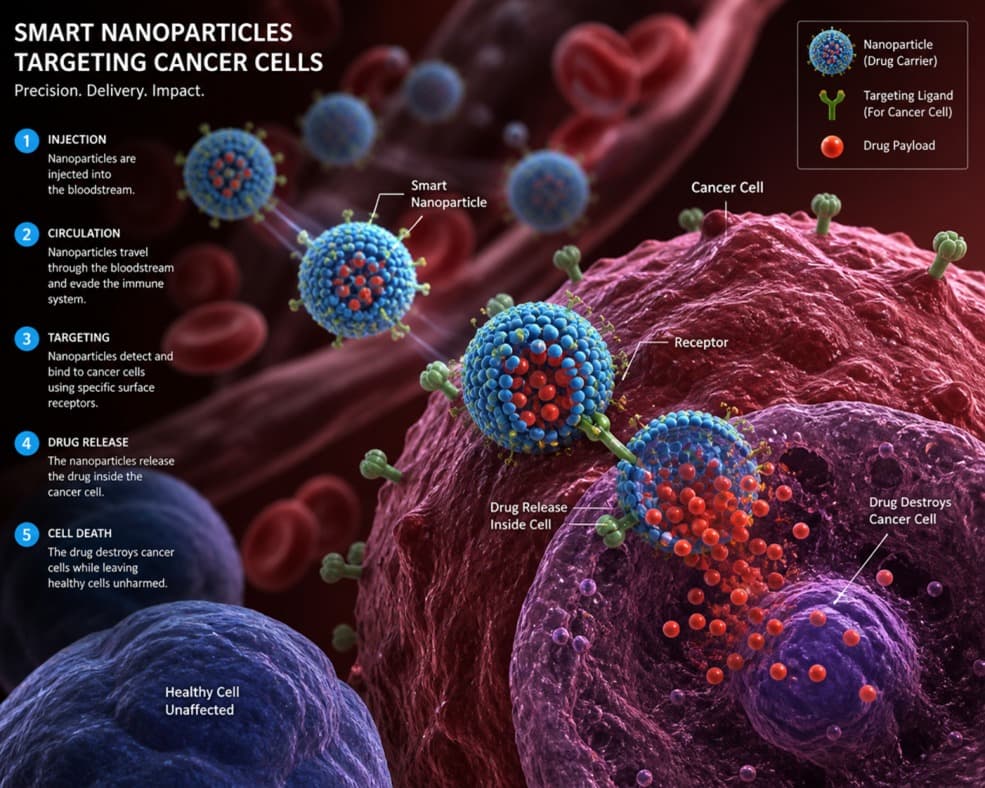
The implications of studying fruit fly egg chambers are enormous. Insights from border cell migration could guide the development of drugs that stop cancer cells from spreading. By understanding how cells communicate, respond to signals, and move in coordinated clusters, scientists can design therapies that interrupt these processes in tumors.
The research also highlights the power of basic science. Studying an unassuming insect in a laboratory can lead to discoveries that impact human health in profound ways. Fruit flies may seem small and insignificant, but they reveal fundamental principles that govern life, from development to disease. The more we understand how cells move in normal contexts, the better we can prevent them from moving in harmful ways.
This work is not just about cancer; it also sheds light on developmental and neurological disorders caused by disrupted cell migration. Studying fruit fly egg chambers allows researchers to test hypotheses, identify molecular targets, and explore therapeutic strategies that could one day translate to humans. In this sense, the humble fruit fly is not only a window into life at the microscopic level but also a guide to some of the biggest challenges in medicine today.
Conclusion
From the intricate design of the egg chamber to the coordinated migration of border and polar cells, the fruit fly reveals the remarkable precision of life at the cellular level. These tiny processes offer insights not only into reproduction but also into how cells move in disease, such as cancer metastasis. By studying these microscopic marvels, scientists gain clues for therapies that could one day prevent the spread of cancer. The fruit fly reminds us that even the smallest creatures can illuminate the grandest truths, showing how curiosity-driven research can transform our understanding of biology and inspire hope for breakthroughs that benefit human health.


Discussion