
Health & Medicine
What happens to the human body during dehydration
Learn what dehydration does inside your body from brain function and circulation to temperature control, symptoms, risks, and prevention tips.
Showing results for: "fluids" (18 results)
Learn what dehydration does inside your body from brain function and circulation to temperature control, symptoms, risks, and prevention tips.

Exploring AI, advanced materials, propulsion, autonomous systems, and emerging technologies shaping the future of aerospace engineering.
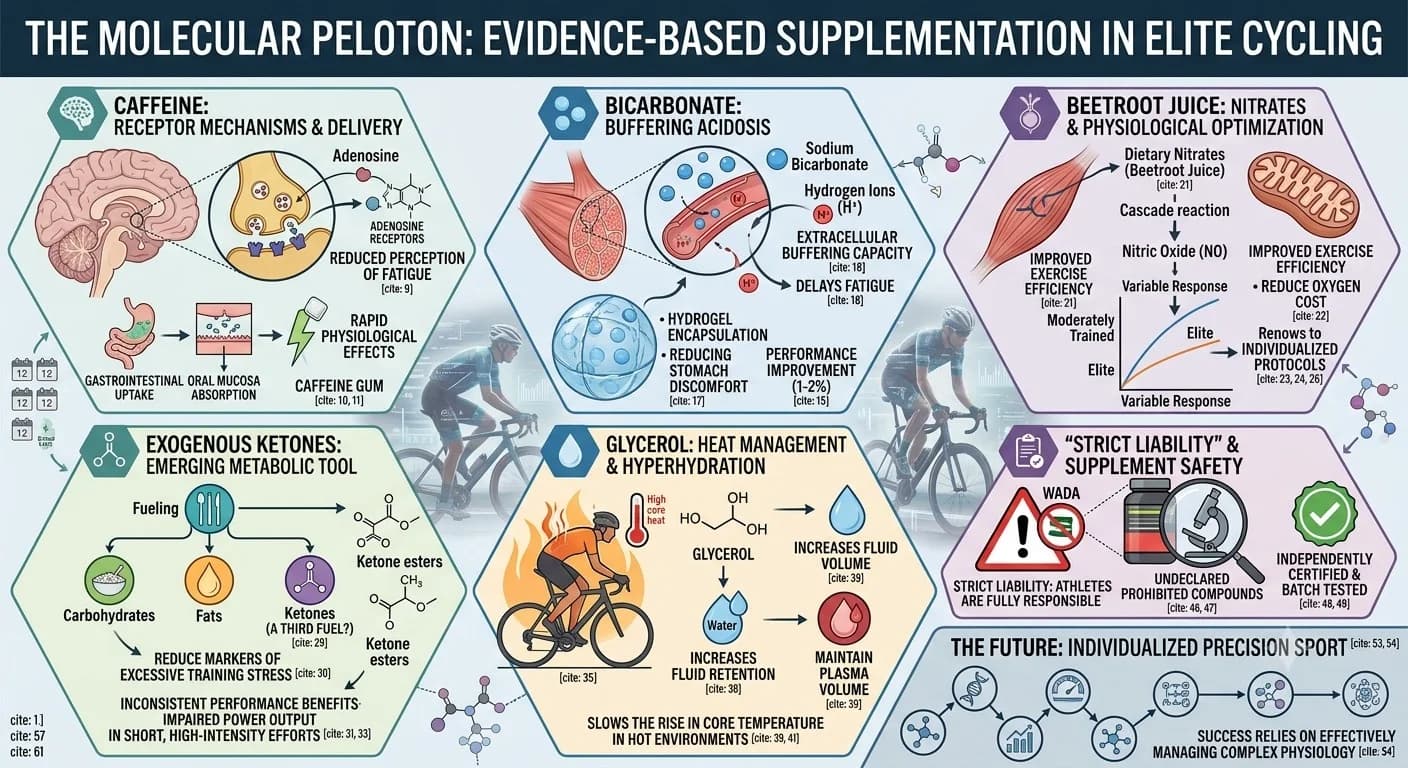
Professional cycling is a sport defined by marginal gains. At the highest levels of competition, the difference between victory and the middle of the pack can be measured in seconds, watts, or subtle physiological advantages accumulated over months of preparation.
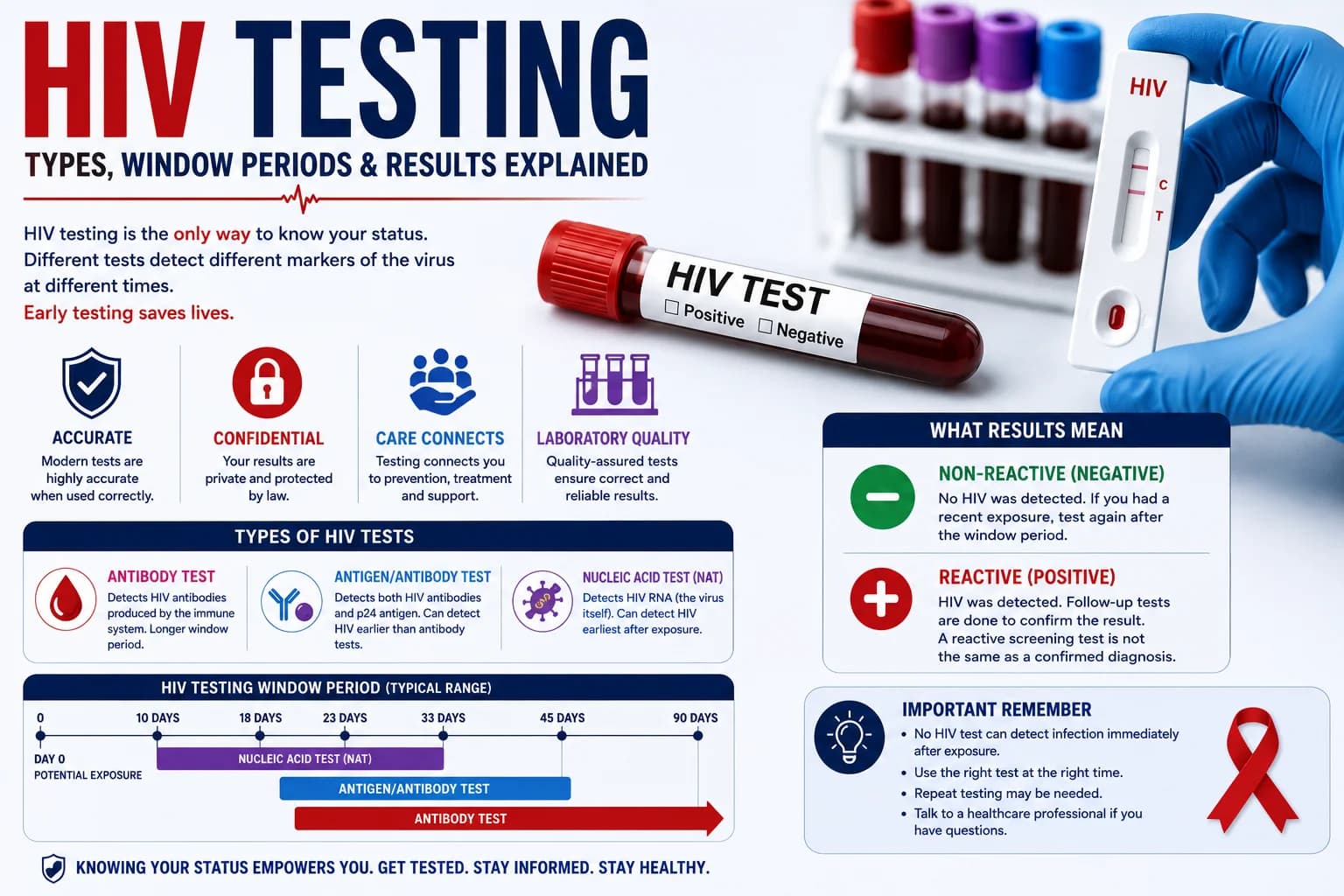
HIV testing is the process of determining whether a person has been infected with human immunodeficiency virus. Depending on the test, HIV testing can detect antibodies produced by the immune system, the HIV p24 antigen, or HIV RNA. Different tests have different detection window periods, and a reactive screening result requires appropriate follow-up testing before an HIV diagnosis is established.

Explore how Carbon Capture, Utilization, and Storage (CCUS) works, its role in hard-to-abate industries, and how geology helps trap CO₂ to combat climate change.
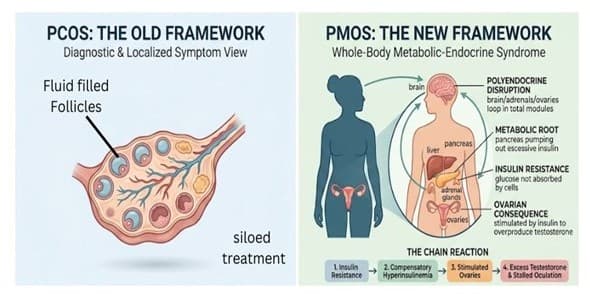
Discover why medical experts are rebranding Polycystic Ovary Syndrome (PCOS) to PMOS, and what this metabolic shift means for patient wellness.
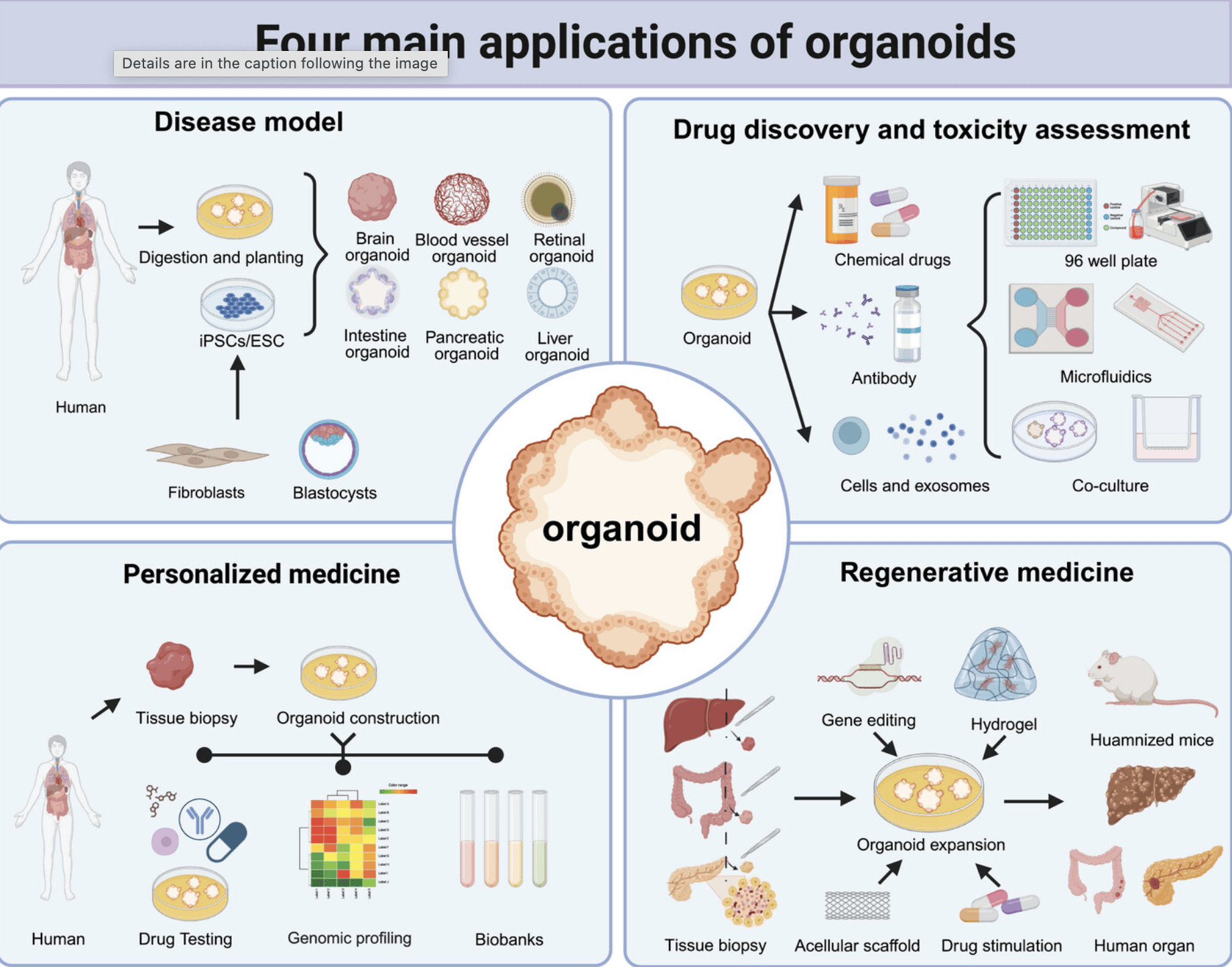
Animal models have traditionally served as the cornerstone of drug safety evaluation; however, major translational challenges persist due to interspecies differences in physiology, metabolism, and genetic regulation. Many compounds demonstrating favorable toxicity profiles in animals later fail during human trials or are withdrawn post-marketing due to unforeseen adverse effects, especially hepatotoxicity and cardiotoxicity (Lee et al., 2025).
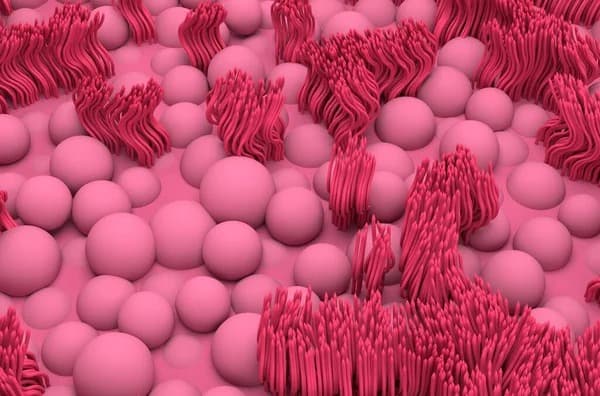
Why is mucus the biggest obstacle to lung drug delivery? Explore the mucosal barrier science reshaping how we design inhaled medicines and vaccines.
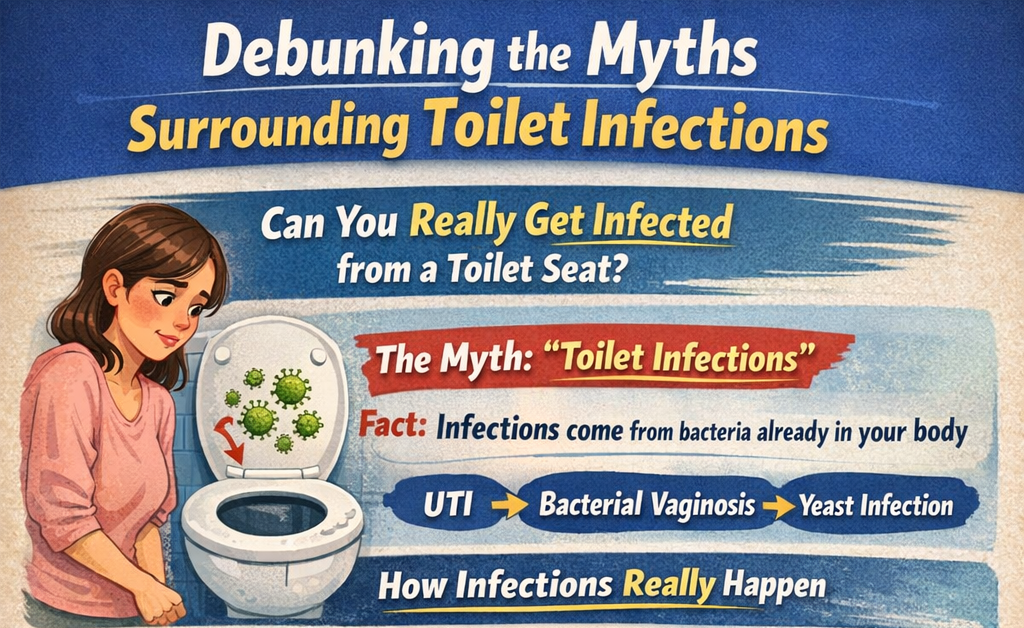
As a pharmacist during clinical clerking, I frequently encounter patients who use the term “toilet infections” to describe symptoms that clinically align with bacterial vaginosis, urinary tract infections, or yeast infections. This widespread misconception often stems from the assumption that symptoms occurring after the use of public toilets must be caused by them.

Drug repurposing is reshaping medicine. Discover how changing a drug's route of administration — not the molecule itself — can unlock new therapeutic potential.
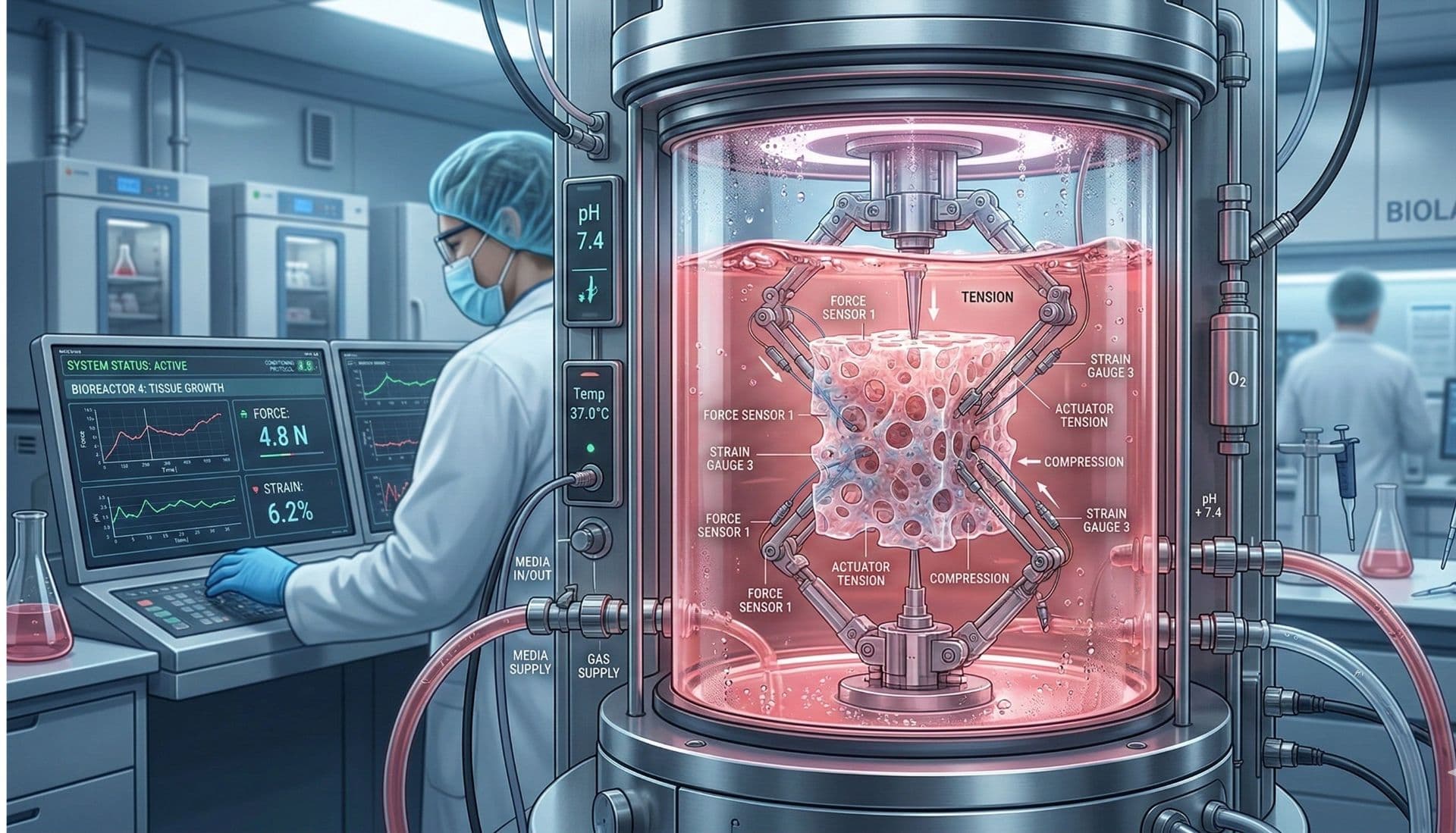
A future without transplant waitlists? Tissue engineering blends biology and engineering to build living, functional human tissue.
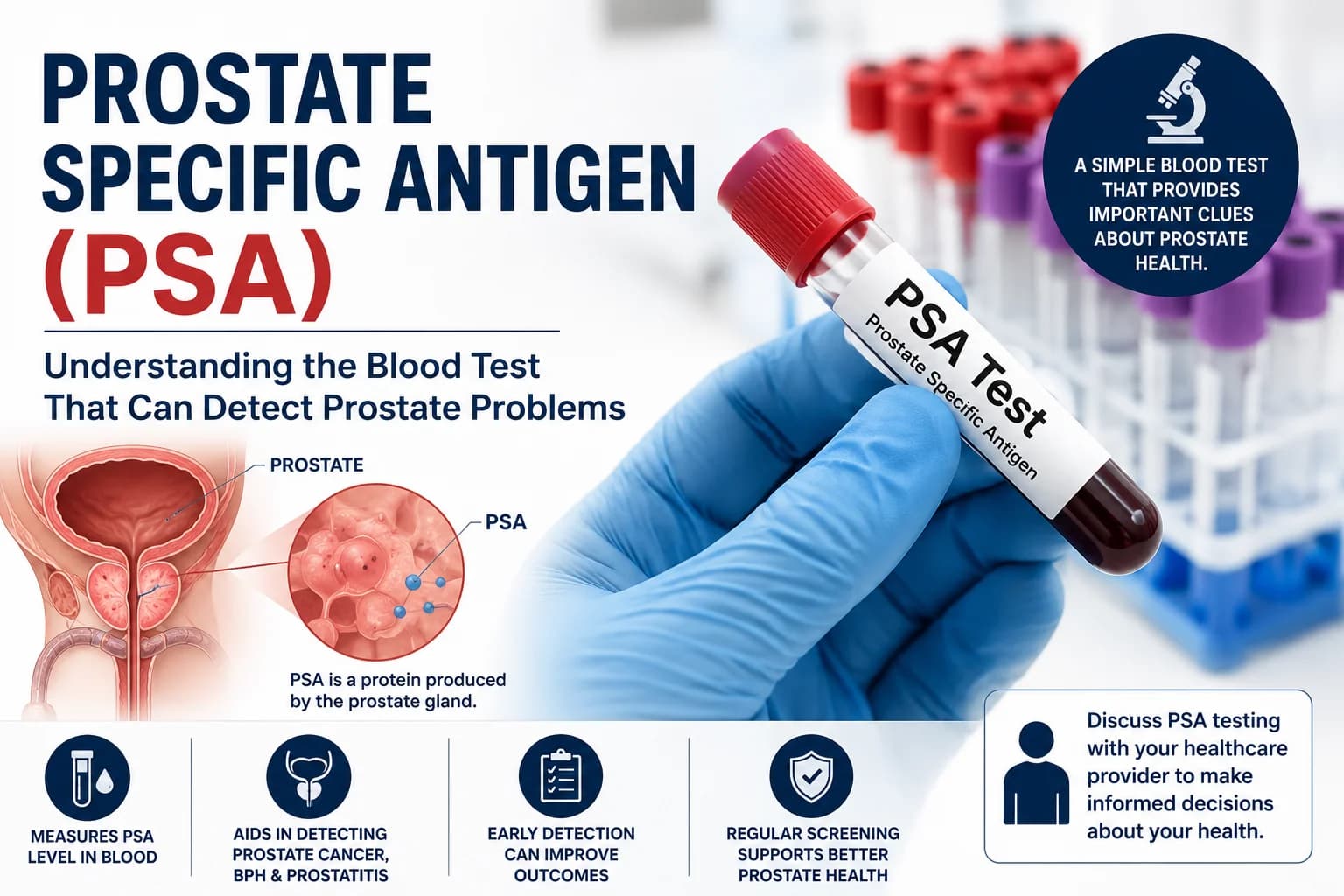
See how the PSA blood test works, what causes elevated PSA levels, and how this important laboratory test supports prostate health and early cancer detection.
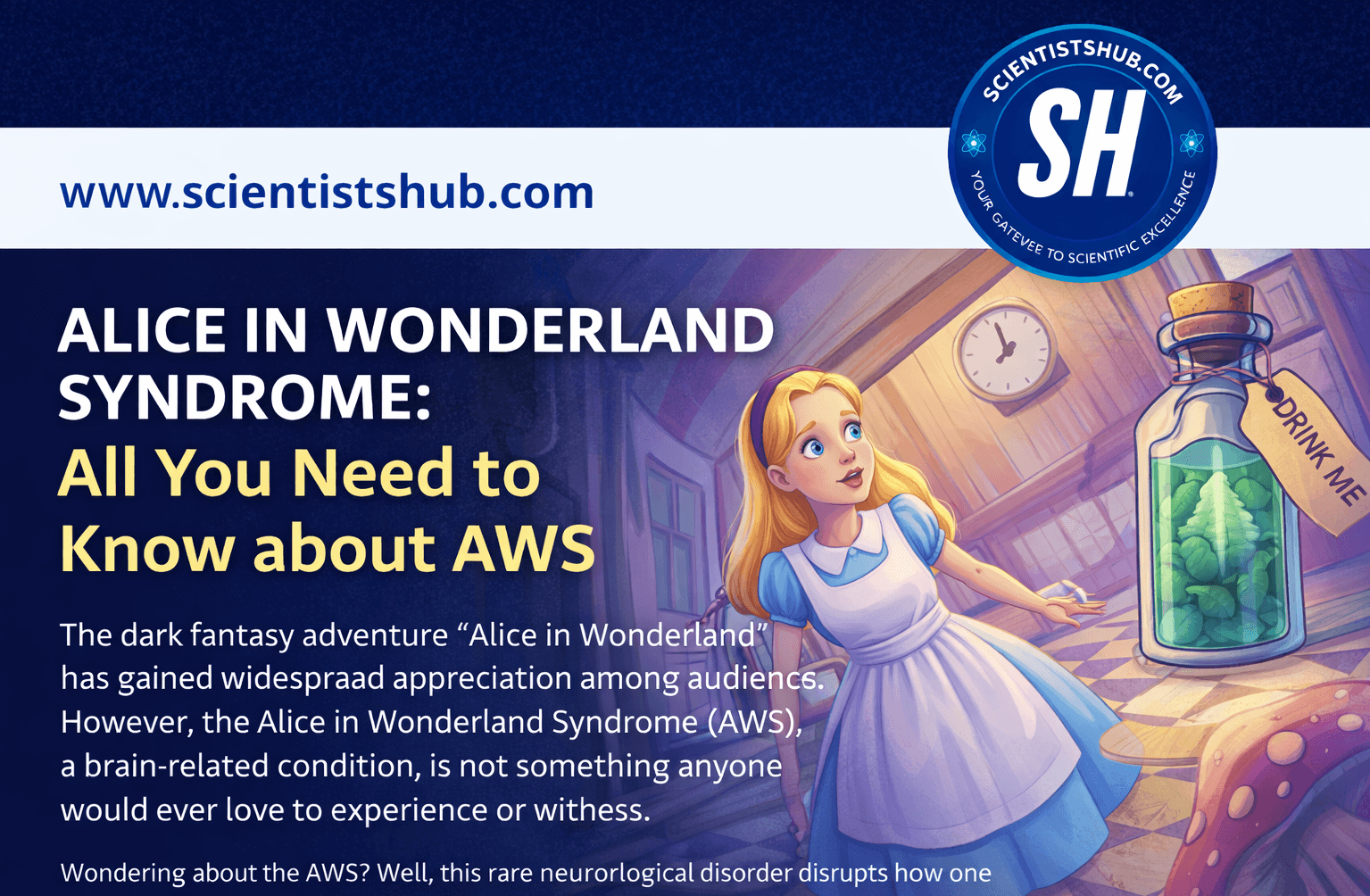
The dark fantasy adventure “Alice in Wonderland” has gained widespread appreciation among audiences. However, the Alice in Wonderland Syndrome (AWS), a brain-related condition, is not something anyone would ever love to experience or witness.
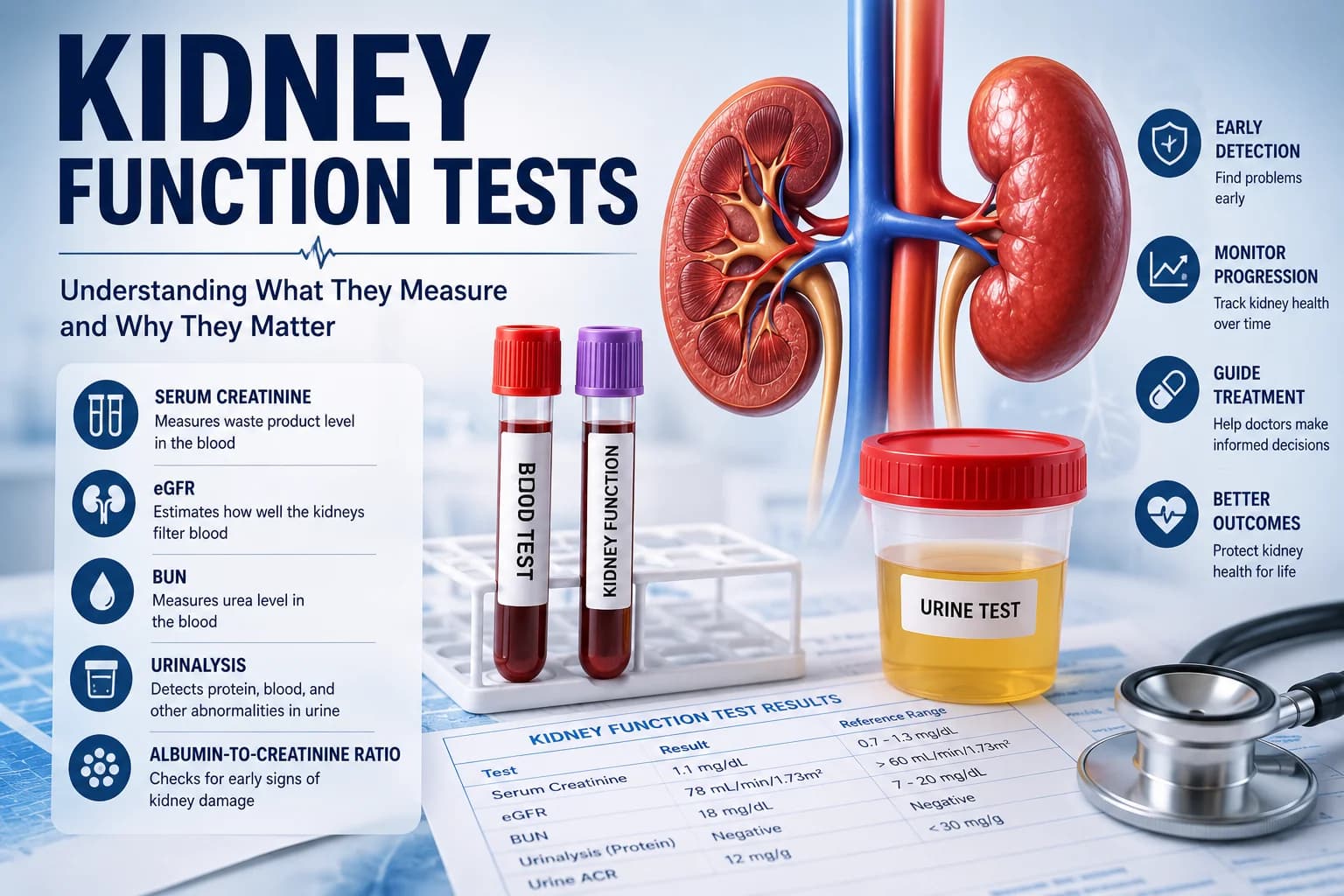
See what kidney function tests measure, including creatinine, eGFR, and urinalysis. Discover how these tests help detect kidney disease and monitor kidney health.
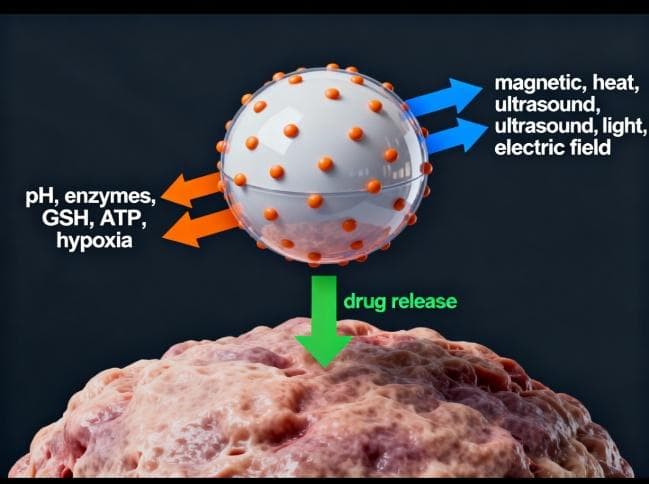
Nanotechnology is having a big impact on pharmaceutical sciences, and drug delivery systems are one area where this is most evident. Compared to conventional medication delivery methods, nanoparticles provide a number of benefits, including increased effectiveness and fewer adverse drug reactions.
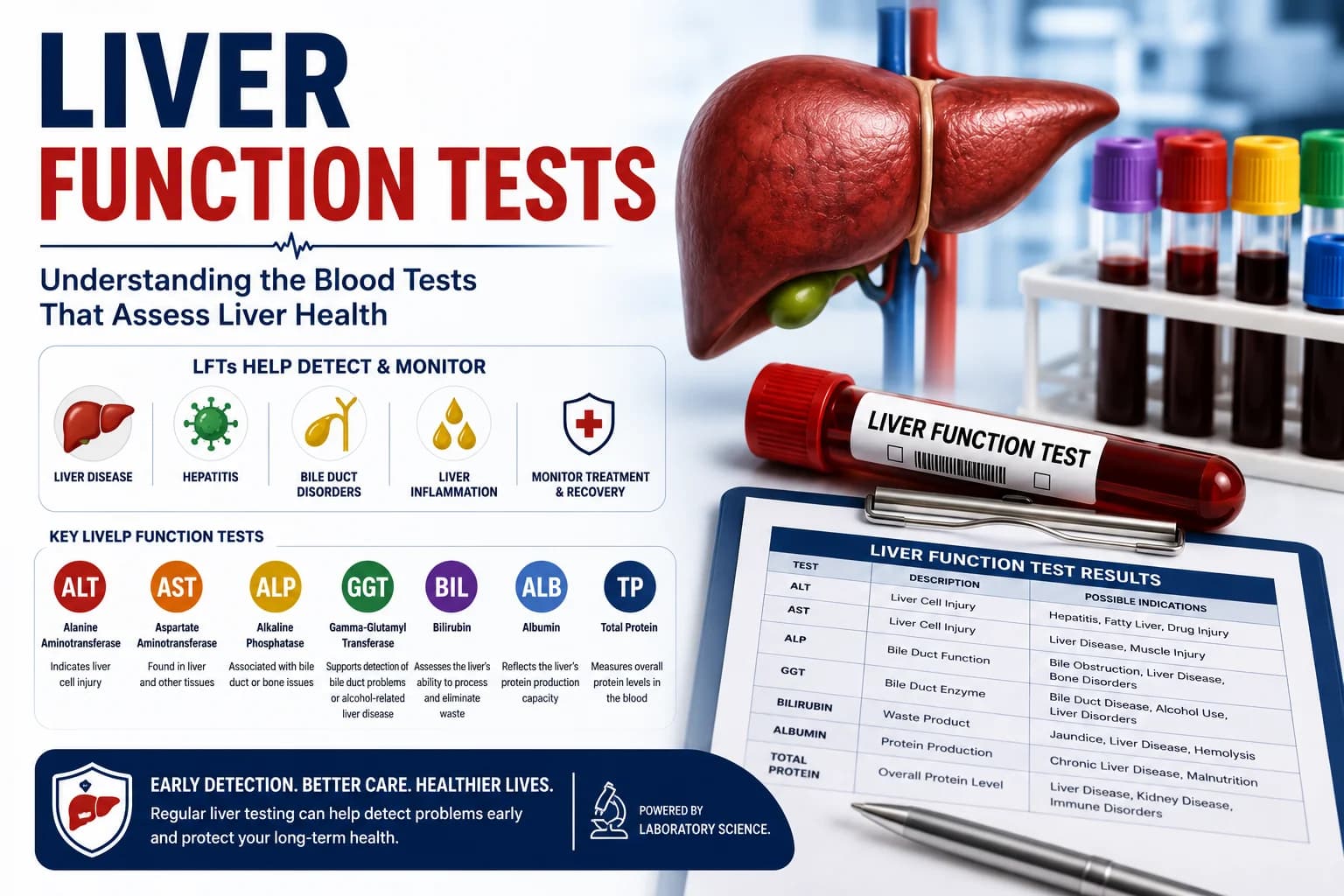
Understand how liver function tests assess liver health, what ALT, AST, bilirubin, ALP, albumin, and GGT measure, and why these blood tests matter.
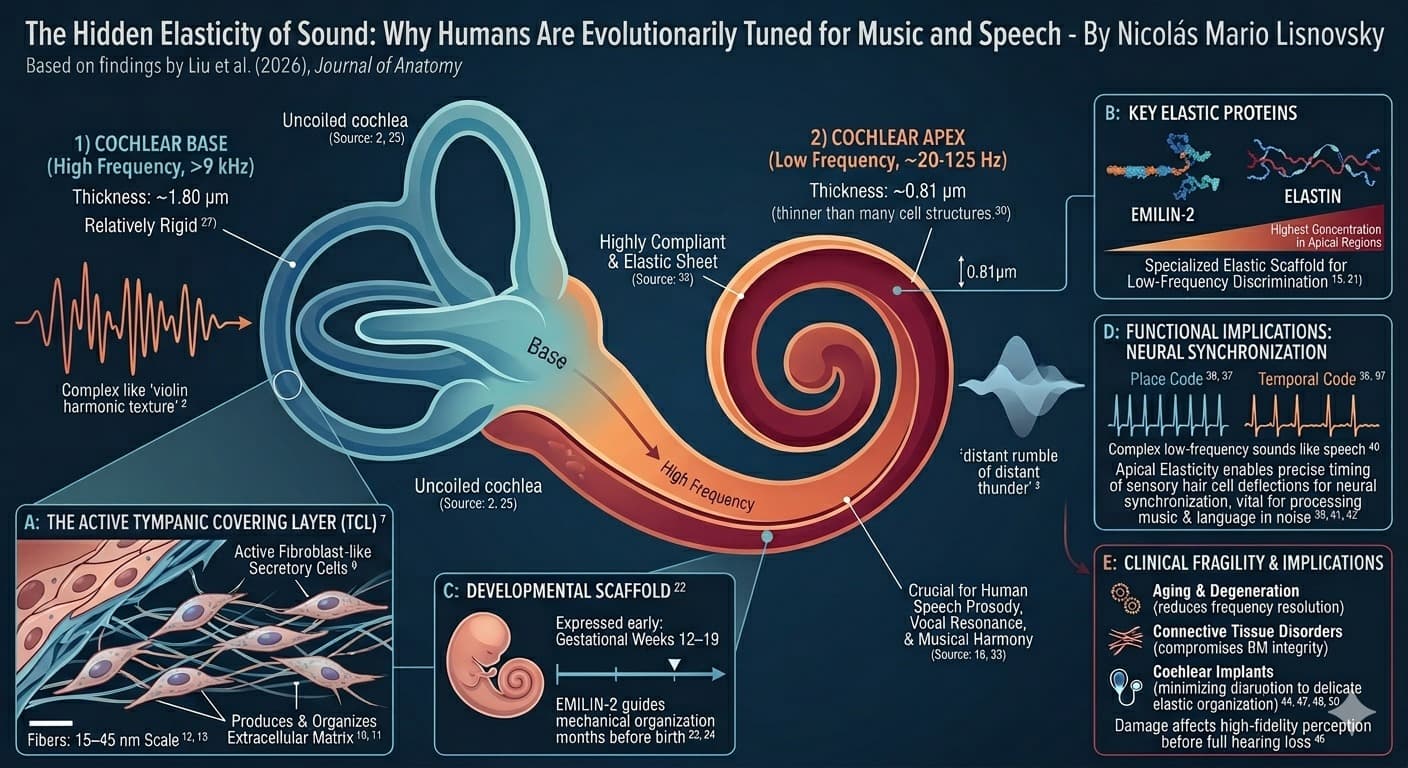
The human ear is often described as one of the most sophisticated sensory systems in biology. Within a structure no larger than a seashell, the auditory system can detect frequencies ranging from the faint rumble of distant thunder to the subtle harmonic texture of a violin string
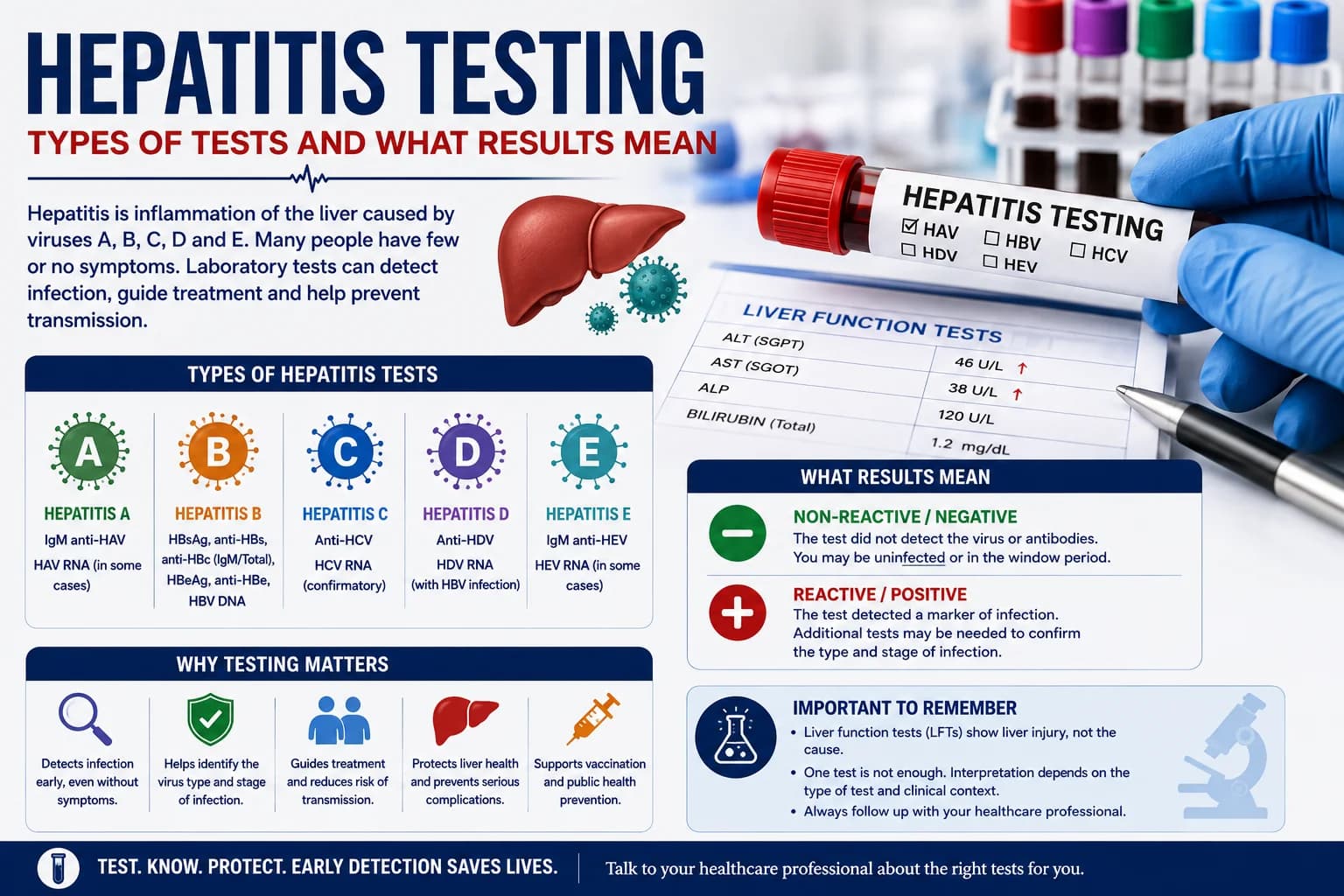
Talk about hepatitis testing, including blood tests for hepatitis A, B, C, D and E, common markers, liver tests, and what positive or negative results mean.