
Introduction
Type 2 diabetes is one of the fastest-growing health conditions worldwide, affecting hundreds of millions of people and placing a significant burden on healthcare systems.
Unlike many diseases that develop suddenly, Type 2 diabetes often progresses gradually over several years. During this time, blood sugar levels may remain elevated without causing obvious symptoms, allowing damage to the heart, kidneys, eyes, nerves, and blood vessels to develop unnoticed.
The encouraging news is that Type 2 diabetes can often be detected early through routine laboratory testing. Early diagnosis allows individuals to make lifestyle changes, begin appropriate treatment, and reduce the risk of long-term complications.
Understanding how Type 2 diabetes develops, recognizing its warning signs, and knowing which laboratory tests are used for diagnosis can help individuals take a proactive approach to protecting their health.
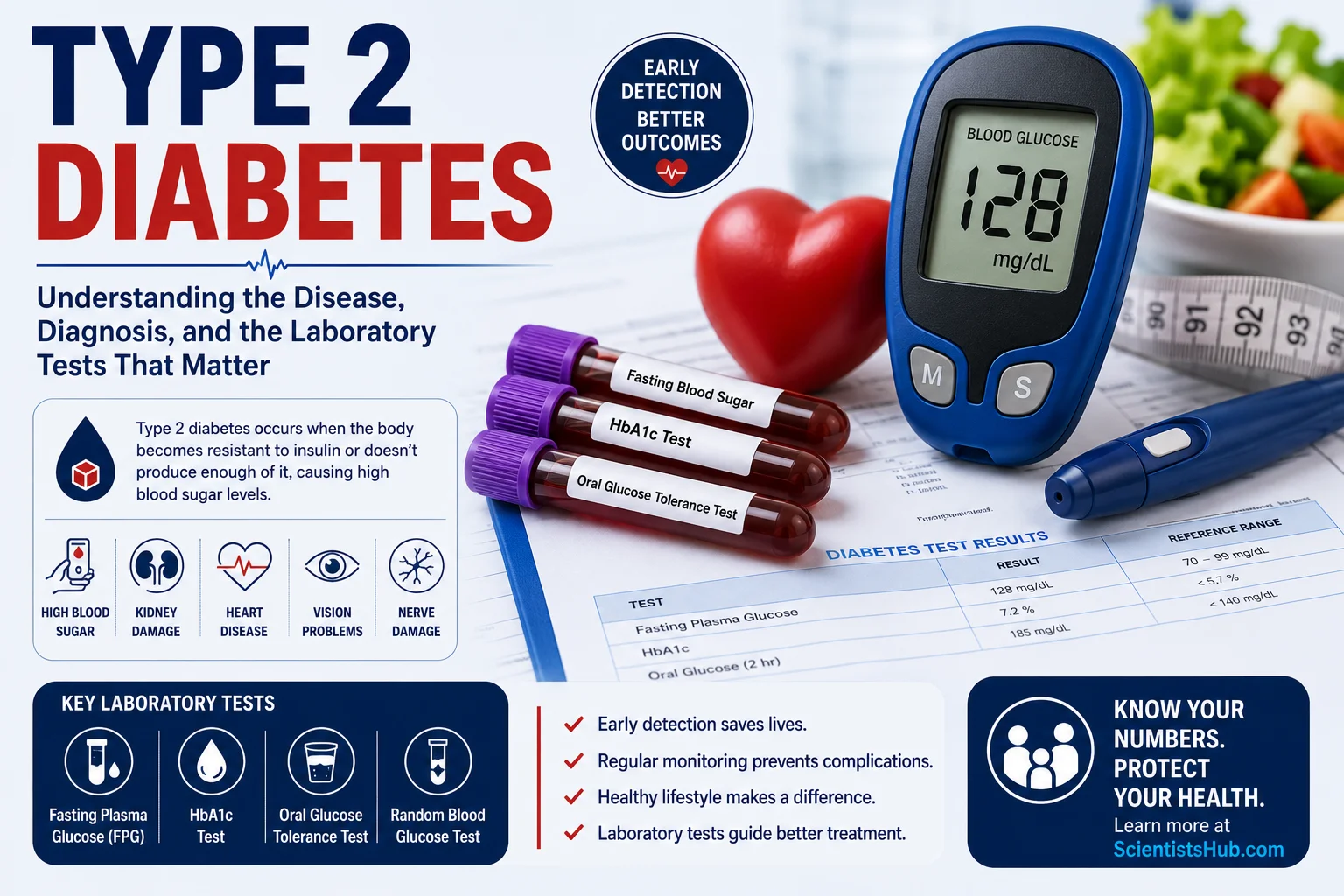
What Is Type 2 Diabetes?
Type 2 diabetes is a chronic metabolic disorder in which the body becomes resistant to insulin or is unable to produce enough insulin to maintain normal blood glucose levels.
Insulin is a hormone produced by the pancreas that allows glucose from food to enter the body's cells, where it is used for energy. When insulin does not work effectively, glucose remains in the bloodstream instead of entering cells. Over time, persistently elevated blood glucose levels damage multiple organs and increase the risk of serious health complications.
Although Type 2 diabetes is more common in adults, it is increasingly being diagnosed in younger adults and adolescents due to rising rates of obesity, physical inactivity, and unhealthy dietary habits.
Risk Factors for Type 2 Diabetes
Several factors increase the likelihood of developing Type 2 diabetes. Common risk factors include:
Overweight or obesity
Physical inactivity
Family history of diabetes
Age over 45 years
High blood pressure
High cholesterol levels
Previous gestational diabetes
Smoking
Having one or more risk factors does not necessarily mean someone will develop diabetes, but it increases the importance of regular health screening.
Common Symptoms
Many people with Type 2 diabetes experience few or no symptoms during the early stages, but when symptoms occur, they may include:
Frequent urination
Excessive thirst
Increased hunger
Unexplained weight loss
Persistent fatigue
Blurred vision
Slow-healing wounds
Frequent infections
Tingling or numbness in the hands and feet
Because these symptoms often develop gradually, many individuals remain undiagnosed until routine laboratory testing identifies abnormal blood glucose levels.
Laboratory Tests Used to Diagnose Type 2 Diabetes
Medical laboratories play a central role in the diagnosis and monitoring of Type 2 diabetes. Several laboratory tests help healthcare professionals determine whether blood glucose regulation is normal.
Fasting Plasma Glucose (FPG)
The fasting plasma glucose test measures blood glucose levels after at least eight hours without eating.
Persistently elevated fasting glucose levels may indicate diabetes or prediabetes.
HbA1c Test
The HbA1c (glycated haemoglobin) test measures the average blood glucose level over approximately the previous two to three months.
Unlike a single blood glucose measurement, HbA1c provides a broader picture of long-term glucose control and is widely used for both diagnosis and monitoring.
Because it reflects average blood sugar rather than daily fluctuations, HbA1c has become one of the most valuable laboratory tests in diabetes care.
Oral Glucose Tolerance Test (OGTT)
The oral glucose tolerance test evaluates how effectively the body processes glucose.
After measuring fasting blood glucose, the individual drinks a glucose solution, and blood glucose levels are measured again after a specified period.
This test is particularly useful when diabetes is suspected but other results are inconclusive.
Random Blood Glucose Test
A random blood glucose test measures glucose levels at any time of the day regardless of when the individual last ate.
When combined with classic symptoms of diabetes, significantly elevated random glucose levels may support a diagnosis.
Monitoring Diabetes Beyond Diagnosis
Diagnosing diabetes is only the beginning. Regular laboratory monitoring helps healthcare professionals assess disease control and identify complications early.
Common monitoring tests include:
HbA1c
Urine albumin-to-creatinine ratio
Liver function tests
Blood pressure assessment
Routine monitoring enables timely treatment adjustments and helps reduce the risk of complications.
Why Early Diagnosis Matters
Uncontrolled Type 2 diabetes affects nearly every organ system. Potential complications include:
Heart disease
Stroke
Vision loss
Peripheral nerve damage
Foot ulcers
Increased risk of infection
Early diagnosis through laboratory testing allows treatment to begin before irreversible damage occurs.
For many people, improvements in diet, increased physical activity, weight management, and appropriate medication can significantly improve blood glucose control and reduce long-term health risks.
The Role of Medical Laboratories
Medical laboratory professionals ensure that diabetes testing is accurate, reliable, and clinically meaningful.
Through quality-controlled analytical procedures, proper specimen handling, and standardized testing protocols, laboratories provide healthcare professionals with dependable results that guide diagnosis and treatment.
Without laboratory medicine, detecting diabetes during its early stages would be far more challenging.
Preventing Type 2 Diabetes
Although genetics influence diabetes risk, many cases can be prevented or delayed. Evidence suggests that healthy lifestyle choices can significantly reduce the likelihood of developing Type 2 diabetes.
These include:
Maintaining a healthy body weight
Engaging in regular physical activity
Eating a balanced diet rich in whole grains, fruits, vegetables, and lean protein
Reducing consumption of sugary beverages and highly processed foods
Attending routine health screenings, particularly for individuals at increased risk
Even modest lifestyle changes can have a meaningful impact on long-term health.
Conclusion
Type 2 diabetes is a common but potentially preventable chronic disease that often develops silently. Because symptoms may not appear until complications begin to develop, laboratory testing plays a crucial role in early detection, diagnosis, and ongoing monitoring.
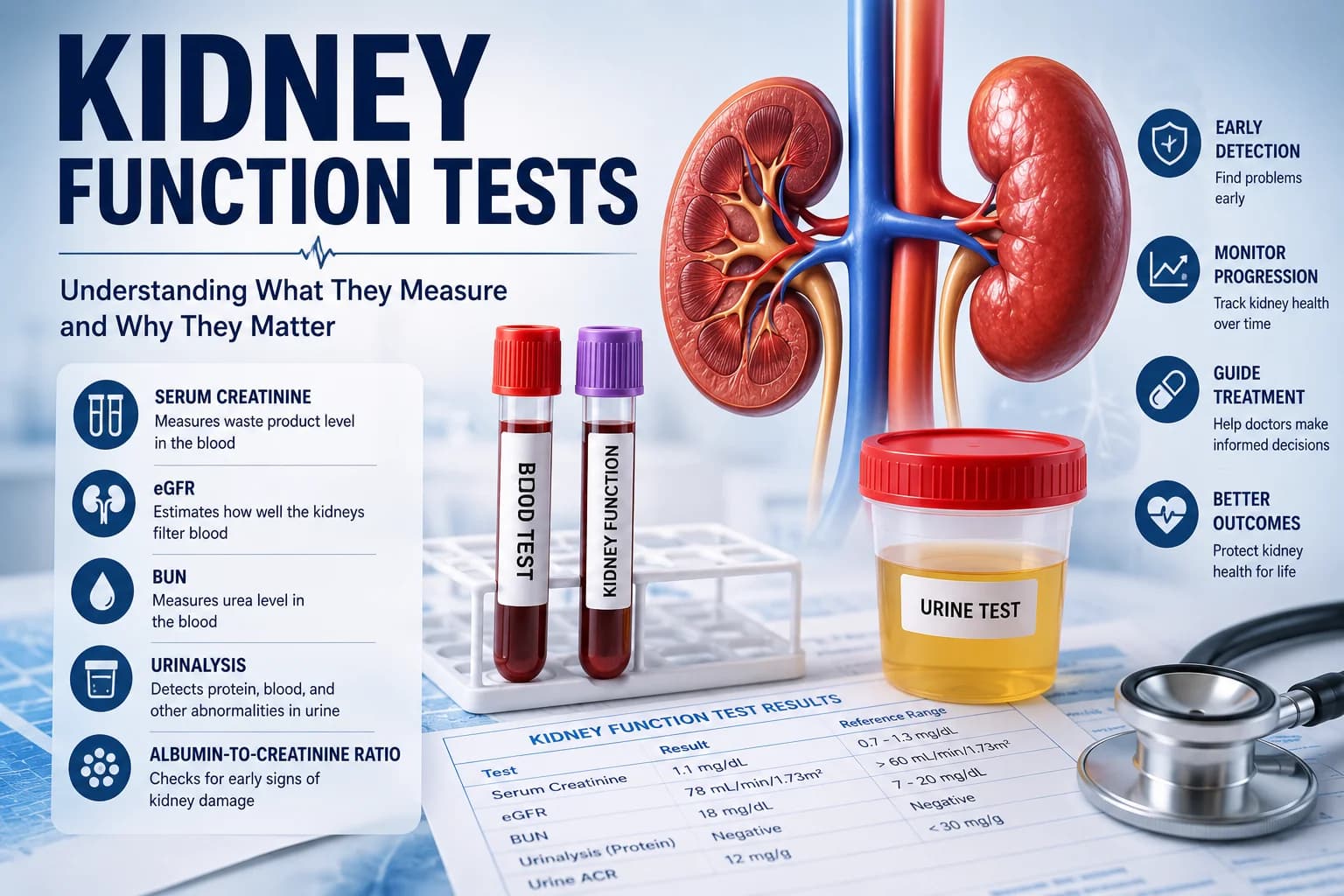
Tests such as fasting plasma glucose, HbA1c, oral glucose tolerance testing, and kidney function assessments provide valuable information that helps healthcare professionals guide treatment and prevent complications.
By understanding the importance of diabetes screening and routine laboratory monitoring, individuals can take proactive steps to protect their health and improve their quality of life.



Discussion