
Health & Biology
Repurposing Medicines: When Old Drugs Find New Routes
Drug repurposing is reshaping medicine. Discover how changing a drug's route of administration — not the molecule itself — can unlock new therapeutic potential.
Showing results for: "drugs find" (74 results)
Drug repurposing is reshaping medicine. Discover how changing a drug's route of administration — not the molecule itself — can unlock new therapeutic potential.

Natural polysaccharides like locust bean gum and chitosan are replacing lactose as safer, more effective carriers for inhaled medications and vaccines.
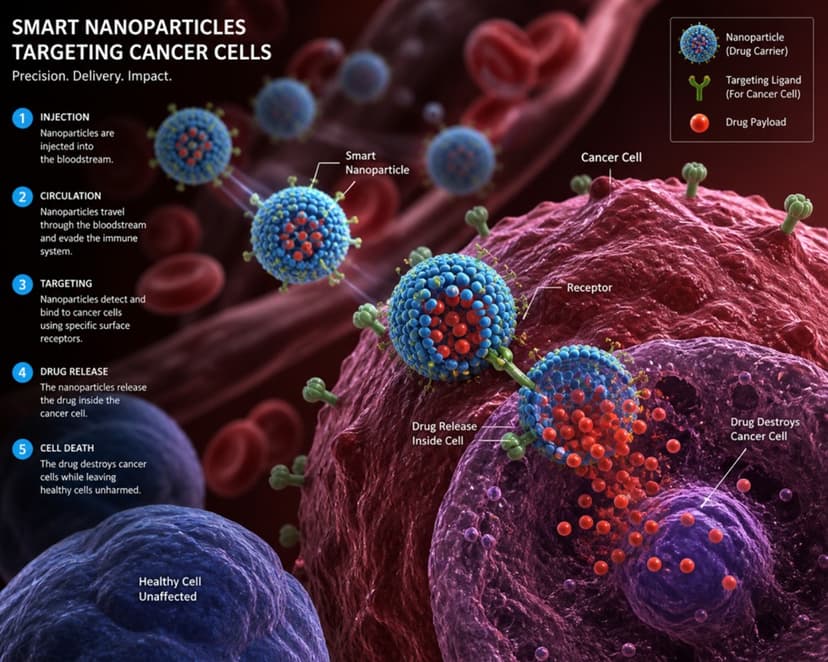
Smart nanoparticles are an exciting step forward in modern medicine especially nanomedicine. They help doctors be more precise in cancer treatment.
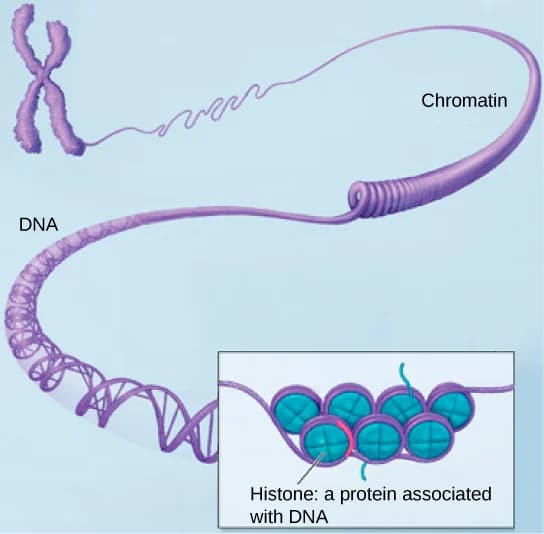
Epigenetics is transforming how scientists understand the bridge between genes and behavior, opening the door to a new era of mental health treatment.
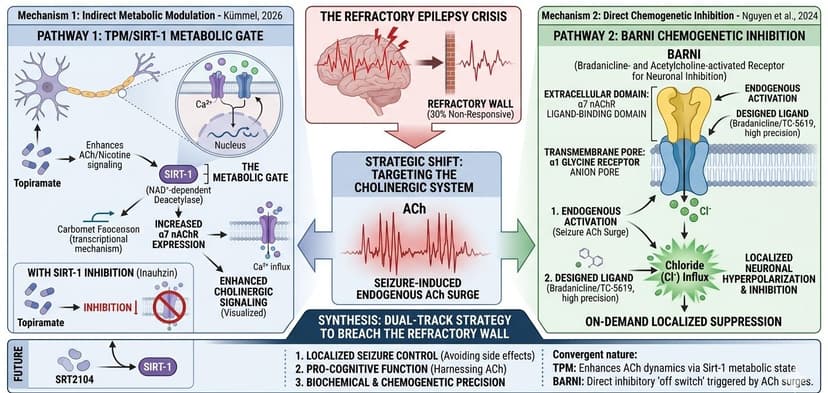
The current trajectory of epilepsy management has encountered a formidable "refractory wall." Despite the accelerated expansion of the neuropharmacological pharmacopeia,

This article aims to demystify the anatomy of a clinical trial protocol, peeling back the technical layers to reveal how scientific rigor is converted into medical progress. At ScientistsHub, we often ask: How do we ensure that a medical breakthrough is not just a stroke of luck, but a repeatable, verifiable victory for human health? The answer is found in the design. To truly appreciate the result of any trial, one must first master the architecture of the inquiry.
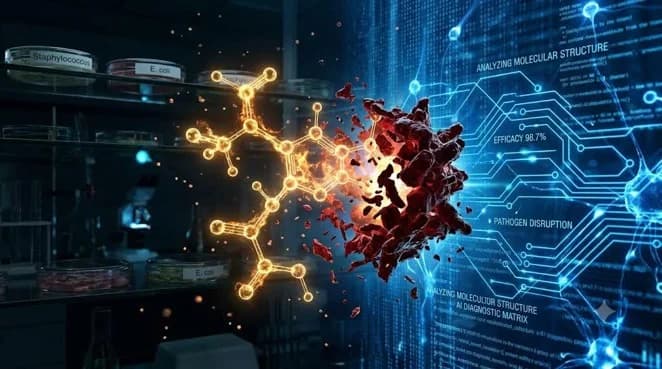
Antibiotic resistance could kill 10 million annually by 2050. Discover how AI found Halicin, a molecule that kills superbugs humans couldn't defeat.
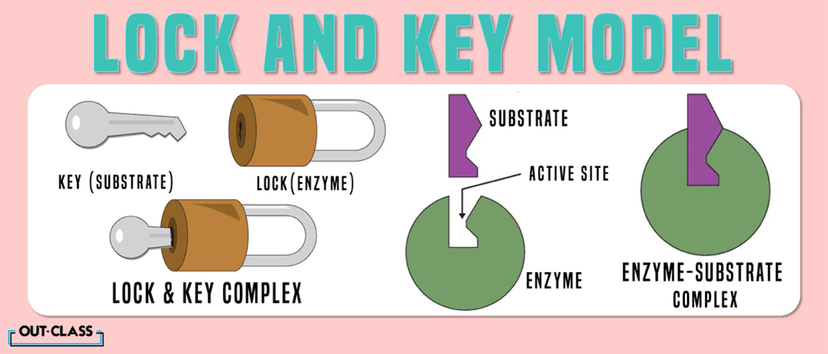
Tuberculosis (TB) remains one of the world's deadliest infectious diseases, claiming over a million lives each year. TB is the deadliest infectious disease known today, claiming more lives than COVID-19. TB is caused by the bacterium Mycobacterium tuberculosis. TB spreads through the air when infected people breathe, cough, sneeze,
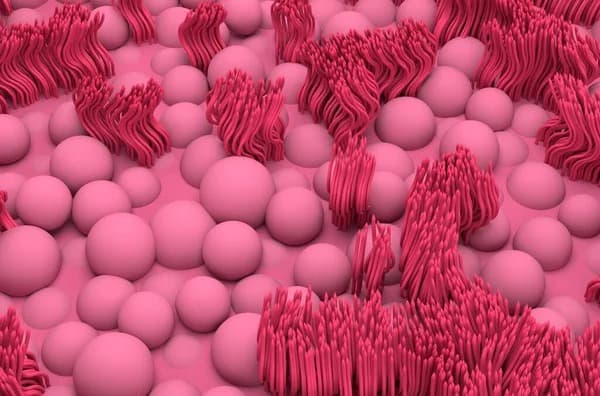
Why is mucus the biggest obstacle to lung drug delivery? Explore the mucosal barrier science reshaping how we design inhaled medicines and vaccines.
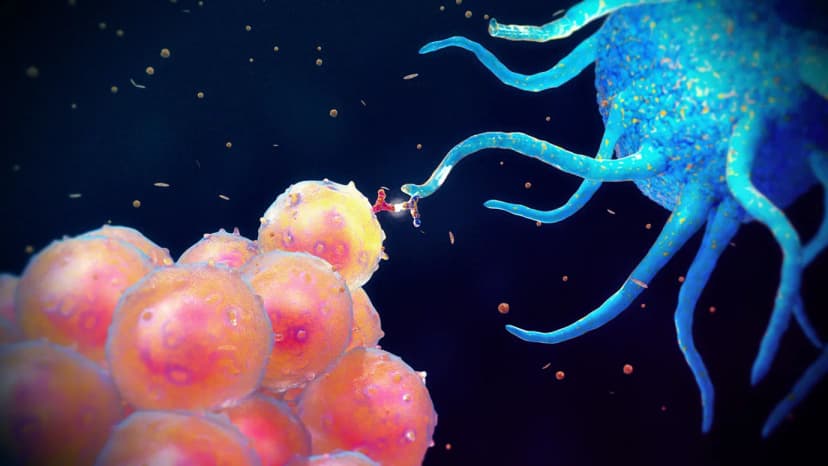
Discover how antigen-presenting cells like dendritic cells and macrophages are being recruited through smart particle design for vaccines and immunotherapy.
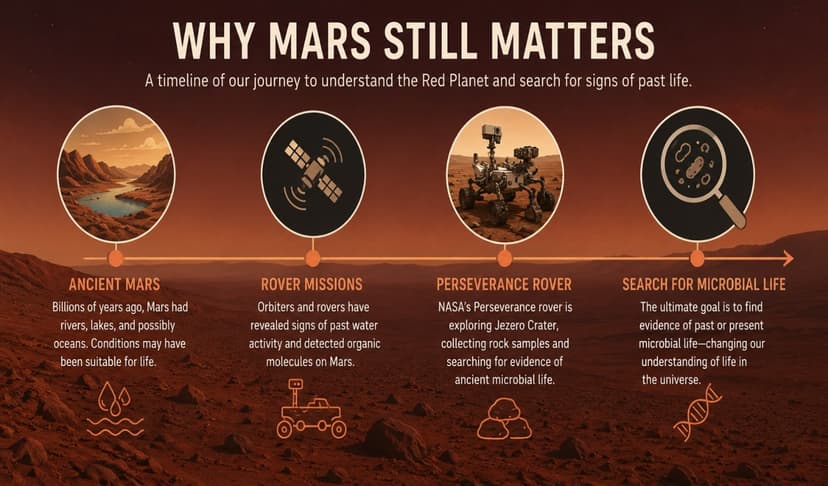
Scientists are closer than ever to detecting life beyond Earth. From Mars to distant exoplanets, modern astronomy is transforming the search for alien life.

Today, generalized anxiety disorder is affecting millions of Americans. The disorder usually traps the sufferers in cycles of fear and isolation in a way that even standard treatments cannot relieve completely. UCSF neuroscientist Jennifer Mitchell, PhD, is testing a surprising brand-new approach that can ease symptoms of generalized anxiety disorder by reshaping how the brain thinks and feels.
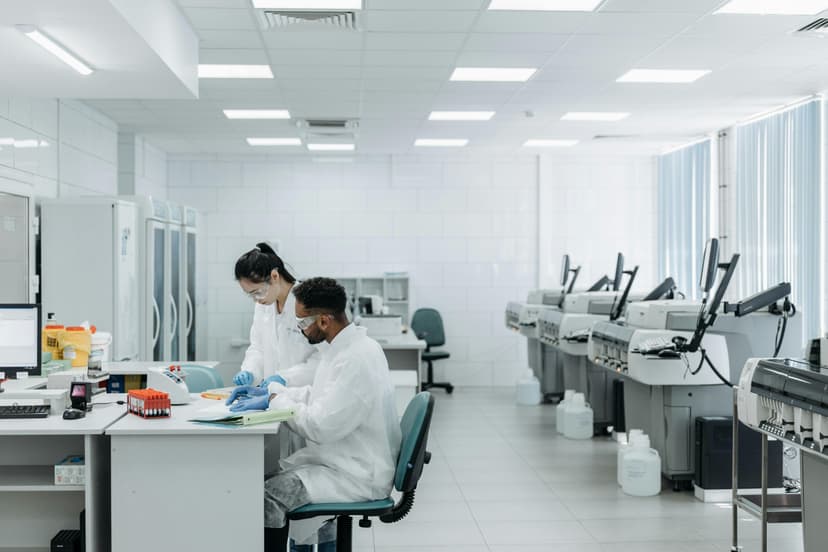
This article will unlock that box, exploring the crucial process of translating complex clinical trial evidence into clear, understandable information for everyone. We'll journey from the surprising origins of clinical trials to the modern-day push for transparency, and discover why making science accessible is not just a convenience, but a necessity for public trust and informed health decisions.

According to a study, sleeping in a dark room works wonders for your heart. During sleep, ambient light can put stress on the brain that causes arterial inflammation, which may again lead to a stroke or heart attack. Let us delve into and explore the study further.
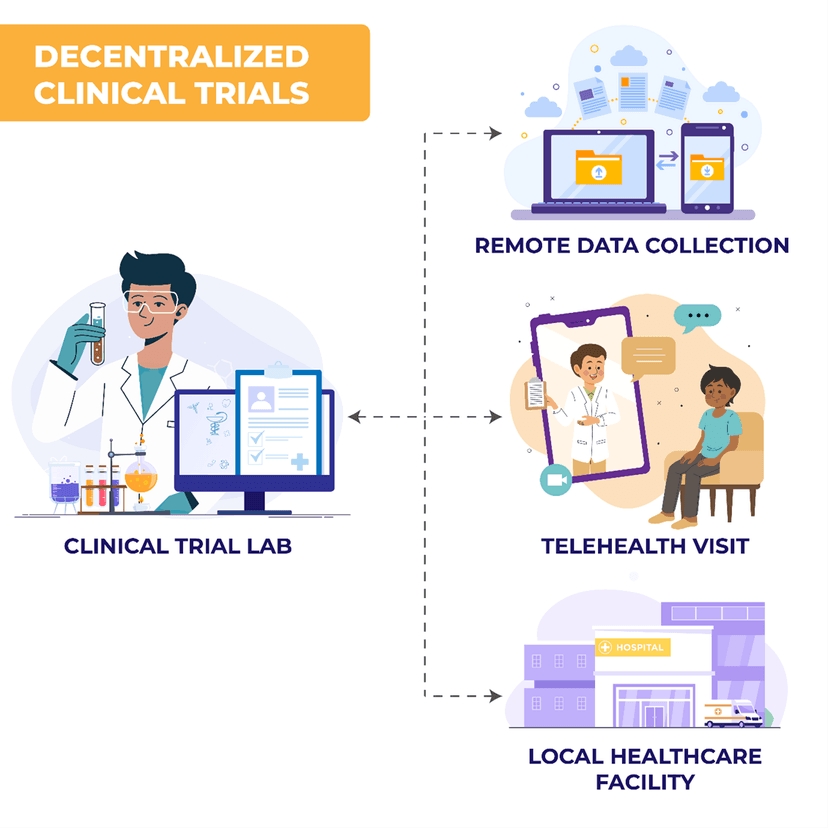
(DCTs) are redefining how pharmaceutical studies are designed, conducted, and analyzed by moving away from traditional site-centric models toward patient-centric, digitally enabled trial ecosystems.
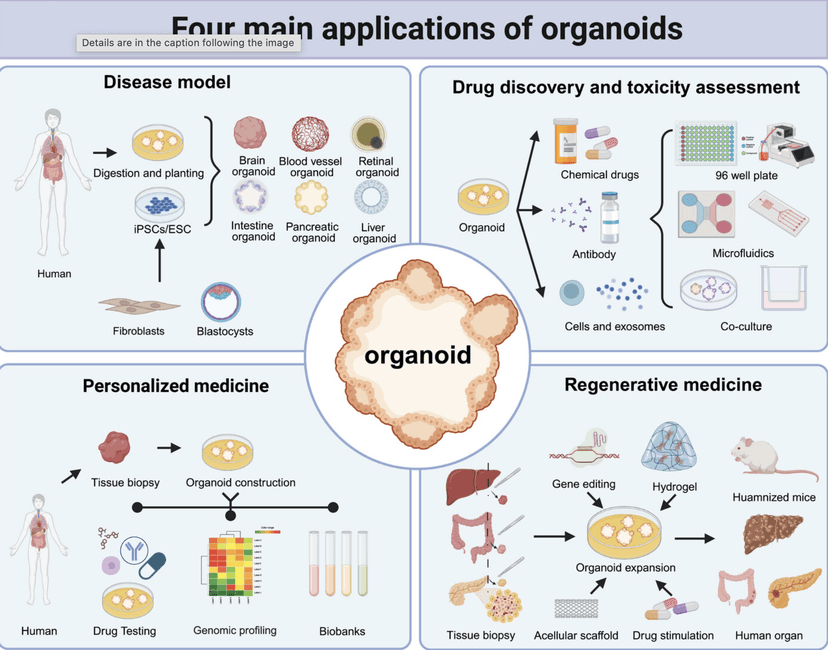
Animal models have traditionally served as the cornerstone of drug safety evaluation; however, major translational challenges persist due to interspecies differences in physiology, metabolism, and genetic regulation. Many compounds demonstrating favorable toxicity profiles in animals later fail during human trials or are withdrawn post-marketing due to unforeseen adverse effects, especially hepatotoxicity and cardiotoxicity (Lee et al., 2025).
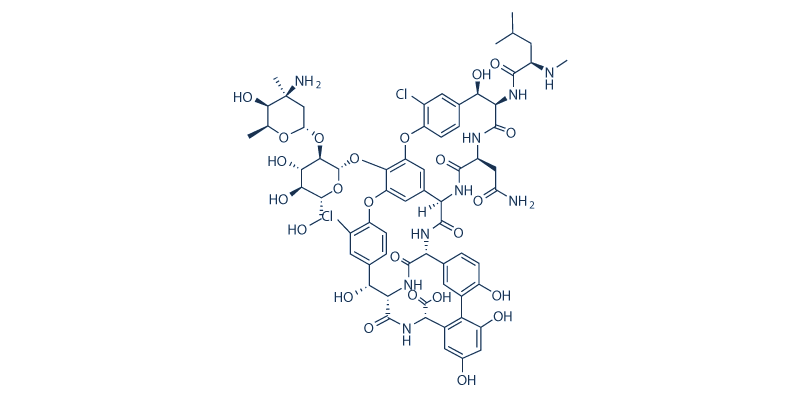
Vancomycin is an essential glycopeptide antibiotic used to treat life-threatening infections caused by Gram-positive bacteria, particularly Methicillin-Resistant Staphylococcus aureus (MRSA). It functions by inhibiting bacterial cell-wall synthesis and is still the most potent drug to be used when others fail (Patel, Preuss, & Bernice, 2023).

How a 150-year-old food industry technique became essential for creating stable biologics and inhaled medicines, transforming liquid drugs into life-saving powders.
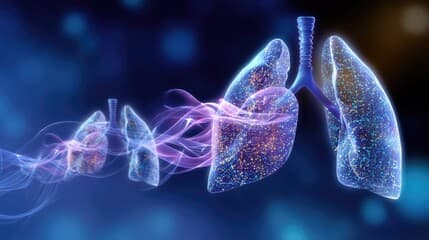
Too big, it hits your throat. Too small, you exhale it. The sweet spot delivers drugs exactly where they're needed.
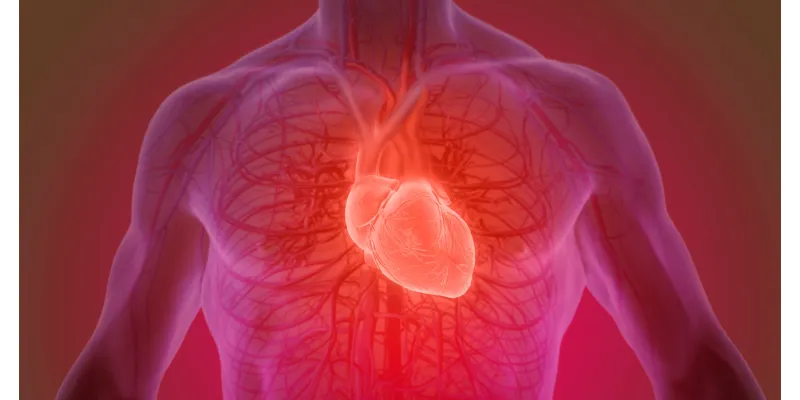
From innovative methods for cancer treatment to understanding the complexities of the human gut biome, these discoveries not only enhance our comprehension of the world but also lay the foundation for future groundbreaking advancements.