Nicolás Mario Lisnovsky

Nicolás Mario Lisnovsky

Writer

Science Writer & Researcher

CABA, Argentina

About

Nicolás Mario Lisnovsky is a fourth-year Biology student at the University of Buenos Aires (UBA), Argentina. He is currently working as a research trainee at CONICET. During his academic training, he has carried out research activities in different laboratories at UBA, including InMiBo and INQUIMAE. In parallel, he has actively participated in several science outreach initiatives, such as public workshops and demonstration stands. His main scientific interests focus on molecular engineering and synthetic biology. He is also strongly motivated by science communication as a way to highlight the value of science in society.

Work & Experience

RoleContributor Writer
OrganizationScientistsHub
Overall Experience2 Year

Articles

14

Published articles

Published Articles

14 articles
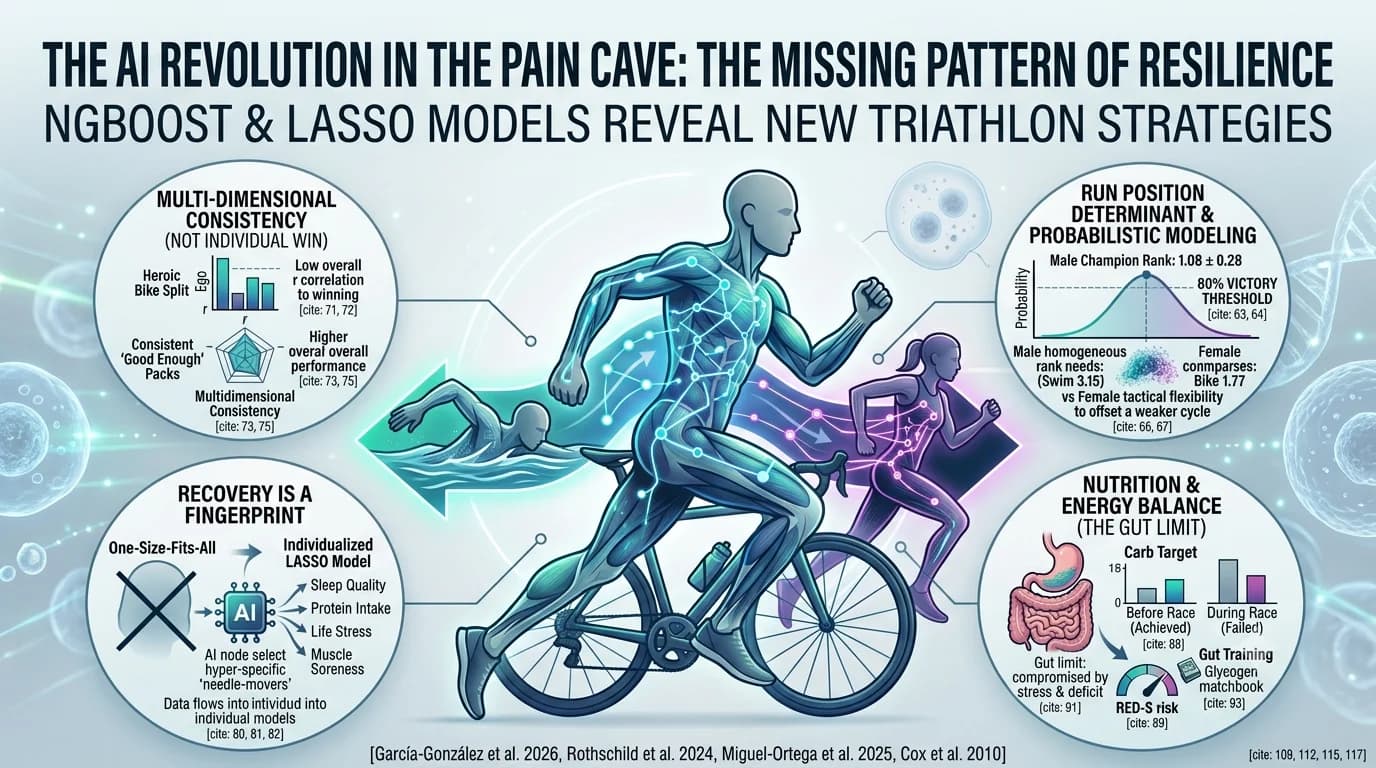
The AI Revolution in the Pain Cave

The AI Revolution in the Pain Cave

In elite triathlon, the swim and bike segments are often viewed as the "decisive" moments. However, the data reveals a f

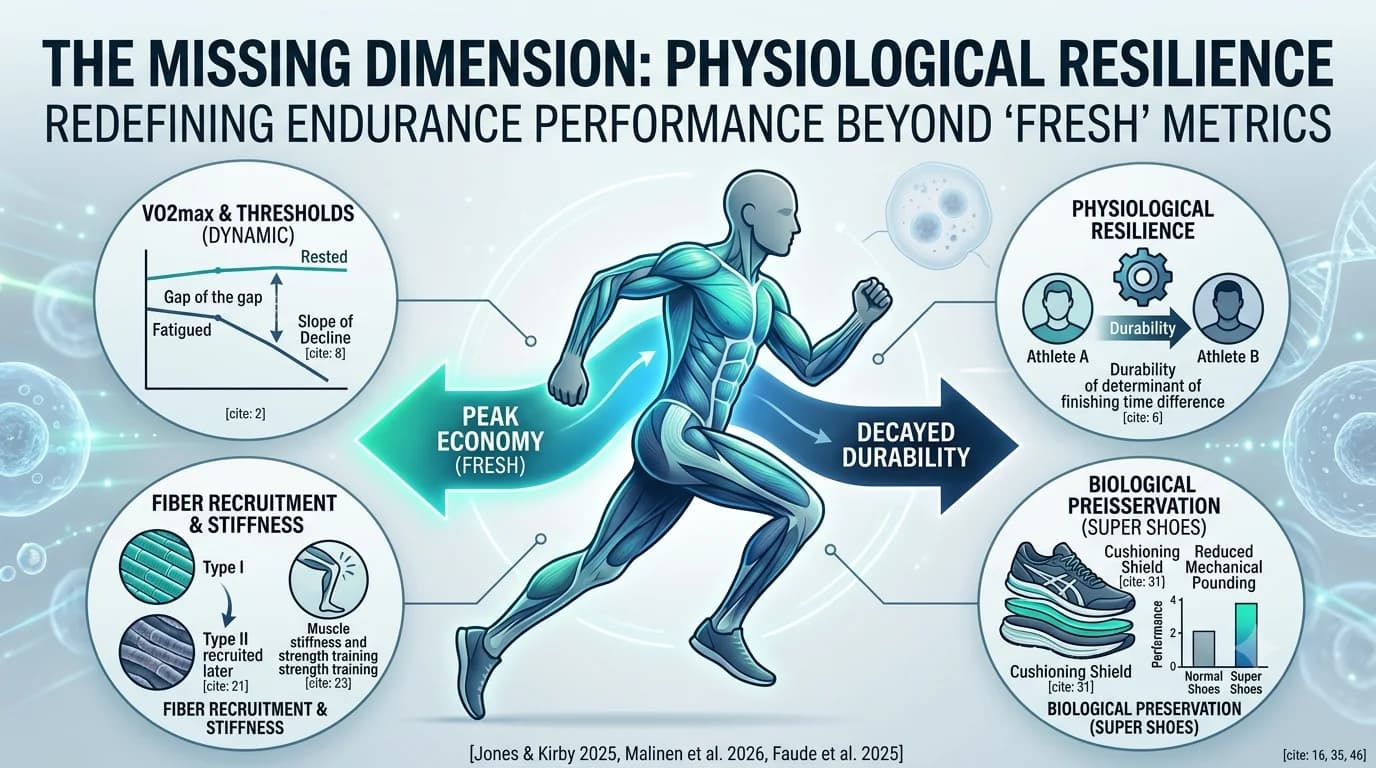
The Fourth Dimension of Human Speed

The Fourth Dimension of Human Speed

We have all witnessed the physiological "decoupling" that occurs late in a race, where at mile 20 of a marathon, a pace

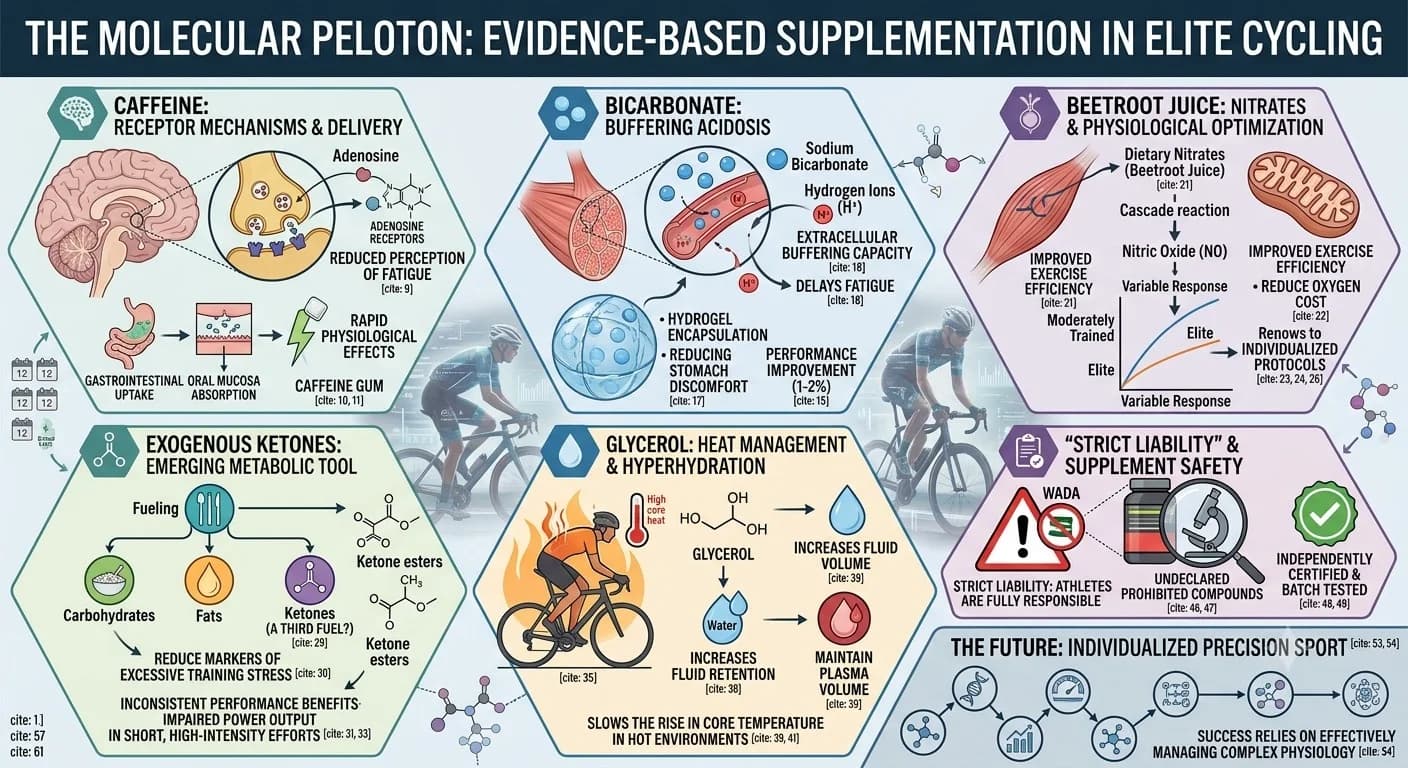
The Molecular Peloton: Evidence-Based Supplementation and the Ergogenic Windows of Elite Performance

The Molecular Peloton: Evidence-Based Supplementation and the Ergogenic Windows of Elite Performance

Professional cycling is a sport defined by marginal gains. At the highest levels of competition, the difference between

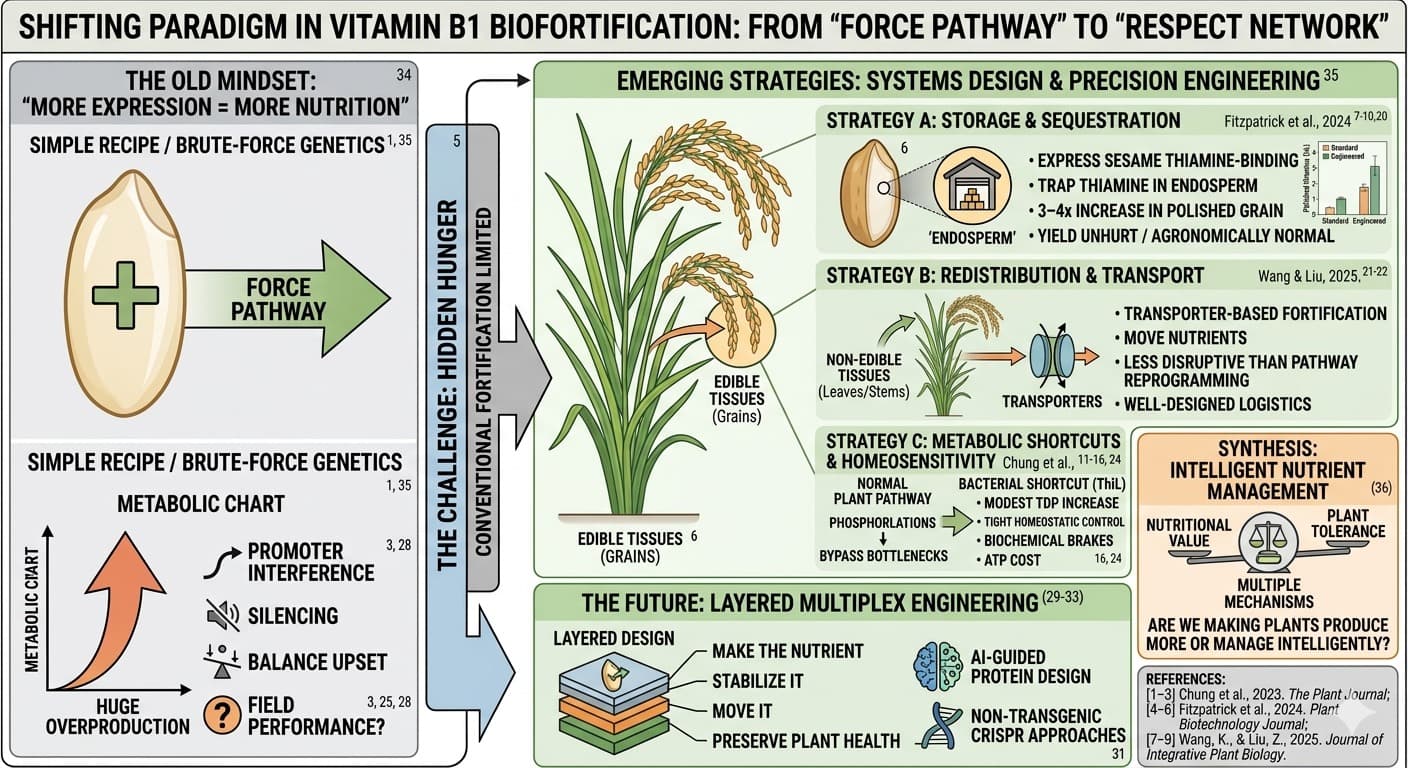
The Vitamin B1 Puzzle: Why Smarter Nutrient Routing May Outperform Traditional Biofortification

The Vitamin B1 Puzzle: Why Smarter Nutrient Routing May Outperform Traditional Biofortification

article discusses how plant synthetic biology is reshaping biofortification strategies, particularly through approaches

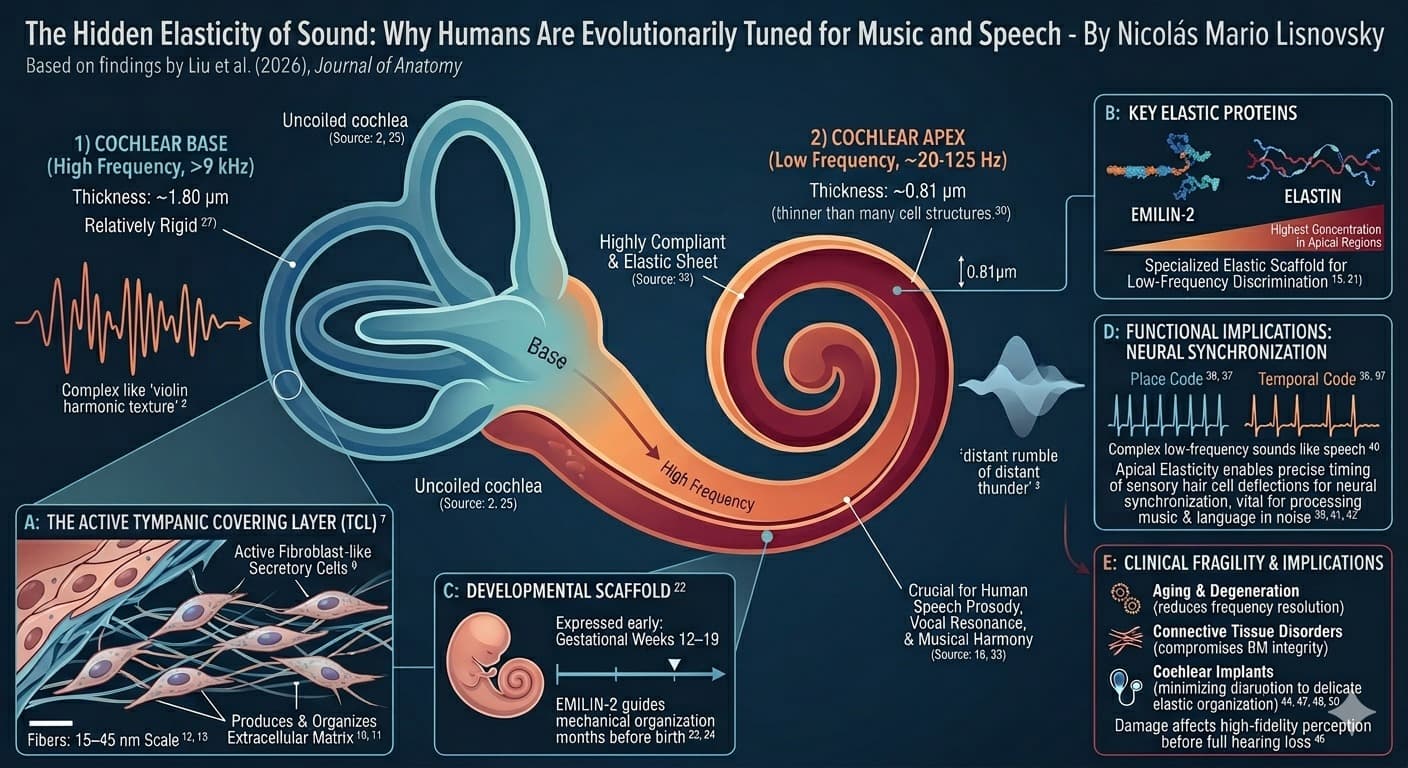
The Hidden Elasticity of Sound: Why Humans Are Evolutionarily Tuned for Music and Speech

The Hidden Elasticity of Sound: Why Humans Are Evolutionarily Tuned for Music and Speech

The human ear is often described as one of the most sophisticated sensory systems in biology. Within a structure no larg

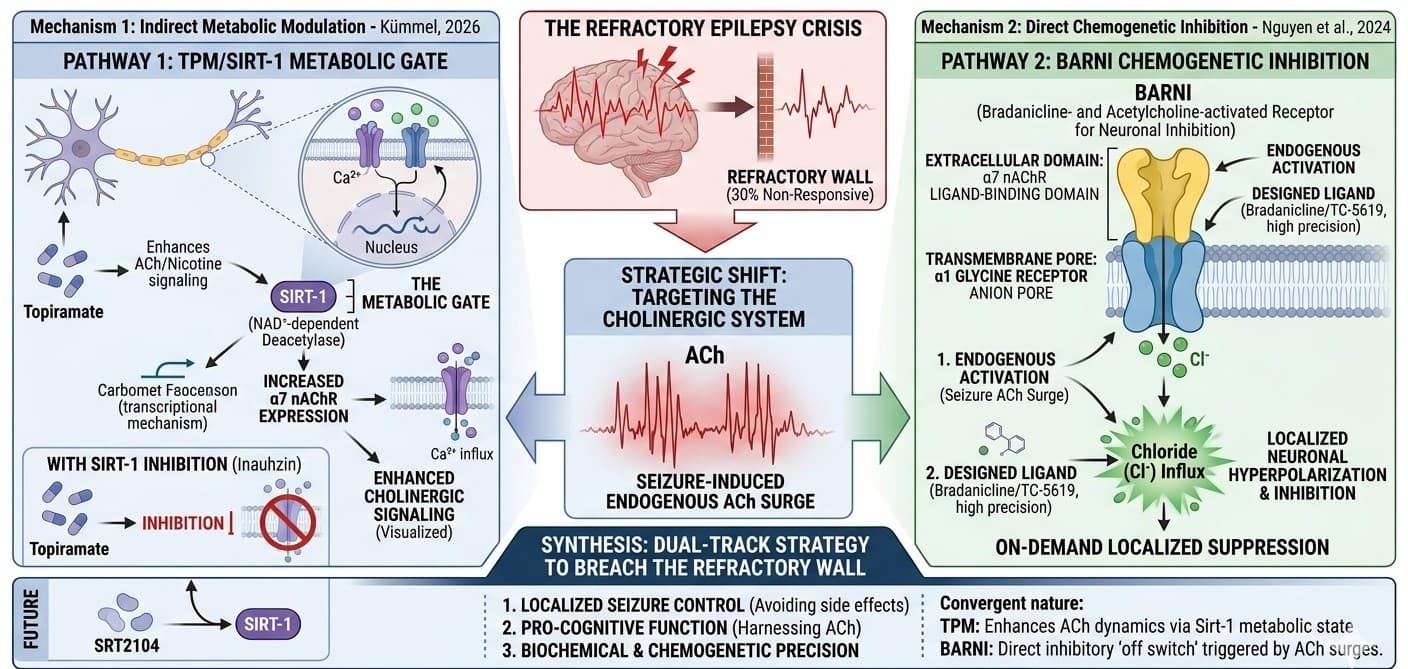
The Cholinergic Revolution: Redefining Antiepileptic Mechanisms through Sirt-1 and Chemogenetic Precision

The Cholinergic Revolution: Redefining Antiepileptic Mechanisms through Sirt-1 and Chemogenetic Precision

The current trajectory of epilepsy management has encountered a formidable "refractory wall." Despite the accelerated ex

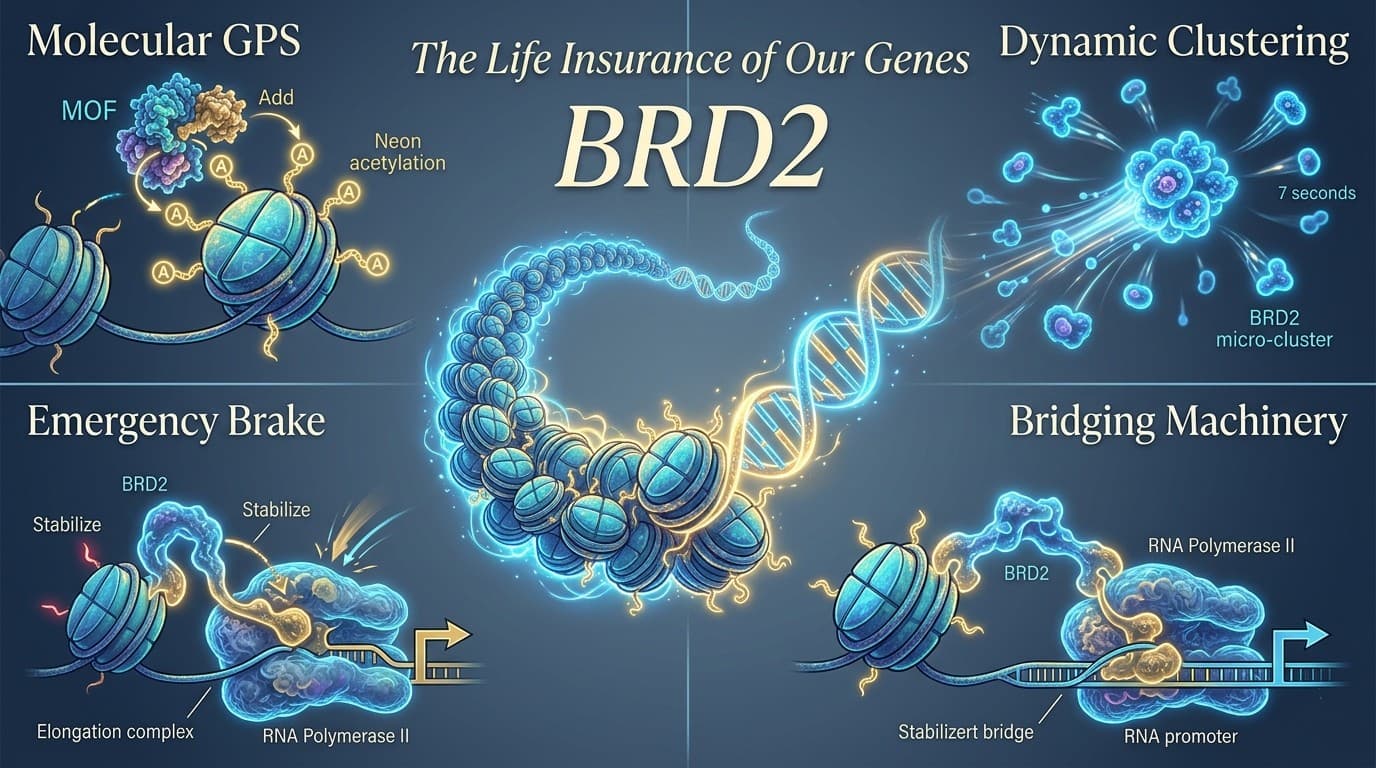
The Life Insurance of Our Genes: How Protein BRD2 and Acetylation Dictate Cellular Rhythm

The Life Insurance of Our Genes: How Protein BRD2 and Acetylation Dictate Cellular Rhythm

Cells can be understood as highly coordinated systems in which DNA functions as a comprehensive but inert blueprint, req

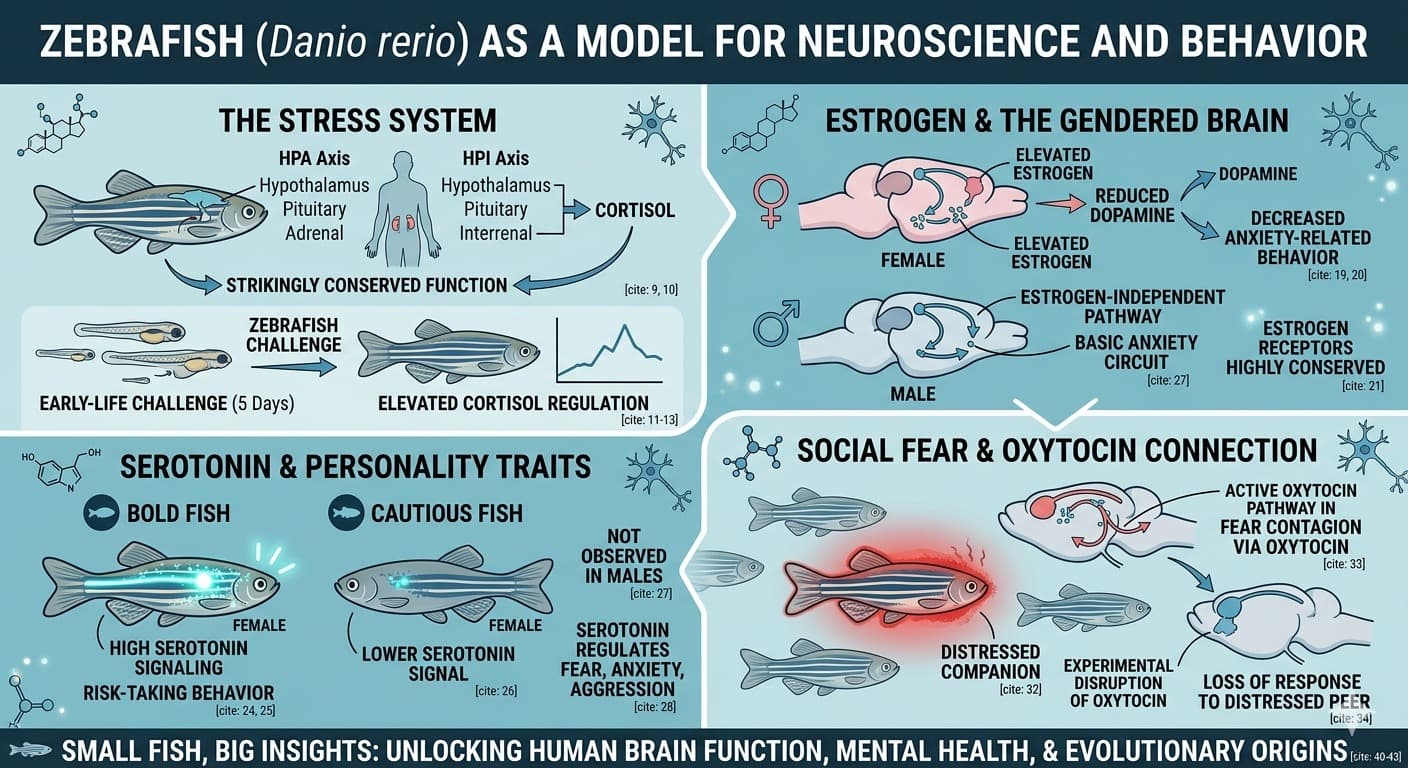
Hormones, Neurons, and Behavior: Lessons from the Zebrafish Brain

Hormones, Neurons, and Behavior: Lessons from the Zebrafish Brain

What if one of the most powerful models for understanding the human brain were less than an inch long, transparent, and

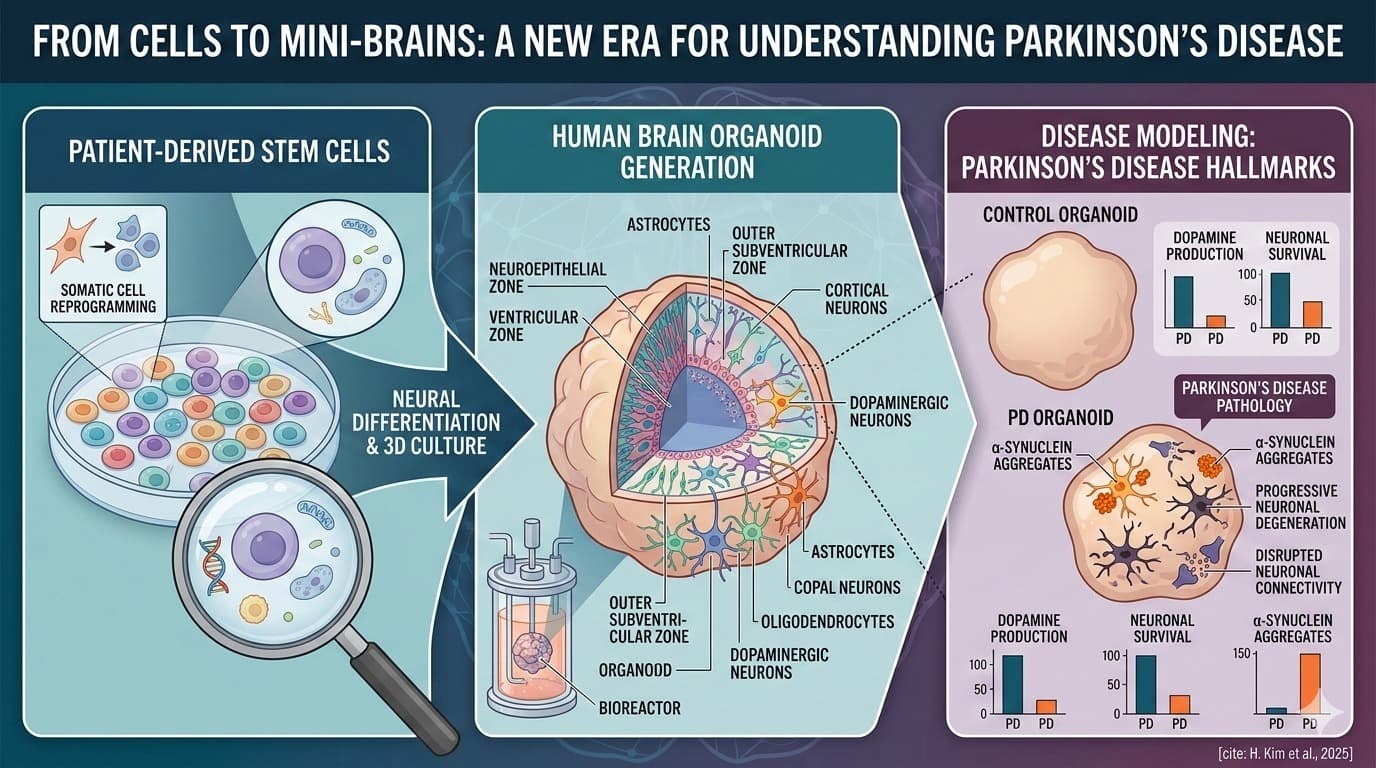
From Cells to Mini-Brains: A New Era for Understanding Parkinson’s Disease

From Cells to Mini-Brains: A New Era for Understanding Parkinson’s Disease

Understanding the human brain remains one of the greatest challenges in modern science. With billions of neurons forming

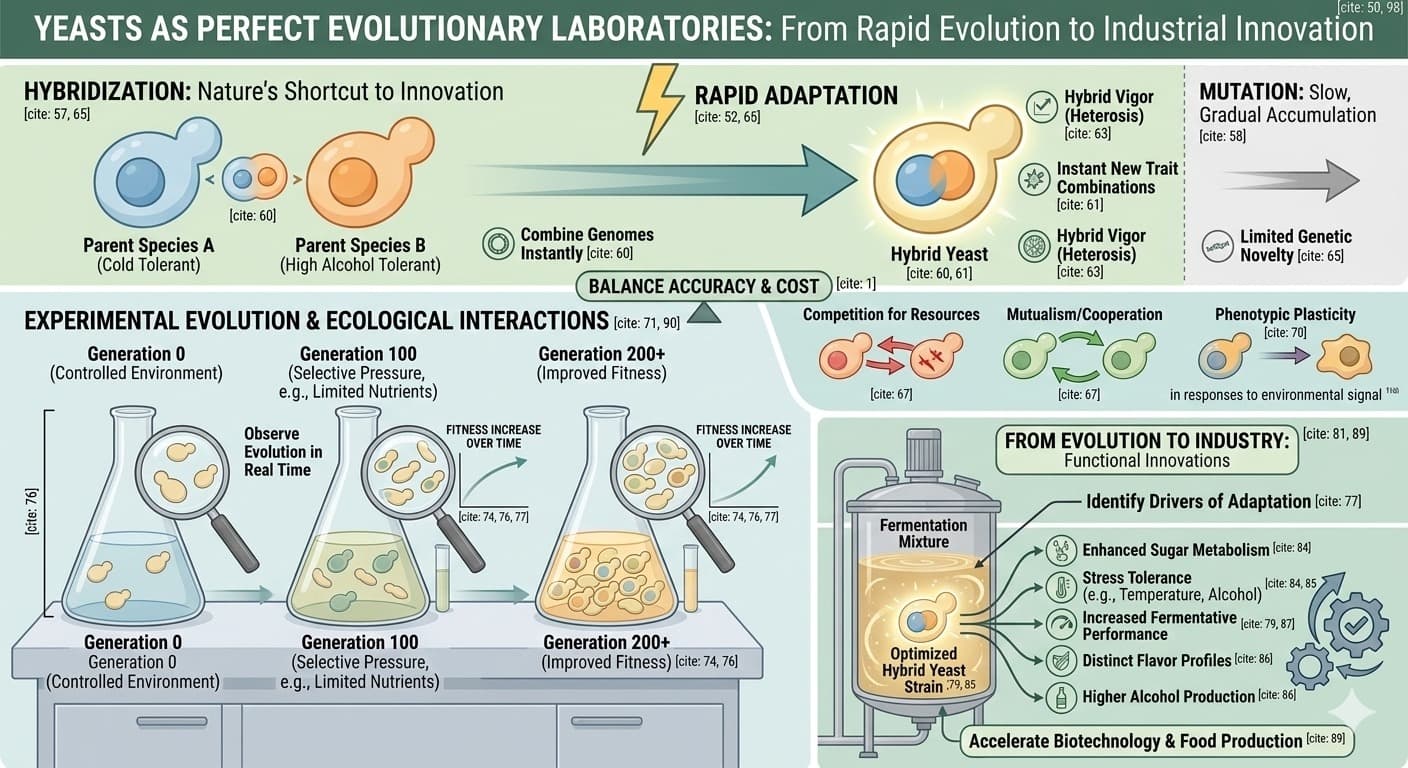
The Power of Hybrid Yeasts: Evolution, Competition, and Fermentation

The Power of Hybrid Yeasts: Evolution, Competition, and Fermentation

Evolution is often imagined as a process that unfolds over millions of years. However, in microorganisms such as yeasts,

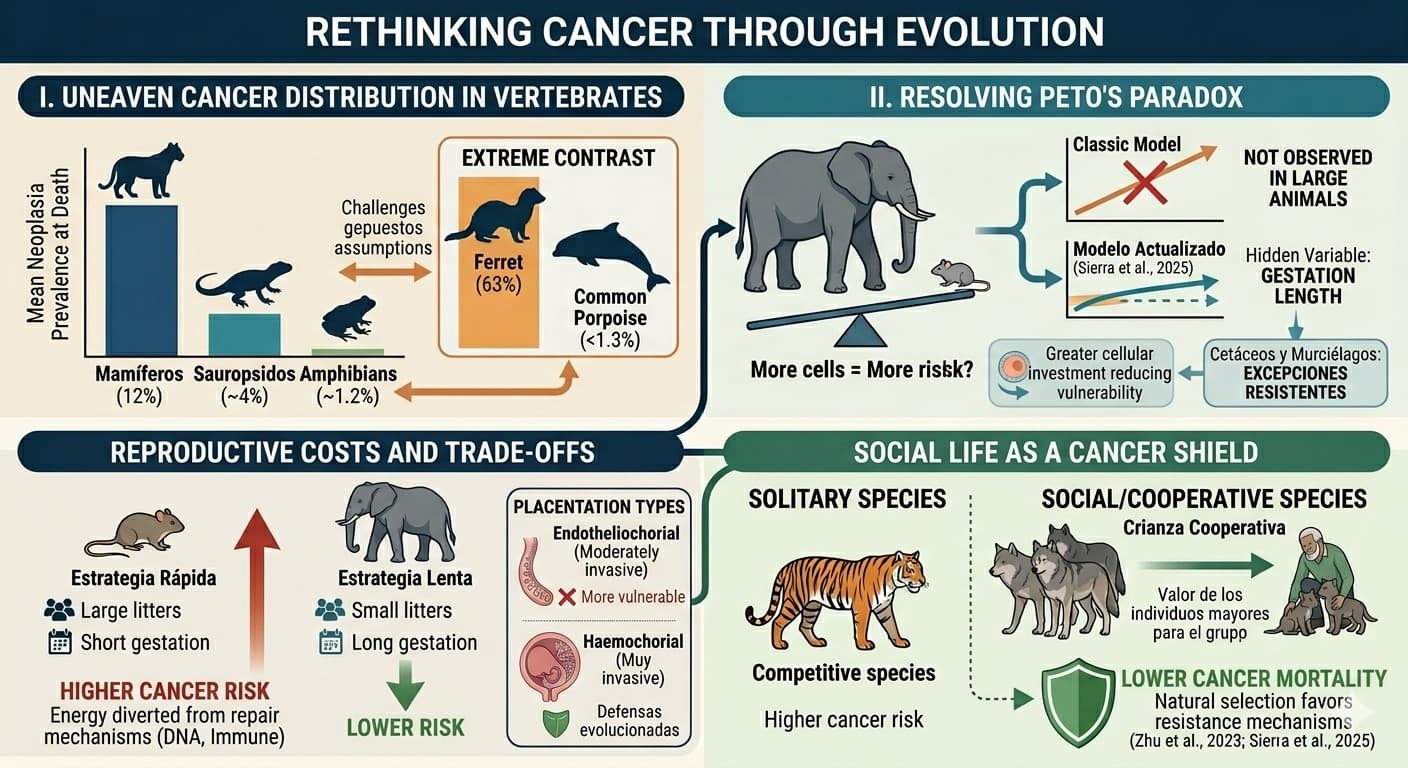
Cancer, Cooperation, and Survival: Rethinking Disease Through Evolution

Cancer, Cooperation, and Survival: Rethinking Disease Through Evolution

In this study, I explore how cancer risk is distributed across the animal kingdom, emphasizing the role of life-history

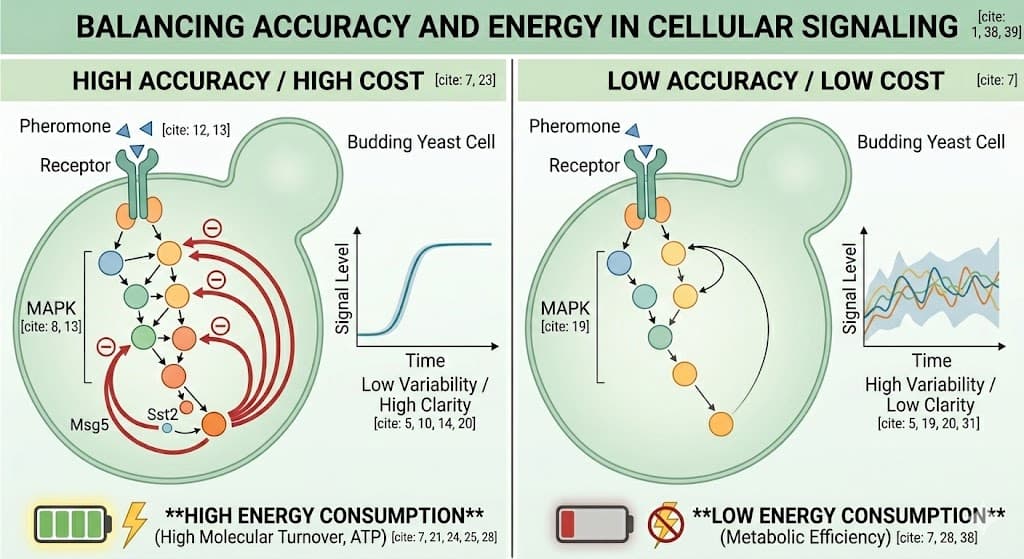
Balancing Accuracy and Energy in Cellular Signalling: How MAPK Cascades Are Optimized for Real Biological Constraints

Balancing Accuracy and Energy in Cellular Signalling: How MAPK Cascades Are Optimized for Real Biological Constraints

Cells constantly sense signals from their environment and convert them into internal actions through biochemical signall

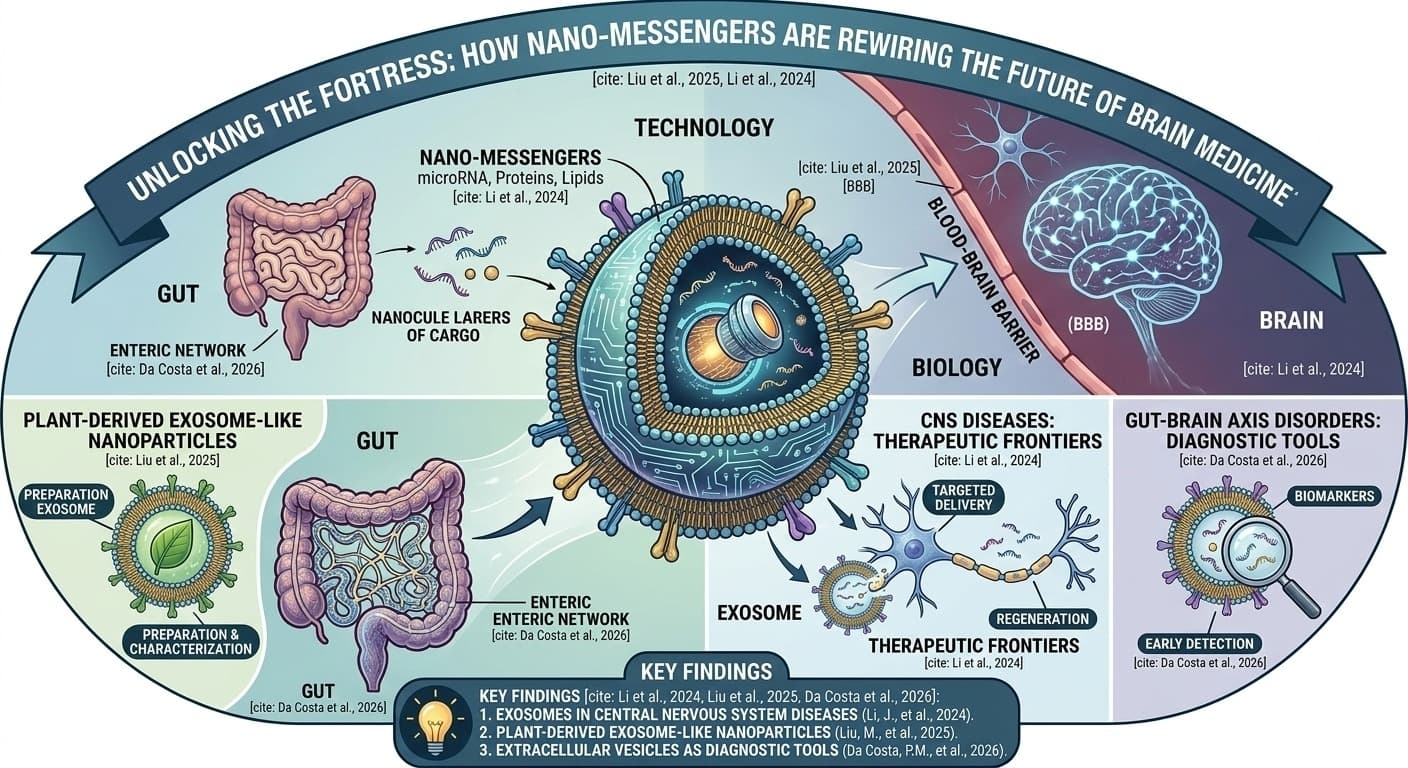
Unlocking the Fortress: How Nano-Messengers are Rewiring the Future of Brain Medicine

Unlocking the Fortress: How Nano-Messengers are Rewiring the Future of Brain Medicine

This architecture is essential for shielding neurons from toxins, pathogens, and fluctuations in the bloodstream, but it

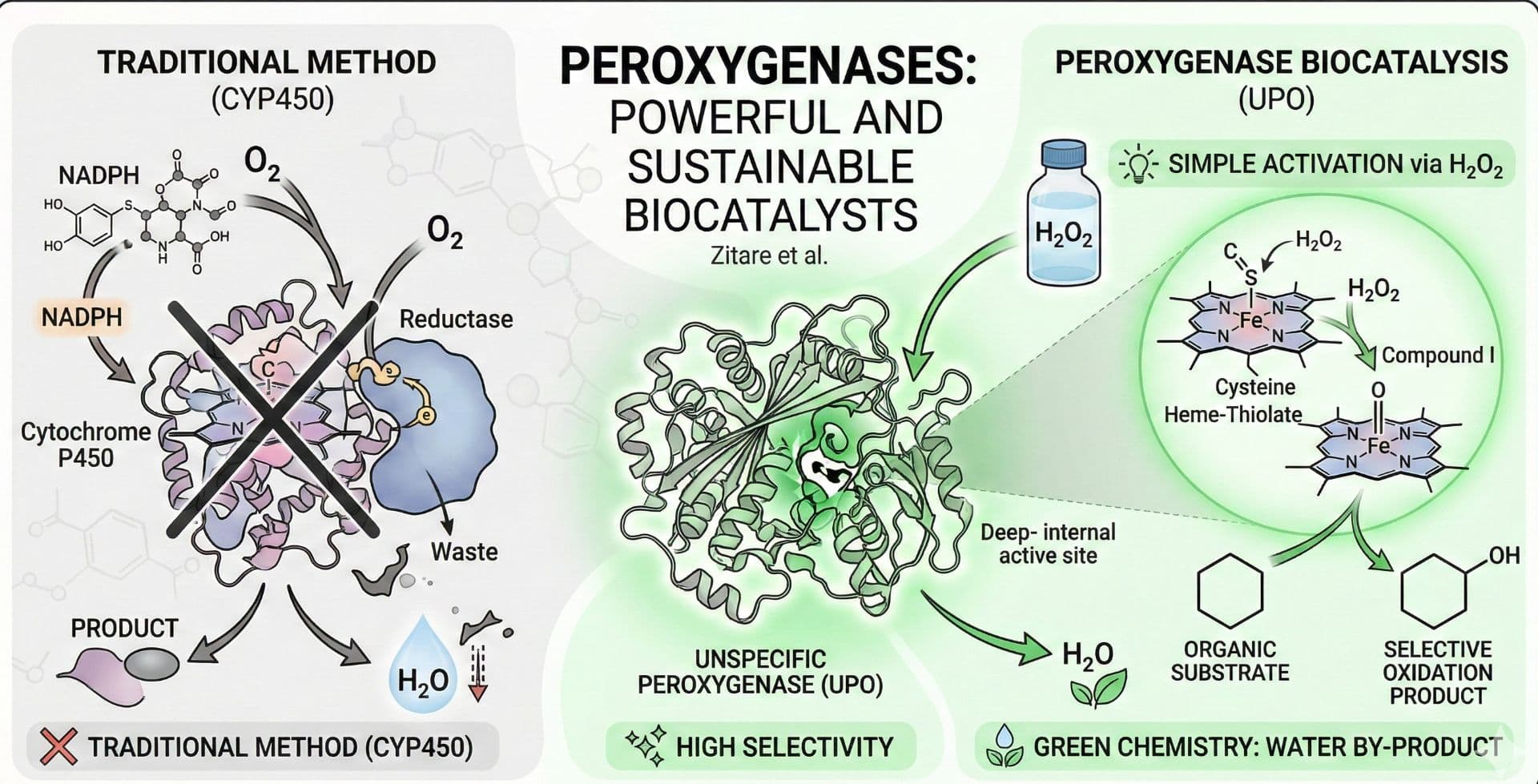
Peroxygenases as powerful and sustainable biocatalysts in modern biochemistry

Peroxygenases as powerful and sustainable biocatalysts in modern biochemistry

Selective oxidation reactions are central to modern biochemistry. They enable the controlled introduction of oxygen into