
Health & Medicine
More than Lactose: Natural Polymers Revolutionizing Inhaled Drug Delivery
Natural polysaccharides like locust bean gum and chitosan are replacing lactose as safer, more effective carriers for inhaled medications and vaccines.
Showing results for: "natural polymers" (72 results)
Natural polysaccharides like locust bean gum and chitosan are replacing lactose as safer, more effective carriers for inhaled medications and vaccines.
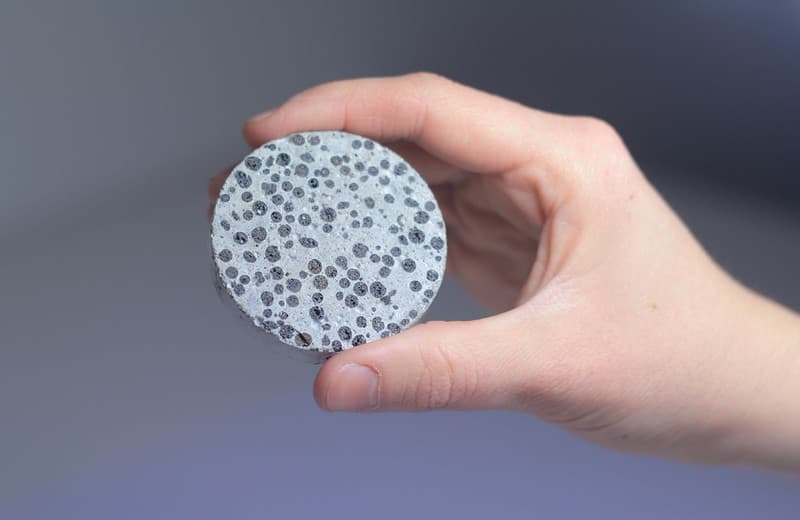
Self-healing materials (SHMs) are substances that automatically repair damage, mimicking organic healing. These materials have a wide range of applications, including construction, biomedicine, transportation, and even textiles. SHMs can extend the longevity of manufactured goods and have numerous uses in medical healing (Crawford, 2024).
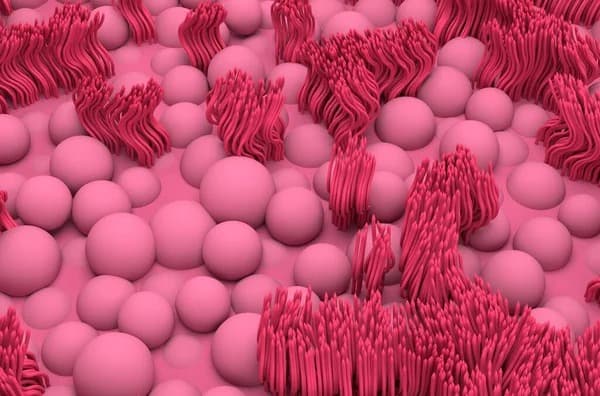
Why is mucus the biggest obstacle to lung drug delivery? Explore the mucosal barrier science reshaping how we design inhaled medicines and vaccines.

Drug repurposing is reshaping medicine. Discover how changing a drug's route of administration — not the molecule itself — can unlock new therapeutic potential.
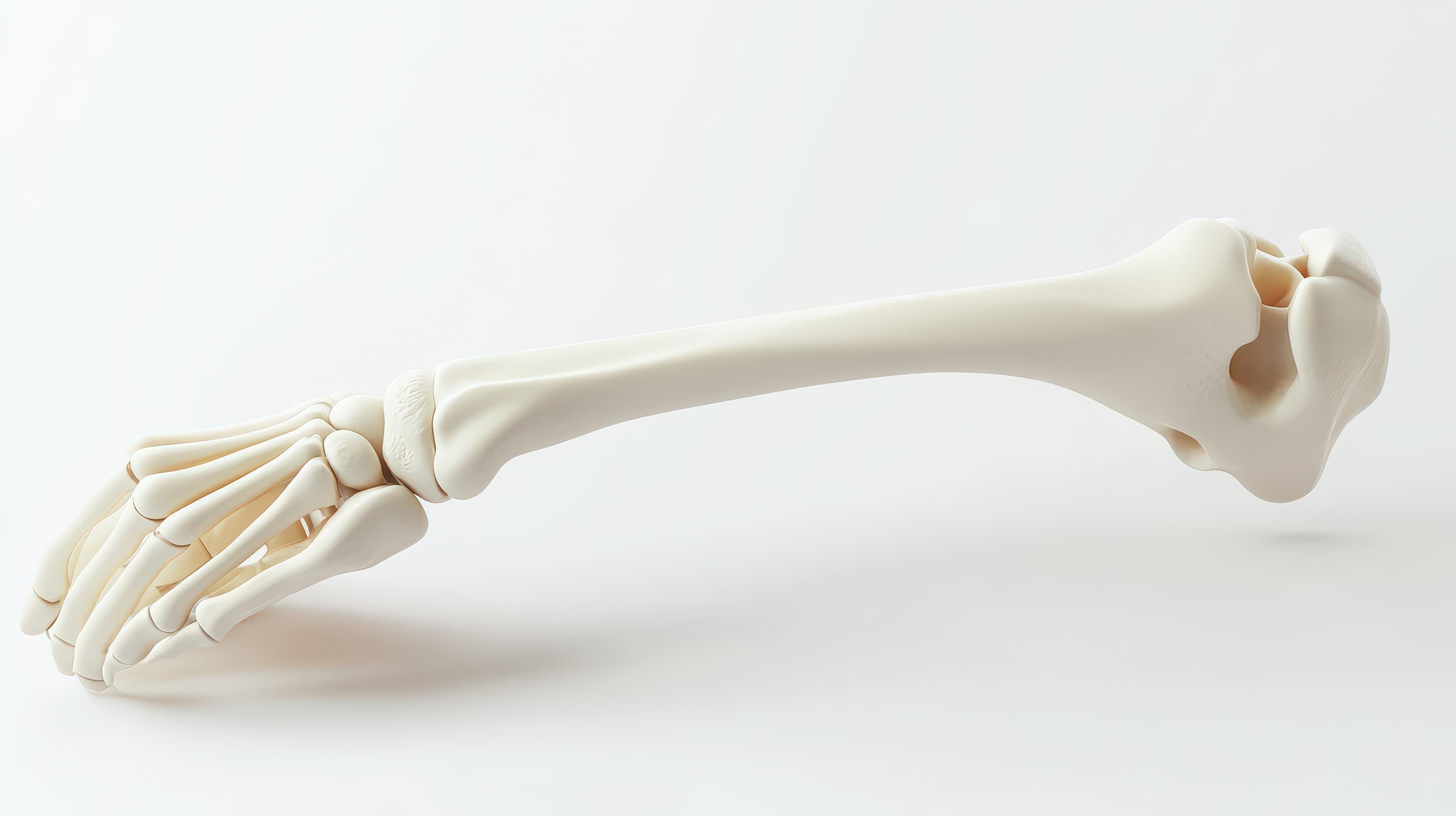
In Sci-fi visions of distant futures, some imagine sprawling intergalactic civilizations. Scaffolds built around stars harvesting their energy. Fusion reactors, cyborgs, superintelligent implants. But the future of artificial bones, though perhaps more mundane, could be a life saving science.
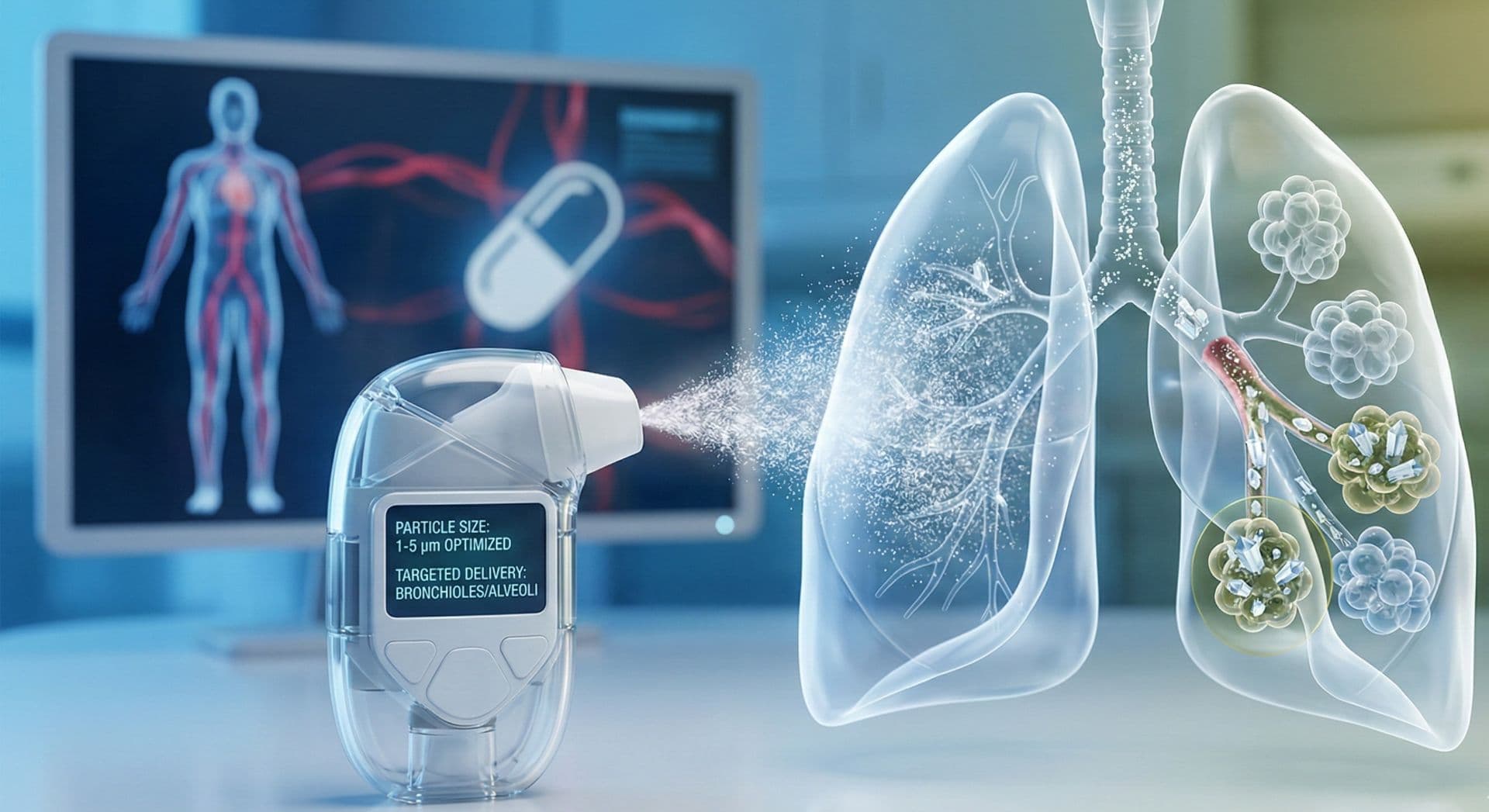
Inhaled antibiotics deliver drugs directly to lung infections, achieving better results with fewer side effects, which is a game-changer in fighting resistance.
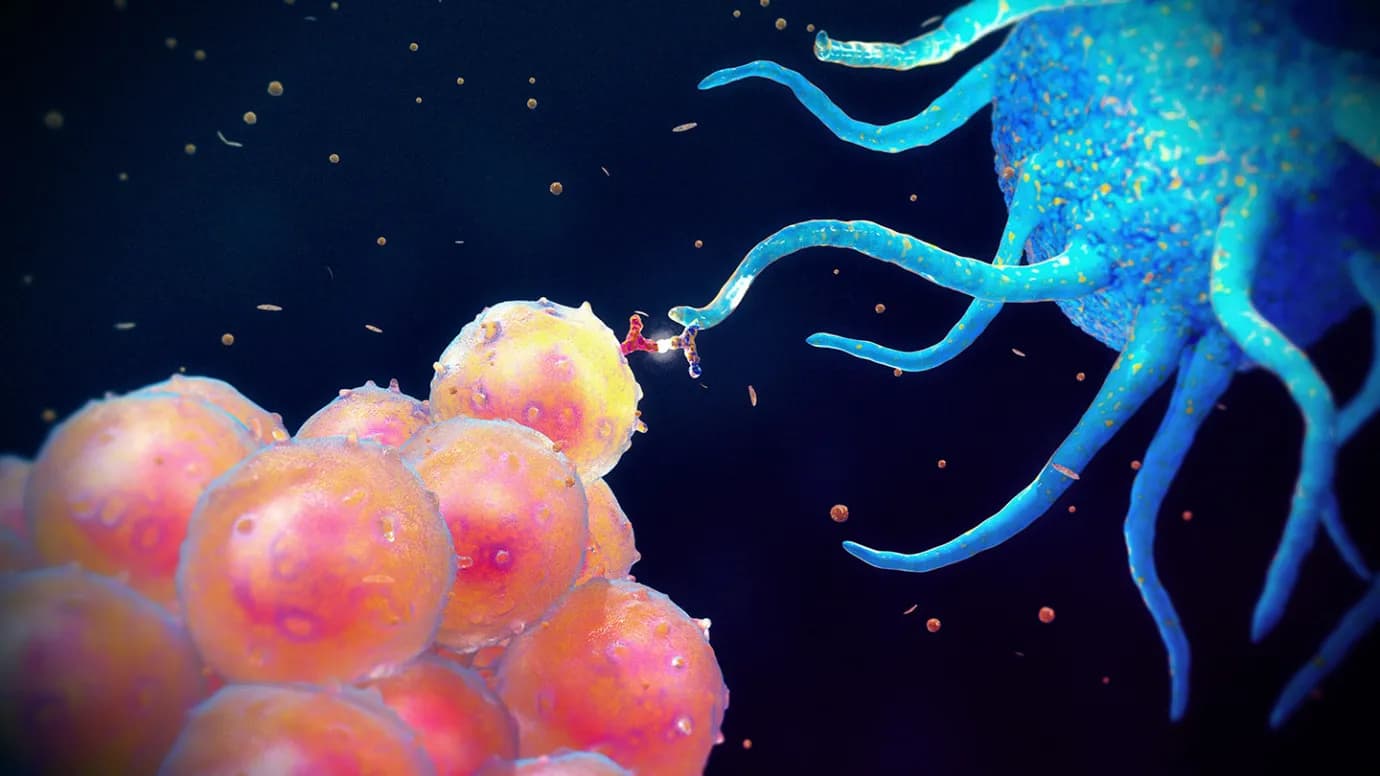
Discover how antigen-presenting cells like dendritic cells and macrophages are being recruited through smart particle design for vaccines and immunotherapy.
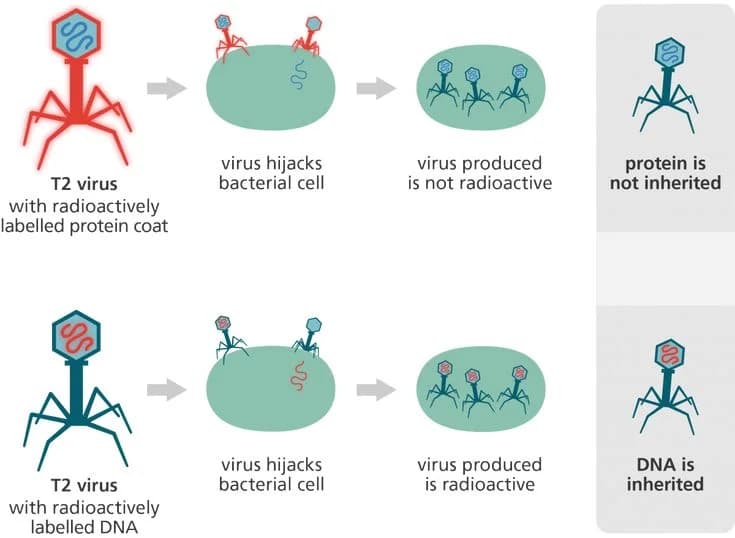
As global data generation continues to grow exponentially, traditional storehouse innovations face challenges related to capacity, energy consumption, and long- term preservation. DNA data storehouse offers a revolutionary result by garbling computerized information into synthetic DNA molecules. This explores DNA data storage, its basics, uses, benefits, and ethics, and how it could change future data archiving.
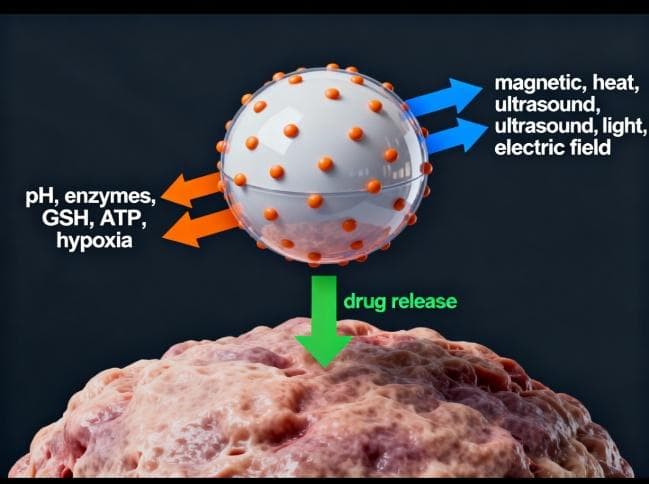
Nanotechnology is having a big impact on pharmaceutical sciences, and drug delivery systems are one area where this is most evident. Compared to conventional medication delivery methods, nanoparticles provide a number of benefits, including increased effectiveness and fewer adverse drug reactions.
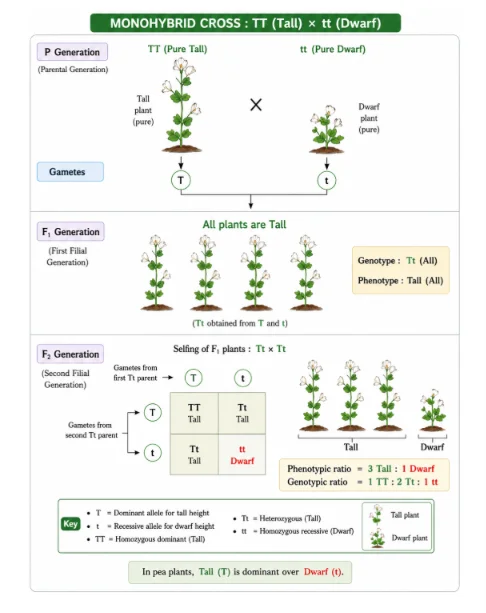
Ever wondered how a pea plant experiment predicted your face? Let me tell you a story about a monk and his garden that sparked a scientific revolution.
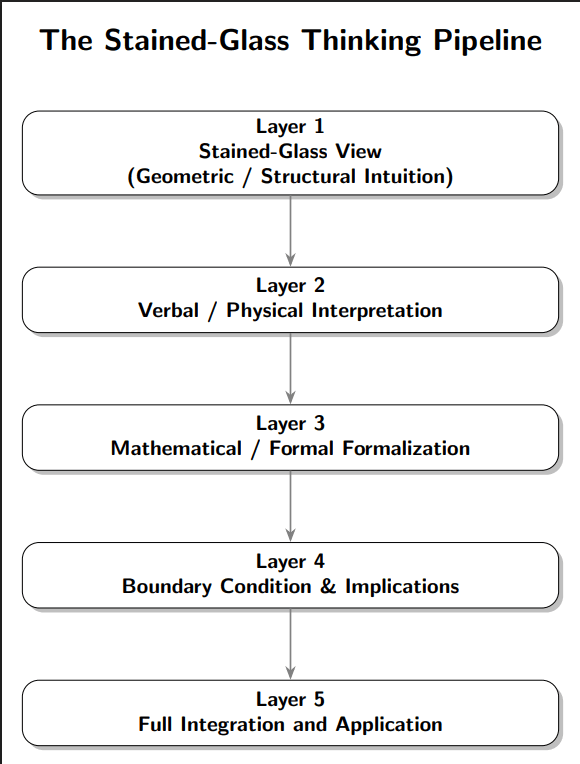
This article makes those steps explicit. I describe a repeatable cognitive pipeline I call Stained-Glass Thinking, which I have used consistently throughout the development of Relational Field Theory (RFT).
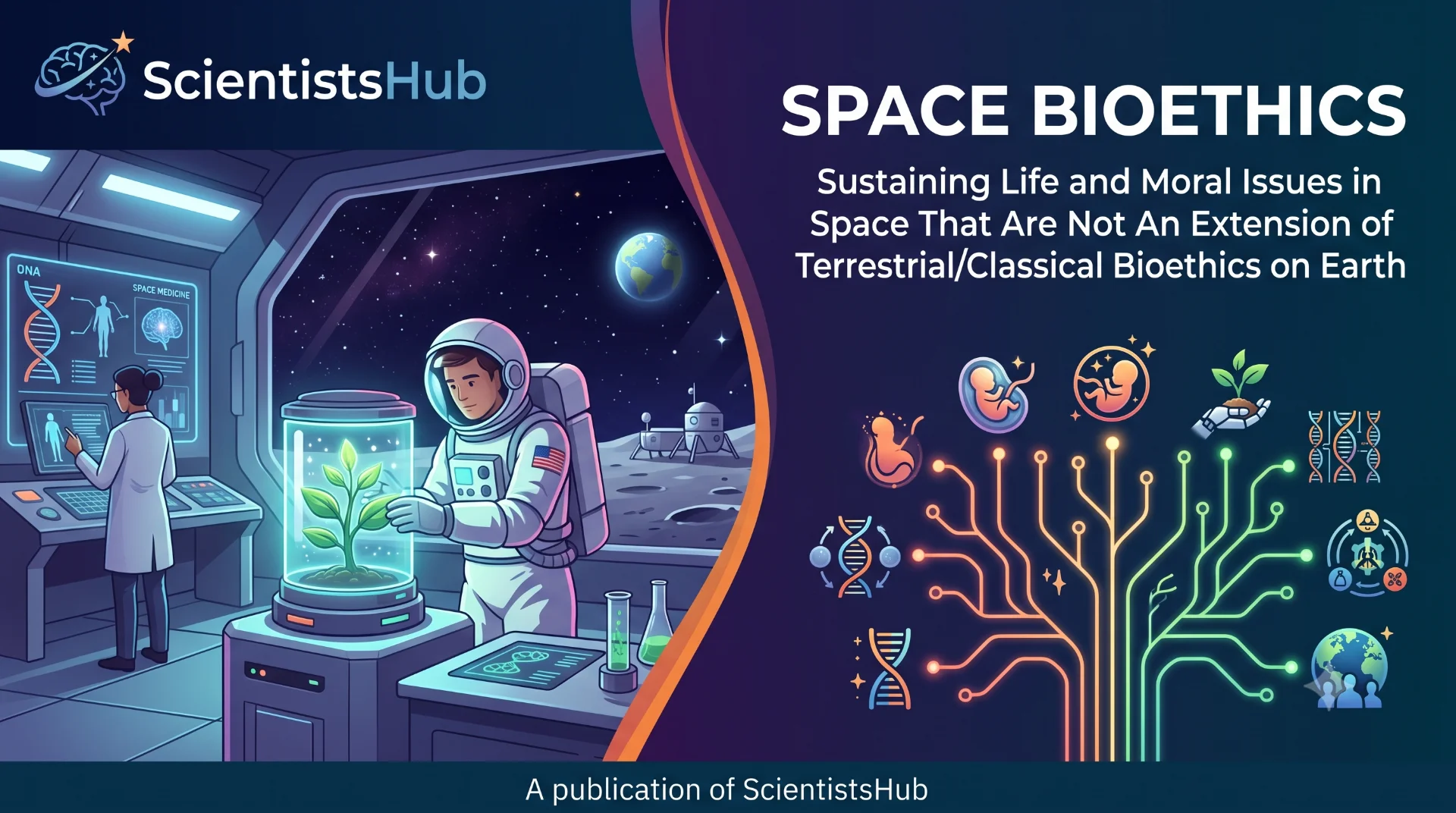
What is being explored in this article is about space bioethics. As stated above, space bioethics is about addressing moral issues of sustaining life in space but in a domain that is chartered
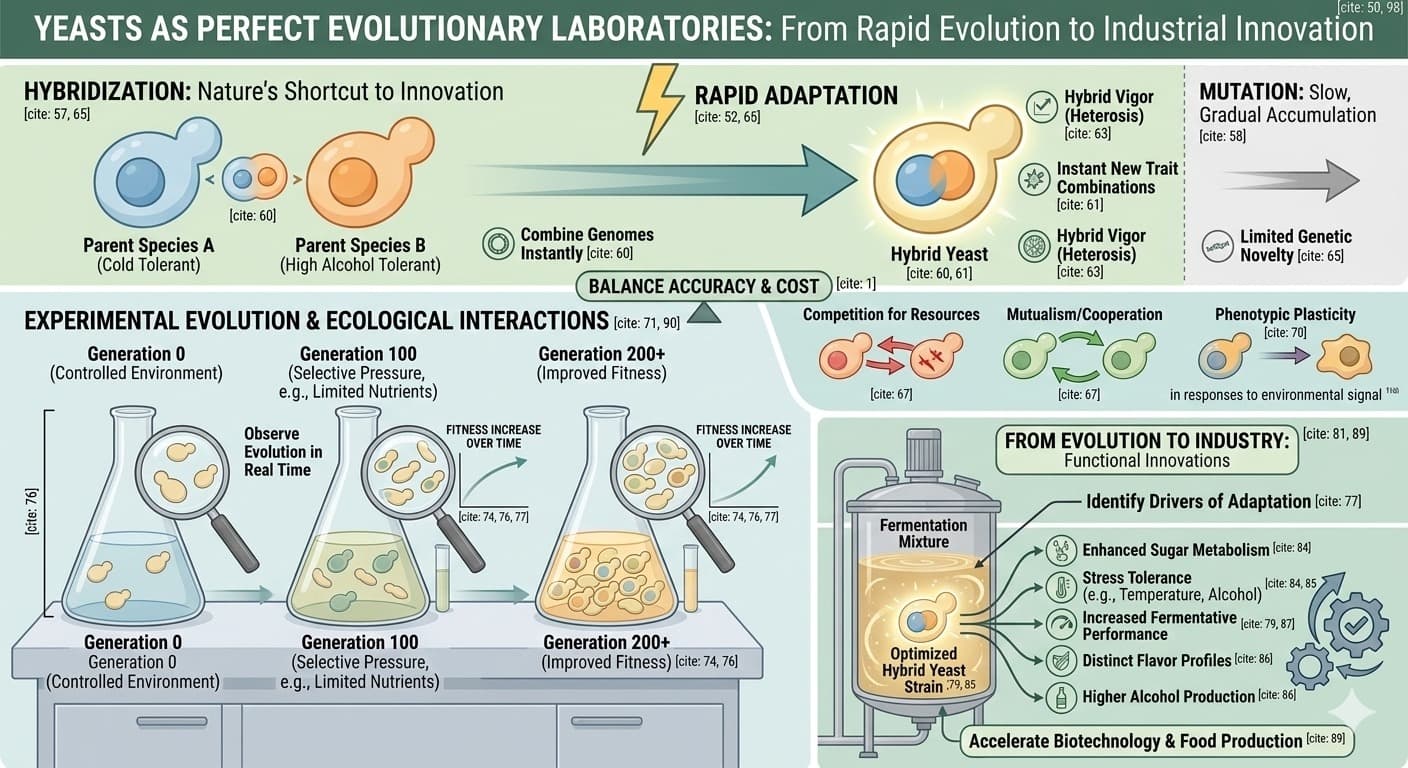
Evolution is often imagined as a process that unfolds over millions of years. However, in microorganisms such as yeasts, evolutionary changes can occur much more rapidly. Yeasts reproduce quickly, populations grow to large sizes, and genetic variations can spread through generations in a short time.
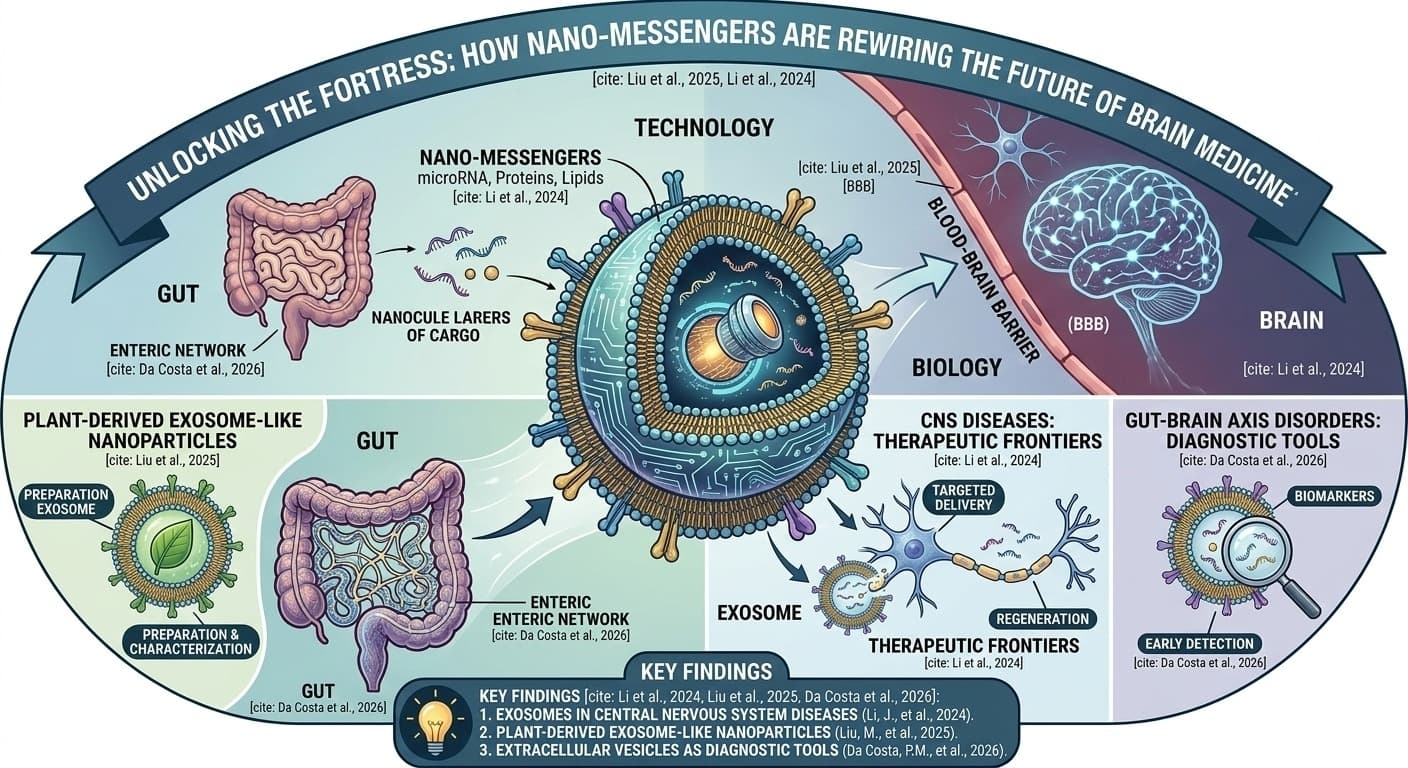
This architecture is essential for shielding neurons from toxins, pathogens, and fluctuations in the bloodstream, but it also creates a devastating bottleneck for modern medicine. More than 98% of small-molecule drugs and nearly all large biological therapeutics fail to cross the BBB in meaningful amounts, leaving many promising treatments for neurodegenerative disorders, brain tumors, and inflammatory diseases stranded in the circulation.
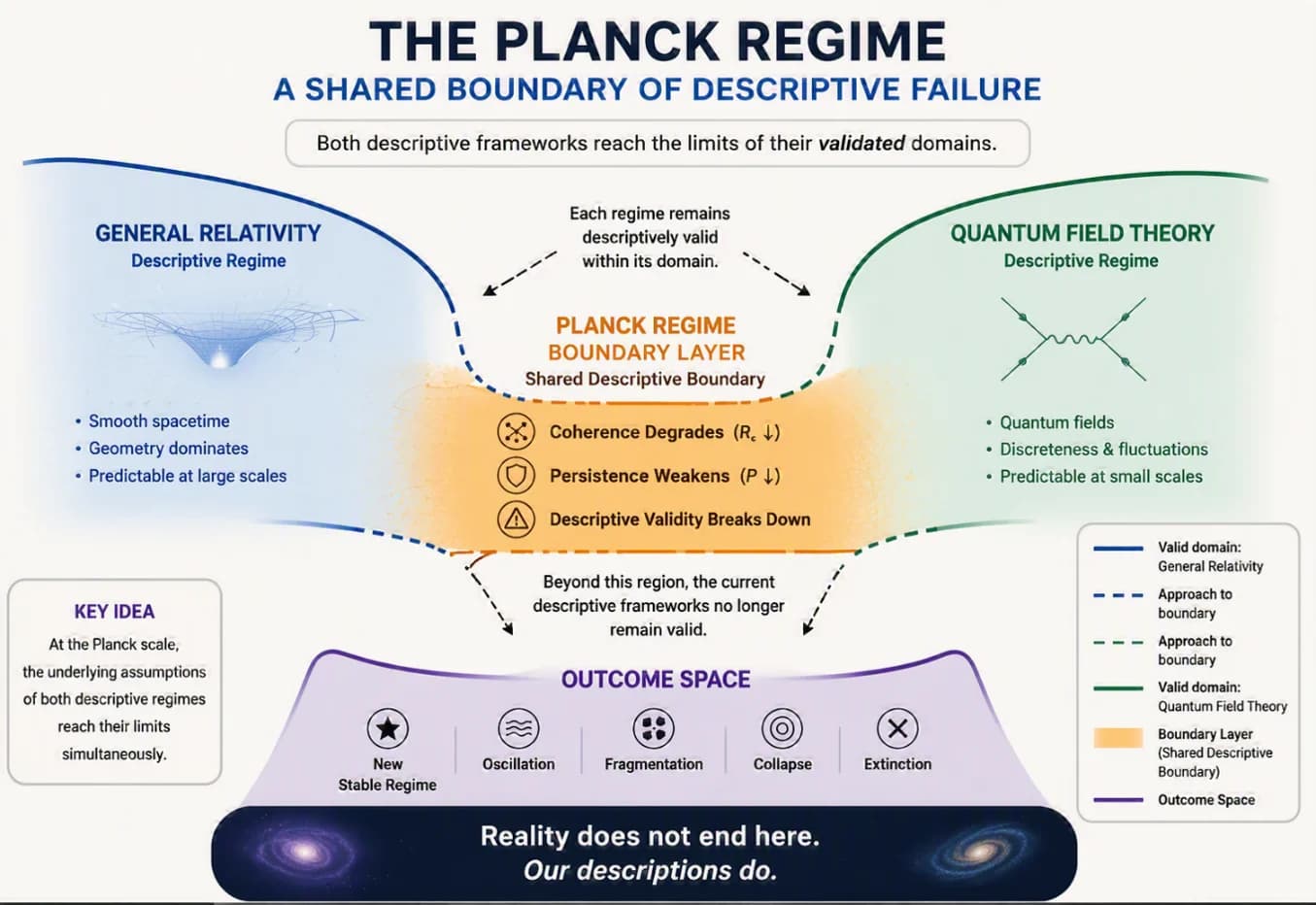
Few concepts in modern physics carry as much significance—or as much mystery—as the Planck scale. It is the regime where gravitational effects become comparable to quantum effects, suggesting that both General Relativity and Quantum Field Theory should contribute to our description of nature.
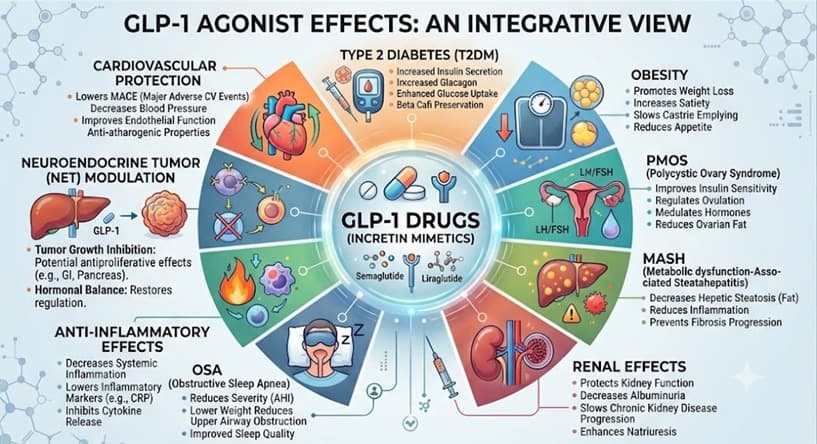
Explore the multi-organ cellular mapping of GLP-1 receptor agonists. Discover how GLP-1RAs act as a systemic shield across T2DM, obesity, PMOS, MASH and so on.
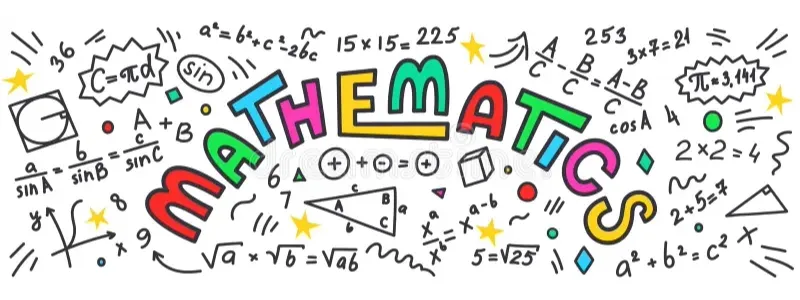
Mathematics is often described as the universal language of the universe, a field that transcends cultures and eras to provide the tools for understanding the world. From the ancient geometries of Egypt to modern computational algorithms, mathematics is at the heart of human discovery and technological progress.
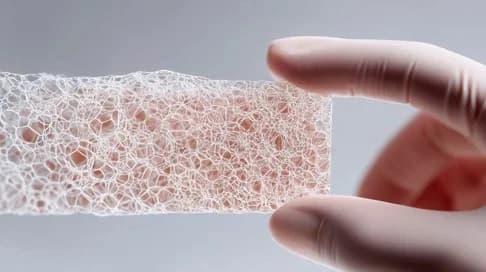
Plant mucilage is a thick, glue-like substance produced by plants that helps with seed germination, water and nutrient storage, and defense. Flax and chia seeds are rich sources of mucilage and have various applications in the food and pharmaceutical industries.
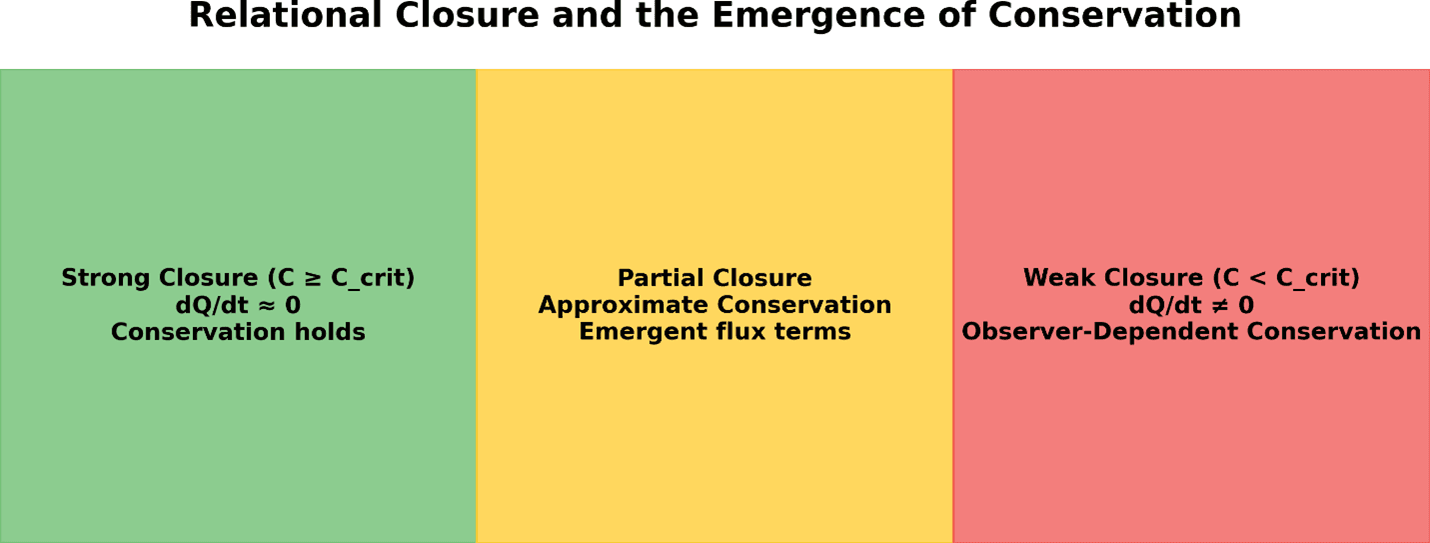
Physical quantities and laws emerge from the geometry, coherence, and flow of relational fields. A central idea is relational closure: high-coherence domains form effectively closed regions where stable invariants can persist.

A low-energy dynamical approach could give companion AI the gift of long-term relational memory - especially valuable for eldercare.
