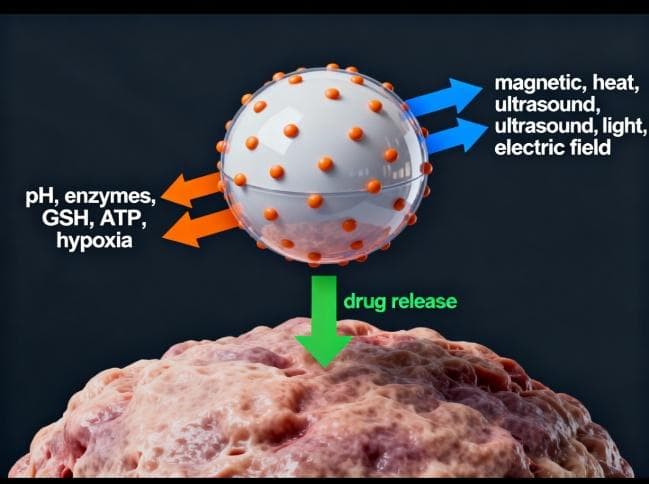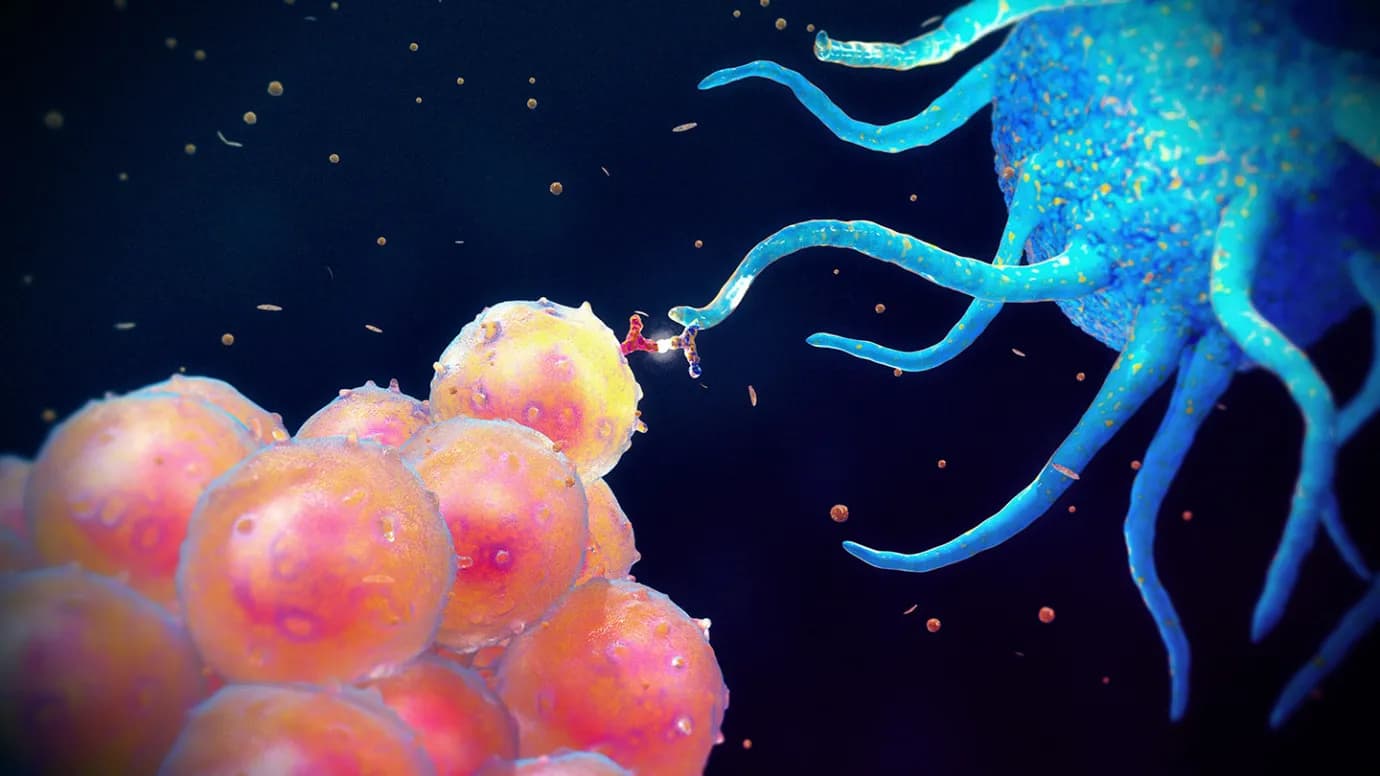
APCs as Allies: How Drug Delivery Hijacks Immunity
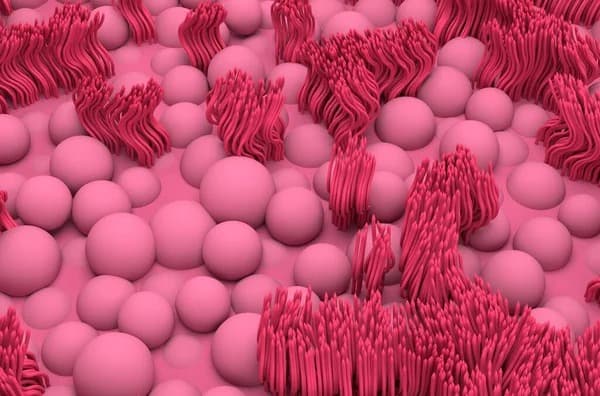
Discover how antigen-presenting cells like dendritic cells and macrophages are being recruited through smart particle design for vaccines and immunotherapy.
Showing results for: "biology" (33 results)

Discover how antigen-presenting cells like dendritic cells and macrophages are being recruited through smart particle design for vaccines and immunotherapy.

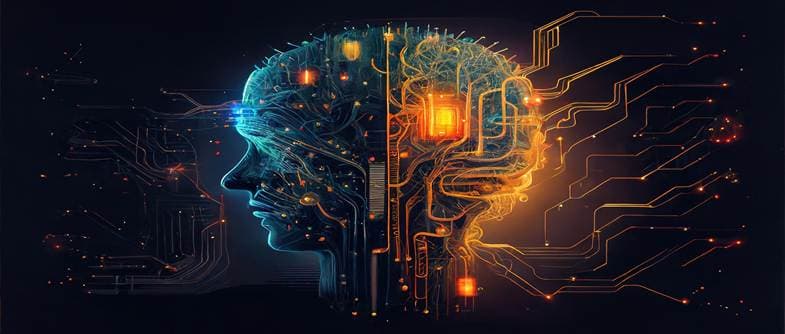
Discover how AI surveillance impacts psychological safety in the workplace and why constant monitoring might be killing your team's innovation.

Healthcare is changing faster than ever before. Thanks to breakthroughs in artificial intelligence (AI), genomics, and wearable technology, medicine is entering the era of smart health, where data, devices, and biology work together to create care tailored to the individual.

Alzheimer’s is a progressive neurological disorder with classic clinical symptoms such as dementia, cognitive decline, and behavioural changes, particularly in the ageing population.

Wound healing is a complex and dynamic biological process that occurs through four overlapping phases: hemostasis, inflammation, proliferation, and maturation. To repair tissue damage, the body works intensively, thereby significantly increasing cellular metabolic demands.

Can algorithms predict sickness before you feel it? Explore how AI is using smartwatch data and ECGs to detect diseases like Alzheimer's and AFib early.

Selective oxidation reactions are central to modern biochemistry. They enable the controlled introduction of oxygen into organic molecules, a key step in the synthesis of pharmaceuticals and fine chemicals. However, many of the enzymatic systems traditionally used for these transformations are complex and difficult to implement in practice.

This article aims to demystify the anatomy of a clinical trial protocol, peeling back the technical layers to reveal how scientific rigor is converted into medical progress. At ScientistsHub, we often ask: How do we ensure that a medical breakthrough is not just a stroke of luck, but a repeatable, verifiable victory for human health? The answer is found in the design. To truly appreciate the result of any trial, one must first master the architecture of the inquiry.

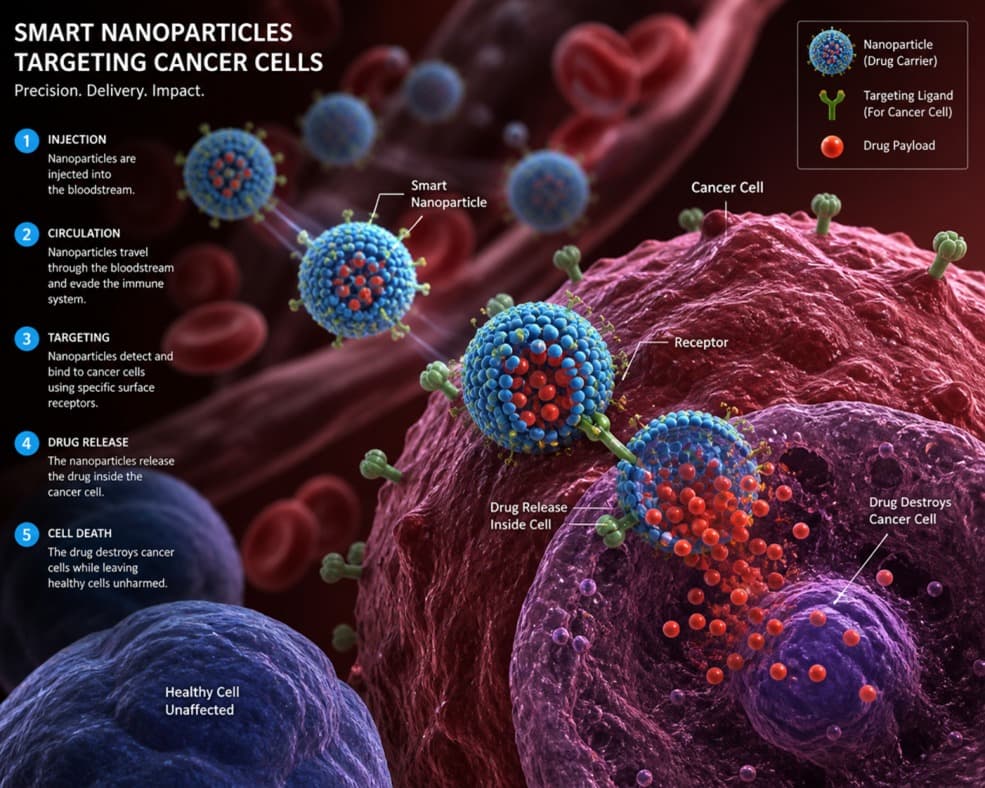
The tumor microenvironment (TME) is a complex and dynamic ecosystem composed of malignant cells, immune infiltrates, stromal elements, and vascular components that collectively influence tumor initiation, progression, immune escape, and therapeutic response. Traditional bulk transcriptomic approaches obscure this complexity by averaging gene expression across heterogeneous cell populations.

Agriculture has always been shaped by the seasons, the soil, and the skilled hands of the farmers who nurture the land. But in the last decade, a new change has quietly entered the fields - Data. As climatic changes are incalculable and the global population climbs towards 10 billion, farmers are being pushed to grow more food with fewer resources.

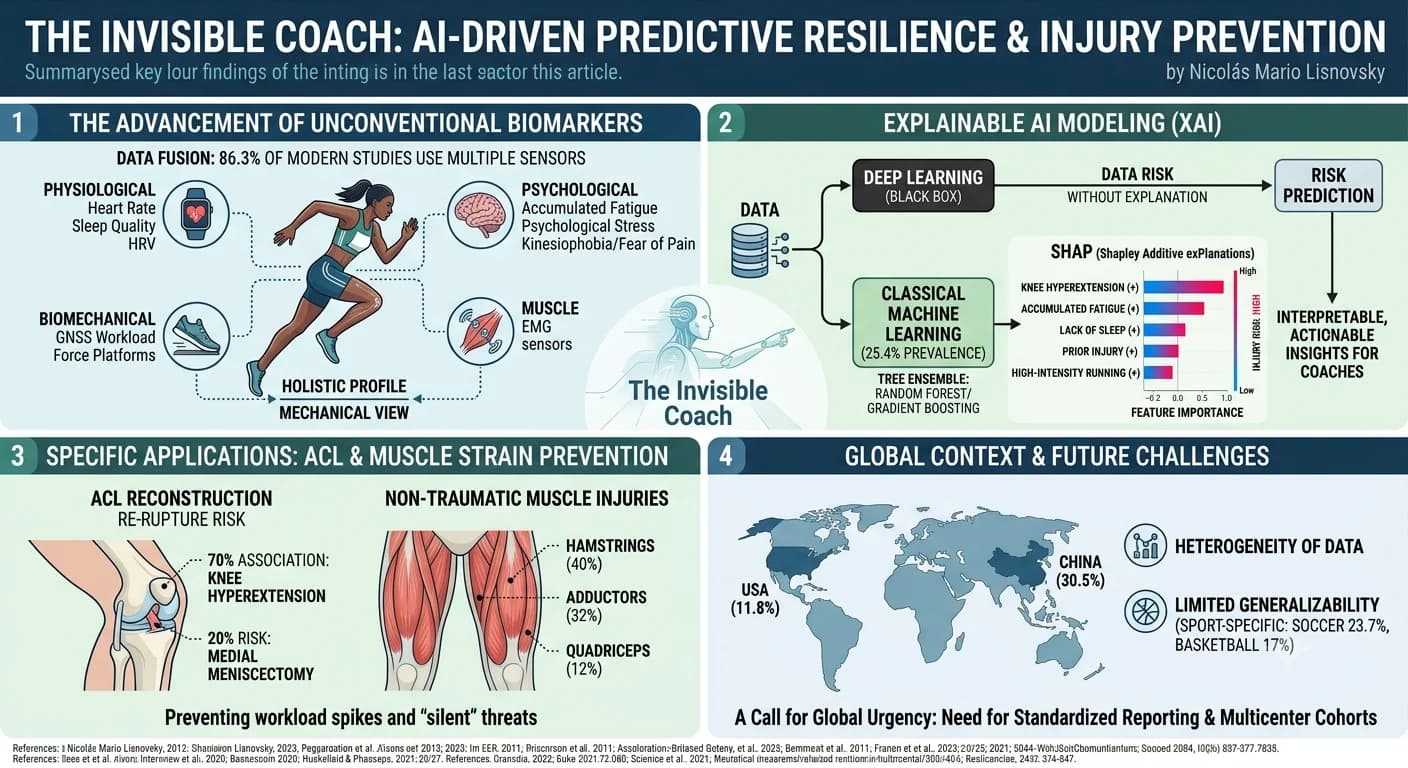
Injury is an inherent risk of sport participation. Whether at elite or recreational level, athletes are exposed to physical loads that challenge tissue capacity and recovery.

ISO/IEC 17025 compliance defines how testing and calibration laboratories demonstrate technical competence. In India, the National Accreditation Board for Testing and Calibration Laboratories (NABL) grants accreditation based on this international standard (ISO, 2017).

Environmental pollution in densely populated regions remains a persistent challenge, particularly where cultural, religious, and social practices intersect with fragile ecosystems. While industrial emissions and vehicular pollution have received substantial scholarly attention, the environmental impact of everyday ritual and community practices