More than Lactose: Natural Polymers Revolutionizing Inhaled Drug Delivery
Natural polysaccharides like locust bean gum and chitosan are replacing lactose as safer, more effective carriers for inhaled medications and vaccines.
Showing results for: "brains new" (81 results)

Natural polysaccharides like locust bean gum and chitosan are replacing lactose as safer, more effective carriers for inhaled medications and vaccines.

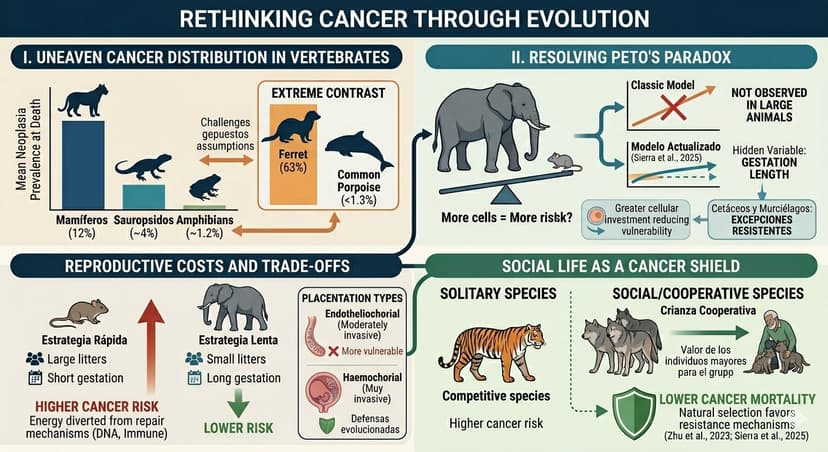
In this study, I explore how cancer risk is distributed across the animal kingdom, emphasizing the role of life-history traits, reproductive strategies, and social behavior in shaping susceptibility to disease. Drawing on recent findings in comparative oncology, the article examines patterns that challenge traditional assumptions, such as the relationship between body size and cancer, and highlights evolutionary mechanisms that may confer resistance in certain species.

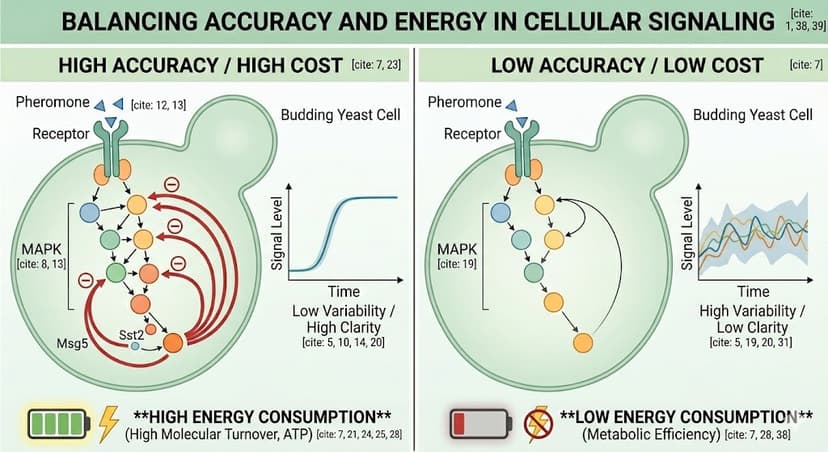
Cells constantly sense signals from their environment and convert them into internal actions through biochemical signalling pathways.

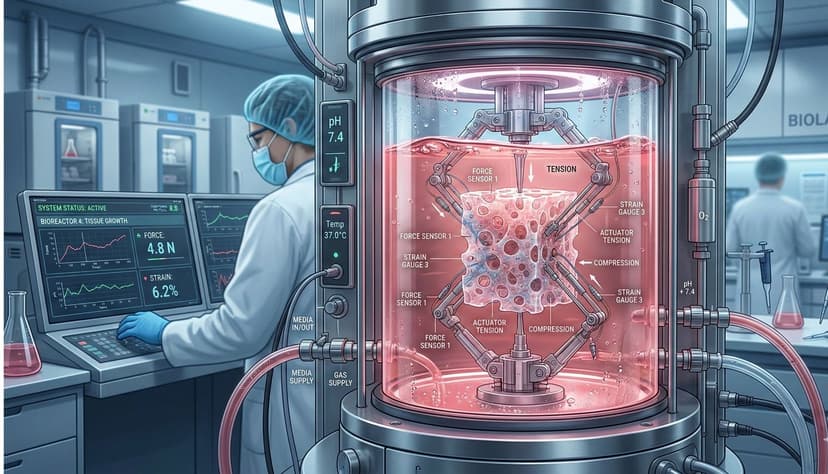
A future without transplant waitlists? Tissue engineering blends biology and engineering to build living, functional human tissue.

This article aims to demystify the anatomy of a clinical trial protocol, peeling back the technical layers to reveal how scientific rigor is converted into medical progress. At ScientistsHub, we often ask: How do we ensure that a medical breakthrough is not just a stroke of luck, but a repeatable, verifiable victory for human health? The answer is found in the design. To truly appreciate the result of any trial, one must first master the architecture of the inquiry.

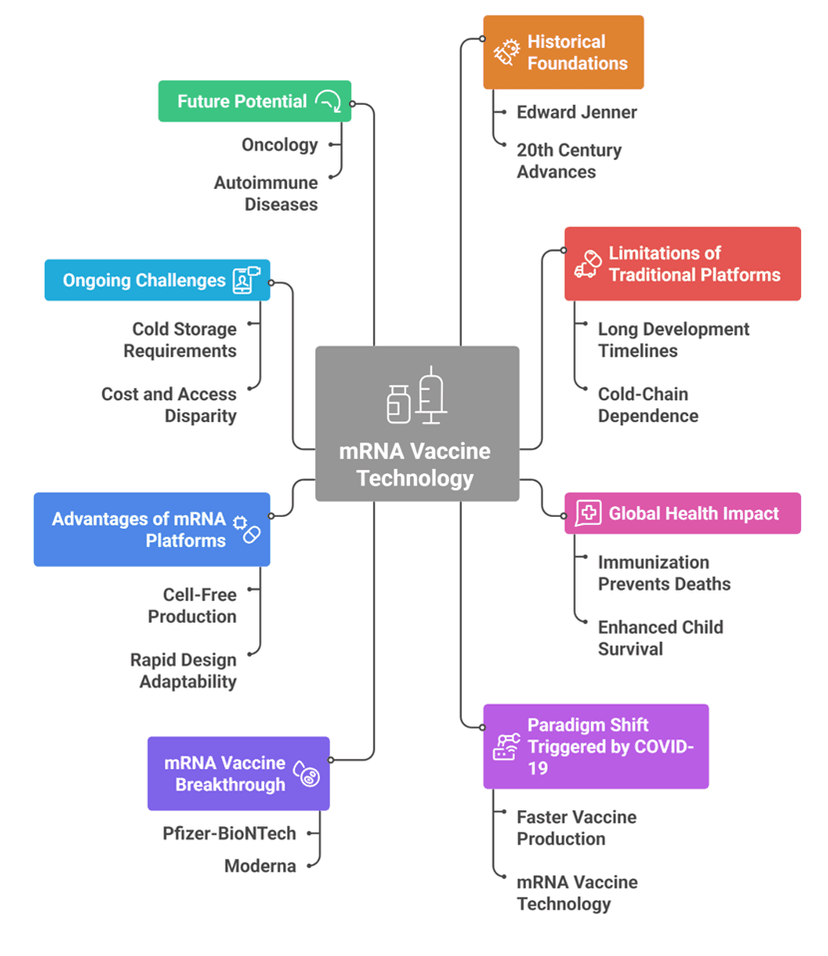
Messenger RNA (mRNA) vaccines represent one of the most significant scientific advances in modern therapeutics. Unlike conventional vaccines that use weakened or inactivated pathogens, mRNA vaccines deliver genetic instructions that enable host cells to synthesize a target antigen and stimulate an immune response.

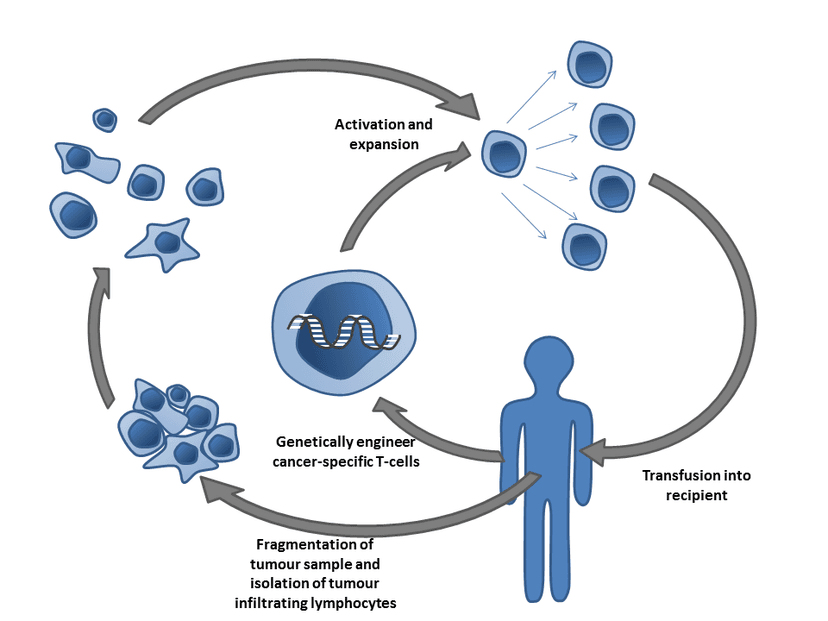
Cell and gene therapies represent a seismic shift in healthcare. They promise to cure the incurable, restoring sight to the blind and erasing cancer from the blood. But this frontier is wild. It comes with biological price tags, potential genetic misfires, and a regulatory landscape that is still being mapped.

How a 150-year-old food industry technique became essential for creating stable biologics and inhaled medicines, transforming liquid drugs into life-saving powders.

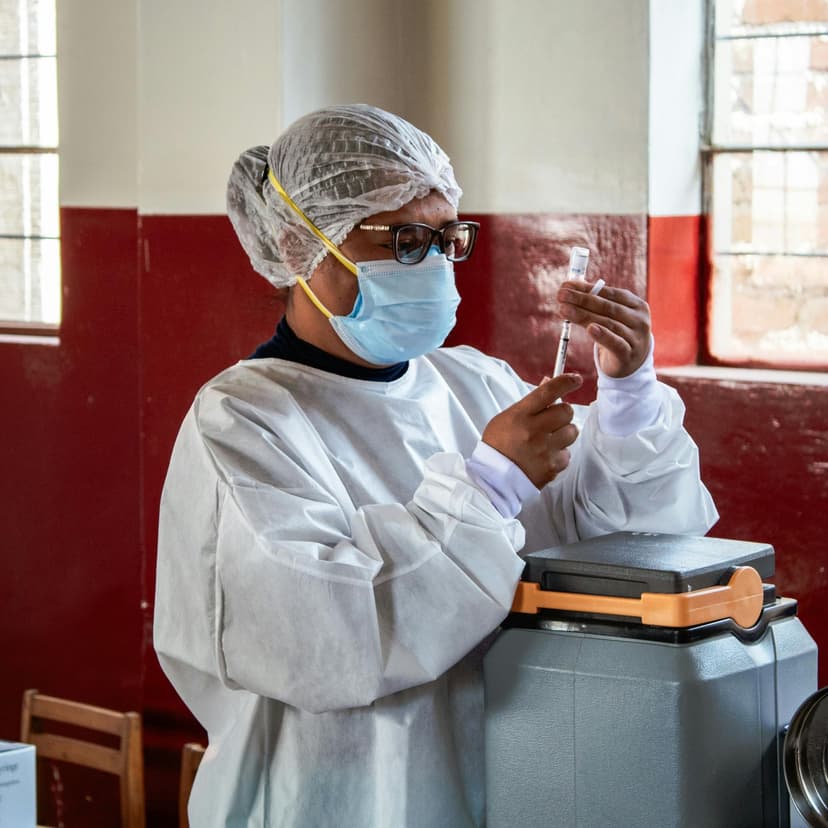
Vaccines need precise temperature control to work but maintaining the cold chain wastes half of all doses globally. New thermostable formulations could change everything.

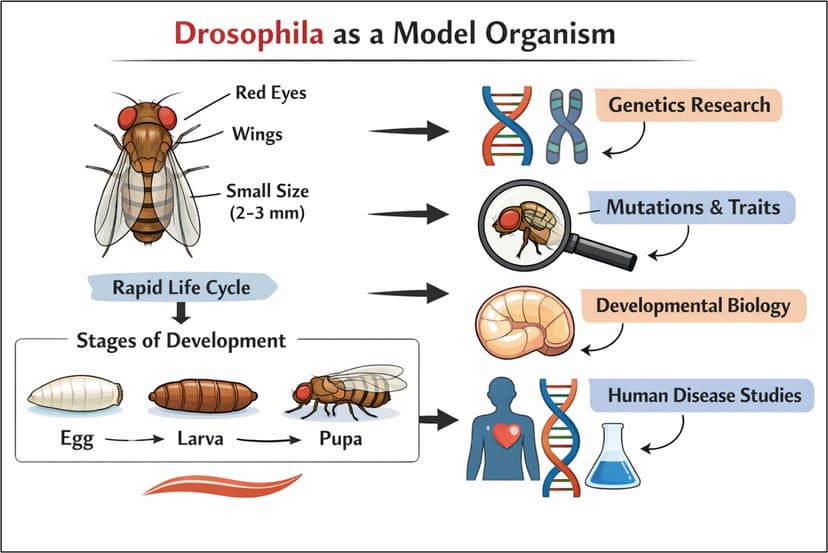
Small fruit fly is an excellent model organism used by scientists to study various aspect of human health and diseases such as development, regeneration, wound healing, cancer and stem cell research

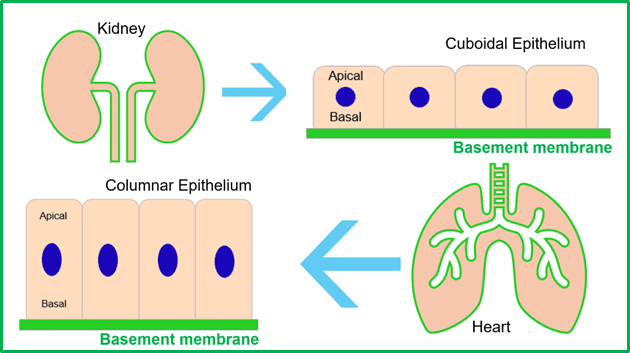
Tiny but powerful, basement membranes support cells, regulate barriers, and drive disease when disrupted—key players in health, aging, and cancer.

Traditionally, Forensic Science relies on Human DNA for contact evidence and individual identification, but limitation arises when the blood cells obtained from the crime scene are degraded or not.

Lithium-metal batteries, equipped with lithium metal anodes, have the remarkable ability to store over twice the energy of traditional lithium-ion batteries with graphite anodes. Despite this potential, most battery-powered devices continue to rely on less advanced lithium-ion technology.

These innovative testes, derived from meticulously cultured mouse cells, closely mimic the structure of natural testes, featuring the complex network of sperm tubes essential for reproduction.

Web 3.0, commonly referred to as Web3, marks a new era of the World Wide Web characterized by distinct values and technological advancements. Its key features include ubiquity, decentralization, artificial intelligence, blockchain technology, and improved connectivity.

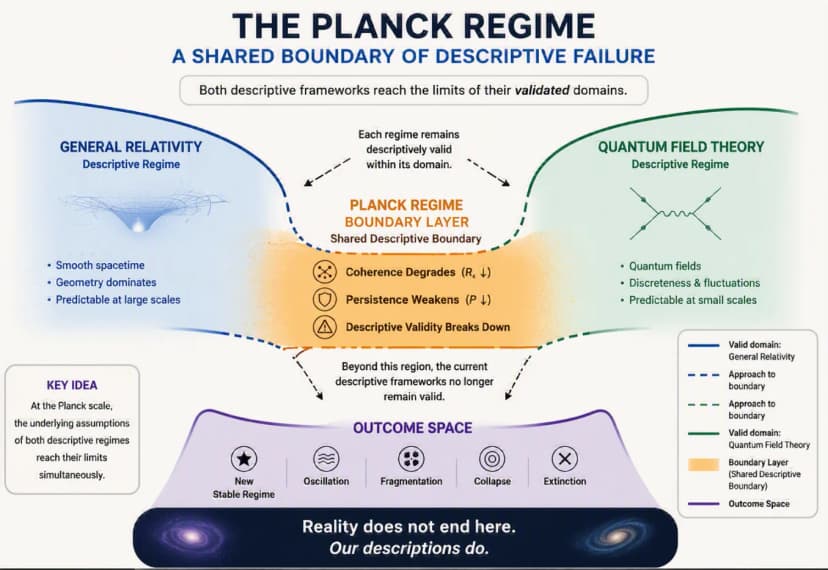
Physical quantities and laws emerge from the geometry, coherence, and flow of relational fields. A central idea is relational closure: high-coherence domains form effectively closed regions where stable invariants can persist.

Ageing is accompanied by a gradual decline in physiological functions, among which deterioration of the immune system termed immunosenescence—has profound implications for human health.

This article makes those steps explicit. I describe a repeatable cognitive pipeline I call Stained-Glass Thinking, which I have used consistently throughout the development of Relational Field Theory (RFT).

Environmental endocrine disruptors (EEDs) are natural and synthetic chemicals that interfere with endocrine system function by altering hormone synthesis, transport, metabolism, and receptor binding.

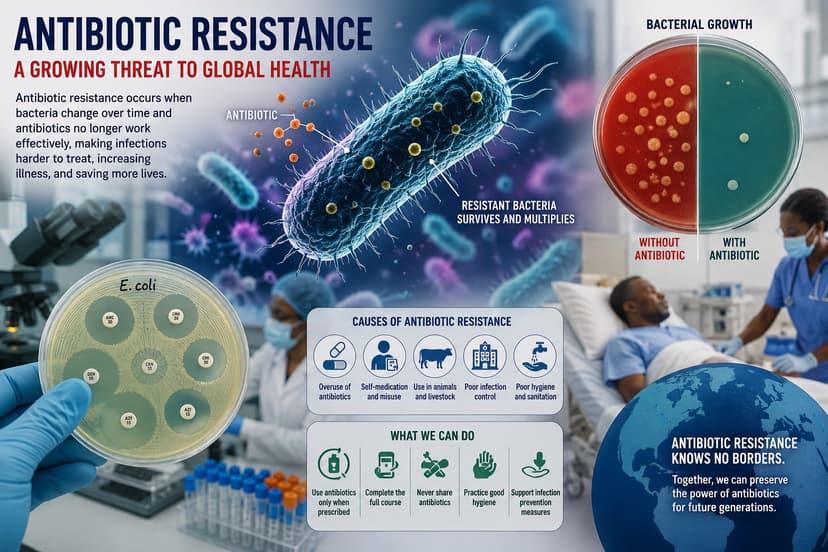
Bacterial lysates and postbiotics can train your immune system to prevent respiratory infections. Here is why they matter in the era of antibiotic resistance.