
Health & Medicine
The Stability Problem: Why Your Medicine Needs a Cold Chain
Vaccines need precise temperature control to work but maintaining the cold chain wastes half of all doses globally. New thermostable formulations could change everything.
Showing results for: "medicine needs" (102 results)
Vaccines need precise temperature control to work but maintaining the cold chain wastes half of all doses globally. New thermostable formulations could change everything.
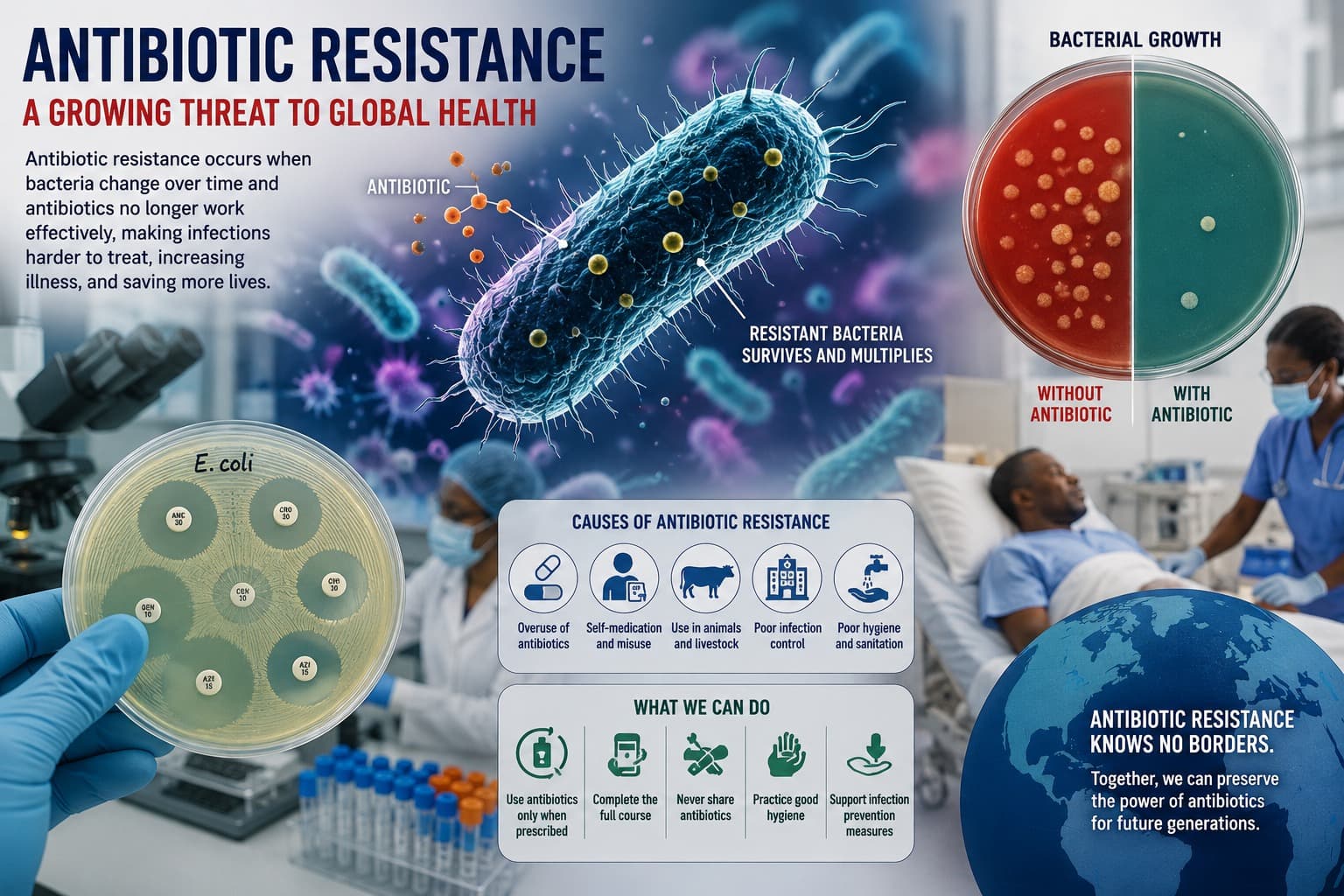
Antibiotic resistance is making common infections hard to treat. Learn why it happens, how it affects communities in Nigeria and beyond, and what we can do to protect these life-saving medicines.

How a 150-year-old food industry technique became essential for creating stable biologics and inhaled medicines, transforming liquid drugs into life-saving powders.

Too big, it hits your throat. Too small, you exhale it. The sweet spot delivers drugs exactly where they're needed.

Explaining The Reciprocity Between Your Brain and Your Belly For the past decade, the scientific community has increased its focus on mental health disorders including anxiety, depression,

Drug repurposing is reshaping medicine. Discover how changing a drug's route of administration — not the molecule itself — can unlock new therapeutic potential.
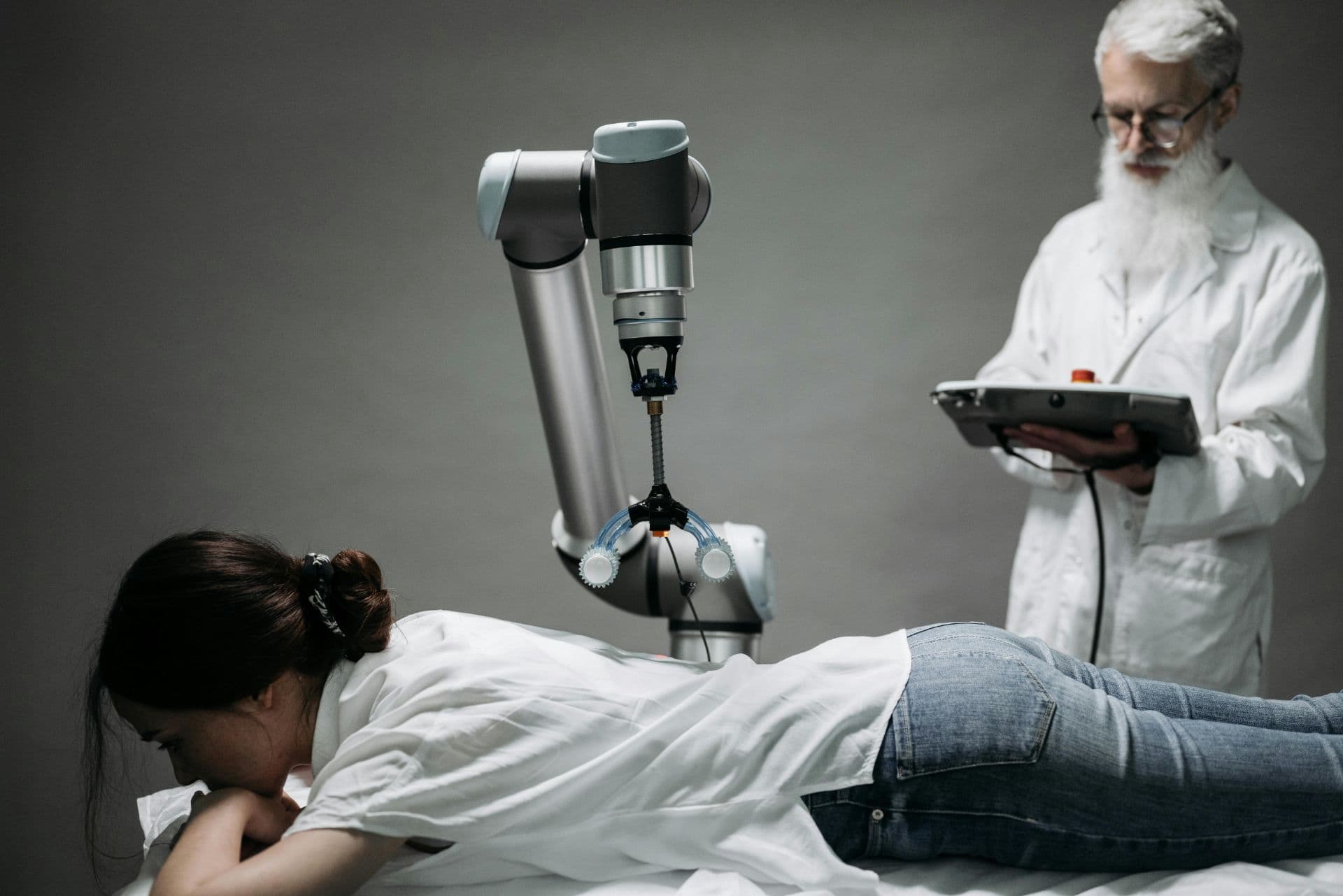
With the potential of AI tools revolutionizing the world of healthcare, there are ethical risk factors that need to be looked at before their implementation.
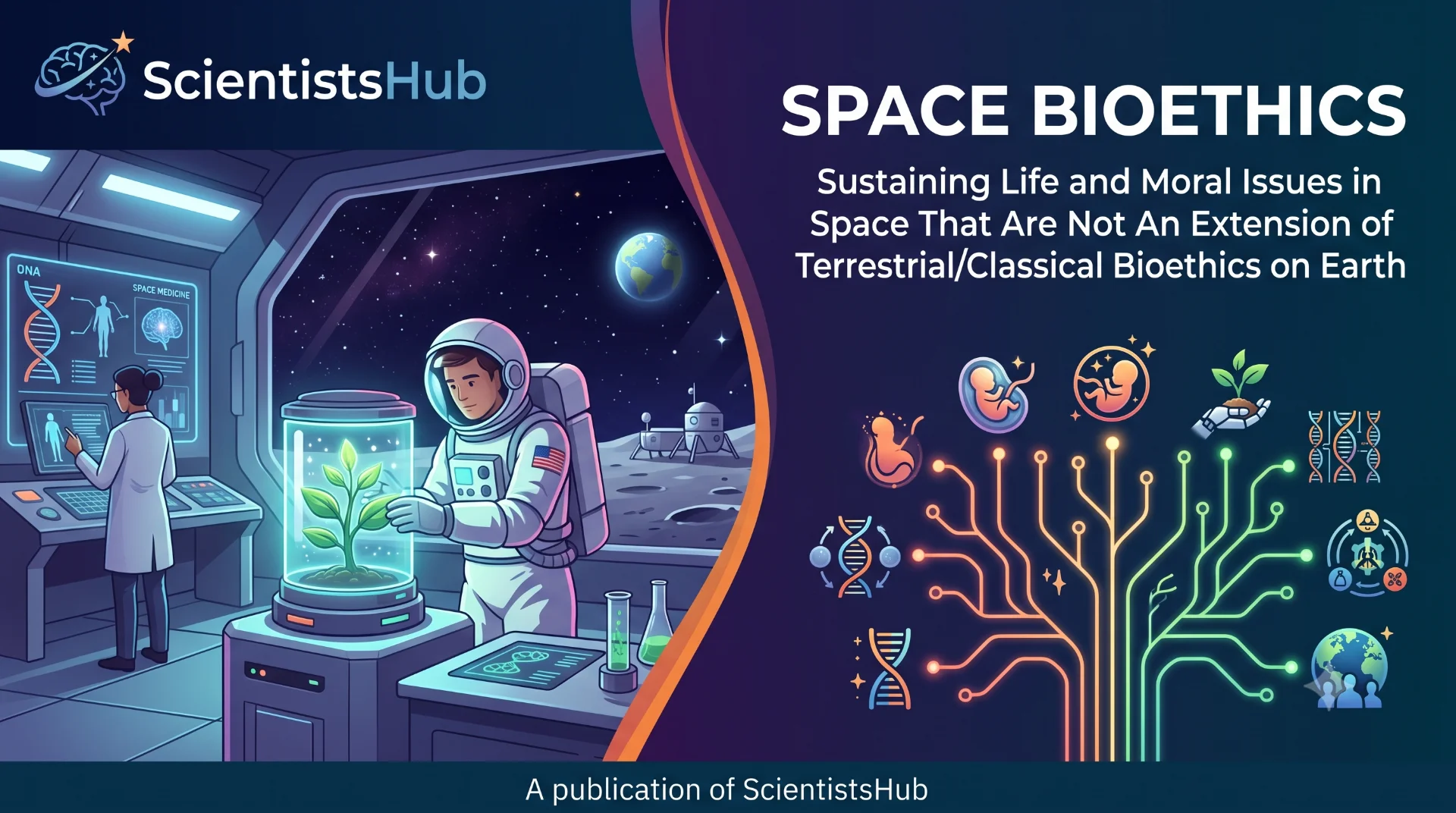
What is being explored in this article is about space bioethics. As stated above, space bioethics is about addressing moral issues of sustaining life in space but in a domain that is chartered
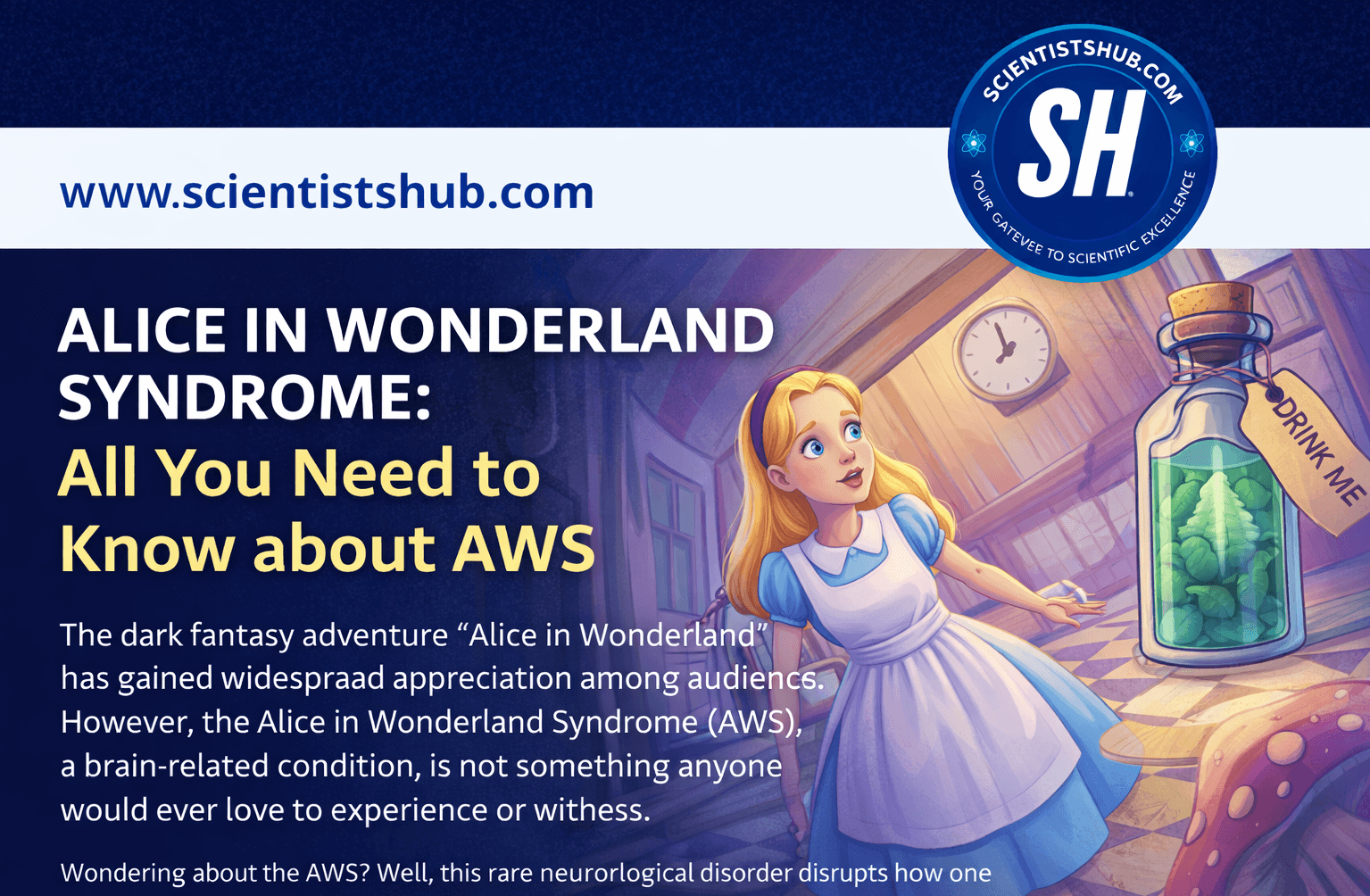
The dark fantasy adventure “Alice in Wonderland” has gained widespread appreciation among audiences. However, the Alice in Wonderland Syndrome (AWS), a brain-related condition, is not something anyone would ever love to experience or witness.
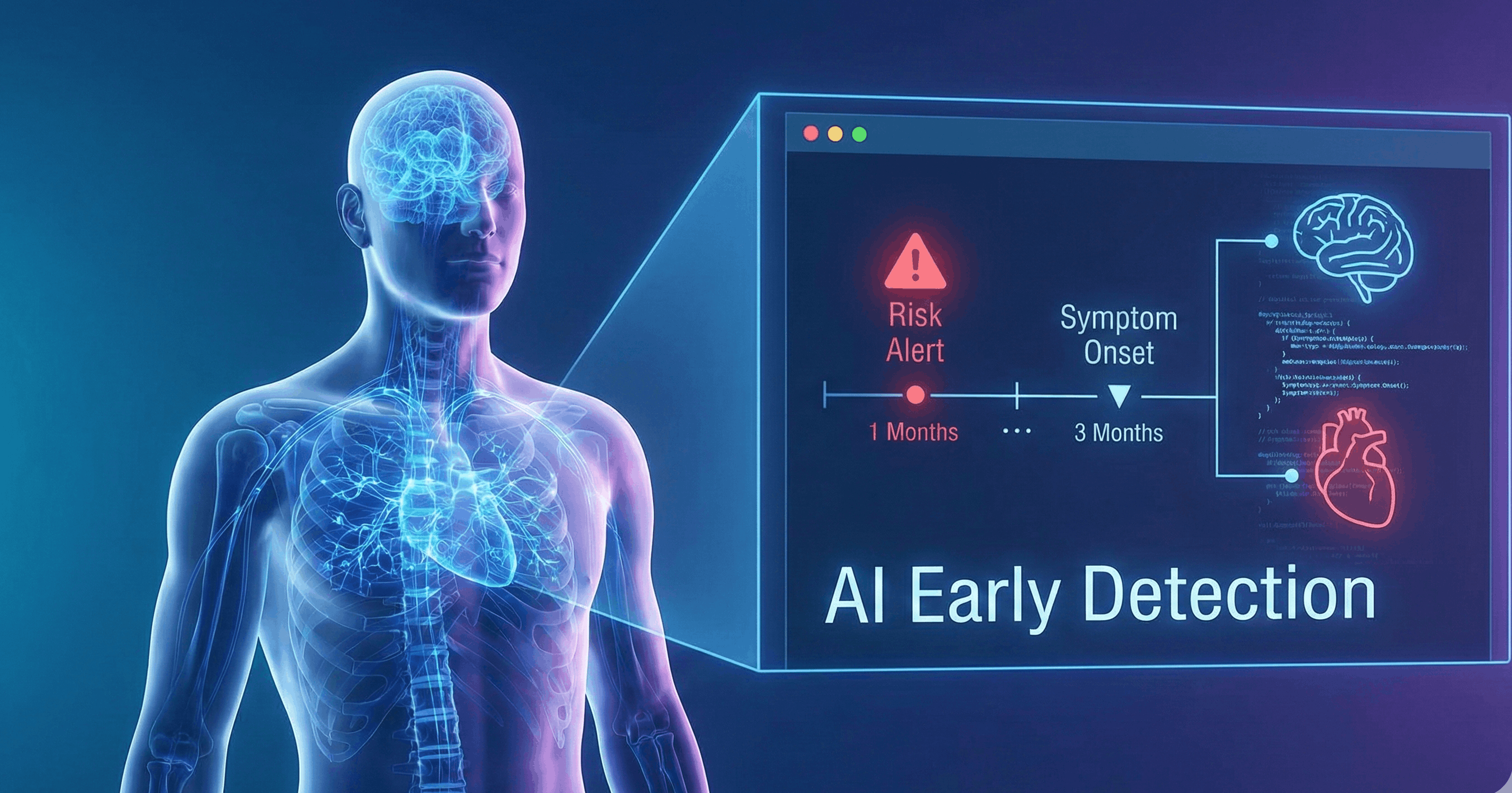
Modern healthcare is undergoing a silent revolution. Now to treat a disease in the healthcare system, there is no longer a need to wait for symptoms to appear.
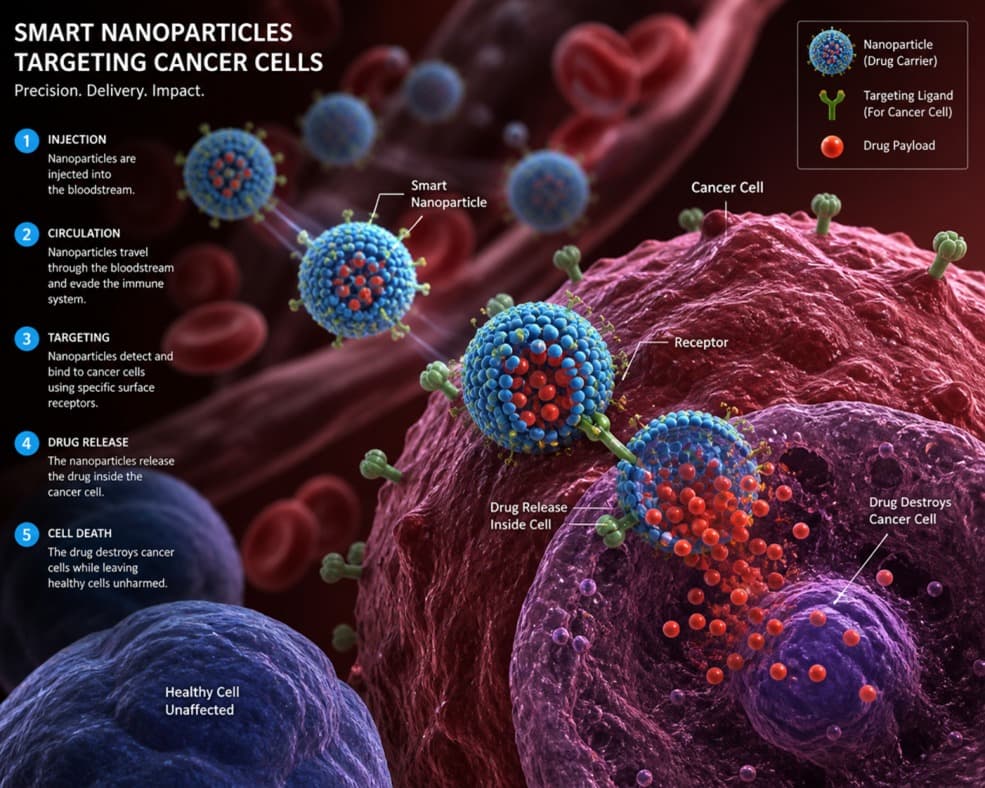
Smart nanoparticles are an exciting step forward in modern medicine especially nanomedicine. They help doctors be more precise in cancer treatment.
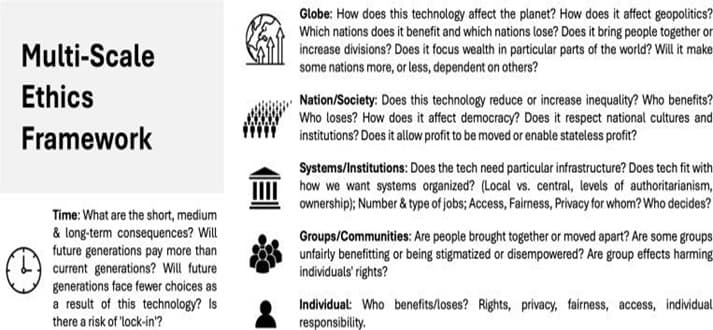
Artificial Intelligence AI with it’s widespread use in various sectors has also taken a dive into healthcare by transforming clinical practice and improving patient care.
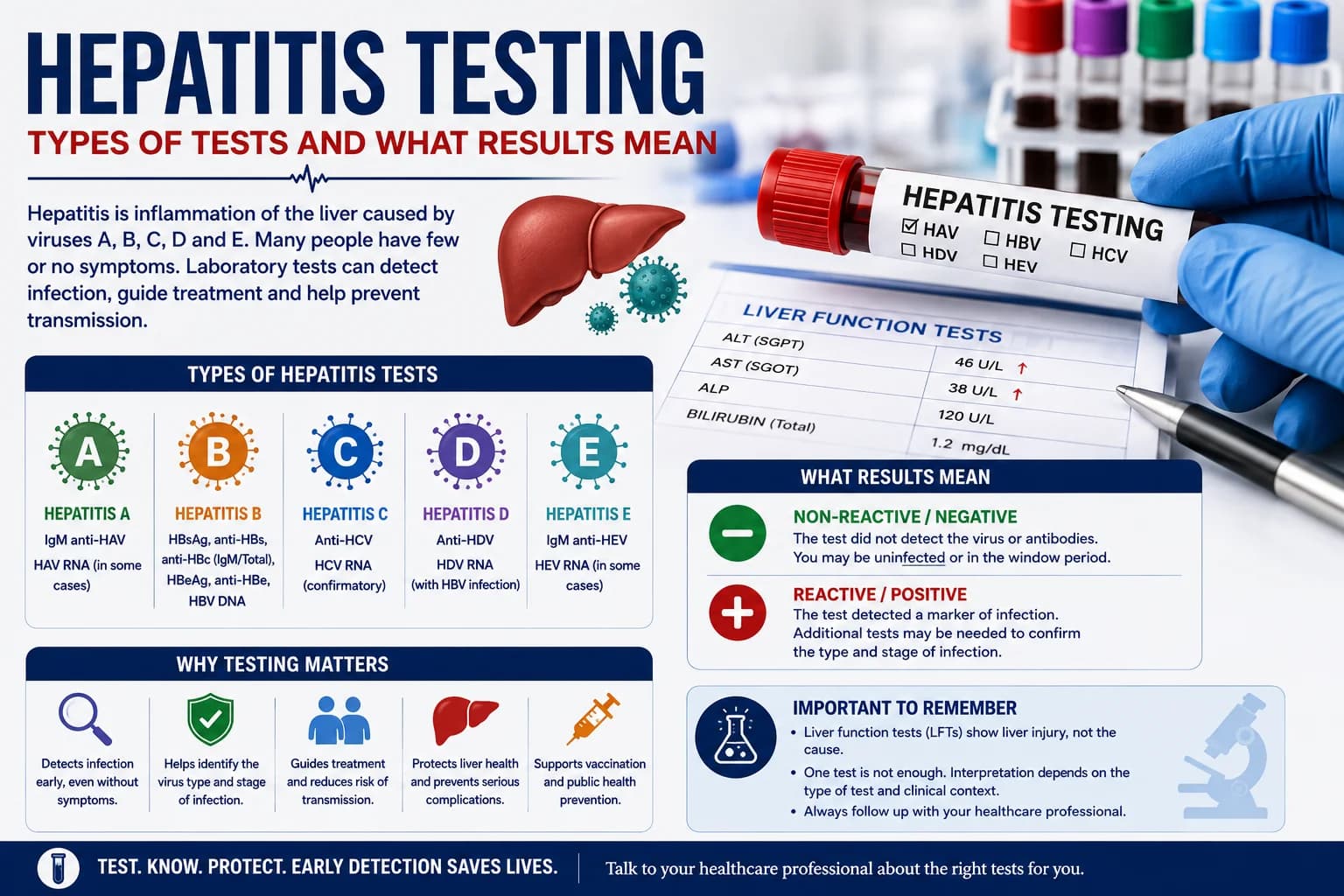
Talk about hepatitis testing, including blood tests for hepatitis A, B, C, D and E, common markers, liver tests, and what positive or negative results mean.
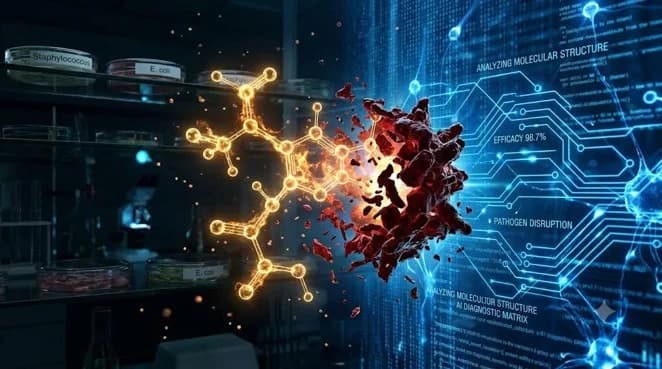
Antibiotic resistance could kill 10 million annually by 2050. Discover how AI found Halicin, a molecule that kills superbugs humans couldn't defeat.
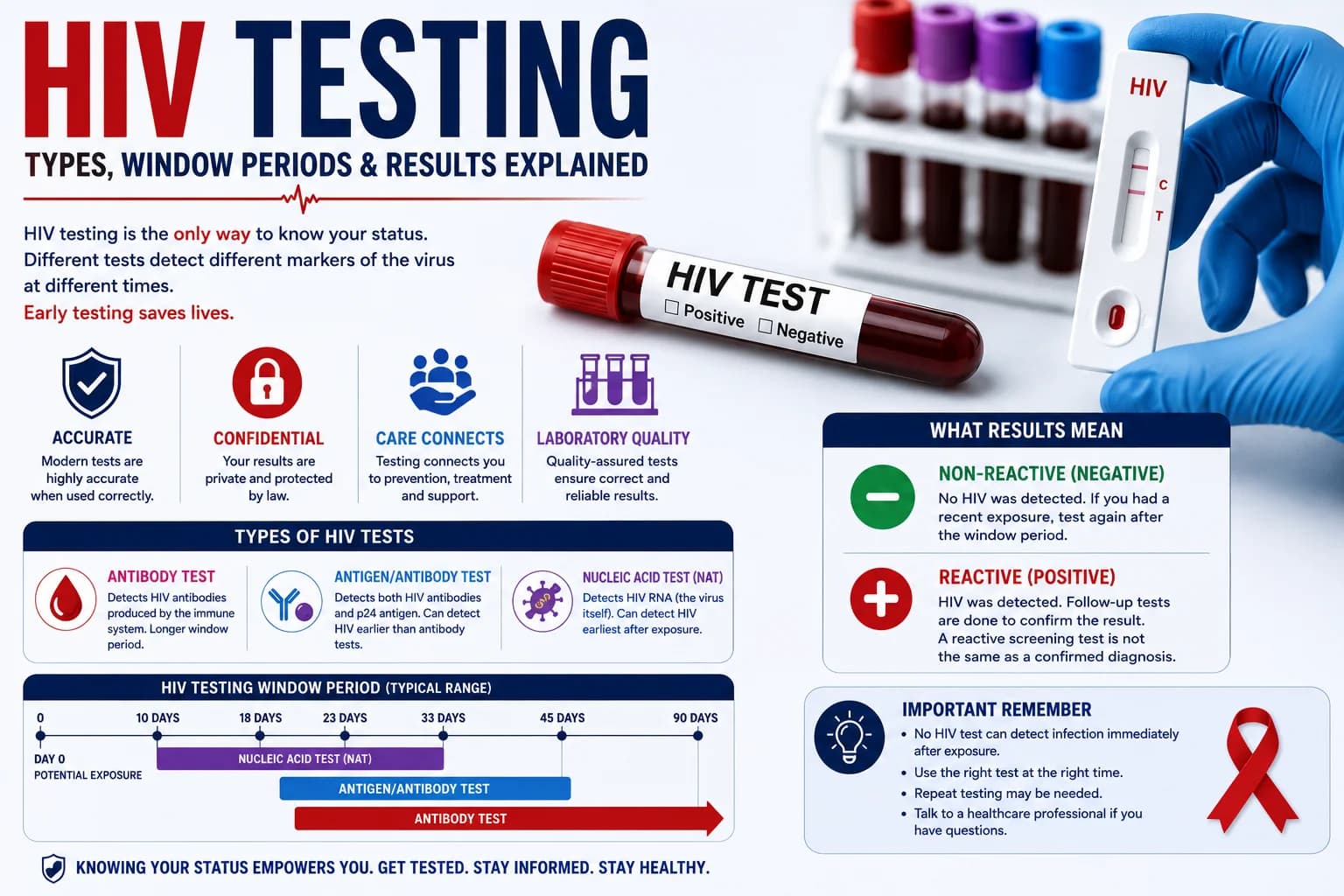
HIV testing is the process of determining whether a person has been infected with human immunodeficiency virus. Depending on the test, HIV testing can detect antibodies produced by the immune system, the HIV p24 antigen, or HIV RNA. Different tests have different detection window periods, and a reactive screening result requires appropriate follow-up testing before an HIV diagnosis is established.
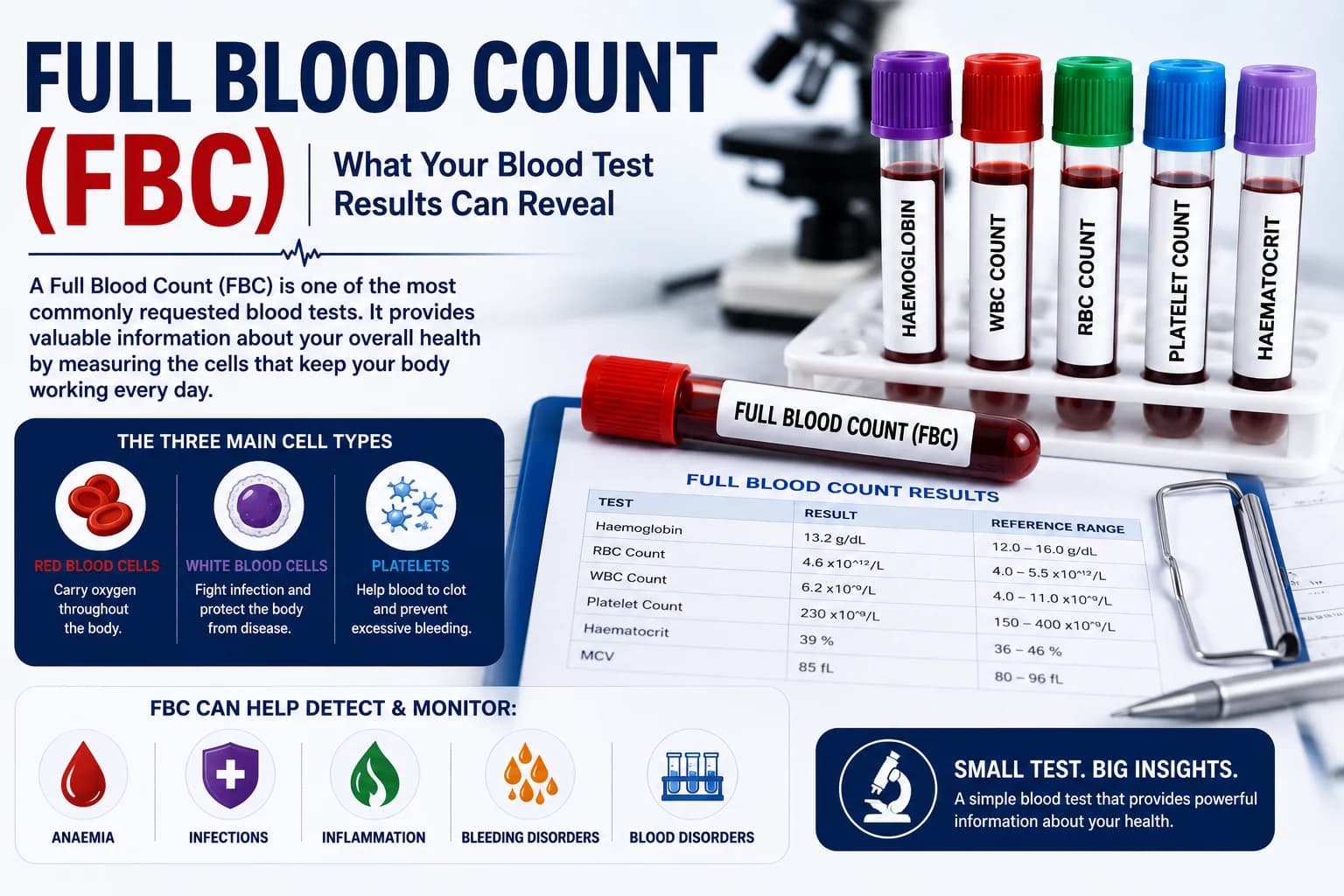
A Full Blood Count (FBC) is a blood test that measures different types of blood cells and related parameters, including red blood cells, white blood cells, platelets, haemoglobin, haematocrit and red blood cell indices. It can help healthcare professionals investigate conditions such as anaemia, infection, inflammation and certain blood disorders.

How is sickle cell disease diagnosed? See the laboratory tests used to identify haemoglobin variants and understand common sickle cell results.
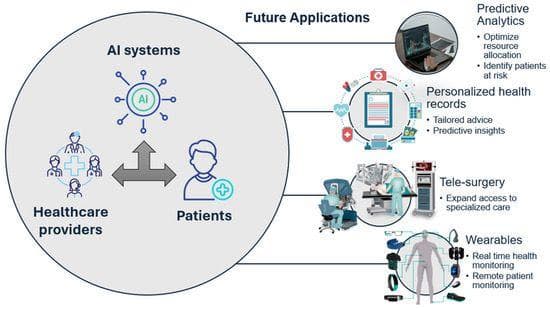
Healthcare is changing faster than ever before. Thanks to breakthroughs in artificial intelligence (AI), genomics, and wearable technology, medicine is entering the era of smart health, where data, devices, and biology work together to create care tailored to the individual.

Hypertrophic cardiomyopathy (HCM) is a common genetic disorder in which the heart muscle becomes thicker and stiffer, a condition called hypertrophy. (1) The thickened heart muscle makes it harder for the heart to work properly. Many individuals with HCM do not realize that they have it.
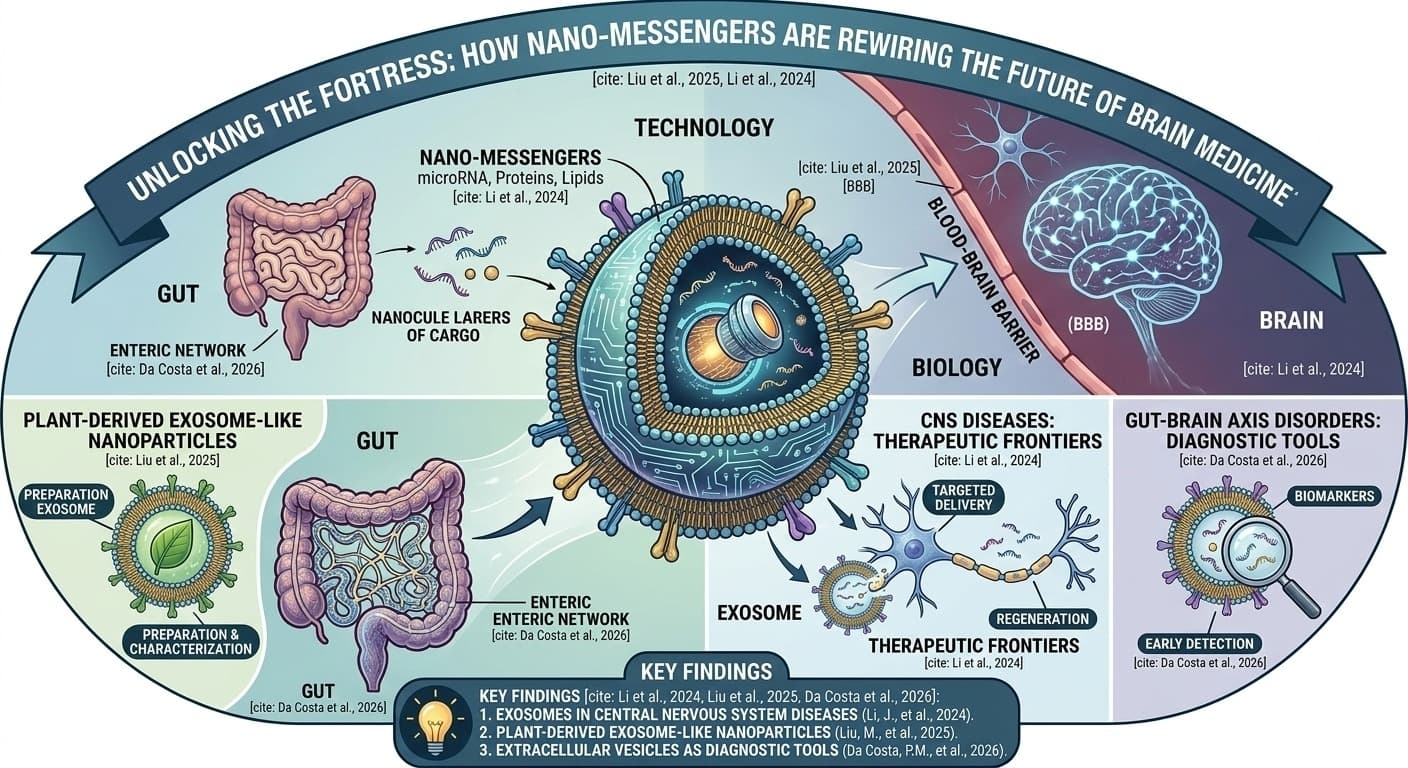
This architecture is essential for shielding neurons from toxins, pathogens, and fluctuations in the bloodstream, but it also creates a devastating bottleneck for modern medicine. More than 98% of small-molecule drugs and nearly all large biological therapeutics fail to cross the BBB in meaningful amounts, leaving many promising treatments for neurodegenerative disorders, brain tumors, and inflammatory diseases stranded in the circulation.