Discover Scientific Knowledge

Showing results for: "body" (46 results)

Radiofrequency Skin Tightening: What you need to know?
Health & Biology

Radiofrequency Skin Tightening: What you need to know?

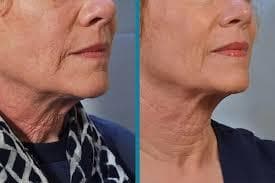
A magnificent nonsurgical radiofrequency (RF) therapy, which involves using energy waves to heat the dermis (the deep layer of the skin), has evolved as one of the finest treatments for skin tightening. The healthcare provider uses an electromagnetic device that generates heat to stimulate collagen production, the production of elastin, and the growth of new skin cells. This therapy helps firm and lift sagging skin. However, the results are temporary.

By Electra PadhyDec 28, 2025
SLEEPING BEAUTY SYNDROME: Symptoms, Causes, Treatments, and More about Kleine-Levin Syndrome
Health & Biology

SLEEPING BEAUTY SYNDROME: Symptoms, Causes, Treatments, and More about Kleine-Levin Syndrome

You probably know this story: Aurora, also known as the Sleeping Beauty, was a kind princess who was cursed by an angry fairy and fell into a deep sleep for years. On her sixteenth birthday, she pricked her finger, and the spell came true. Silence covered the land, and the entire kingdom fell asleep with her. Years later, the spell could be broken by a kiss from a prince.

By Electra PadhyJan 22, 2026
The Brain’s Ability to Change and Its Role in Depression
Health & Biology

The Brain’s Ability to Change and Its Role in Depression

Depression has affected humans for hundreds of years. Symptoms can include persistent feelings of sadness, sleep disturbances, anxiety, and a loss of interest in social activities. Science doesn’t yet fully understand the causes and effects, but here’s what we do know: the brain is a powerful organ, and it is capable of change. Made up of a wide network of connections, it relies on chemicals, electrical impulses, and billions of neurons. Let’s explore how brain science

By Miranda AnastasiaFeb 2, 2026
Organoid-Based Toxicity Testing as a Replacement for Animal Models
Health & Biology

Organoid-Based Toxicity Testing as a Replacement for Animal Models

Animal models have traditionally served as the cornerstone of drug safety evaluation; however, major translational challenges persist due to interspecies differences in physiology, metabolism, and genetic regulation. Many compounds demonstrating favorable toxicity profiles in animals later fail during human trials or are withdrawn post-marketing due to unforeseen adverse effects, especially hepatotoxicity and cardiotoxicity (Lee et al., 2025).

By Jasvitha MandavaNov 9, 2025