Beyond the Needle: The Rise of Inhalable Vaccines
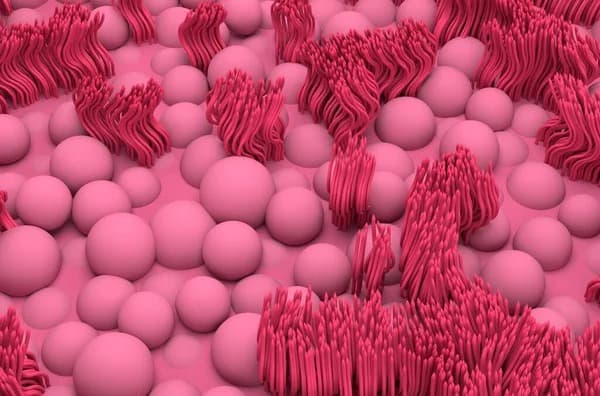
Inhalable vaccines trigger powerful mucosal immunity where pathogens enter the body, offering needle-free protection against respiratory diseases.
Showing results for: "central nervous system" (74 results)

Inhalable vaccines trigger powerful mucosal immunity where pathogens enter the body, offering needle-free protection against respiratory diseases.

The Internet has transformed the world, connecting people, information, and resources in unprecedented ways, even beyond physical boundaries. What began as a small research project has now grown into a global system that supports billions of devices and enables nearly every aspect of modern life. In this article, we will explore the major discoveries and milestones that contributed to the development of the Internet.

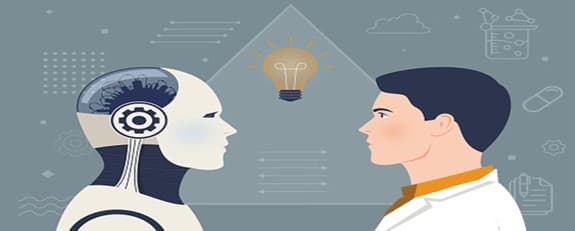
Artificial Intelligence(AI) is reshaping the future of healthcare. The US and UK healthcare systems started to adopt tools like AI Scribe and conversational chatbots, as they claimed to outperform clinicians in diagnostics. Survey data from over 100 physicians polled by Fierce Healthcare and Sermo indicate that many doctors are using general-purpose LLMs for clinical tasks.

Bacterial lysates and postbiotics can train your immune system to prevent respiratory infections. Here is why they matter in the era of antibiotic resistance.

Self-healing materials (SHMs) are substances that automatically repair damage, mimicking organic healing. These materials have a wide range of applications, including construction, biomedicine, transportation, and even textiles. SHMs can extend the longevity of manufactured goods and have numerous uses in medical healing (Crawford, 2024).

The tumor microenvironment (TME) is a complex and dynamic ecosystem composed of malignant cells, immune infiltrates, stromal elements, and vascular components that collectively influence tumor initiation, progression, immune escape, and therapeutic response. Traditional bulk transcriptomic approaches obscure this complexity by averaging gene expression across heterogeneous cell populations.

How a 150-year-old food industry technique became essential for creating stable biologics and inhaled medicines, transforming liquid drugs into life-saving powders.

ISO/IEC 17025 compliance defines how testing and calibration laboratories demonstrate technical competence. In India, the National Accreditation Board for Testing and Calibration Laboratories (NABL) grants accreditation based on this international standard (ISO, 2017).

Nanotechnology is having a big impact on pharmaceutical sciences, and drug delivery systems are one area where this is most evident. Compared to conventional medication delivery methods, nanoparticles provide a number of benefits, including increased effectiveness and fewer adverse drug reactions.

Traditionally, Forensic Science relies on Human DNA for contact evidence and individual identification, but limitation arises when the blood cells obtained from the crime scene are degraded or not.

Biologics have transformed the management of chronic and life-threatening diseases such as cancer, autoimmune disorders, and metabolic conditions. However, their complexity, high production costs, and limited affordability continue to challenge healthcare systems worldwide.

Title 21 Part 820 of the Code Of Federal Regulations (CFR) details the requirements for the design and production of medical devices. These strict, comprehensive requirements are in place for good reason, we want these devices to work.

Discover how the SNAP29 gene guides cellular traffic, and how its mutation leads to CEDNIK syndrome, affecting brain, nerves, and skin.

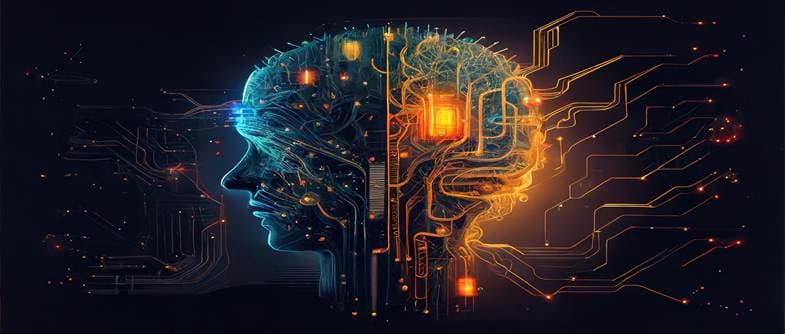
Imagine being able to control a computer, a prosthetic limb, or even a drone just by using your thoughts. This is not science fiction; it is now a reality thanks to brain-computer interfaces (BCIs). BCIs are groundbreaking systems that enable direct communication between the brain and external devices.

Can algorithms predict sickness before you feel it? Explore how AI is using smartwatch data and ECGs to detect diseases like Alzheimer's and AFib early.

In this study, I explore how cancer risk is distributed across the animal kingdom, emphasizing the role of life-history traits, reproductive strategies, and social behavior in shaping susceptibility to disease. Drawing on recent findings in comparative oncology, the article examines patterns that challenge traditional assumptions, such as the relationship between body size and cancer, and highlights evolutionary mechanisms that may confer resistance in certain species.

Learn what dehydration does inside your body from brain function and circulation to temperature control, symptoms, risks, and prevention tips.

Vaccines need precise temperature control to work but maintaining the cold chain wastes half of all doses globally. New thermostable formulations could change everything.

How the fruit fly egg chamber reveals the secrets of cell migration and offers powerful insights into cancer metastasis and future therapies.

Vancomycin is an essential glycopeptide antibiotic used to treat life-threatening infections caused by Gram-positive bacteria, particularly Methicillin-Resistant Staphylococcus aureus (MRSA). It functions by inhibiting bacterial cell-wall synthesis and is still the most potent drug to be used when others fail (Patel, Preuss, & Bernice, 2023).